Key Takeaways
- Travel protection purchased after a hurricane is named generally won’t cover claims related to that specific storm, so buying coverage when you make your first trip payment may help provide protection. Review your Plan Documents for details.
- Hurricane season runs from June through November, with peak storm activity typically occurring between August and October, affecting popular destinations like the Caribbean, Hawaii, Mexico, Florida, and the Carolinas.
- Our plans may cover cancellations when destination lodging is destroyed, mandatory evacuations are ordered, medical emergencies occur during a storm, or your personal home becomes uninhabitable, subject to your Plan Documents.
- Travel delay coverage may help reimburse out-of-pocket expenses like food and lodging incurred during weather delays, but only after you’ve been delayed for the minimum time specified in your Plan Documents.
Hurricane season runs from June through November, and if you’re planning travel to the Caribbean, Florida, Hawaii, Mexico, or another storm-prone destination, it’s worth understanding how travel protection for hurricane season may help. In the Eastern Pacific, which affects Hawaii and parts of Mexico, hurricane season begins May 15. If you’re asking whether “travel protection covers hurricanes,” delays, and interruptions, timing matters. If Caribbean travel is on your list, see our guide to the best Caribbean islands by month.
If you’re traveling during hurricane season, get a travel protection quote and compare plans.
One way to help protect your vacation is to buy travel protection before a storm is named. Our plans may provide coverage for a variety of weather-related events, subject to your Plan Documents. You can also review tips for traveling during hurricane season.
How Hurricane Season Affects Your Travel Plans
Because factors like the overall ocean temperature and weather patterns differ from year to year, hurricane seasons vary in their severity. But even an average season can result in a handful of major hurricanes that could wreck a trip.
2026 Atlantic Hurricane Forecast: By the Numbers
Using its Tropical Cyclone Impact (TC Impact) methodology, Colorado State University forecasts that the 2026 Atlantic hurricane season will include:
- 9 named storms
- 4 hurricanes
- 1 major hurricanes
NOAA notes that most storm activity happens between August and October. If during that time you’re planning a trip to a hurricane zone—especially the Caribbean—seriously consider buying travel protection for coverage against certain weather-related travel issues. You can also review your hurricane risk by state.
Also read: Find the Best Caribbean Islands for Every Month of the Year
What Travel Protection Covers During a Hurricane
The answer depends on the reason for your loss and your Plan Documents, but travel protection hurricane coverage may apply in several common situations.
Trip Cancellation Due to Hurricanes
If the lodging at your destination is destroyed by a hurricane, you may have a covered reason to cancel your trip. For example, a NOAA hurricane warning that leads to a mandatory evacuation at your destination during your travel dates may support a cancellation or interruption claim, subject to your Plan Documents.
The same issue may apply if a rental home or condo becomes uninhabitable. If you booked a vacation rental, vacation rental travel protection may help with eligible losses when the property is unsafe or unavailable, subject to your Plan Documents.
Mandatory Evacuation Coverage
If a hurricane strikes while you’re traveling and authorities order a mandatory evacuation, eligible extra costs and unused insured trip costs may be covered under your plan, depending on the timing of the order and the terms in your Plan Documents.
Medical Coverage During a Hurricane
If you’re injured in a hurricane while traveling, your medical expenses may be covered. If your injuries are severe enough that you need emergency evacuation, that may also be covered up to the limits in your Plan Documents.
Coverage If Your Home Is Damaged
You may also have a covered reason to cancel or interrupt your trip if a hurricane makes your home uninhabitable. For more on that scenario, see travel protection when you live in a hurricane zone.
Not all travel protection companies or plans cover storm-related cancellations and interruptions the same way, so read Plan Documents carefully before you buy—especially if you’re headed to the Caribbean during hurricane season.
Situations that may be covered:
- Canceling because your hotel, resort, or vacation rental is uninhabitable due to a hurricane
- Interrupting your trip because authorities issue a mandatory evacuation
- Receiving treatment for an illness or injury caused by a hurricane during your trip
- Canceling or interrupting because storm damage makes your home uninhabitable
Situations that may not be covered:
- Deciding not to travel because you’re uncomfortable with a storm threat alone
- Buying a plan after a named storm is identified and then filing a claim related to that storm
- Carrier-controlled schedule changes that don’t meet your plan’s delay, interruption, or missed connection requirements
Situation | Possible Coverage | Timing Condition | Documentation Needed |
Destination lodging or a vacation rental is uninhabitable | trip cancellation or trip interruption may apply | the loss must meet your plan’s covered-event requirements | booking confirmation, supplier notice, and proof of damage or closure |
Mandatory evacuation at your destination | travel delay, trip interruption, and related extra expenses may apply | the order must affect your covered travel dates and meet plan terms | evacuation notice, receipts, and trip itinerary |
Medical emergency during a hurricane | medical expense and emergency evacuation benefits may apply | the incident must occur during your covered trip | medical records, receipts, and transportation documentation |
Your home becomes uninhabitable | trip cancellation or trip interruption may apply | the home damage must prevent you from traveling or continuing your trip | proof of home damage, repair estimates or insurer records, and trip confirmation |
Coverage varies by plan and state. Benefits are available only when all applicable terms, conditions, and covered-reason requirements are satisfied. Review your Plan Documents for complete details.
How Travel Protection Handles Delays
Whether travel delay coverage applies depends on the plan you bought, how long you were delayed, and what expenses you incurred.
All our plans include travel delay coverage; however, they differ in the amount per day you may claim and the length of time you have to be delayed before coverage may apply. Review your Plan Documents for the minimum delay threshold.
Travel delay coverage may help reimburse reasonable expenses you incur during a covered delay, such as meals and lodging, as long as the delay meets the minimum time threshold in your Plan Documents.
But what happens if your cruise or tour continues outside the hurricane zone while a Category 5 storm disrupts your travel plans? That could fall under Trip Interruption or Missed Connection coverage, and our plans may offer that as well. Our 24/7 Travel Assistance Services may also help with rebooking transportation, locating alternative lodging, and coordinating evacuation support during a covered disruption.
Also read: How Your Travel Delay Expenses Can be Reimbursed
Changing Travel Dates Because of Storm Concerns
Everyone's comfort level with travel risk is different. However, standard travel protection is generally not intended to provide coverage simply because you decide you are no longer comfortable traveling due to a potential storm. Typically, coverage may apply in covered scenarios where your travel is interrupted by the impact of the storm, and coverage generally does not occur if the plan is bought after a storm is named. To understand specific qualifiers under your plan, ensure you read through your Plan Documents carefully.
Cancellation Timing When a Hurricane Disrupts Travel
Every plan is different, so make sure to review your state-specific Plan Documents carefully. Typically, this coverage may apply when your trip is definitively interrupted. For example, if local authorities within your destination area call for an evacuation during your travel dates, a NOAA hurricane warning leads to a covered shutdown or evacuation, or the hotel you booked is seriously damaged by tropical weather, your plan may offer coverage. It’s crucial to review your Plan Documents as specific terms and conditions apply.
What If You Want to Cancel Because of a Storm Threat — Even Without a Covered Reason?
Standard hurricane-related cancellation benefits usually require a covered reason, such as a mandatory evacuation, uninhabitable lodging, or another covered event listed in your Plan Documents. If you want to cancel because you no longer feel comfortable traveling, some plans offer Cancel For Any Reason coverage as an optional upgrade.
Cancel For Any Reason (available only on the Premium Plan) coverage typically reimburses 50% to 75% of your prepaid, non-refundable trip cost, rather than the full amount. It usually must be purchased within a limited window after your initial trip deposit, and availability varies by state and plan.
If you want to compare standard coverage and Cancel For Any Reason options, get a travel protection quote and compare plans.
Assess your risk of a hurricane with our US Hurricane Risk Map.

When to Buy Travel Protection
If you buy travel protection after a storm is named, your plan will generally not provide coverage for storm-related claims tied to that specific storm. Review our Storm Coverage Alerts and your Plan Documents for more information.
A storm becomes a named storm when it reaches tropical storm status. According to the National Hurricane Center, that means sustained winds of 39 mph or higher.
We suggest you buy a travel protection plan when you make your first trip payment, like airfare or a cruise. That way you have a long coverage period in case you need to cancel your trip, and if you’re shopping for travel protection for hurricane season, you may buy the plan well before the storm is forecast.
Our travel protection plans may be purchased up to 18 months before the trip departure date and up until the day prior to departure.

Why Hurricane Travel Protection Is Worth It
If you’re comparing travel protection plans for hurricane season and trying to find the right travel insurance and assistance services plan for your trip, start with your prepaid, non-refundable costs. A $5,000 beach vacation with flights, a cruise, or resort deposits at risk can be hard to replace if a hurricane disrupts your plans.
There are many ways you can try to help protect your vacation from hurricanes—even a Caribbean vacation. You can stay on islands in the southern Caribbean, like Aruba and Curacao. You can avoid the Caribbean or hurricane zones entirely during hurricane season. You can follow the tips in our article on prepping for travel during hurricane season.
However, even if you do all those, travel protection is still a good idea if you’re taking a vacation during hurricane season. Like every other part of travel, weather is unpredictable. When it’s hurricane season, you just never know. So why put your vacation investment at risk?
See examples to help decide if travel protection is worth it
Hurricane Travel Insurance FAQs
When Should I Buy Travel Insurance for a Storm?
When it comes to hurricane travel protection, timing matters. To be eligible for coverage related to a storm, you generally must purchase your plan before that storm is named. Once a storm has been named, a plan purchased afterward will typically not provide coverage for claims related to that specific storm. For more information, see When to Buy Hurricane Travel Protection , and review your Plan Documents.
What If My Personal Home Is Damaged Because of a Storm?
Your travel protection plan may provide coverage if a storm makes your home uninhabitable and prevents you from traveling. Review your Plan Documents for state-specific details.
When May Cancellation Coverage Apply During a Hurricane?
A current evacuation order is not necessarily a covered reason to cancel your future trip. If the mandatory evacuation order is lifted before your scheduled arrival, the plan may not provide coverage unless you experience another covered event that prevents you from traveling. Coverage may apply when your trip is directly affected during your travel dates by a covered event, such as a mandatory evacuation, uninhabitable accommodation, or a hurricane warning that leads to a covered shutdown or evacuation. Review your Plan Documents for details.
How Does Travel Protection Cover Travel Disrupted by Mandatory Evacuations?
If you are evacuated during your trip due to adverse weather or a natural disaster, we encourage you to seek accommodations out of harm’s way—with the hope that you can return to your trip when the evacuation ends. Under the Travel Delay benefit, our plans may reimburse certain out-of-pocket costs during the evacuation, such as hotel stays, meals, and local transportation. The delay will have to be for the specified amount of time listed in your Plan Documents.
The plans may also include coverage for insured trip costs you can’t use when a mandatory evacuation is in effect as long as the loss for your trip occurs within the first 30* calendar days after the mandatory evacuation order is issued. You may qualify for reimbursement for the remaining portion of your trip if you have 50%* or less—or four* days or less—of your reservation left when the evacuation order is lifted at your destination.
Day and percentage requirements may vary by state. Review your Plan Documents for full details.
What If I Can’t Reach My Destination or My Accommodations Are Damaged Because of a Storm?
If your destination is evacuated due to adverse weather or a natural disaster, such as a hurricane, you may be reimbursed for eligible insured trip costs, subject to your Plan Documents. The plans may only provide coverage for losses that occur for your trip within the first 30* calendar days after the initial mandatory evacuation order was issued. You may qualify for reimbursement for the unused portion if you have 50%* or less—or four* days or less—of your trip remaining when the evacuation order is lifted at your destination. See more details here.
Plans may include similar coverage if the accommodation at your destination is deemed uninhabitable. That may also apply to a hotel, resort, or vacation rental, which is why some travelers look for vacation rental travel insurance when they book a rental home.
You may also have coverage if your flight is canceled or delayed because of adverse weather, depending on the plan terms and your documentation.
Day and percentage requirements may vary by state. Review your Plan Documents for full details.
Can I Still Buy Travel Insurance if a Storm Is Forming but Hasn’t Been Named?
For plans that offer coverage for adverse weather and natural disasters, if the plan is purchased after a storm is named, coverage generally may not be provided for losses resulting from that named storm. Review your Plan Documents for details.
What Documentation Should I Keep for a Hurricane-Related Claim?
Keep your receipts, booking confirmations, evacuation notices, supplier cancellation messages, airline or cruise delay notices, and proof that your lodging was damaged or unavailable. If you had a medical issue during the storm, keep those records too. Having that documentation ready may make it easier to file a claim and show how the hurricane affected your trip.
Still comparing options for hurricane season travel? Get a travel protection quote and compare plans.
Travel Resources
See All

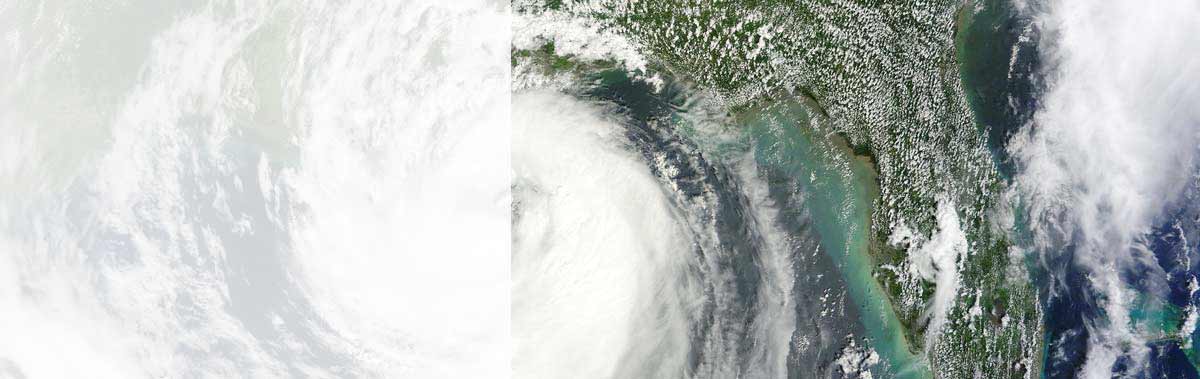
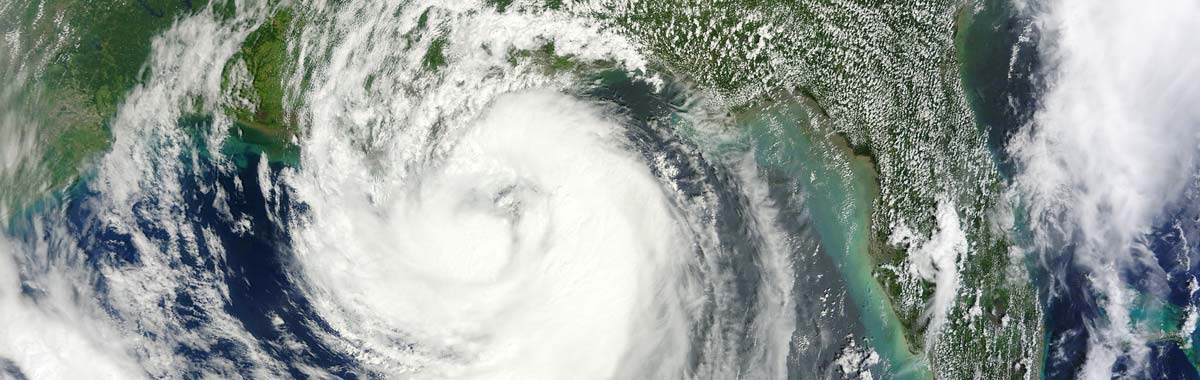
* Image source: "Hurricane Isaac Near Landfall" by NASA Goddard MODIS Rapid Response Team, used under CC BY 2.0 / Cropped from original
† If you buy travel insurance after a storm is named, your plan will not provide coverage for storm-related claims. See Storm Coverage Alerts
Map Data Source: Colorado State University's Tropical Cyclone Impact Probabilities report
A7731907, A112862205, 6413512512, 1106002607

Average Customer Rating:

Thank you for visiting csatravelprotection.com