16 Spring Break Vacation Safety Tips for Family, Friend or Solo Trips

Key Takeaways
- Travel protection supports Spring Break travelers facing the most common claim‑driving issues: sickness, carrier delays, and cancellations, injuries, companion or family sickness, and baggage delay.
- Preparation plays a central role in avoiding preventable headaches, especially when visiting high‑traffic Spring Break destinations such as Italy, France, Japan, Spain, and the Bahamas.
- Staying alert to health, safety, and documentation needs helps travelers avoid many of the pitfalls that disrupt Spring Break trips every year.
Why Travel Protection Matters More Than Ever for Spring Break
Spring Break remains one of the busiest periods for leisure travelers. Students, families, and couples look for sun, culture, or adventure, and destinations like Italy, France, Japan, Spain, and the Bahamas consistently rank among the most popular international picks during March and April according to American Express essentials. With this influx of travelers comes a rise in unexpected travel disruptions, many of which lead to costly out‑of‑pocket expenses without the support of travel protection.
In recent years, our most common claim reasons for these destinations have included illness, carrier delays and cancellations, injury, companion or family member sickness, and baggage delay. These issues impact travelers across all age groups, but Spring Breakers are especially affected because their travel windows are short and inflexible.
Travel protection can help support travelers who encounter these unexpected hurdles by providing Trip Cancellation, Trip Interruption, Travel Delay, Baggage, and Emergency Assistance & Transportation benefits, as well as guidance throughout the trip. Safety habits still matter, but the additional backing of travel protection creates an extra layer of resilience during one of the busiest travel seasons of the year.
These 16 tips can help your Spring Break travels be the fun, relaxing escape you’ve been looking for without the added stress of travel headaches, mishaps, or disasters.
1. Keep Your Location on The Down-Low
Sharing real‑time travel plans on social platforms is tempting during Spring Break, but publicizing location updates increases exposure to theft risks at home and abroad. Keeping these details private until after returning home reduces the chance that someone with bad intentions will take advantage of a traveler’s absence.
How to Prep Your Home for Travel
2. Stick Together
Spring Break destinations attract large crowds and navigating them with a group helps maintain a layer of situational awareness. Whether visiting busy urban centers in Italy or exploring beaches in the Bahamas, sticking with companions helps reduce risks related to theft, injury, and disorientation.
Families traveling with children may consider digital tools such as phone‑tracking features or AirTags for younger travelers. These practices reduce the likelihood of separation‑related stress and help prevent the kinds of emergencies that may interrupt a vacation.
Alternative Spring Break Destinations to Get Away from the Crowds
3. Be Anti-Viral
Airplanes are enclosed environments with high passenger turnover. Although airlines have introduced various mitigation measures, travelers are still advised to practice good hygiene to reduce germ exposure. This is especially relevant because sickness remains one of the leading claim triggers for Spring Break travelers.
Using hand sanitizer, washing hands thoroughly, and wiping tray tables or armrests helps limit exposure to viral contaminants. Bringing personal pillows and blankets further reduces contact with shared surfaces.
4. Carry Copies
Carrying backups of important documentation supports quick recovery when unexpected events occur. Travelers heading to Italy, France, Japan, Spain, or the Bahamas should bring paper and digital copies of passports, prescriptions, glasses information, itineraries, and travel protection documents.
Documents you need to carry include:
- Your passport
- Prescriptions
- Eyeglasses information
- Travel protection documents
- Itineraries and schedules
You should also have phone numbers and/or addresses for:
- A reputable local cab company
- The nearest embassy or consulate
- Your travel insurer’s assistance line
- Your lodgings
You may want to stash multiple copies of your passport and other key documents throughout your luggage (and in the hotel safe) in case you lose one, and it’s a good idea to leave a copy with people back home.

5. Be Money-Smart
Arriving in a new destination without local currency may lead to unnecessary complications. Travelers are advised to withdraw a small amount of local currency, enough to cover light purchases, small tips, transportation, or emergencies.
Did you know there might be Financial Requirements for Your Overseas Adventures?
6. Be Water-Smart
We’ve all heard from our parents or a lifeguard at some point “don’t run at the pool” turns out they are right. Water related accidents are incredibly frequent whether it be a slip and fall at a pool or a slippery step down to the beach in Italy, accidents can ruin a trip before it even starts.
The BMJ Journals note that 70% of deaths from recreational water activities involve alcohol, so don’t drink and swim or boat. Also:
- Swim where the lifeguards are professional and attentive
- Watch for waves, rip currents and riptides
- Don’t dive headfirst when you’re not sure of the water’s depth
- Assign a responsible adult to watch young swimmers
- Latch and/or lock gates to pools at vacation rentals
- Follow posted warnings about dangerous marine life, algae blooms, bacteria, and other water dangers
- Wear life jackets in boats, canoes, and kayaks
- Complete a boat-safety course
- Do a complete seaworthiness check of any boat you’re renting or borrowing
- Know where you’re going when boating or paddleboarding, and understand prevailing winds and currents

7. Be Sun-Smart
Spring sunshine draws travelers outdoors for long periods, raising exposure to UV rays. Applying sunscreen frequently, wearing protective clothing, and avoiding peak afternoon sun are foundational steps for preventing sunburn or heat‑related issues.
Some simple preventative steps are:
- Apply sunscreen (SPF 15 or higher) every 30 minutes, and after swimming and sweat-producing activities
- Remember that insect repellent goes over sunscreen
- Stay out of the sun in the midafternoon, when the sun's rays are strongest
- Minimize sun exposure for children six months and younger
- Wear sunglasses, hats, long-sleeve shirts, and pants whenever practical
The Ultimate Beach Trip Packing Checklist
8. Eat Healthy
Spring Break often includes trying new cuisines, particularly in destinations abroad. While these exotic locations are known for high food standards, illness still remains one of the most common reasons travelers submit claims.
A good place to start with staying healthy is by:
- Eat lots of vegetables, fruits, and whole grains, and lean meats and fish.
- Stay away from any street food that isn’t hot and freshly cooked.
- Wash fruits and vegetables before eating, in water you know is drinkable.
Speaking of which, drink lots of water – bottled if you have to.
Also Read: Traveling with Dietary Restrictions

9. Sign Up For STEP
The State Department’s Smart Traveler Enrollment Program (STEP) helps you stay up-to-date on safety conditions at your destination, and can help the nearest embassy or consulate contact you in case of emergency (and vice versa).
Signing up for STEP is free and easy, but you have to re-enroll with every new trip.
Though STEP does not replace travel protection, it strengthens preparedness by helping travelers stay informed about local events, weather, and advisories.
10. Stay Public – But Blend In
Navigating unfamiliar destinations safely involves blending in without standing out as a target. Dressing modestly, avoiding overt displays of expensive items, and staying aware during transit reduces risk.
Travelers should avoid poorly lit or isolated areas and remain in high‑traffic zones when walking at night. This applies across Europe and in island settings such as the Bahamas, where certain nightlife areas become heavily crowded.
11. Stay Private
Hotel safety remains essential. Travelers can help reduce risk of theft by not sharing room numbers publicly, verifying the identity of anyone knocking at the door, and storing valuables in the hotel safe.
If you’re having a night in, tell the front desk not to give anyone your room number. If someone knocks on your door, ask who it is. If you’re not expecting anyone (even if they claim to have food), call the front desk.

12. Watch Your Bags
While sightseeing, dining, or taking public transit, travelers should keep personal bags in view at all times. Wearing a purse across the body, keeping backpacks in front when in crowds, and avoiding leaving items unattended at beaches reduces exposure to theft.
Finally, don’t leave valuables in a purse or backpack when swimming or playing at the beach.
Travel Protection and Your Luggage: How it Can Help When Flying
13. Speak Their Language
Communication assists with navigating local transportation, ordering food, and asking for help. Learning basic greetings or directional phrases supports smoother interactions in countries such as Italy, France, Japan, and Spain.
Is the local language too hard? Use an app like Google Translate for real-time translations.
Best Free Travel Translation and Language Apps
14. Tell People Where You’re Going
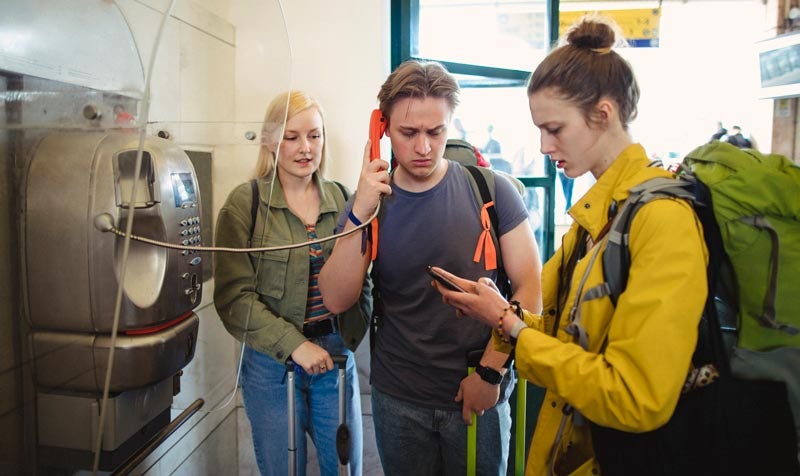
Before leaving for Spring Break, travelers should share detailed itinerary information with trusted contacts at home and with travel companions. Plans and details such as hotel names, transportation details, and a rough schedule. Traveling companions should periodically check in with one another while exploring destinations.
In addition, consider downloading a “safe-button” app like Noonlight to summon help in an emergency.
15. Always Think Safety
Thinking ahead helps travelers avoid high‑risk situations. This can be anything from planning routes before heading out, staying aware during excursions, and or carrying only the essentials to reduce the risk of loss or theft.
6 Travel Safety Tips that Could Help Protect Your Trip from Disaster
16. Get Travel Protection
Spring Break trips often occur over short, inflexible windows. Students and families may have only one week to travel, and unexpected events disrupt plans with greater consequences when no alternative travel dates exist.
Our reported most common claim reasons during Spring Break travel include:
- Sickness
- Trip Delays and Trip Cancellations
- Medical and Dental Emergencies
- Companion or family member falling ill
- Baggage delay
Travel protection provides benefits that help travelers navigate these events, including Trip Cancellation, Trip Interruption, Travel Delay, Baggage coverage, and 24‑hour Emergency Assistance. Support includes assistance connecting with medical providers abroad, arranging transportation changes during severe weather, or recovering lost travel documents.
Even seasoned travelers face unpredictable events during Spring Break’s crowded travel period. With the right coverages in place, travelers are better supported when their plans take unexpected turns.
Get a fast free quote today, and get ready for Spring Break!


10907532603

Average Customer Rating:

Thank you for visiting csatravelprotection.com