11 Tips for Traveling With Medication: Prescriptions, Flying, Insurance and More
Key Takeaways
- Keep prescription medications in carry-on luggage in original containers with documentation, as some medications legal in the U.S. are restricted or banned in other countries like Japan, UAE, and Singapore.
- Schedule a pre-trip doctor visit to obtain a letter detailing medical conditions and prescriptions with generic drug names, which helps when clearing customs or replacing medication abroad.
- Maintain your home time zone schedule for taking medications when crossing time zones to keep consistent medication levels in your system.
Nearly half of Americans have taken at least one prescription medication in the past month, and that number jumps to 85% for those over 60, according to the CDC. If you're among them and planning a trip, traveling with medication safely and legally is crucial. From packing prescriptions to managing time zone changes, here are 11 essential tips to help you stay on track and healthy while traveling.
Start With a Health-Focused Travel Plan
Traveling well begins before you leave home. In addition to packing your prescriptions, consider your destination’s climate, air quality, and food options. Consult your healthcare provider for personalized medical advice related to your destination. For example, travelers with asthma should avoid areas with heavy pollution, while those with acid reflux may want to steer clear of spicy street food.
Planning ahead also includes considering a travel protection plan with Medical and Dental coverage that you deserve. Plans from Generali Global Assistance offer 24/7 Emergency Assistance Services, which includes help with replacing lost medication or the arrangement of shipment or replacement eyeglasses during your trip.
Also read: Why You Might Need to Buy Medical Coverage Before You Travel
Schedule a Pre-Trip Doctor Visit
Before traveling, visit your primary care physician or a travel medicine specialist. Discuss your destination, any health risks, and update your vaccinations. Ask your doctor for a letter detailing your medical conditions and prescriptions, including generic names. This documentation can be vital if you need to replace medication abroad or clear customs.
Read about: Travel insurance with pre-existing medical conditions

Contact Your Health Insurance Provider
Call your health insurance company to ask about coverage while traveling, especially if you're going overseas. Inquire about network providers near your destination and whether your prescription drug coverage extends internationally. If you use a pharmacy benefit manager (PBM), contact them separately to understand how to fill prescriptions abroad.
Also Read: 6 Ways to Manage Fear of Flying: From Nature to Tech
Prepare for International Travel With Medication
When traveling internationally, bring your health insurance card, multiple copies of your prescriptions, and, if possible, your medical records. Keep copies in different bags, just like you would with your passport. Knowing the generic names of your medications is essential, as brand names vary by country.
Customs officials may inspect your baggage, so having documentation and original packaging can help avoid delays or confiscation.

Know What’s Legal and What’s Not
Some prescription medications that are legal in the United States may be restricted or even illegal in other countries. For example, medications containing pseudoephedrine (commonly found in cold medicines) are banned in Japan, and certain pain medications like codeine may require special documentation or are prohibited in countries like the United Arab Emirates and Singapore.
Before you travel, check the embassy or consulate website of your destination country for a list of restricted medications. You may need to carry a doctor’s note, a copy of your prescription, or even apply for a permit to bring certain medications into the country.
Failing to comply with local laws can result in confiscation, fines, or legal trouble.
Tip: Travel insurance plans from Generali Global Assistance include 24-Hour Emergency Assistance Services that can help replace medication or eyeglasses on your trip.*
Flying With Medication: Keep It in Your Carry-On
Never pack prescription medications in checked luggage. Lost bags can mean lost access to critical medication. Always carry your prescriptions in your carry-on, ideally in their original containers. Generali Global Assistance’s travel protection plans include services that can help replace lost medications, to help your trip stay on track.

Don’t Forget Your Eyewear
If you wear glasses or contact lenses, pack a spare pair and bring your eyewear prescription. Glasses are frequently lost or broken during travel, and having a backup can save you from unnecessary stress.
Pack Extra Medication
Bring more medication than you think you’ll need—ideally enough to cover delays or extended stays. Spread your medication across multiple bags to reduce the risk of losing everything at once. However, avoid using plastic pill organizers unless you also carry the original prescription containers.
Also read: How Travel Insurance Can Help if you need Medical Evacuation
Manage Time Zone Differences Wisely
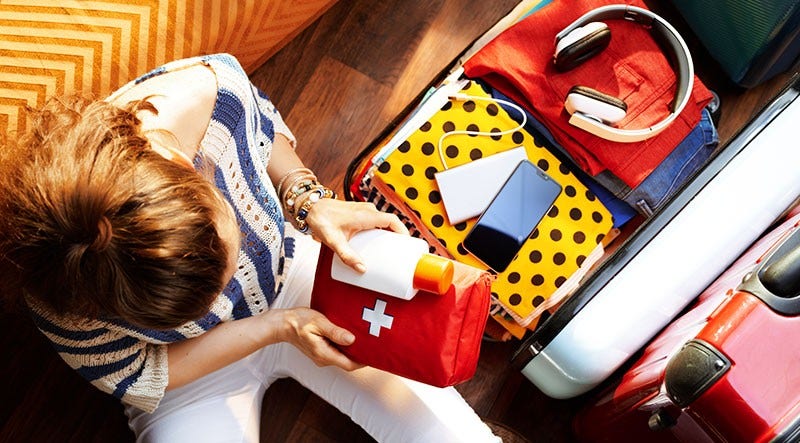
When crossing time zones, stick to your home schedule for taking medication. For example, if you take medicine at 8 a.m., 12 p.m., and 5 p.m. in New York, continue taking it at those times based on New York time even if you're in Tokyo. This helps maintain consistent levels of medication in your system and avoids confusion caused by local time changes. Use a world clock app or set alarms on your phone to help you stay on schedule. It’s also a good idea to speak with your doctor before traveling about how time‑zone shifts may affect the timing of your specific medications.
Build a Travel First-Aid Kit
Include your prescription medications in a well-stocked travel first-aid kit. Start with a basic kit and add:
- Aspirin or ibuprofen
- Anti-diarrheal medication
- Topical antibiotic
- Aloe vera
- Antacids
- Motion sickness remedies
- Allergy medicine or nasal spray
- Cough drops
- Earplugs
Optional additions based on space:
- Digital thermometer
- Scissors and tweezers
- Bandages and blister pads
- Antibacterial wipes
- Sunscreen and insect repellent (with at least 30% DEET)
Also read: Need to Go to the Hospital on a Trip Abroad? Here's What to Do

Travel Smarter to Help Yourself Stay Healthy
Choose destinations that align with your health needs. Avoid strenuous activities if you have heart conditions, and skip alcohol if your medications interact negatively with it. Eating wisely and staying hydrated can also help prevent illness and reduce the need for additional medication.
Also read: How To Stay Healthy and Avoid Getting Sick Before a Vacation
Travel protection plans from Generali Global Assistance can help provide support if you need medical care or medication replacement during your trip, giving you peace of mind on your trip.
Ready to travel with confidence?
Get a fast and free quote for a Generali Global Assistance travel protection plan today.
Travel Resources
See All

*(Costs for shipping of medication or eyeglasses, or a prescription refill, etc. are the responsibility of the insured.)
B006732402

Average Customer Rating:

Thank you for visiting csatravelprotection.com