Weather Flight Delays Cost Travelers Billions Each Year (And How to Help Protect Your Trip)

Key Takeaways
- Weather is one of the leading causes of major flight delays in the U.S. and can affect travel nationwide due to system-wide disruptions.
- Flight delays and cancellations can lead to out-of-pocket costs, lost prepaid expenses, and significant time disruptions.
- Airline compensation is often limited for weather-related events, leaving travelers financially responsible in many situations.
Across the U.S., delayed and canceled flights generated an estimated $30–34 billion in total economic impact in 2022, including lost time, out-of-pocket expenses, and broader ripple effects across the travel system.
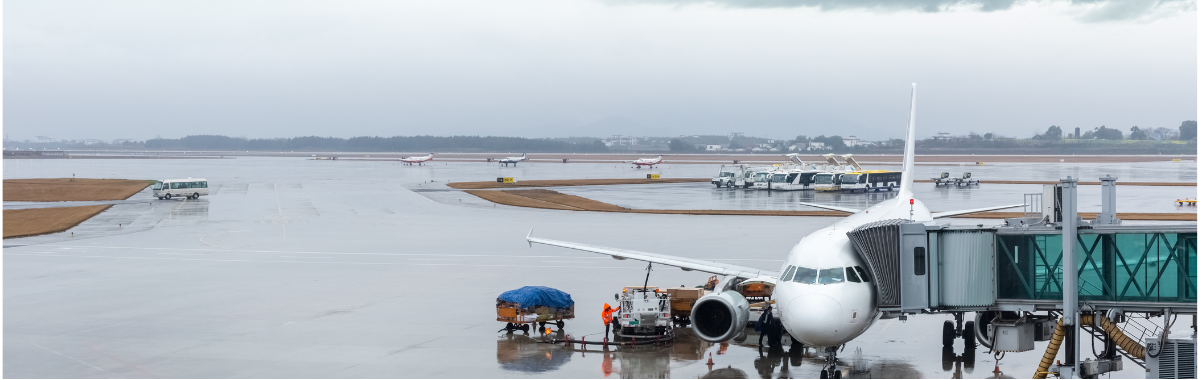
Weather plays a major role in that cost. It’s one of the leading causes of significant flight delays, responsible for roughly three out of every four major delays across the U.S. air travel system, according to the Federal Aviation Administration.
That suggests weather-related disruptions may account for a substantial share of these costs—potentially tens of billions of dollars annually - roughly $22 to $25 billion.
While not every delay or cancellation can be tied directly to weather, the takeaway is clear: for travelers, weather is one of the biggest drivers of unexpected trip costs.
How Common Are Weather-Related Flight Delays?
Air travel is a tightly connected system. When weather hits, impacts don’t stay local—they spread.
- Roughly 20% of U.S. flights are delayed in a typical year
- Weather is the leading cause of major delays
- Disruptions often affect multiple airports and connecting flights
A storm in one city can easily disrupt travel plans across the country.
In 2024, Hurricane Debby caused thousands of flight disruptions across Florida, including more than 6,000 cancellations over several days, highlighting how quickly a major storm can impact travel at scale.
Why Weather Travel Disruptions Are So Expensive
Weather-related disruptions tend to cost more because they scale quickly.
- They impact entire regions at once
- They limit rebooking options, which drives up prices
- They take longer to recover from, even after conditions improve
The result: fewer choices, higher costs, and longer delays.
Also Check Out Our Hurricane Risk Map

The Real Cost of Flight Delays for Travelers
That national 2022 $30–34 billion figure shows up in very real ways on an individual trip.
Out-of-pocket costs
- Extra meals during delays
- Airport or hotel transportation
- Unexpected overnight stays
Rebooking costs
- Higher last-minute airfare
- Limited flight availability
- Fees or fare differences
Lost prepaid expenses
- Non-refundable hotel nights
- Missed tours or activities
- Cruise departures or excursions
Even a single disruption can mean hundreds or thousands of dollars in unexpected costs for a trip. Many of those costs could be covered if you have a travel protection plan.
The Hidden Cost: Lost Time
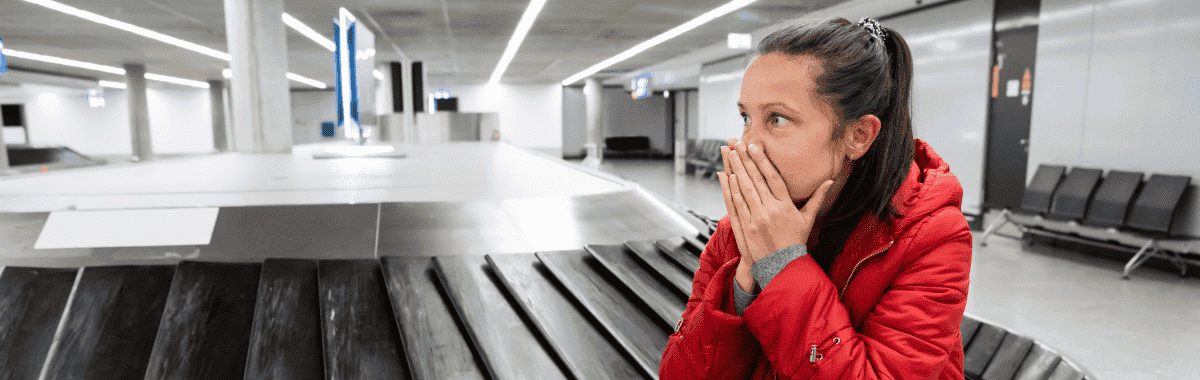
Not all costs show up on a receipt.
- Losing a day (or more) of your trip
- Missing events or once-in-a-lifetime experiences
- Spending hours rebooking instead of traveling
This lost time is one of the biggest contributors to the overall economic impact.
What Many Travelers Don’t Expect
Weather-related delays are usually considered outside airline control. Unexpected costs result from:
- Limited compensation
- Fewer protections than airline-caused delays
- Meals
- Hotels
- Rebooking differences
- Lost reservations
That gap between expectations and reality is where costs add up quickly.
How Travel Insurance Can Help
Travel Protection may help cover some of these costs—but timing and coverage details matter.
- Trip Cancellation - If severe weather makes your destination or home uninhabitable
- Trip interruption costs - If a storm cuts your trip short for a covered reason
- Travel delays - Reimbursement for meals, lodging, or transportation after a qualifying delay
- Mandatory evacuations - If officials require you to leave your destination
- Medical emergencies during a storm
Learn more: Hurricane Travel Insurance Guide
Weather Can Strike Anytime—Be Prepared
Whether it’s a snowstorm in January or a hurricane in October, bad weather can affect travel year-round. With climate patterns shifting and extreme weather events becoming more common, travel protection is essential.
Before booking your next trip—especially during hurricane season or winter months—consider the risks and help protect your investment with one of our travel protection plans.
Get a fast and free quote for travel protection today and travel with confidence.
FAQs
Are airlines responsible for weather-related cancellations?
In most cases, airlines are not required to compensate passengers for delays or cancellations caused by weather, since these events are considered outside their control. This often leaves travelers responsible for additional expenses.
What costs can weather delays cause travelers?
Weather-related delays can lead to out-of-pocket costs such as hotel stays, meals, transportation, and rebooking airfare. Travelers may also lose money on non-refundable bookings like tours, hotels, or cruises.
How common are weather-related flight delays?
Weather is one of the leading cause of major flight delays in the U.S., contributing to a significant portion of disruptions each year. Because the air travel system is interconnected, a single storm can impact flights nationwide.
What can travelers do to help protect against weather disruptions?
Travelers can help reduce financial risk by purchasing travel protection, booking flexible fares, and monitoring weather conditions before departure. Planning ahead can help minimize both costs and stress if disruptions occur.
If I purchase coverage after a storm has been named will I still be covered?
If you buy travel protection after or on the same day a storm is named, your plan will not provide coverage for storm-related claims. See our Storm Coverage Alerts for more information.
Travel Resources
See All

109226852606

Average Customer Rating:

Thank you for visiting csatravelprotection.com