Weather Tools Travelers Should Check Before Traveling

Key Takeaways:
- Using weather insights helps travelers adjust lodging, routes, and timing to avoid hazards such as storms, wildfire smoke, hurricanes, or long‑range climate risks.
- NOAA’s forecasting tools, AirNow, IQAir, and climate resources provide reliable ways for travelers to monitor weather, air quality, and environmental risks before and during a trip.
- Our travel protection plans are designed to help travelers prepare for unexpected weather‑related disruptions, and plans include valuable benefits such as Trip Cancellation due to a hurricane or mandatory evacuation at destination.*
No one likes a rainy day at the beach or an overcast day while hiking. Let’s face it, weather and the climate can make or break a great trip.
Whether the culprit is snow in winter, heat increases due to forest fires, or even hurricane season between June andOctober, weather always has the potential to upend the best-laid travel plans.
Having travel protection in place early may help travelers make the most of the benefits available to them, especially during seasons when storms and shifting weather patterns are common. When a plan is purchased ahead of upcoming weather concerns, travelers may feel more confident knowing they have valuable coverage designed to help protect their trip.
However, we’re getting ahead of ourselves. What are some of the tools travelers can pack to help them deal with the weather or just be informed about what’s headed their way?

NOAA Web Tools
The National Oceanic and Atmospheric Administration remains an incredibly useful source of weather information for travelers.
NOAA’s Climate Prediction Center page includes:
- A variety of medium- to long-range forecasts (six-to-10-day, eight-to-14-day, weeks three and four, one-month, and three-month, in periods stretching into next year);
- Drought information, which is directly tied to fire potential;
- Projected weather hazards in the U.S. for the next two weeks; and
- Tropical weather hazards.
What can you do with this information if you’re within a couple of weeks of taking that trip to Hawaii you’ve been planning for months? You can start looking at alternative lodgings if the Maui wildfires kick up again, or different flights if a winter storm has Denver in its sights and your flights go through Denver.
With this information you can quickly change flights if the airline opens a free-rebooking window. Those windows close fast; being prepared with alternatives can mean the difference between travel and no travel.
If you’re planning a road trip to California and the hazards forecast says Santa Ana winds are going to be blowing over drought-ravaged foothills, you may want to alter your plans.
Finally, fans of last-minute cruise deals should consult the tropics-hazards page for the forecast before hitting “Buy Now” on a bargain-priced Caribbean cruise.
NOAA remains the definitive source for short-term North American weather forecasts.
Clime: NOAA Weather Radar Live
When you consider all the apps you have on your phone, like the app for the closed restaurant down the street or the e-bike you sold two years ago, having an app that tells you with great authority what the weather’s going to be where you are and where you’re going seems like a diamond in the rough.
Clime is the definitive U.S. weather app. It has:
- An interactive radar map for anywhere in the country, and many places around the world
- A 24-hour precipitation forecast for the same
- A satellite map showing cloud cover (good for sun-exposure forecasting)
- Daily and weekly forecasts
- National Weather Service watches and warnings
- Global watches and warnings
- Hurricane, lightning and wildfire trackers (Premium version)
- Air-quality index (Premium version)
The Premium version is pricey, but monthly and weekly subs are available for trip-by-trip purchases. They’re highly recommended for travelers interested in the weather or for those who like to prepare in all scenarios.
Also Read: Bad-Weather Travel Protection
AirNow
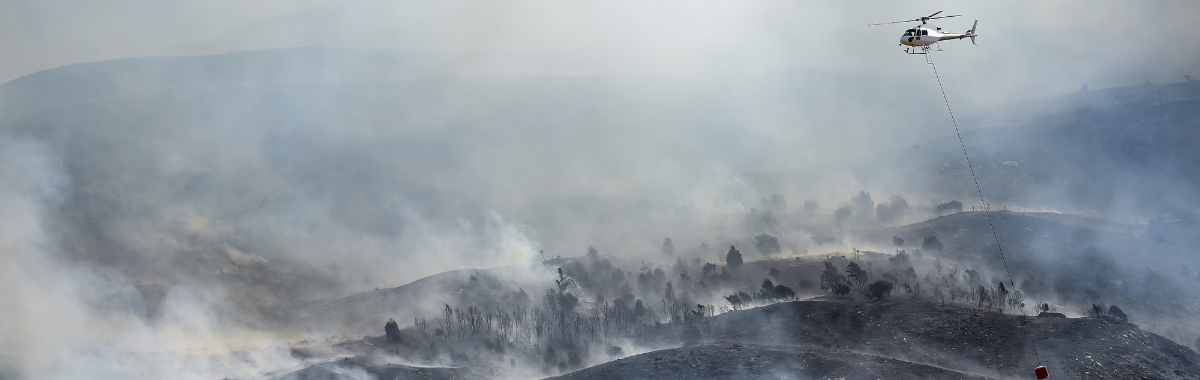
AirNow is the EPA’s real-time index of air quality across North America. It lets you see concentrations of ozone and particulate matter on a hemispheric scale and lets you drill down and see air quality in a specific location ID’d by ZIP or place name.
Especially in summer, when pollutants can hang in places like Phoenix and L.A. and wildfire smoke becomes a scourge, AirNow is invaluable.
Also Read: California Wildfire Season and How Travel Protection Can Help
Columbia Climate School Long-range Forecasts
Columbia University publishes three-month global and regional precipitation and temperature outlooks. These forecasts are highly researched and free.
Because of the level of study that goes into these forecasts, they’re as reliable as long-range weather forecasts get. Well-hidden drilldowns let you toggle between temperature and precipitation and mess with time parameters.
IQAir
IQAir is AirNow on a global scale. It gathers air-quality data from everywhere and publishes it in an interactive map so you can see just how unhealthy or healthy the air is today in most locations.
Drilling into a location lets you see a short-term air-quality forecast as well as what’s causing the bad air. It also has health recommendations for that location that may include avoiding outdoor exercise or wearing a mask.
Bad air is no joke, especially for travelers with respiratory issues. For them, IQAir is an indispensable resource for monitoring local air quality.
How Travel Protection Assists with Weather Related Disruptions
Having weather tools on hand is prudent when planning a trip and traveling; so is considering travel protection from Generali Global Assistance.
Weather‑related travel disruptions are becoming more frequent and severe. From record‑breaking hurricanes to widespread wildfires, travelers face increasing risks that may affect their plans. A travel protection plan from Generali Global Assistance is designed to assist in several keyways when unexpected weather occurs, including:
- Trip Cancellation and Trip Interruption coverage for certain weather‑related situations
- 24/7 Travel Assistance Services for guidance and support during covered events
Preparing for unpredictable weather conditions may help travelers feel more confident as they get ready for their next trip. To see what coverage options may fit their planning needs, travelers can explore available plans and get a quote today.
Travel Resources
See All

*Disclaimers
Terms and conditions apply. Requirements may vary by state.

Average Customer Rating:

Thank you for visiting csatravelprotection.com