Hidden Gems: Underrated Festivals Worth Exploring Around the World
Key Takeaways
- Lesser‑known festivals around the world offer deep cultural connections, immersive traditions, and memorable travel experiences without the crowds of global mega‑events.
- Events such as Yi Peng, Inti Raymi, Up Helly Aa, Dongzhi, and the Albuquerque International Balloon Fiesta can appeal to a wide range of travelers, including solo travelers, families, couples, and cultural explorers.
- Traveling for festivals adds unique considerations, and travel protection plays a supporting role by addressing unexpected trip interruptions, medical needs, or logistical challenges tied to event‑based travel.
Some of the most meaningful travel experiences happen far from headline attractions and over‑touristed landmarks. Around the world, cultural festivals continue to thrive as expressions of history, community, and local identity. Many remain underrated on the global travel stage, even though they offer experiences that rival the world’s most famous events.
Festival travel introduces travelers to living traditions rather than static attractions. Streets become gathering places, rituals unfold in real time, and visitors are invited to observe, learn, and often participate. These moments provide insight into how a destination celebrates its past, its seasons, and its people.
Hidden‑gem festivals also appeal to a broad range of travel styles. Solo travelers often appreciate the structured nature of festival days and the built‑in sense of community. Families can find educational and visually engaging events that bring history and culture to life for children. Couples can create shared moments that feel rare and meaningful, while photographers and cultural enthusiasts gain access to scenes unavailable at any other time of year.
The following festivals remain less discussed than major international celebrations, yet they reward travelers with unforgettable experiences. Each offers a distinct atmosphere, cultural importance, and a reason to plan a journey around it.
Also Read: How to be Festival Smart
Yi Peng Lantern Festival – Chiang Mai, Thailand
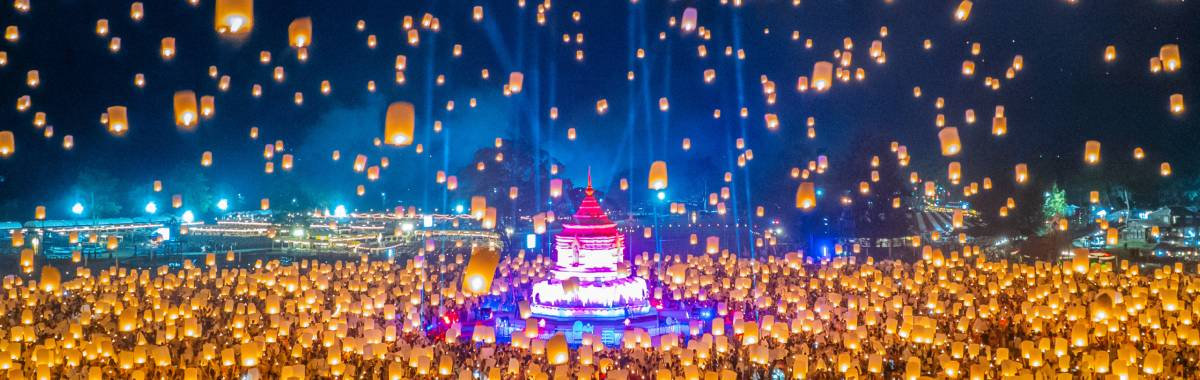
Held annually in northern Thailand, Yi Peng is one of Southeast Asia’s most visually striking cultural events. Rooted in Lanna traditions, the festival takes place during the full moon of the twelfth lunar month, typically aligning with November. While often associated with the better‑known Loy Krathong celebrations across Thailand, Yi Peng maintains its own regional identity, particularly in Chiang Mai.
During Yi Peng, thousands of khom loi lanterns are released into the night sky. Each lantern represents the symbolic release of misfortune and the welcoming of good intentions for the year ahead. Temples, bridges, and rivers throughout Chiang Mai become focal points for ceremonies, parades, and communal gatherings. According to the official Yi Peng Lantern Festival organizers, the event centers on spiritual reflection, merit‑making, and cultural preservation within northern Thai communities.
The appeal of Yi Peng lies not only in its dramatic visuals but also in its atmosphere. The event unfolds at a slower, more reflective pace compared to many large festivals. Monks chant prayers, locals dress in traditional attire, and families gather along riverbanks and temple courtyards. Visitors observe rituals that remain deeply meaningful to residents rather than staged exclusively for tourism.
Couples frequently view Yi Peng as a meaningful shared experience. Watching lanterns rise into the night sky creates a moment of quiet reflection and connection, reinforced by the festival’s spiritual themes.
Inti Raymi – Cusco, Peru
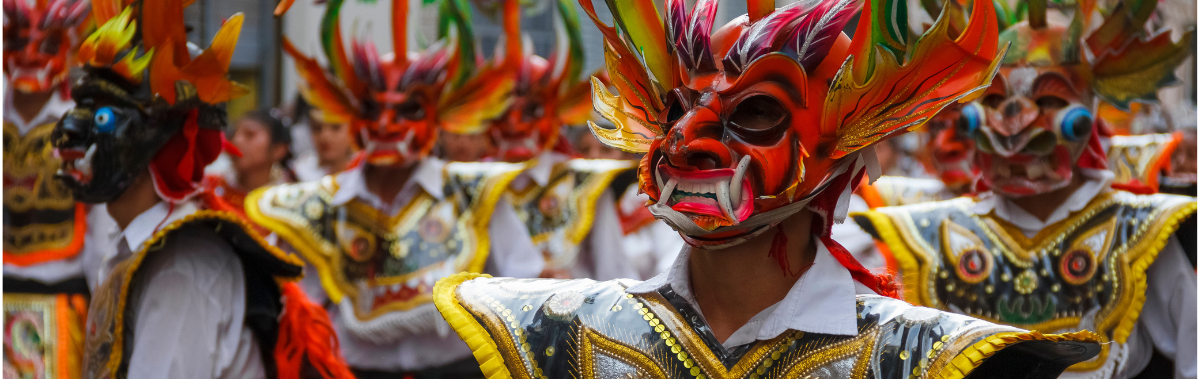
Inti Raymi stands as one of South America’s most historically significant cultural festivals. Celebrated each year on June 24 in Cusco, the event honors Inti, the Incan sun god, and traces its origins back to the Inca Empire. According to PeruRail overview of Inti Raymi, the festival marks the winter solstice in the Southern Hemisphere and symbolizes renewal, gratitude, and connection to the natural world.
The modern reenactment unfolds across several historic sites, beginning at the Temple of the Sun (Qorikancha), continuing through Cusco’s Plaza de Armas, and concluding at the Sacsayhuamán fortress. Actors portraying the Inca emperor, royal court, priests, and soldiers perform ceremonial rituals using the Quechua language, traditional clothing, and symbolic offerings.
Inti Raymi appeals to travelers seeking cultural depth rather than passive sightseeing. The festival blends history, performance, and place, using Cusco’s ancient architecture as a living stage. The scale of the reenactment is large, yet the event retains a sense of reverence tied to its historical roots. Do note that some stages of the festival require payment in advance and the walking travel distance can be lengthy for some travelers.
Solo travelers often value Inti Raymi for its clear structure and public setting. The festival takes place across open venues with designated viewing areas, allowing independent travelers to navigate comfortably while engaging with the event.
Up Helly Aa Fire Festival – Shetland Islands, Scotland
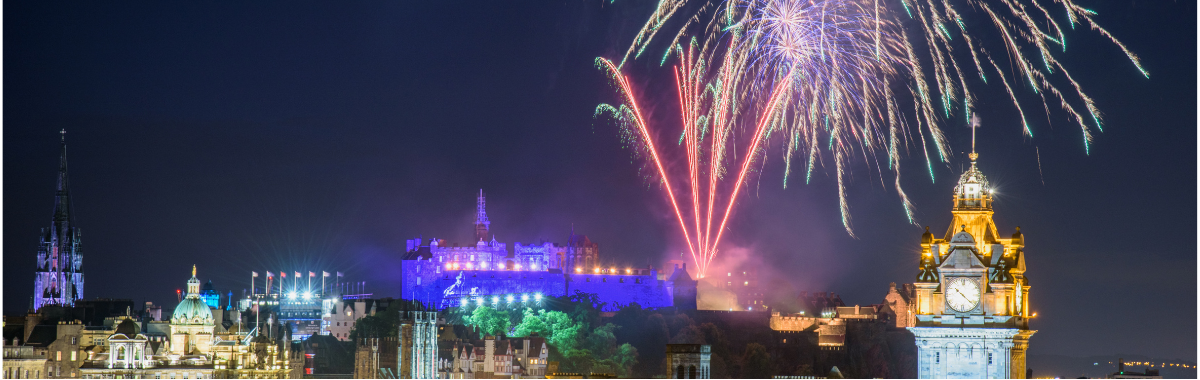
Up Helly Aa offers a striking example of how regional history continues to shape local identity. Held annually during winter in the Shetland Islands, the festival celebrates the area’s Norse heritage through torchlight processions, traditional music, and the ceremonial burning of a Viking longship. Shetland official tourism site, Up Helly Aa festivals take place across multiple communities, with the main event occurring in Lerwick.
The festival unfolds over the course of a day and night, beginning with costumed squads marching through town while carrying flaming torches. The procession culminates in the burning of a hand‑built galley, symbolizing the end of winter and honoring Shetland’s Viking past. Following the outdoor ceremony, private halls host music, dancing, and community gatherings that continue into the night.
Up Helly Aa appeals to travelers drawn to dramatic landscapes, folklore, and living tradition. The Shetland Islands themselves offer rugged coastlines, wildlife viewing, and a strong sense of place that enhances the festival experience.
Families with older children find Up Helly Aa engaging due to its theatrical elements and historical themes. The festival provides a tangible way to explore Norse history beyond textbooks, especially when paired with local museums and heritage sites.
Also Read: Why Travel is so Important for Families, Especially Kids

Dongzhi Festival – China
Dongzhi, or the Winter Solstice Festival, represents one of China’s most enduring seasonal traditions. Celebrated around December 21 or 22, the festival marks the shortest day and longest night of the year. The Chairman’s Bao remarks, Dongzhi centers on themes of balance, family unity, and the gradual return of longer daylight hours.
Rather than a single public spectacle, Dongzhi unfolds within households and communities. Families gather to prepare and eat traditional foods, such as tangyuan in southern China and dumplings in northern regions. These dishes symbolize reunion, harmony, and protection from winter hardships.
Dongzhi appeals to travelers seeking cultural immersion rather than large‑scale events. Observing or participating in family‑centered traditions offers insight into daily life and seasonal rhythms across different regions of China. Markets, temples, and neighborhoods reflect the festival through food preparation, decorations, and quiet observance.
Solo travelers interested in cultural learning often find Dongzhi meaningful due to its intimate nature. Language exchanges, cooking classes, and local homestays provide opportunities to engage with residents during the holiday period.
Also Read: East Asia Travel Tips
Albuquerque International Balloon Fiesta – New Mexico, United States
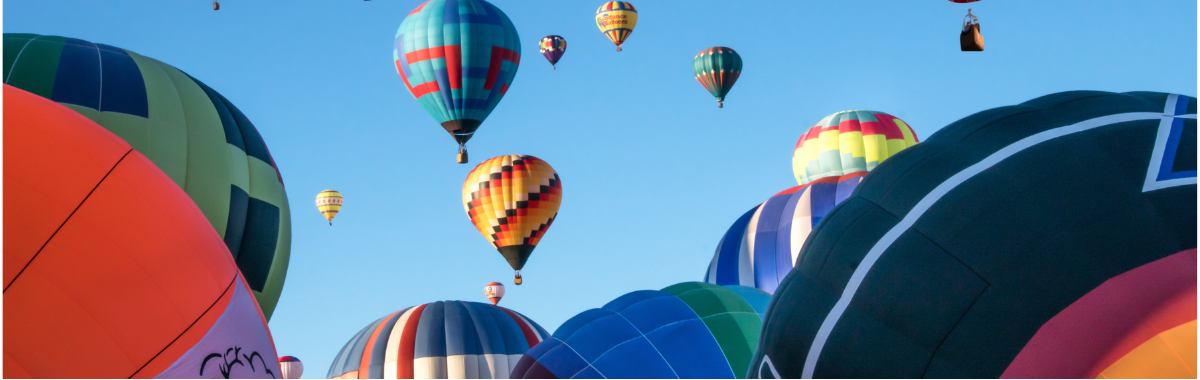
While known within the United States, the Albuquerque International Balloon Fiesta often remains overlooked by international travelers. Held each October in New Mexico, the event is recognized as the world’s largest hot air balloon festival. The official Balloon Fiesta website states that hundreds of balloons take to the sky over multiple days, creating a visually striking display against the Sandia Mountains.
The festival includes mass ascensions, balloon glows, competitions, and cultural programming. Early morning launches and evening events structure the daily schedule, allowing visitors to plan around weather conditions and viewing preferences.
The Albuquerque International Balloon Fiesta appeals to a wide audience due to its accessibility and variety. The event blends spectacle with regional culture, featuring local cuisine, music, and artisan vendors.
Couples frequently plan trips around sunrise ascensions or evening balloon glows, using the festival as a centerpiece for a broader Southwest itinerary that includes Santa Fe, Taos, or regional parks.
Also Read: Romantic Travel Destinations Across the U.S.
Why Festival Travel Appeals to All Types of Travelers
Festival‑centered travel introduces structure without rigidity. Events occur on specific dates, yet travelers retain flexibility in how they engage. Some may choose full immersion, attending every ceremony and performance, while others incorporate festivals into broader itineraries like walking through a main street on the way to another destination.
Festival travel also supports slower, more intentional tourism. Many events encourage respect for local customs, timing, and space, aligning with responsible travel values.
The Role of Travel Protection in Festival‑Focused Trips
Festival travel introduces unique considerations compared to flexible sightseeing trips. Dates are fixed, accommodations fill quickly, and transportation demand increases. Travel protection serves as a practical layer of preparation rather than the focus of the journey.
Trip Cancellation coverage helps address situations where illness, injury, or unforeseen circumstances prevent departure before an event begins. Trip Interruption coverage helps support travelers who need to return home early due to covered reasons and could help recoup additional transportation costs to rejoin the trip.
Travel Delay coverage becomes relevant when weather, transportation disruptions, or operational challenges affect arrival timing per time specified in the selected plan, especially when festivals occur in remote or seasonal destinations.
Emergency Medical and Dental coverage remain important for international travel where a simple accident can be costly not only to your health but also to your wallet.
Travel protection align with the realities of festival travel, where timing, location, and logistics intersect more tightly than on open‑ended itineraries.
Ready to Plan a Festival‑Focused Trip?
Exploring underrated festivals opens the door to meaningful travel experiences rooted in culture, tradition, and community. From lantern‑lit skies in Thailand to ancient solstice ceremonies in Peru, these events offer reasons to travel with intention.
Also Read: Japan’s Must Experience Festivals
Before finalizing plans, consider how travel protection fits into the journey, especially when timing and location matter. A fast and free quote provides insight into options that support festival‑based travel, allowing travelers to focus on the experience ahead.
Travel Resources
See All

10908062604

Average Customer Rating:

Thank you for visiting csatravelprotection.com