Japan’s Must Experience Festivals: A Cultural Guide to Traditions, Celebration, and Seasonal Flavor
Key Takeaways
- Japan’s festival culture spans all seasons, with centuries‑old rituals, regional traditions, and vibrant celebrations that showcase the country’s deep connection to community and spirituality.
- Many of Japan’s most iconic festivals highlight unique customs, from floating lanterns to giant floats, traditional dance, and famous festival street food.
- Travelers visiting Japan during festival season may benefit from travel protection due to unpredictable weather, crowded travel periods, and the possibility of delays or interruptions.
Why Festivals Define the Heart of Japan
Japan’s festivals, or matsuri (pronounced mah-TSU-ree), reveal the cultural, spiritual, and regional identity of the country in a uniquely immersive way. Travelers who take part in even one festival encounter an atmosphere filled with history, music, local food, ritual, and excitement. Many festivals have origins that trace back hundreds, or in some cases over a thousand years, celebrating everything from the change of seasons to the health of a community shrine.
According to the Japan National Tourism Organization (JNTO), major matsuri are held throughout the year across the country, each rooted in Shinto or Buddhist traditions and celebrated with regional customs. InsideJapan Tours also notes that many regions take pride in crafting elaborate floats, costumes, and performances that define their local identity.
For travelers, experiencing a Japanese festival provides unparalleled cultural immersion. From Tokyo’s massive summer festivals to snowy winter traditions in Hokkaido, each celebration introduces a distinct side of the country’s heritage.
Also Read: Travel Protection for Japan
The Rhythm of Japan’s Festival Seasons
Spring: Renewal, Blossoms, and Cultural Awakening
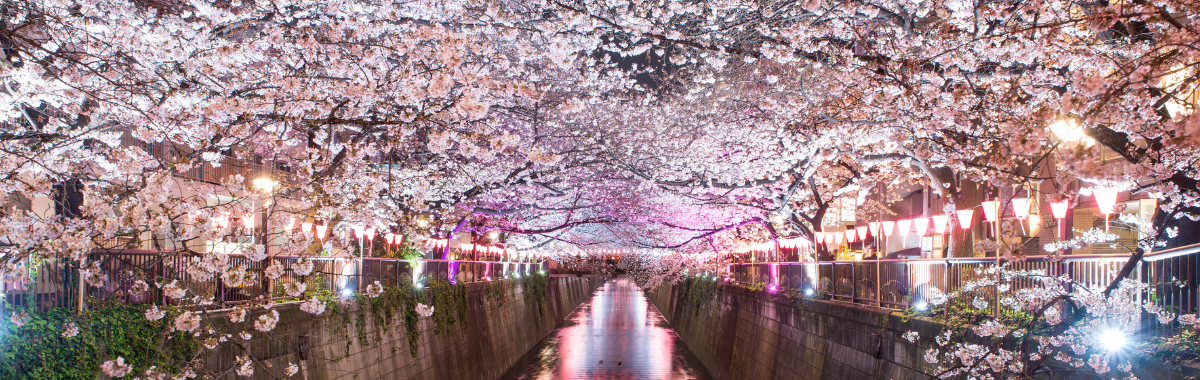
Spring in Japan is synonymous with cherry blossoms, but it is also a season rich with festivals that celebrate renewal. Travelers may witness processions featuring historical costumes, shrine ceremonies, and celebrations linked to agricultural traditions. This time of year is particularly popular with visitors due to its blooming landscapes.
The season also introduces the first major festival events of the year, many of which center on themes of rebirth and the celebration of nature. With warmer weather and national interest in outdoor gatherings, spring matsuri often draw significant crowds.
Also Read: Essential Japanese Phrases for American Travelers
Summer: Japan’s Peak Festival Season
Summer is widely considered the height of Japan’s festival calendar. According to JNTO, July and August feature many of the country’s most famous events, including large‑scale parades, fireworks, and energetic dance festivals.
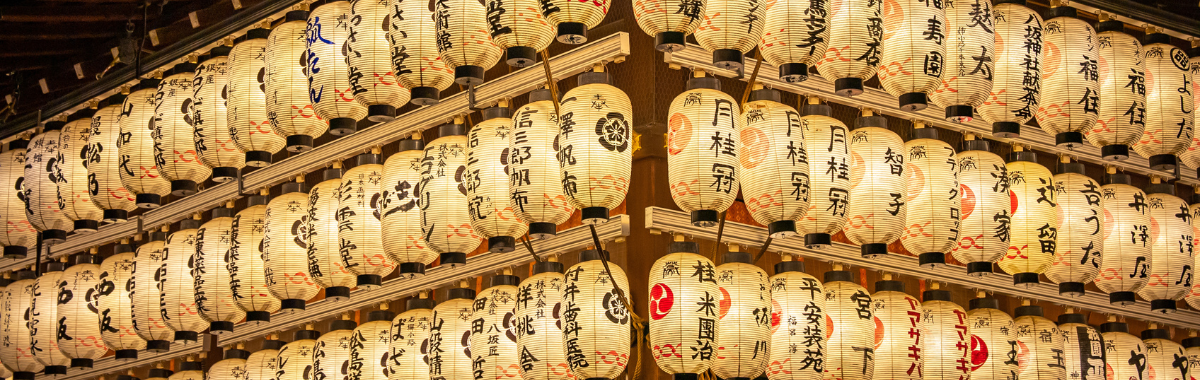
The season’s long daylight hours and warm evenings encourage outdoor celebrations. Travelers will find streets lined with lanterns, food stalls, music, and colorful decorations. Many of Japan’s largest festivals originated as rituals to honor deities, pray for good harvests, or guide ancestral spirits during Obon celebrations.
Autumn: Harvest, Tradition, and Community
Autumn festivals celebrate the bounty of the harvest season. Travelers may witness rice rituals, shrine parades, and community gatherings that reflect gratitude for a successful agricultural year.
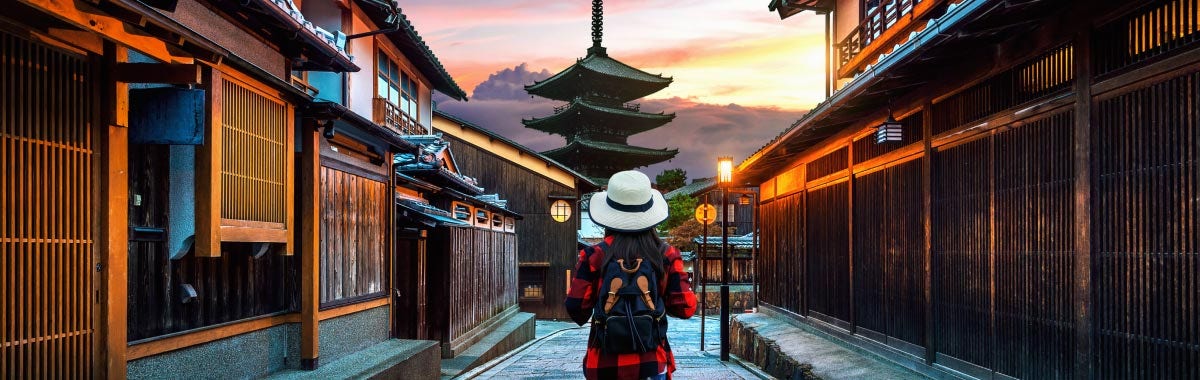
Some regions offer food‑focused celebrations featuring seasonal flavors like chestnuts, mushrooms, and sweet potatoes. The fall foliage adds an atmospheric backdrop to traditional festivities, and many towns hold events in historic districts that highlight their cultural heritage.
Also Read: Top International Destinations for Breathtaking Fall Colors
Winter: Snow Illuminations and Ancient Rituals
Winter festivals in Japan combine spirituality with atmospheric scenery. Hokkaido and northern regions host illuminated snow events, while shrines across the country hold rituals to welcome the new year. Many winter festivals maintain traditions that date back centuries, emphasizing purification, prayer, and celebration during the coldest months.
Winter matsuri tend to be less crowded than summer events, but they are often among the most visually striking due to lanterns, snow sculptures, and nighttime ceremonies.
Also Read: How Winter Travel Protection Can Help During Travel
Top Festivals in Japan: Destinations, Experiences, and Traditions
The following list highlights some of Japan’s most celebrated and culturally significant festivals. These events are known for their popularity as well as rich cultural traditions.
Gion Matsuri (Kyoto)
Gion Matsuri is widely recognized as Japan’s most famous festival. Held in Kyoto every July, it dates back more than 1,100 years. According to InsideJapan Tours, this festival originated as a purification ritual to protect the city from disease and natural disasters.
Visitors travel from around the world to witness the elaborate yamaboko floats towering structures crafted with tapestries, woodwork, and artistry that reflects centuries of craftsmanship. The festival includes float processions, traditional music, and lantern‑lit streets.
Travelers exploring Kyoto during festival season may find a variety of street foods such as yakitori (grilled skewers), takoyaki (octopus balls), and kakigori (shaved ice), which offer a refreshing treat during hot July weather.
Awa Odori (Tokushima)
Awa Odori is Japan’s most famous dance festival, held every August in Tokushima. According to official tourism sources, over a million visitors attend this energetic celebration each year.
Dancers wearing traditional yukata move through the streets in stylized steps, accompanied by shamisen, drums, and flutes. Many groups rehearse year‑round, and travelers are often encouraged to join the dancing.
Festival food stalls frequently offer savory options such as yakisoba (fried noodles) or sweet snacks like taiyaki (fish‑shaped cakes filled with red bean).
Nebuta Matsuri (Aomori)
Nebuta Matsuri, held in Aomori every August, features massive illuminated floats depicting warriors, mythological figures, or dramatic scenes. Oomi Travel emphasizes that these floats are works of art, constructed over months by local teams.
The floats are paraded through the city accompanied by dancers known as haneto, who encourage onlookers to join in. The brilliant colors and dynamic movements give this festival an electric feel.
Typical foods offered include grilled scallops, local seafood bowls, and festival classics such as karaage (fried chicken).
Sapporo Snow Festival (Hokkaido)
One of Japan’s best-known winter experiences, the Sapporo Snow Festival showcases enormous snow and ice sculptures. More than two million people visit Sapporo each February to experience this event.
The festival includes illuminated ice structures, slides, and winter markets. The atmosphere is festive yet serene, particularly in the evening when sculptures glow against the snow.
Visitors often enjoy warming dishes such as miso ramen, one of Sapporo’s iconic foods, or hot amazake, a sweet fermented drink.
Kanda Matsuri (Tokyo)
Kanda Matsuri is one of Tokyo’s three major festivals. Held in odd‑numbered years (with the next one being held in 2027), it features parades of portable shrines, musicians, dancers, and horseback riders. This festival celebrates prosperity and good fortune, with origins dating back to the Edo period.
Festival treats often include taiyaki, grilled corn, and dango (sweet mochi on skewers).
Takayama Matsuri (Gifu Prefecture)
Takayama Matsuri, held in spring and autumn, is considered one of Japan’s most beautiful festivals due to its ornate floats and preserved historic district. Local artisans design mechanical marionettes that perform on the floats, showcasing craftsmanship passed down through generations.
Travelers exploring Takayama also enjoy the town’s famous beef dishes and regional sweets like mitarashi dango.
Hakata Gion Yamakasa (Fukuoka)
This July festival features teams racing through the streets carrying towering festival floats with each float being over 10 meters tall each. The Parade is also passes in front of the Fukuoka Asian Art Museum.
Visitors witness impressive teamwork, tradition, and competitive spirit. After the races, travelers enjoy regional specialties like Hakata ramen.
Obon Festivals (Nationwide)
Obon is a Buddhist tradition honoring ancestral spirits. Celebrated in August in most regions, it features lanterns, dance festivals (Bon Odori), and ceremonies that guide spirits home.
Travelers experience warm, communal gatherings, often accompanied by seasonal foods such as sōmen noodles or festival sweets.
The Flavor of Matsuri: Foods That Define the Experience
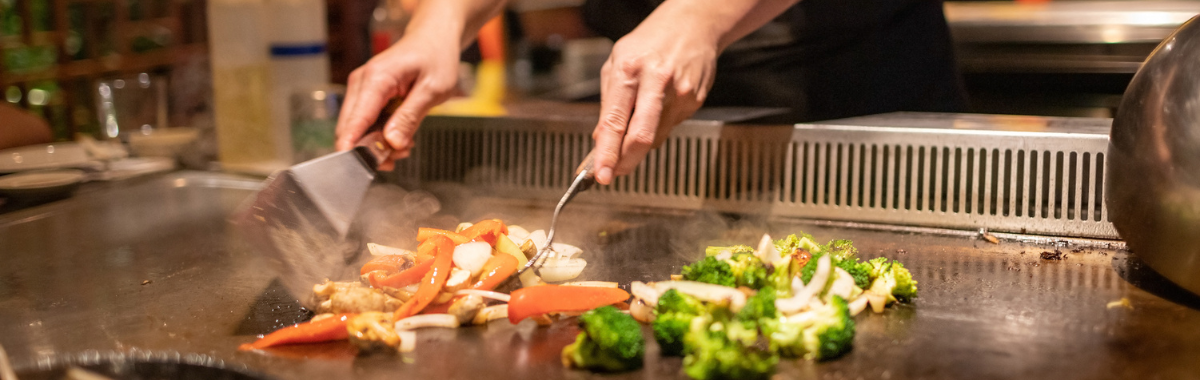
Festival food reflects local tastes, cultural history, and regional specialties. The atmosphere of wandering through lantern‑lit streets and sampling snacks from traditional food stalls is a defining part of the experience.
As we mentioned briefly before, Japan has a wide range of festival foods commonly associated with these events. Some of the most iconic include:
- Takoyaki – Fried octopus balls popular in Osaka and nationwide
- Yakisoba – Savory fried noodles often served at summer matsuri
- Taiyaki – Fish‑shaped cakes filled with red bean or custard
- Okonomiyaki – Savory pancakes with regional differences
- Kakigori – Shaved ice topped with syrup, ideal for hot summer festivals
- Karaage – Fried chicken, widely available at festival stalls
- Dango – Sweet mochi skewers, often found at spring and autumn events
These foods not only provide a taste of Japanese culture but also differ by region, allowing travelers to experience distinct flavors at each location.
A Light Touch of Travel Protection for Festival Travelers
Festival travel is exciting but may involve busy peak seasons, weather variability, crowded transportation, and high demand for accommodations. Japan’s festivals especially those in summer and winter draw significant attendance, increasing the chance of unexpected schedule changes.
Travelers may find that travel protection supports flexibility during high‑traffic periods. If a traveler experiences unexpected delays or interruptions due to covered reasons, travel protection is designed to offer assistance.
Plans include coverages and services such as:
Trip Cancellation, Trip Interruption, Travel Delay, and 24/7 Emergency Assistance Services.
Travelers attending winter festivals such as the Sapporo Snow Festival might also note that winter weather sometimes affects transportation schedules.
When travelers choose a plan, they should review the specific state plan document details, including the covered reasons. Travel protection is especially helpful for trips planned around fixed dates, like festivals where a missed day can mean missing the experience entirely.
Japan’s Festivals Offer an Immersive Cultural Journey
Japan’s festival landscape provides travelers with a direct connection to regional identity, historical tradition, artistry, and vibrant seasonal celebration. Whether exploring lantern‑lit summer nights, the quiet glow of winter illuminations, or spring and autumn celebrations rooted in centuries of heritage, visitors gain insight into cultural values that shape communities across the country.
With thoughtful planning and travel protection to support unexpected changes, travelers are free to focus on the richness of these experiences capturing the food, music, atmosphere, and unforgettable traditions that define Japan’s matsuri.
For travelers ready to explore Japan’s festival culture, get a fast and free quote today.
Travel Resources
See All

10872502603

Average Customer Rating:

Thank you for visiting csatravelprotection.com