Why Travel Protection Is Ideal for Trips to Remote Destinations
Key Takeaways
- Remote destinations often offer incredible experiences, but they may also involve limited medical care, transportation interruptions, communication challenges, and weather-related delays.
- Travel protection, that includes both travel insurance and assistance services, provides travelers with access to support resources when unexpected events affect a trip far from major cities and infrastructure.
- Emergency Evacuation benefits and 24/7 Travel Assistance may play an especially important role when traveling to isolated locations such as Alaska, Antarctica, Patagonia, the Galápagos Islands, and African safari regions.
When you're exploring some of the world's most remote destinations, help may not be just around the corner. Understanding the challenges of remote travel and planning ahead can help travelers focus on the adventure instead of the what-ifs.
Remote destinations continue to attract travelers seeking extraordinary experiences. From witnessing glaciers in Alaska and trekking through Patagonia to spotting wildlife on an African safari or sailing among the icebergs of Antarctica, these journeys often rank among life's most memorable adventures.
Yet many travelers spend months researching activities, accommodations, and packing lists while overlooking one important part of trip preparation: travel protection.
The realities of remote travel differ significantly from a typical vacation to a large city or popular beach destination. Medical facilities may be hours away. Transportation options might be limited. Severe weather could impact travel schedules for days. Communication networks may not always be reliable. Because of these factors, travel protection becomes an important consideration for travelers venturing far beyond traditional tourism infrastructure.

What Qualifies as a Remote Destination?
A remote destination is generally any location where access to transportation, medical facilities, communication networks, or support resources is limited compared to major cities and tourism centers.
Remote travel does not necessarily mean traveling to an uninhabited location. Many popular destinations around the world fall into this category because services are spread out or difficult to access.
Examples include:
- Alaska wilderness regions
- Patagonia in Argentina and Chile
- African safari destinations
- The Galápagos Islands
- Antarctica
- Arctic expeditions
- Remote Pacific islands
- National parks with limited infrastructure
- Mountain trekking destinations
- Cruise itineraries visiting isolated ports
According to the Centers for Disease Control and Prevention (CDC), adventure travel frequently takes place in remote locations where medical care may be limited, weather conditions may change unexpectedly, and communication systems may be unreliable. These factors contribute to the unique planning requirements associated with remote travel.
Travelers often accept these tradeoffs because the reward is access to extraordinary landscapes, wildlife encounters, and experiences that are difficult to find elsewhere.

Why More Travelers Are Choosing Remote Adventures
Many travelers today are prioritizing unique experiences over traditional vacation itineraries.
Instead of crowded tourist attractions, travelers are seeking:
- Wildlife viewing opportunities
- Small-ship expedition cruises
- National park exploration
- Cultural immersion experiences
- Hiking and trekking adventures
- Off-the-grid destinations
- Remote island visits
Bucket-list destinations often fall into the remote travel category because their natural beauty has remained largely untouched by large-scale development.
The Galápagos Islands, for example, attract visitors eager to observe wildlife in a protected ecosystem. Antarctica appeals to travelers seeking dramatic polar landscapes. African safaris provide opportunities to witness animals in their natural habitats.
These experiences frequently require specialized transportation, smaller tourism infrastructures, and travel routes far from major population centers.
As a result, unexpected situations may become more complicated to manage than they would be in urban destinations.

Common Risks Associated With Remote Travel
Every trip involves some level of unpredictability. The difference with remote destinations is that solving travel problems often takes more time and coordination.
Limited Medical Facilities
One of the most significant considerations in remote travel is access to healthcare.
The CDC advises travelers heading to remote locations to think carefully about how they would access healthcare if an illness or injury occurs.
Even minor medical situations may become more complex when the nearest advanced medical facility is located hundreds of miles away.
For example:
- A traveler hiking in Alaska may need transportation from a remote area before receiving specialized care.
- A safari participant in East Africa could be several hours from a major hospital.
- An Antarctica expedition traveler may be thousands of miles from traditional healthcare infrastructure.
Planning ahead helps travelers understand available resources and support options before departure.
Transportation Disruptions
Remote destinations often depend on limited transportation networks.
Unlike major cities where alternative flights, trains, or buses may be readily available, travelers in remote areas often have fewer options.
Disruptions may involve:
- Weather-related flight cancellations
- Ferry delays
- Cruise itinerary changes
- Airport closures
- Missed connections
- Limited replacement transportation
A delayed flight into a remote region may have a ripple effect throughout an itinerary.
For example:
- Missing a charter flight to a safari lodge.
- Missing a cruise embarkation.
- Missing a guided trekking departure.
- Missing a small regional flight with only occasional service.
When transportation options are limited, logistical support becomes especially valuable.
Weather-Related Delays
Mother Nature often dictates travel schedules in remote regions.
Travelers visiting destinations such as Antarctica, Alaska, Patagonia, or Arctic regions may encounter rapidly changing weather conditions.
Weather events may affect:
- Flights
- Ferry schedules
- Cruise itineraries
- Excursion departures
- Overland transportation
Patagonia is famous for strong winds and changing weather patterns. Alaska's wilderness regions frequently experience weather-related operational delays. Antarctica expeditions rely heavily on favorable conditions for landings and route planning.
Because these destinations are shaped by nature, flexibility is an important part of trip planning.
Also Read: Weather Tools Travelers Should Check Before Traveling
Lost or Delayed Baggage
Baggage issues occur throughout the travel industry, but they present unique challenges in remote destinations.
Replacing lost items may be difficult when travelers are located far from major shopping centers or transportation hubs.
This becomes particularly important when luggage contains:
- Cold-weather gear
- Hiking equipment
- Specialty clothing
- Prescription medications
- Photography equipment
A traveler headed to Antarctica, for example, may not have easy access to replacement gear shortly before embarkation.

Why Medical Evacuation Matters in Remote Areas
Medical evacuation is one of the most important considerations for travelers visiting isolated destinations. Emergency medical transportation may be necessary if a traveler needs treatment unavailable at their immediate location.
The CDC specifically recommends considering medical evacuation coverage when traveling to remote destinations or locations where medical care may not meet a traveler's expectations.
Medical evacuation may involve transportation from:
- Remote wilderness areas
- Small islands
- Expedition cruise vessels
- Mountain regions
- Rural international destinations
The logistics involved in these situations can be extensive.
In highly remote areas, reaching advanced medical facilities may involve multiple transportation stages before treatment is available.
Learn More About: Medical Evacuation and Repatriation
Remote Destination Spotlight: Alaska
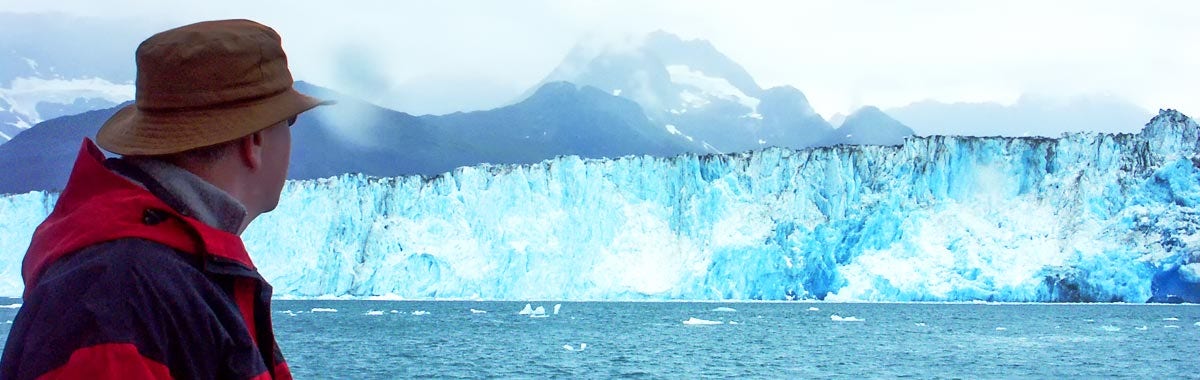
Alaska remains one of the most popular remote travel destinations in North America.
Visitors are drawn by:
- Glacier viewing
- Wildlife encounters
- National parks
- Scenic rail journeys
- Adventure activities
- Small expedition cruises
While parts of Alaska are easily accessible, many attractions lie far from major population centers.
Travelers planning cruises, wilderness lodges, fishing excursions, or backcountry adventures often consider travel insurance with assistance services for Alaska as part of their trip preparations.
Also Read: What to Pack for an Alaskan Cruise and the Best Ports to See
Remote Destination Spotlight: Patagonia
Patagonia's dramatic landscapes make it a dream destination for outdoor enthusiasts.
Located across southern Argentina and Chile, Patagonia features:
- Mountains
- Glaciers
- National parks
- Remote hiking trails
- Scenic wilderness areas
Visitors often spend significant time outdoors, moving between regions connected by buses, small aircraft, or long-distance transportation networks.
Weather changes quickly throughout the area. Strong winds, seasonal weather conditions, and long travel distances may impact schedules.
Also Read: Argentina Travel Guide
Remote Destination Spotlight: African Safaris
Few travel experiences compare to seeing wildlife in its natural environment across Africa's renowned safari regions.
Popular safari destinations include:
- Kenya
- Tanzania
- Botswana
- Namibia
- South Africa
- Zambia
Safari lodges are frequently located within protected wilderness areas designed to preserve ecosystems and wildlife habitats.
Medical assistance is available throughout many safari regions, but travelers should understand that advanced facilities may be located hours away.
Travel protection resources are frequently considered by travelers planning safari experiences because of these logistical realities.
Also Read: Top Safari Destinations Worldwide
Remote Destination Spotlight: The Galápagos Islands
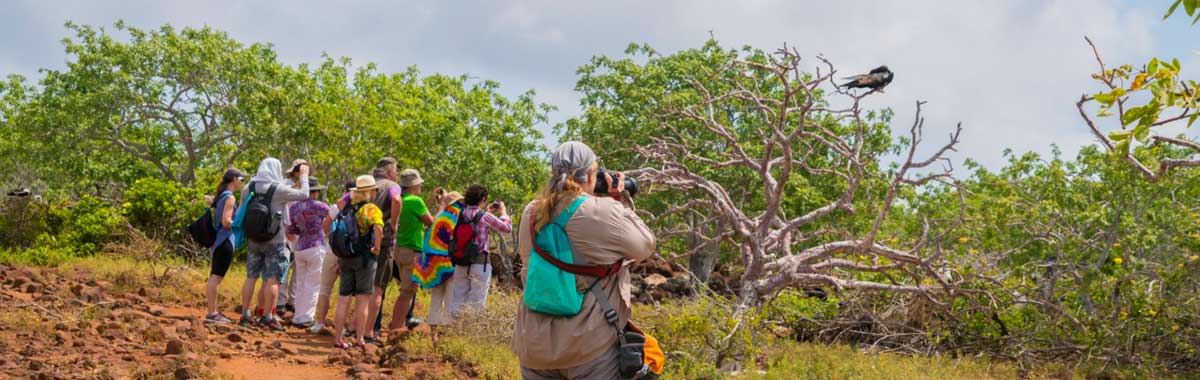
The Galápagos Islands offer one of the world's most unique wildlife experiences.
Located roughly 600 miles off Ecuador's coast, the islands provide opportunities to observe remarkable ecosystems and species found nowhere else.
The archipelago's geographic isolation contributes to its appeal while simultaneously creating logistical considerations.
Travelers should prepare for:
- Limited transportation options
- Weather-related schedule adjustments
- Island-specific infrastructure limitations
For many travelers, the Galápagos represents a once-in-a-lifetime trip, making thoughtful travel planning especially important.
Also Read: What You Need to Know (and Pack) for Visiting the Galápagos
Remote Destination Spotlight: Antarctica
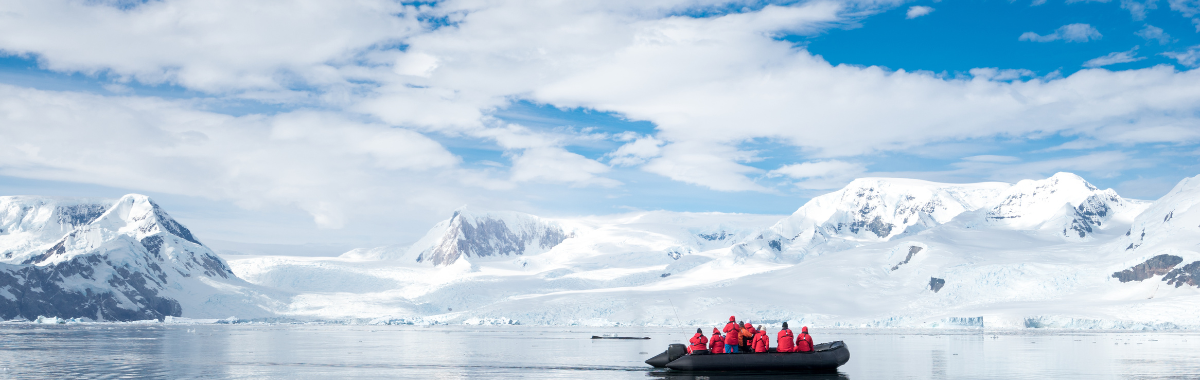
Antarctica is perhaps the ultimate remote destination.
The International Association of Antarctica Tour Operators (IAATO) highlights Antarctica as one of the world's most remote environments and emphasizes operational planning and safety considerations for visitors.
Travel to Antarctica requires extensive logistical coordination.
Unlike many other destinations, travelers are often far from hospitals, airports, and traditional emergency services. Weather conditions can heavily influence itineraries, landings, and transportation schedules.
Also Read: Arctic Travel Guide
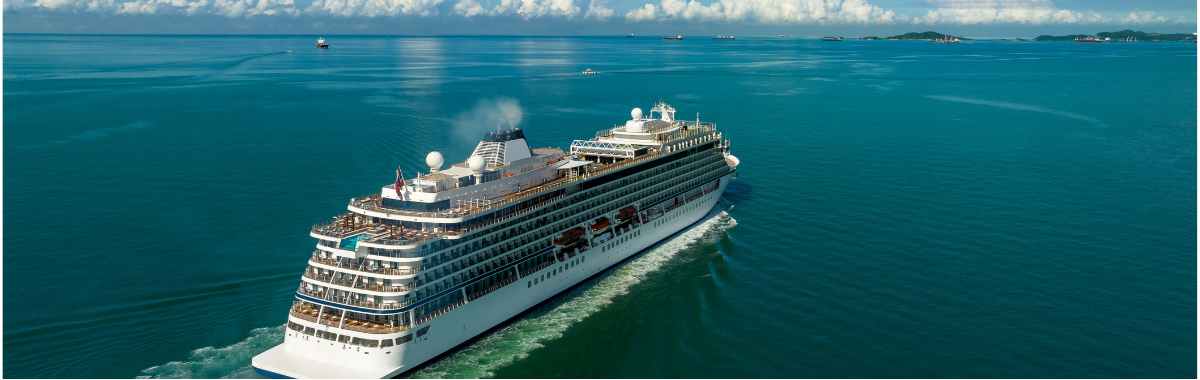
Remote Cruise Destinations Present Unique Challenges
Cruise itineraries increasingly include remote ports that provide access to extraordinary destinations.
While cruises offer their own onboard support systems, remote itineraries create unique logistical situations.
Travelers should understand how itinerary changes, weather conditions, and transportation disruptions might affect their overall travel plans.
The CDC notes that travelers taking cruises often consider specialized travel protection because onboard medical care and unexpected disruptions generate different considerations than land-based travel.
The Role of 24/7 Travel Assistance
Travel protection is about more than insurance benefits.
Many travelers value access to Travel Assistance resources when navigating unexpected situations away from home.
24/7 Travel Assistance may help travelers access information and support during travel disruptions.
Depending on the service offering, assistance resources may include support related to:
- Medical referrals
- Emergency travel arrangements
- Lost travel documents
- Emergency communications
- Travel information
- Coordination support during disruptions
When travelers are dealing with challenges in unfamiliar destinations, having a centralized point of contact may simplify next steps.
This is particularly relevant in remote destinations where local resources may be difficult to identify independently.
Practical Travel Planning Tips Before Departure
Research Local Medical Resources
Before traveling, identify:
- Local clinics
- Hospitals
- Emergency contact numbers
- Available pharmacies
Understanding nearby resources helps travelers make informed decisions during their trip.
Review Travel Advisories
The U.S. Department of State recommends reviewing destination-specific travel information and advisories before international travel.
Conditions may change due to:
- Weather events
- Natural disasters
- Infrastructure disruptions
- Regional developments
Staying informed is a valuable part of pre-trip planning.
Also Read: Understanding U.S. Department of State Travel Advisories
Build Flexibility Into Your Schedule
Remote destinations frequently operate on nature's timetable.
Adding extra time between key travel components may reduce complications caused by delays.
This approach is particularly useful for:
- Expedition cruises
- Safari departures
- Multi-flight itineraries
- Guided trekking programs
Carry Essential Items in Hand Luggage
Whenever possible, keep the following items with you:
- Prescription medications
- Travel documents
- Identification
- Electronics
- Essential clothing items
This strategy may help minimize disruption if checked baggage is delayed.
Understand Communication Options
Research internet and cellular availability before departure.
Travelers visiting especially remote areas may consider:
- Satellite communication devices
- Offline maps
- Downloaded travel documents
- Backup contact information
Preparation supports better decision-making even when connectivity is limited.
Compare Travel Protection Plans Carefully
Not all trips have identical needs.
A traveler visiting a major metropolitan area may have different priorities than someone embarking on an Antarctic expedition or African safari.
When comparing travel protection plans, travelers often review:
- Trip-related benefits
- Medical-related benefits
- Emergency Evacuation benefits
- Travel Assistance offerings
- Destination-specific considerations
- Covered activities
Reviewing options before departure helps travelers choose a plan aligned with their itinerary.

Confidence Through Preparation
Remote destinations capture the imagination because they offer something increasingly rare: the opportunity to experience extraordinary places far removed from everyday life.
Whether exploring Alaska's wilderness, hiking Patagonia's trails, visiting the Galápagos Islands, witnessing wildlife on an African safari, or setting foot in Antarctica, preparation plays an important role in the travel experience.
The farther travelers venture from traditional infrastructure, the more valuable access to support resources may become when unexpected disruptions occur.
Comparing travel protection plans before departure is one of the easiest ways to prepare for remote travel. Get a fast free quote for travel insurance and assistance services designed to help support travelers before, during, and after a trip, and get a fast and free quote before the next adventure begins.
Frequently Asked Questions
Is travel insurance for remote destinations different from standard travel coverage?
Remote destinations often involve unique considerations such as limited medical facilities, longer transportation times, weather-related disruptions, and Emergency Evacuation needs. Travelers should review plan details carefully to understand which benefits and services align with their itinerary.
Why is medical evacuation important when visiting remote locations?
Remote areas may not offer access to advanced medical facilities nearby. Emergency Evacuation benefits may help address transportation needs when a traveler requires care unavailable at their current location.
What destinations are considered remote for travel planning purposes?
Examples include Alaska, Patagonia, African safari regions, the Galápagos Islands, Antarctica, Arctic areas, remote islands, wilderness lodges, and expedition cruise destinations.
What are Travel Assistance services?
Travel Assistance services provide access to support resources that help travelers navigate unexpected situations during a trip. Depending on the service offering, assistance may include medical referrals, travel support, emergency communications, and other travel-related resources.
When should travelers purchase travel protection for a remote trip?
Many travelers compare travel protection options soon after making trip arrangements. Reviewing plans early provides more time to understand available benefits, limitations, and assistance offerings prior to departure.
Travel Resources
See All

12256642607

Average Customer Rating:

Thank you for visiting csatravelprotection.com