Visiting the Galápagos: What You Need to Know (and Pack)
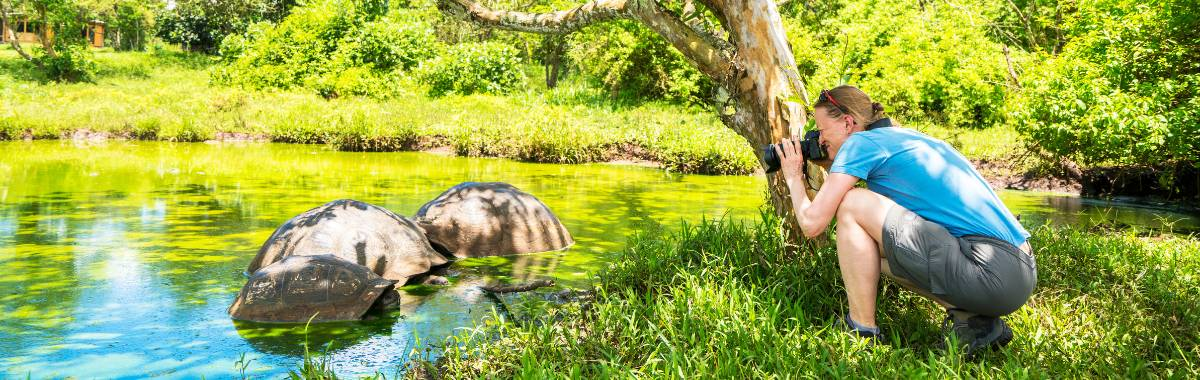
Regardless of whether travelers are drawn to the Galápagos by the giant tortoisesor the whimsically named birds or the countless NatGeo articles, more and more travelers visit the Galápagos every year.
This has led Ecuador to make travel to the Galápagos as lucrative as possible for the country … and, you know, putting a little aside for the blue-footed boobies, because they’ve earned it.
No one should begrudge Ecuador these surcharges. Much of the revenue has gone toward improving the infrastructure around the Galápagos, and the forms help Ecuador ward off potential damage to this fragile ecosystem.
But the bottom line is it’s a bit of a process for U.S. travelers to visit the Galápagos.
Here’s what you need to know if you’re thinking of visiting the Galápagos.

How should U.S. travelers prep for visiting the Galápagos?
U.S. travelers to the Galápagos need the following:
- Passport: Your passport has to be valid for at least six months beyond your travel dates. The Ecuadorians may not care, but U.S. Customs and Border Patrol does.
- Visa: U.S. citizens do not need a visa to enter Ecuador or the Galápagos for tourism stays of up to 90 days within a 12-month period. If you plan to stay longer than 90 days, you’ll need to apply for a visa through the Ecuadorian consulate.
- Travel Insurance: Travel medical insurance is mandatory, which is your reminder that the travel protection plans with travel assistance services from Generali Global Assistance Global Assistance include coverage for covered medical emergencies and emergency medical evacuation.
- Round-trip flight: You need proof of a round-trip flight to the islands. No one-waying it so you can spend more time with the frigatebirds.
- Accommodation reservations: You also need proof of lodging and tour reservations. Many tours depart from Baltra, and it’s a five-minute bus ride from the Baltra airport and most hotels to the dock.
- Biosafety declaration: You must complete the Galápagos Biosafety Sworn Declaration within 48 hours of your flight – ideally as soon as you have reliable internet. You’ll need the QR code, so store it in a recallable location.
- Transit Control Card (TCT): You sign up for a TCT ($20) online or at the airport before you leave for the islands.
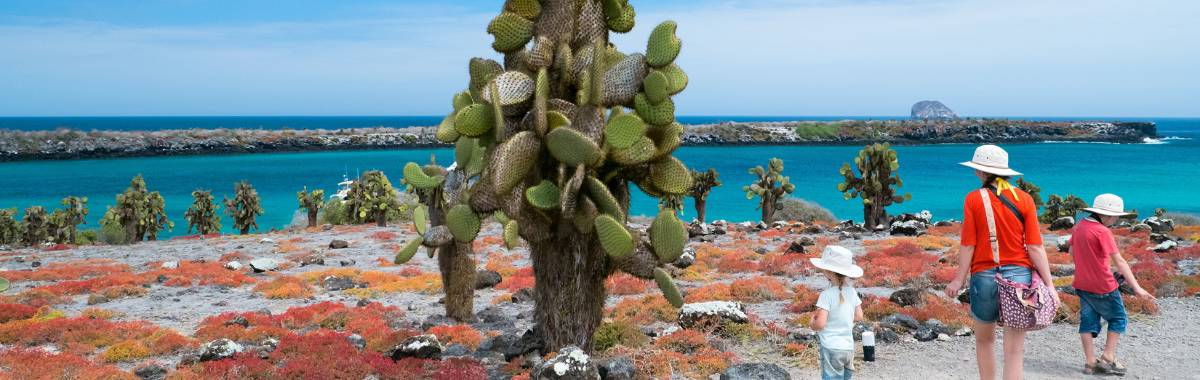
What Should Tourists Expect When They Visit The Galápagos?
U.S. tourists should expect the following:
- Pre-Registration/TCT: You’ll need to complete pre-registration and present your Transit Control Card (TCT) along with your passport as part of the entry process.
- Biosecurity Check: Depending on where you’re staying, your luggage will likely be checked for prohibited items like fruits, seeds and invasive species.
- Biosafety QR Code: You’ll have to show the biosecurity officials your Biosafety Declaration QR code.
- Park Entrance Fee: You’ll need to pay the Galápagos National Park entrance fee. As of 2025, the fee is $200 USD (cash) for international visitors over 12 years old and $100 USD for children under 12.
Also read: Ultimate Ecuador Travel Guide

What’s The Best Way For U.S. Travelers To Plan A Trip To The Galápagos?
The best way for U.S. travelers to plan a trip to the Galápagos is to have someone else plan a trip to the Galápagos for them.
DIY travel, or minimally assisted travel, is trending right now. Everyone wants to book online, or make their own arrangements to avoid fees that may or may not exist. But in doing so, they often make mistakes.
Among the common mistakes U.S. travelers make when they book vacations to the Galápagos are:
- They don’t use reputable tour operators.
- They spend too much time on non-essential travel and too little time on the islands.
- They book trips that don’t show them what they want to see.
- They pay too much in general.
The best ways of avoiding these mistakes are:
- Make a list of what you want to see in the Galápagos, down to the last bird, insect, and reptile.
- Work with a trusted travel professional who has booked multiple trips to the islands and knows the lay of the (volcanic) land.
- Give them a budget to work with, understanding that name-brand travel can be very pricey.
Also Read: AI for Travel: How to Plan a Trip and Enhance Your Experience
Beyond that, what do travelers to the Galápagos need to know?
Flights
The most common way to reach the Galápagos is to fly from the United States to Quito, and then from Quito to Baltra Island via LATAM or Avianca. As mentioned earlier, it’s typically a five-minute bus ride from the Baltra airport to the docks, with many nearby hotels offering easy access.
Cruises
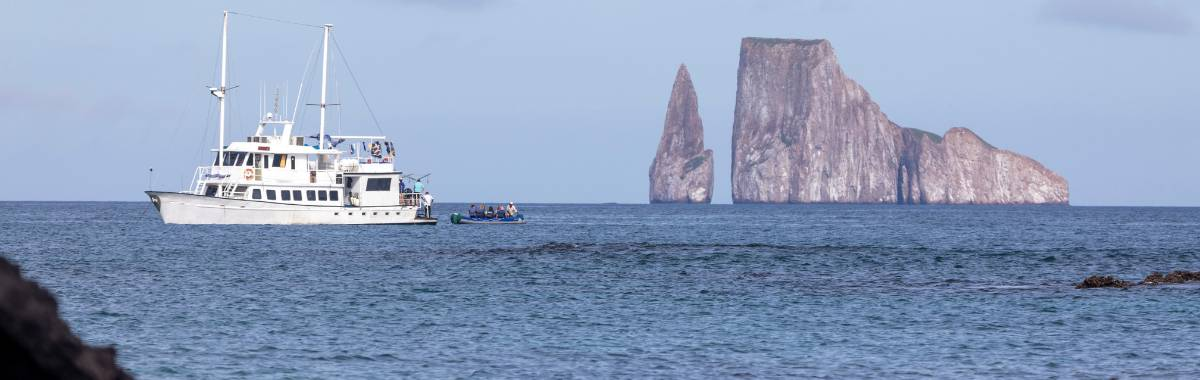
All Galápagos cruises begin and end within the Galápagos Islands. If you were thinking you could cruise there from Corpus Christi, that’s a big nope.
However, there’s a fair amount of variety in Galápagos cruises.
While Baltra is the most common departure point, cruises also leave from Puerto Ayora on Santa Cruz and Puerto Baquerizo Moreno on San Cristobal Island. You get to Puerto Ayora via Baltra; you can catch flights from Quito or Guayaquil to San Cristóbal.
Somewhere along the line you have to choose a route for your cruise. In general, your choices are:
- Eastern route: Lots of frigatebirds and boobies, older islands, sea lions, some excellent snorkeling areas.
- Western route: Features Galápagos penguins, giant tortoises, marine iguanas, newer volcanic islands, and dramatic lava landscapes. You may also spot humpback whales during the right season.
- Central and combination routes: Blend highlights from both east and west, often including Santa Cruz Island, the Charles Darwin Research Station, and a mix of iconic wildlife and landscapes.
It’s tough to go wrong with whatever you choose, but note: The central and combination routes tend to be longer (and more expensive) cruises.
Shoes
You’ll need high-quality footwear designed for walking over volcanic rock, wading in and out of water, and navigating the islands’ rugged terrain. This means a ventilated hiking boot or a high-end, rugged-soled water shoe.
Don’t scrimp here. Don’t think a pair of flip-flops or your everyday sneakers are going to make it here, because the Galápagos islands are known for their lack of human presence.
Sun Hat
You’re going to be out in the open with an equatorial sun beating on you in hot humid weather. Even a baseball cap is not good enough.
Don’t scrimp. The best hats are meant to protect you from intense sun, so you’re in luck, because that’s what you’re going to be getting.
Sunscreen/Sunglasses
Sunscreen is vital to protect your skin from burns and harmful damage. No one likes the feeling of the sun cooking their skin.
Lightweight Clothing
By lightweight we mean so light that you think you’re wearing a potato chip – and not one of those kettle-cooked jobs, either.
High-tech featherlight, long-sleeved shirts are the pick here, with shorts down below.
The clothes you wear for a 14-day Galápagos cruise can be balled up in your hand. You really don’t need much.
Now that you know how to get to the Galápagos and how to get around, all that’s left is to book your trip … and get some of that travel protection with assistance services from Generali Global Assistance.
There’s a Generali Global Assistance plan just right for your Galápagos cruise. And getting a quote can help you achieve peace of mind.
Travel Resources
See All

8456512510

Average Customer Rating:

Thank you for visiting csatravelprotection.com