Travel Booking Red Flags That May Signal a Need for Travel Protection

Key Takeaways
- Certain booking decisions quietly shift financial and logistical risk onto travelers before a trip even begins.
- Non‑refundable reservations, extreme weather, and complex itineraries increase exposure to disruption.
- Travel protection is designed to step in when red flags turn into real‑world travel problems.
Planning a trip often starts with excitement and optimism. Flights are selected, accommodations are reserved, and itineraries begin to take shape. During this early planning phase, however, certain warning signs can appear. These red flags are not indicators that travelers should avoid a destination or cancel plans. Instead, they highlight situations where travelers may face higher exposure to disruption, unexpected expenses, or logistical challenges once travel is underway.
These are red flags that signal a potential need for travel protection. When non‑refundable bookings, tight connections, complex itineraries, or external factors such as weather or labor disruptions are involved, travel protection is designed to help address gaps left by airlines, hotels, tour operators, and credit card benefits—if all plan conditions are met.
When Trip Costs are Non‑Refundable
One of the most common red flags appears at checkout. Discounted flights, prepaid hotels, bundled vacation packages, and advance tour reservations frequently come with strict non‑refundability clauses. These bookings may lower upfront costs, but they also transfer nearly all financial risk to the traveler.
Why it’s a red flag:
- Non‑refundable bookings leave no margin for error.
- Even minor disruptions can result in total loss of prepaid costs
- Refunds, when offered, may be limited to credits rather than returned funds
How can travel protection help cover non-refundable travel costs?
Travel protection addresses this risk by helping reimburse eligible prepaid, non‑refundable trip costs when a covered reason prevents travel or interrupts a trip already in progress.
Booking Budget or Lesser‑Known Airlines
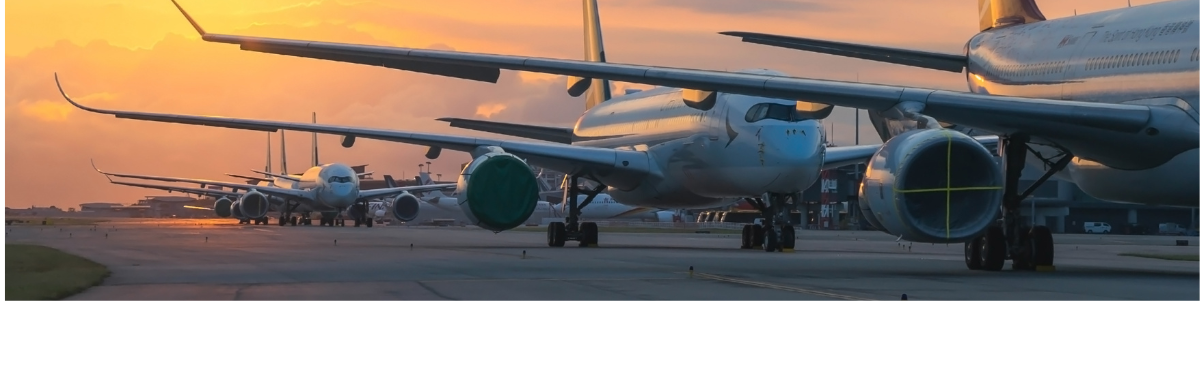
Lower fares are appealing, particularly for long‑haul or multi‑leg itineraries. Budget airlines and unfamiliar carriers often advertise prices that significantly undercut major airlines, but those savings sometimes come with operational trade‑offs that are not obvious during booking.
Reduced staffing, limited customer support channels, fewer rebooking options, and stricter policies around schedule changes may create complications when flights are delayed or canceled. In some cases, travelers discover that assistance desks are understaffed or that replacement flights are not readily available.
When disruptions occur, passengers are left being responsible for arranging and paying for alternative transportation, meals, or lodging while waiting for resolution. Reimbursement policies vary widely and may require extensive documentation or long processing timelines.
Generali Global Assistance travel protection plans play a key role in these situations by providing Travel Delay and Trip Interruption coverage that is designed to help offset additional expenses caused by covered delays.

Traveling During Hurricane or Severe Weather Season
Seasonal weather patterns influence pricing and availability in many popular destinations. Tropical regions, coastal areas, and certain international destinations experience predictable periods of increased storm activity and hurricane. While not every trip during these seasons is affected, the probability of disruption is higher.
Severe weather can lead to flight cancellations, airport closures, cruise itinerary changes, and mandatory evacuations. Even when storms do not directly hit a destination, ripple effects often cause delays across broader travel networks.
Travel Protection helps travelers when severe weather arrives by offering Trip Cancellations, Trip Delays, Emergency Assistance & Transportation, and more.
Travel protection purchased after a storm is named will not cover claims related to that specific storm, so buying coverage when you make your first trip payment helps provide the best protection.
Also Read: Weather Tools Travelers Should Check Before Traveling

Traveling With Expensive or Specialized Gear
Not all luggage is created equal. Travelers carrying professional, creative, or recreational equipment face a different level of exposure than those packing only clothing and toiletries. Cameras, laptops, audio equipment, sporting gear, and medical devices are expensive, difficult to replace while abroad, and have extreme sentiment.
Airlines typically limit liability for lost, stolen, or damaged baggage, and certain high‑value or specialized items—such as golf clubs, skis, bicycles, or other sporting equipment—may be excluded entirely from standard reimbursement plans or subject to strict sub‑limits. Even when compensation is available, payout limits may be significantly lower than actual repair or replacement costs. Although our Preferred and Premium Plans provide coverage for lost, stolen, or damage to your equipment during your covered trip starting at $1,500 for our Preferred plan and $2,000 for our Premium plan.
Damage or loss of essential equipment can also disrupt the purpose of a trip. A photographer without camera gear, a musician without instruments, or a person suffering from sleep apnea may be forced to abandon planned activities or return home early.

Remote, Multi‑Country, or Logistically Complex Trips
Some trips involve far more coordination than a simple flight and hotel stay. Cruises, escorted tours, adventure travel, backpacking, and multi‑country itineraries rely on precise timing and coordination among multiple service providers. Each additional moving part introduces another potential failure point.
When disruptions occur in remote areas or unfamiliar regions, solutions are often limited and costly. Medical facilities may be distant, transportation options may be restricted, lodging may be filled, and language barriers may complicate communication.
Generali Global Assistance’s travel protection plans provide a layer of support across these scenarios. Emergency Assistance & Transportation can help coordinate care, transportation, and communication during urgent situations, while insurance benefits help reimburse eligible expenses when plans unravel far from home.
Why These Red Flags Matter More Than Ever
Travel has become more interconnected and time‑sensitive. Booking platforms make it easy to assemble complex itineraries in minutes, but they also fragment responsibility across multiple providers. When something goes wrong, travelers are left navigating fine print and customer service queues on their own.
Red flags do not mean a trip is poorly planned. They signal that the margin for error is smaller and that the financial consequences of disruption are higher. Recognizing these warning signs allows travelers to make informed decisions about protecting their investment.
Travel protection is not about predicting problems. It is about preparing for realistic scenarios that occur every day across the global travel system as well as helping to provide peace of mind to travelers.
When Travel Protection Plays a Supporting Role
Situations like these are what travel protection was designed for. Not by preventing disruptions, but by helping travelers navigate them when plans change unexpectedly.
Depending on the plan selected and when coverage is purchased, travel protection is designed to help by:
- Reimbursing eligible prepaid, non-refundable trip costs if a covered reason prevents travel or interrupts a trip
- Offsetting certain additional expenses caused by covered delays or missed connections
- Helping reimburse for damaged or lost personal belongings and specialized equipment, subject to plan limits
- Providing access to Emergency Assistance & Transportation support during covered medical or logistical emergencies
When airlines, hotels, or tour operators are unable to resolve issues directly, travel protection may help address certain financial and logistical challenges that arise, provided all plan conditions are met.

Every trip involves risk, but some trips carry more exposure than others. Non‑refundable bookings, storm‑season travel, tight schedules, unfamiliar carriers, expensive gear, and complex itineraries all increase the stakes.
Recognizing these red flags is not about avoiding travel. It is about traveling smarter and helping protect the time, money, and effort invested in a trip.
Get a fast and free travel protection quote today and explore coverage options designed for the realities of modern travel.
Travel Resources
See All

10908062604

Average Customer Rating:

Thank you for visiting csatravelprotection.com