Exotic Animals Around the World: A Journey Through Wildlife and Destinations

Key Takeaways
- Exotic animals provide a powerful way to experience global destinations through nature, culture, and travel exploration.
- Each featured country offers structured, safe environments such as sanctuaries, reserves, and guided parks for responsible wildlife viewing.
- Building a travel itinerary around wildlife includes destination planning, structured tours, and travel protection considerations.
Exotic animals shape the identity of destinations across the globe, offering travelers meaningful opportunities to connect with nature while exploring new cultures. From remote islands to dense jungles and open savannas, wildlife experiences add depth to international travel.
Each animal highlighted below is tied to a specific country, with insights into both the species and the destination itself. In addition, each region includes safe and responsible locations where travelers may observe these animals in controlled or protected environments.
This approach supports informed trip planning while encouraging responsible wildlife tourism practices.
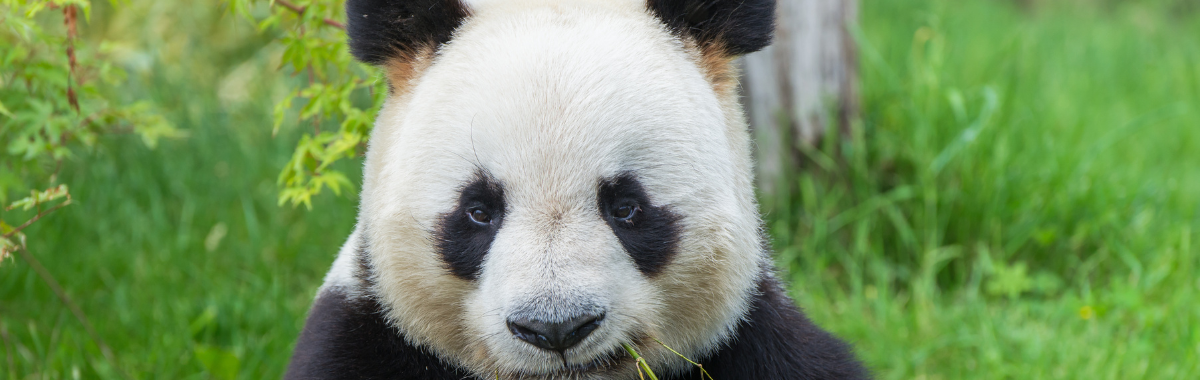
Giant Pandas — China
The giant panda stands out with its distinctive black-and-white fur and calm demeanor. It spends much of its time consuming bamboo, requiring significant daily intake due to its low nutritional value. Conservation programs have played a key role in stabilizing panda populations.
China offers immersive travel opportunities centered around panda conservation, particularly in Sichuan Province. Visitors often explore regions known for lush mountain scenery and structured wildlife programs.
Popular travel experiences include exploring Chengdu’s cultural attractions, traditional cuisine, and historic landmarks.
Where to safely view them: Travelers often visit the Chengdu Research Base of Giant Panda Breeding, a well-known conservation center designed for safe and ethical viewing.
Also Read: Essential Mandarin Phrases for American Travelers

Lemurs — Madagascar
Lemurs are unique primates found only in Madagascar, known for their large eyes and wide variety of species. They play an important role in maintaining forest ecosystems through seed dispersal. Many species face habitat loss, placing conservation at the forefront.
Madagascar is a biodiversity hotspot with dramatic landscapes ranging from rainforests to baobab-lined plains. Travelers seeking nature-focused experiences explore national parks and guided wildlife tours.
The destination also features remote beaches and adventure-based travel opportunities.
Where to safely view them: Andasibe-Mantadia National Park offers guided tours where lemurs are observed responsibly in protected habitats.

Kangaroos — Australia
Kangaroos are marsupials recognized for their powerful hind legs and unique method of movement through hopping. They adapt well to various environments, from open grasslands to semi-arid regions. Kangaroos typically live in social groups, providing opportunities for observation in the wild.
Australia provides diverse travel experiences, including urban exploration and expansive natural landscapes. Travelers frequently encounter kangaroos outside major cities in protected areas.
Coastal drives, national parks, and marine activities make Australia a multi-dimensional destination.
Where to safely view them: Kangaroo Island and wildlife sanctuaries such as Currumbin Wildlife Sanctuary offer structured viewing experiences.
Also Read: Travel Protection for Australia
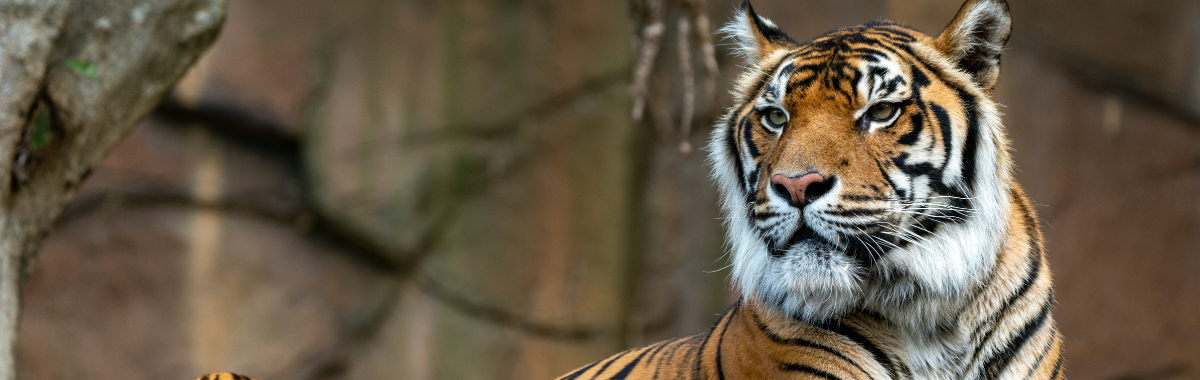
Bengal Tigers — India
The Bengal tiger is one of the most recognizable big cats, known for its strength and striking striped coat. As apex predators, tigers help maintain ecological balance within forest environments. Conservation initiatives have supported population recovery efforts.
India’s wildlife tourism includes protected reserves offering guided safaris. These structured experiences allow travelers to observe wildlife while maintaining safety and environmental standards.
Cultural and historical landmarks complement wildlife-focused travel throughout the country.
Where to safely view them: Ranthambore National Park and Bandhavgarh National Park offer regulated safari experiences led by trained guides.
Sloths — Costa Rica
Sloths are slow-moving mammals adapted to life in the treetops. Their low-energy lifestyle aligns with a leaf-based diet, and they often remain camouflaged within forest canopies. Sloths also contribute to biodiversity through their role in ecological systems.
Costa Rica has positioned itself as a leading eco-tourism destination. Rainforests, guided tours, and protected parks provide travelers access to diverse wildlife.
Outdoor activities such as hiking and zip-lining complement wildlife exploration.
Where to safely view them: Manuel Antonio National Park and reputable wildlife sanctuaries provide responsible viewing opportunities.
Also Read: Costa Rica Travel Protection
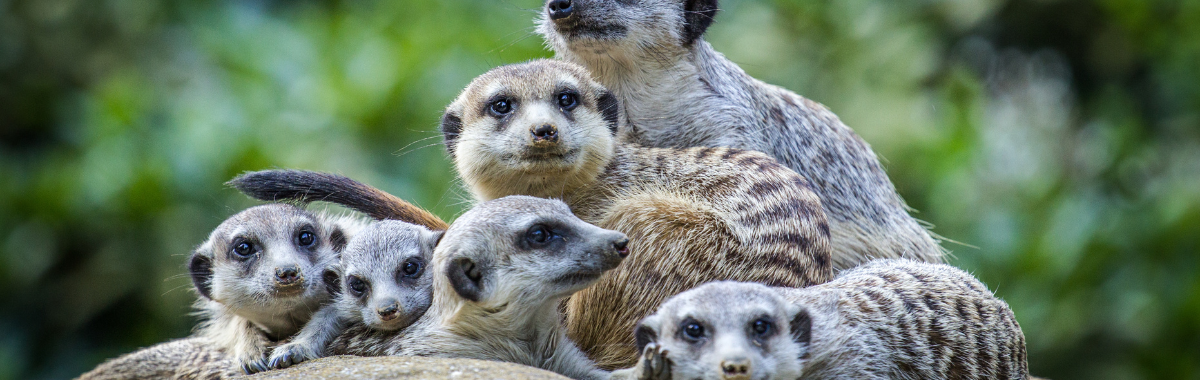
Meerkats — Botswana
Meerkats are small mammals known for their upright posture and highly social behavior. They rely on group coordination to watch for predators and survive in arid environments. Their cooperative nature makes them especially engaging to observe.
Botswana offers high-quality safari experiences, especially in regions like the Okavango Delta. Wildlife encounters are guided and structured for safety and preservation.
Travelers often stay in lodges or camps designed to minimize environmental impact.
Where to safely view them: The Makgadikgadi Pans region features guided meerkat encounters with experienced trackers.
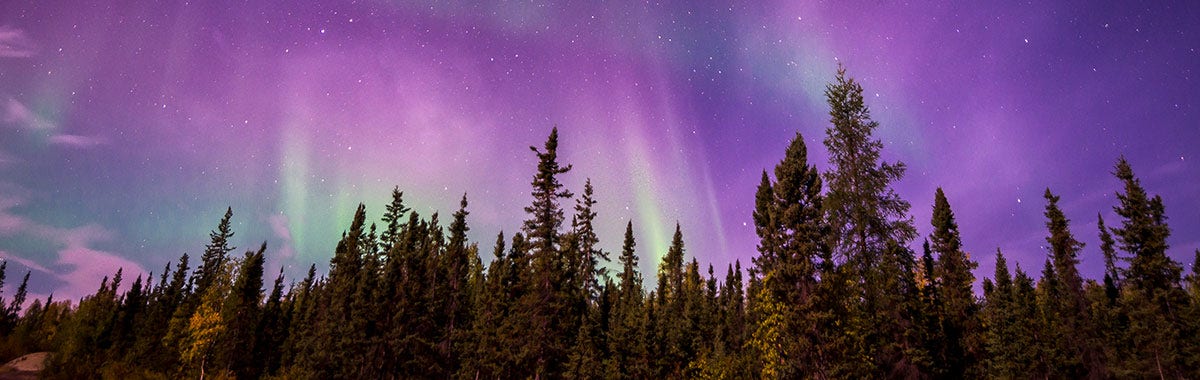
Polar Bears — Canada
Polar bears are well adapted to Arctic conditions, with thick fur and strong swimming abilities. They rely on sea ice for hunting and travel, making them closely tied to climate conditions. Their presence reflects delicate environmental balance.
Canada provides some of the best opportunities for polar bear observation. Remote regions offer structured tours designed for safety and minimal disturbance.
The country features expansive natural landscapes and outdoor adventure opportunities.
Where to safely view them: Churchill, Manitoba offers guided tundra tours specifically designed for polar bear viewing.
Also Read: Top 10 Places to Visit in Canada and Tips for American Travelers

Komodo Dragons — Indonesia
Komodo dragons are the largest lizards on Earth, known for their size and predatory behavior. They inhabit a limited number of islands, making them a rare and unique species. Their environment reflects the rugged nature of island ecosystems.
Indonesia’s travel appeal includes both land and marine experiences. National parks, islands, and cultural destinations provide varied travel opportunities.
Travelers often combine wildlife exploration with coastal and diving excursions.
Where to safely view them: Komodo National Park offers structured ranger-led tours that prioritize safety.
Also Read: The Ultimate Guide to Indonesia
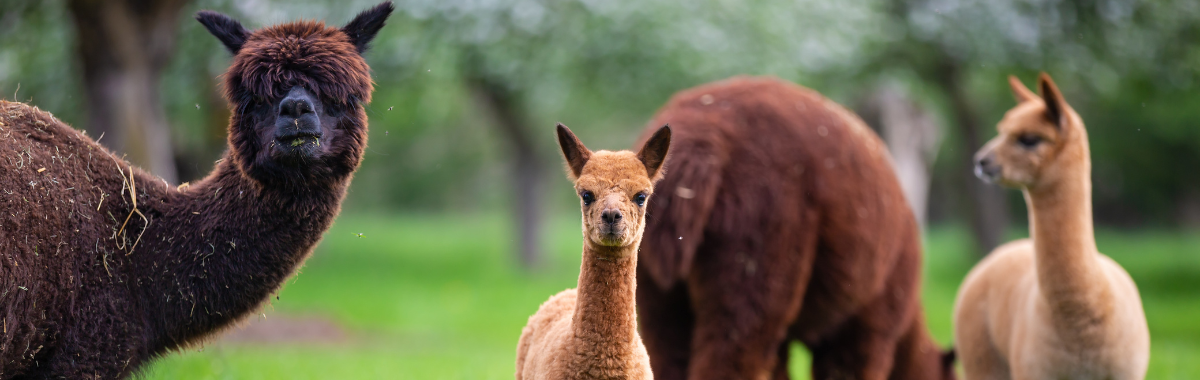
Alpacas — Peru
Alpacas are domesticated animals valued for their soft wool and adaptability to high-altitude climates. They play an important role in local economies and Andean culture. Their gentle temperament makes them approachable and widely recognized.
Peru blends cultural history with scenic landscapes. Travelers often explore mountain regions, historic sites, and traditional communities.
Experiences often include both outdoor exploration and cultural immersion.
Where to safely view them: Sacred Valley farms and ethical alpaca sanctuaries near Cusco provide safe and interactive experiences.
Blue-Footed Boobies — Ecuador (Galápagos Islands)
Blue-footed boobies are seabirds known for their bright blue feet and distinctive mating displays. They are a key species within the Galápagos ecosystem. Their behavior offers insight into evolutionary adaptation.
The Galápagos Islands are known for strict conservation practices. Guided tours are carefully managed to protect wildlife while allowing access for travelers.
Ecuador’s mainland also offers additional cultural and natural experiences.
Where to safely view them: Guided excursions within the Galápagos National Park provide regulated and responsible viewing.
Travel Planning Considerations for Wildlife Destinations
Wildlife travel introduces unique planning requirements compared to standard trips. Many destinations require guided tours, permits, or access through conservation programs.
Key considerations include:
- Entry requirements for protected areas
- Seasonal wildlife activity
- Availability of certified guides
- Transportation logistics to remote regions
Each destination requires careful coordination to align travel expectations with available experiences.
Why Travel Protection Matters for Wildlife-Focused Trips
International travel involving remote wildlife destinations introduces variables that affect itineraries. Flight disruptions, medical needs, or unexpected changes impact carefully planned trips.
Travel protection plans include:
- Trip Interruption
- Emergency Assistance and Transportation
- Medical and Dental Coverage
These benefits support travelers navigating unfamiliar environments and complex travel logistics.
Responsible Travel and Wildlife Conservation
Responsible tourism plays an important role in protecting ecosystems and wildlife populations. Structured tourism programs are designed to minimize disruption to natural habitats.
Best practices include:
- Keeping a safe distance from animals
- Following guide instructions
- Choosing licensed operators
These actions support conservation efforts and long-term sustainability.
Exotic Animal Ecotourism
Exploring exotic animals across the globe offers travelers a deeper connection to both nature and culture. Each destination featured provides unique experiences that extend beyond wildlife, including landscapes, traditions, and local attractions.
Safe and responsible wildlife viewing remains central to these experiences, with structured environments such as sanctuaries and national parks supporting both conservation and tourism. Careful planning paired with travel protection contributes to a more prepared and informed travel experience.
Also Read: The Best Countries to Visit for Breathtaking Ecotourism

Get Started with Travel Protection
Preparing for international wildlife travel involves more than selecting destinations. A travel protection plan supports travelers navigating unexpected changes, helping maintain focus on the journey ahead.
Get a fast and free quote today to begin planning a wildlife-focused trip with confidence.
Frequently Asked Questions
What is the best way to safely view exotic animals while traveling?
Structured environments such as national parks, sanctuaries, and guided tours provide safe and responsible ways to observe wildlife.
Are wildlife sanctuaries better than zoos for travelers?
Sanctuaries often focus on rehabilitation and conservation, while accredited zoos provide controlled environments. Both offer safe viewing when managed responsibly.
When is the best time to plan wildlife travel?
Timing depends on species behavior, migration patterns, and climate conditions within each destination.
Why is travel protection important for remote wildlife destinations?
Remote travel introduces logistical challenges, including transportation disruptions and limited medical access, making travel protection an important consideration.
Travel Resources
See All

10872502607

Average Customer Rating:

Thank you for visiting csatravelprotection.com