Best Places to Visit in Canada: Top 10 Destinations and Tips for American Travelers

Updated on June 17, 2025

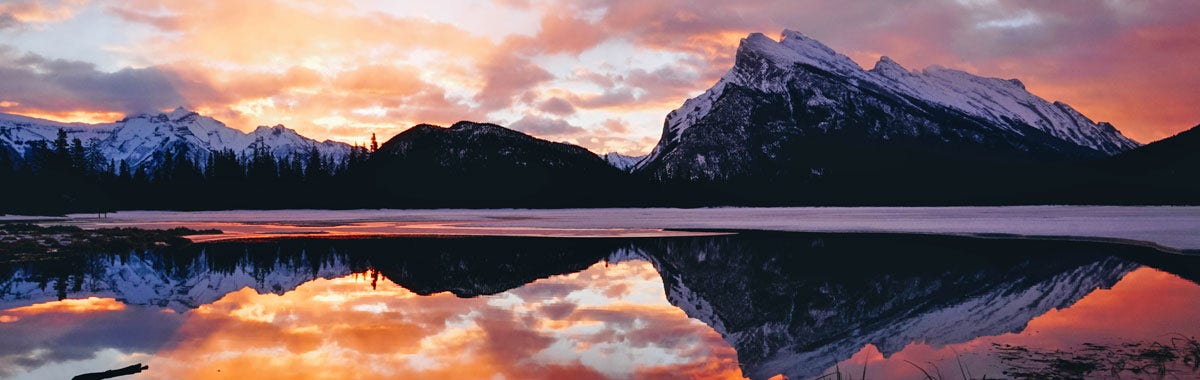
Banff National Park, a popular place to visit in Canada

Key Takeaways

  • Banff National Park is the top destination for first-time visitors to Canada, offering Lake Louise, mountain scenery, and well-developed visitor services in the Canadian Rockies.
  • Toronto provides the easiest trip for American travelers with extensive flight access, familiar infrastructure, and simple add-ons like Niagara Falls.
  • Yellowknife is the best destination for Northern Lights viewing, with optimal aurora conditions from November through March.
  • U.S. citizens generally need a valid passport to enter Canada, and travel insurance may help cover emergency medical expenses since U.S. health insurance policies often do not provide coverage abroad.


Canada offers mountain parks, major cities, coastal wildlife, and easy road trip itineraries, so the best place to visit depends on what kind of trip you want. Below, we ranked these destinations for iconic scenery, accessibility for U.S. travelers, variety, and the best time to visit across the Canadian Rockies, major cities, and other national parks in Canada.

How to Choose the Best Place to Visit in Canada

For First-Time Visitors

Banff is the easiest default pick if you want a classic Canada trip with mountain scenery, lake views, and well-developed visitor services in one place.

For Families

Toronto works well for families who want a simple city break with major attractions, easy flights, and the option to add Niagara Falls to the same trip.

For Food-Focused Trips

Montreal stands out for restaurants, cafes, markets, and neighborhood culture, while Quebec City adds a more historic and French-influenced atmosphere.

For Winter Trips

Whistler is a strong choice for skiing and snow-focused vacations, and Yellowknife is the standout if seeing the aurora borealis is your main goal.

For Nature Trips

Banff, Jasper, Vancouver Island, and Kelowna are strong options if you want trails, wildlife, water views, or a scenic road trip through western Canada.

Top 10 Best Places to Visit in Canada

1. Banff National Park & Lake Louise, Alberta

Why go: Banff is one of the best default pick for first-time visitors because it brings together alpine scenery, walkable town services, and some of the best-known landscapes in the Canadian Rockies. Lake Louise, nearby hiking trails, and year-round activities make it one of the easiest national parks in Canada to plan around.

Best for: First-time visitors, couples, families, and anyone planning a mountain road trip.

Top thing to do: Pair Lake Louise with the Banff Gondola, then build in time for the Icefields Parkway if you want a signature Rockies scenic drive between Banff and Jasper. In winter, Banff and Lake Louise draw skiers, while warmer months are popular for hiking, horseback riding, outdoor swimming, and lake views.

Best time to visit: Summer and early fall for hiking and scenic drives, or winter for skiing and snow-covered lake views.

2. Jasper National Park and the Icefields Parkway, Alberta

Why go: Jasper offers a quieter Rockies experience with big views, abundant wildlife, and excellent access to Athabasca Falls and other mountain stops. It works especially well for travelers who want nature first and lighter crowds than Banff.

Best for: Nature lovers, photographers, and travelers building a western Canada itinerary around the parks.

Top thing to do: Drive the Icefields Parkway for one of the most memorable stretches of road in the country, then stop at Athabasca Falls and nearby viewpoints for a classic scenic drive itinerary.

Best time to visit: Summer through early fall for roads and hiking access.

3. Montreal, Quebec

Why go: Montreal blends food, museums, historic architecture, and an easy urban layout that feels distinct from major U.S. cities.  It may be a stronger choice than Toronto for travelers whose priorities include culture, restaurants, and neighborhood atmosphere.

Best for: Food-focused trips, arts and culture travel, and a short Montreal weekend getaway.

Top thing to do: Visit Notre-Dame, spend time at the Montreal Botanical Gardens, and add the Montreal Museum of Fine Arts for a well-rounded city day.

Best time to visit: Late spring through fall for festivals, outdoor dining, and walkable neighborhoods.

Montreal, Canada

4. Vancouver Island, British Columbia

Why go: Vancouver gives you an easy gateway to Vancouver Island, which is one of the best coastal and wildlife-focused trips in Canada. The island combines Victoria, Tofino, whale watching, gardens, and ocean scenery in a way that feels very different from the Rockies or eastern cities.

Best for: Coastal scenery, wildlife trips, and travelers who want to mix a city arrival with island time.

Top thing to do: Arrive through Vancouver, continue to Victoria for gardens and city walks, then head toward Tofino for whale watching and rugged beaches. Vancouver Island's garden highlights include Victoria Butterfly Gardens and The Butchart Gardens.

Best time to visit: Late spring through early fall for wildlife viewing, coastal drives, and ferry travel.

5. Quebec City, Quebec

Why go: Quebec City offers one of the most historic urban settings in North America, with fortified streets, river views, and a more old-world atmosphere than Montreal.

Best for: Historic city breaks, romantic trips, and travelers who want a compact destination with strong cultural identity.

Top thing to do: Walk through Old Quebec, spend time around Place Royale, and explore the riverfront to get the full feel of the city.

Best time to visit: Summer and early fall for walking tours, or winter for seasonal lights and a snowy old-town setting.

6. Niagara Falls, Ontario

Why go: Niagara Falls remains one of Canada's most recognizable attractions, and it is easy to combine with Toronto for a short, high-impact itinerary.

Best for: First-time visitors, landmark-focused trips, and families.

Top thing to do: View the falls from multiple lookout points, then explore the surrounding park area if you want more than a quick photo stop.

Best time to visit: Late spring through early fall for the fullest sightseeing experience.

7. Whistler, British Columbia

Why go: Whistler is one of the best-known resort destinations in Canada, with strong appeal in both ski season and summer hiking season.

Best for: Winter sports, mountain villages, and active trips from British Columbia's coast.

Top thing to do: Plan around skiing and snowboarding in winter, or hiking and alpine sightseeing in summer.

Best time to visit: Winter for skiing, or summer for hiking and mountain activities.


8. Halifax, Nova Scotia

Why go: Halifax offers a coastal-city alternative to Canada's larger urban centers, with easy waterfront access and a strong maritime feel.

Best for: East Coast trips, coastal scenery, and travelers who want a slower-paced city stop.

Top thing to do: Visit Peggy's Point lighthouse, then add a walk through the Halifax Public Gardens or time in Point Pleasant Park.

Best time to visit: Summer through early fall for milder weather and coastal views.

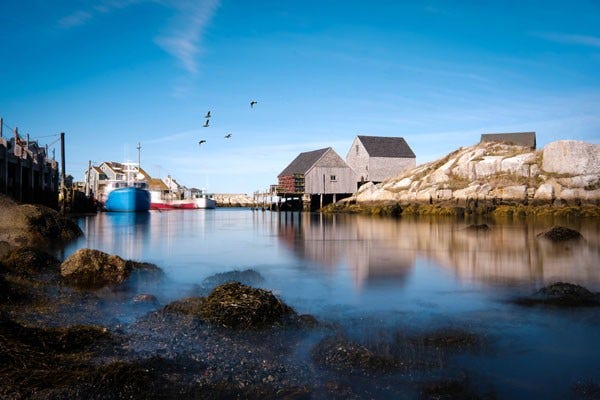
Peggy's Cove, a small rural community in Nova Scotia's Halifax Regional Municipality

9. Toronto, Ontario


Why go: Toronto is one of the easiest Canadian city breaks for Americans thanks to its large airport, familiar urban layout, and mix of sports, food, and family attractions. It is the better choice over Montreal if you want convenience, direct flights, and a base for a broader Ontario trip.

Best for: Easy trips, family travel, and travelers who want a major city with flexible add-on options.

Top thing to do: Spend time at St. Lawrence Market, catch a game at Rogers Centre, and, if your schedule allows, pair the city with Niagara Falls or a longer Ontario road trip toward the Thousand Islands. The annual Toronto International Film Festival also attracts filmmakers and movie lovers alike, and families often add the Toronto Zoo.

Best time to visit: Late spring through fall for events, walkable neighborhoods, and day trips.

,,
This was so easy. I did call to check if the Standard Plan covered me if I or my traveling partner get covid right before the trip and Kevin assured me that was the case. I did not have to wait to be connected to an agent and Kevin was great. I chose Generali because I had purchased airline insurance for a trip to Canada. It just happened Generali was the carrier. There was a fire in Canada and our trip was cancelled so I had to file a claim and it was so much easier than I have ever had with other companies. So now I want to use Generali all the time.

10. Kelowna, British Columbia

Why go: Kelowna gives you lake views, orchards, wineries, and outdoor recreation in one of western Canada's most approachable warm-weather destinations.

Best for: Summer trips, wine-focused travel, and relaxed outdoor vacations.

Top thing to do: Tour local orchards and wineries in the Okanagan Valley, then add walking routes and lake time. In winter, visitors often head to Big White Ski Resort.

Best time to visit: Summer and fall for lake weather, tastings, and the area's harvest season.

11. Yellowknife, Northwest Territories

Why go: Yellowknife is the top pick on this list if your main goal is seeing the aurora borealis. It also adds a northern perspective that feels very different from Canada's cities and mountain parks.

Best for: Northern Lights trips, winter travel, and travelers who want a more remote experience.

Top thing to do: Plan your visit around aurora viewing, then add the Gallery of the Midnight Sun, the Prince of Wales Northern Heritage Center, and the Yellowknife Mining and Geological Museum. If you're visiting in March, the month-long Snowking Winter Festival is a notable seasonal event.

Best time to visit: Late fall through early spring for Northern Lights viewing.

Also Read: Find Nature’s Brightest and Boldest Nighttime Displays

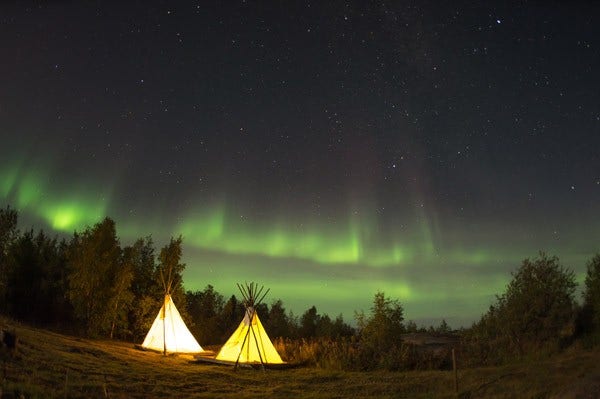
Camping under the Northern Lights in Yellowknife, Canada

Best Time to Visit Canada's Top Destinations

Destination

Best Season

Best For

Banff

June to September, or December to March

Hiking, lake views, skiing

Vancouver Island

May to September

Coastal drives, whale watching, gardens

Montreal

May to October

Food, festivals, museums

Toronto

May to October

City breaks, sports, nearby landmarks

Yellowknife

November to March

Northern Lights trips

Kelowna

June to October

Lake weather, wineries, orchards

If your shortlist includes cities, coastal escapes, or national parks in Canada, these practical planning tips may help you compare documents, driving basics, and flights.


Canada Travel Tips for Americans: Passports, Driving, and Money

  • Check the weather forecast before you go and dress in layers just in case you encounter any sudden changes in weather. The north of Canada stretches into the Arctic Circle, and it can get chilly. Depending on the season, good snow boots and a waterproof jacket are must-haves.

  • Learn to speak a bit of French. It's the official language in Quebec. You'll be able to get around fine speaking English in tourist areas, but if you're headed to any far-flung spots, a bit of French will go a long way. And it's always nice to say “Bonjour!” to shop owners and locals.

  • If you're planning a road trip, a valid U.S. driver's license is generally accepted for visitors, speed limits are posted in kilometers, and handheld phone rules vary by province. Review official guidance from Ontario for visitors and the Official MTO Driver's Handbook before you drive.

  • Get some Canadian currency before heading north. Though many places will accept U.S. dollars, especially nearer to the border, many areas will only accept Canadian dollars. And, even if they take your U.S. money, you won't likely get a good exchange rate.

  • U.S. citizens generally need a valid passport or other approved document to enter Canada and return to the U.S. For some children, a birth certificate may be accepted depending on how they travel. Review the Government of Canada travel document guidance before you go.

Flying to Canada: What U.S. Travelers Should Know

  • Review TSA's website before you fly to confirm what may be carried on or checked during your trip, and check with your airline if you have questions about specific items.

  • Pack medications, documents, and a change of clothes in your carry-on in case checked luggage is lost or delayed.

  • Compare whether travel protection plans may include baggage-related benefits if your luggage is lost or delayed. You can review our plans here.

Also read: How Travel Insurance Can Help When You Fly

Frequently Asked Questions

What is the best place to visit in Canada for first-time visitors?

Banff is the strongest first pick for many travelers because it combines Lake Louise, mountain scenery, and easy access to signature experiences in the Canadian Rockies.

What is the best place in Canada for nature lovers?

Jasper and Banff are top choices for nature lovers, especially if you want mountain views, wildlife, and scenic drives through the parks.

What is the best place in Canada for Americans who want an easy trip?

Toronto is often the easiest option because it has extensive flight access, familiar city infrastructure, and simple add-ons like Niagara Falls.

Do Americans need a passport to visit Canada?

U.S. citizens generally need a valid passport or other approved travel document. Entry requirements may vary for children and by mode of travel, so check official guidance before you go.

When is the best time to visit Canada?

The best time to visit depends on your destination. Summer and early fall work well for cities and national parks, while winter is better for ski trips and Northern Lights travel.

Once you've chosen where to go, you may also want to review travel insurance options for your Canada trip.


How Travel Insurance May Help With a Trip to Canada

Travel protection may be worth considering for any vacation, especially when traveling internationally.

Canada is one of our most popular international destinations.

Coverage availability varies by plan, and terms, conditions, limits, and exclusions apply. Review plan details.

Here are some ways a travel protection plan may help:

  • In the event of an emergency illness or accident, our travel protection plans may include coverages such as Emergency Assistance and Transportation that may be helpful if you're traveling in wilderness or outdoor areas and may need emergency medical evacuation.

  • If your itinerary includes a road trip, Rental Car Damage* coverage may help with some costs associated with a collision or theft. This coverage may be added to our Standard and Preferred plans, and it is included with our Premium plan.

  • Health insurance policies may not offer coverage when traveling outside of the country, and if you use the Canadian medical system, you may need to pay out of pocket for medical care. Medical and Dental coverage included with our plans may reimburse eligible medical expenses while traveling, and our 24-Hour Emergency Assistance Services may help you find the right medical provider when abroad.

  • If you've booked a ski vacation, our Preferred and Premium travel protection plans include Sporting Equipment coverage that may help if covered gear is delayed, lost, stolen, or damaged.

Canada offers mountain parks, major cities, and coastal escapes, so it works well for everything from first trips to longer regional itineraries. If you're ready to review travel protection options for your trip, get a quote.

A6751811, 11060002608

Get travel coverage with Baggage coverage

Price Guarantee

These are the best prices available for these plans anywhere - guaranteed!

Get a Quote

No email or payment details required

Average Customer Rating:
Reviews