Educational Trips That Inspire Learning Beyond the Classroom

Key Takeaways
- Educational trips to historic and cultural U.S. cities support hands‑on learning tied directly to American history, science, and civic education.
- Destinations such as Philadelphia, Boston, Washington, DC, Los Angeles, San Diego, St. Augustine, and San Antonio combine academic landmarks with engaging activities beyond museums.
- Thoughtful planning, including consideration of travel protection, supports group travel logistics and prepaid educational experiences.
Educational trips play a meaningful role in extending learning beyond textbooks and classrooms. Visiting cities with deep historical roots, nationally recognized institutions, and immersive cultural experiences allows students to connect academic subjects to real places. Across the United States, several cities stand out as ideal destinations for education‑focused travel thanks to their museums, preserved landmarks, and interactive learning environments.
The following guide highlights seven cities frequently selected for educational trips—Philadelphia, Boston, Washington, DC, Los Angeles, San Diego, St. Augustine, and San Antonio. Each destination has been handpicked around the country to highlight some of the most historic, memorable, and family friendly destinations.
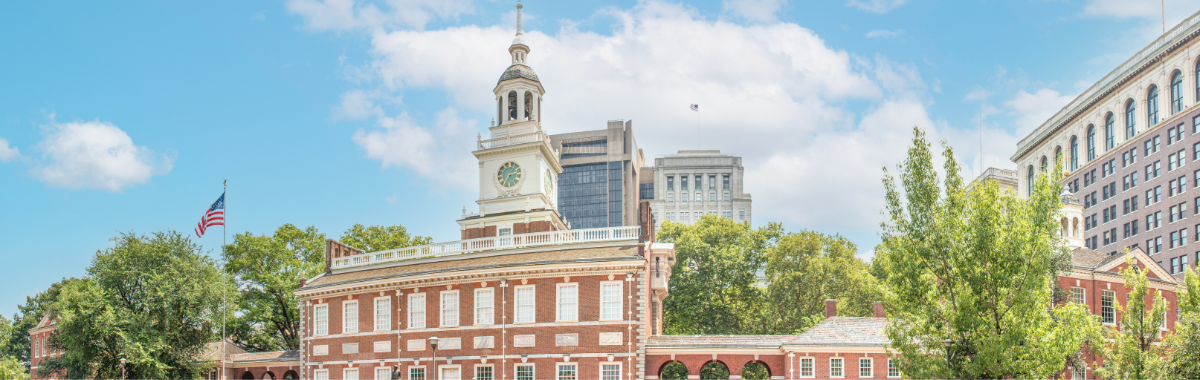
Philadelphia, Pennsylvania: The Birthplace of American Democracy
Philadelphia holds a unique place in U.S. history as the city where the nation’s founding documents were debated and signed. Its compact, walkable layout supports multi‑day educational itineraries centered on civics, government, and early American life.
Educational Highlights
Independence Hall
Independence Hall is where both the Declaration of Independence and the U.S. Constitution were drafted and adopted. Guided tours bring students into the Assembly Room, allowing them to stand in the same space where foundational debates about liberty and governance took place. The site is part of Independence National Historical Park and is overseen by the National Park Service.
The Liberty Bell Center
Located steps from Independence Hall, the Liberty Bell Center provides historical context around one of the most recognizable symbols of American freedom. Interpretive exhibits explore how the bell’s meaning evolved over time, including its adoption by abolitionists and civil rights movements.
Other Things to Do in the Area
- Visit the National Constitution Center for interactive exhibits tied to modern civic issues
- Explore the Franklin Institute for hands‑on science learning
- Walk Elfreth’s Alley, the oldest continuously inhabited residential street in the U.S.
- Spend time at Reading Terminal Market to experience Philadelphia’s food culture
Philadelphia’s blend of landmark sites and modern museums makes it particularly effective for history and government‑focused educational trips.
Also Read: Things to Do in Philadelphia

Boston, Massachusetts: American History in a Walkable City
Boston offers one of the most immersive history‑focused travel experiences in the country. Its preserved neighborhoods and historic pathways allow students to explore the American Revolution in a tangible, linear way.
Educational Highlights
The Freedom Trail
The Freedom Trail is a 2.5‑mile walking route connecting 16 historically significant sites, including the Massachusetts State House, Paul Revere’s House, and the Old North Church. Following the red‑brick trail introduces students to key events and figures from the Revolutionary era in chronological order.
Boston Tea Party Ships & Museum
This interactive museum recreates the events of December 16, 1773, using live actors, multimedia exhibits, and full‑scale ship replicas. Students actively participate in reenactments, helping contextualize the causes and consequences of colonial resistance to British rule.
Other Things to Do in the Area
- Tour Fenway Park to explore sports history and cultural tradition
- Visit the New England Aquarium for marine science education
- Walk Boston Common and the Public Garden
- Explore the North End for lessons in immigration and urban development
Boston’s density of historical sites supports itinerary planning that balances outdoor walking with indoor learning experiences.
Also Read our Boston Travel Guide

Washington, DC: Civic Education at the National Level
Washington, DC functions as an open‑air classroom for students studying government, public policy, and national history. Many of the city’s most prominent educational institutions offer free admission, making it accessible for group travel.
Educational Highlights
The National Mall and Monuments
The National Mall connects iconic landmarks such as the Lincoln Memorial, Washington Monument, and World War II Memorial. These sites provide context for discussions about leadership, sacrifice, and national identity.
Smithsonian Institution Museums
The Smithsonian Institution operates multiple museums along the National Mall, including the National Museum of American History and the National Air and Space Museum. Exhibits span science, technology, culture, and historical innovation, allowing educators to tailor visits to specific learning goals.
Also Read: Best U.S. Historical Places to Visit with Kids or Grandkids
Other Things to Do in the Area
- Attend a session of Congress or visit the U.S. Capitol
- Explore the Library of Congress
- Walk historic neighborhoods such as Georgetown
- Visit Arlington National Cemetery
Washington, DC’s concentration of federal institutions supports educational trips centered on civic responsibility and democratic processes.
Also Read: Things to Do in Washington D.C.
Los Angeles, California: Science, Media, and Cultural Studies
Los Angeles offers educational value through its contributions to science, media, and multicultural history. Its size requires more logistical planning, but the diversity of learning environments supports interdisciplinary trips.
Educational Highlights
California Science Center
The California Science Center features hands‑on exhibits focused on space exploration, ecosystems, and engineering. The Space Shuttle Endeavour display supports STEM learning through real‑world aerospace history.
The Getty Center
The Getty Center combines art history with architectural study. Its collections span centuries, while the campus itself provides opportunities to discuss urban design, landscape architecture, and conservation.
Also Read: Top Museums Around the World to Visit
Other Things to Do in the Area
- Explore Griffith Observatory for astronomy education
- Visit historic Olvera Street to study early Los Angeles history
- Walk the Hollywood Walk of Fame to discuss media influence
- Tour university campuses such as UCLA or USC
Los Angeles supports educational travel tied to science, art, and contemporary cultural studies.

San Diego, California: Coastal Learning and Cultural Depth
San Diego blends natural science, cultural institutions, and history in a destination well‑suited for educational travel. Its mild climate and outdoor attractions support year‑round itineraries.
Educational Highlights
Balboa Park Museums
Balboa Park houses multiple museums, including the San Diego Museum of Art and the Fleet Science Center. Originally developed for the 1915 Panama‑California Exposition, the park also offers architectural study opportunities alongside academic exhibits.
The San Diego Zoo
Located within Balboa Park, the San Diego Zoo is internationally recognized for wildlife conservation and education. Open‑air habitats and guided programs allow students to explore biodiversity and environmental stewardship.
Other Things to Do in the Area
- Visit Old Town San Diego State Historic Park
- Explore La Jolla’s coastal ecosystems
- Walk along the USS Midway Museum
- Spend time at Sunset Cliffs Natural Park
San Diego supports learning experiences connected to science, history, and environmental studies.
Also Read: Discover the Best of San Diego
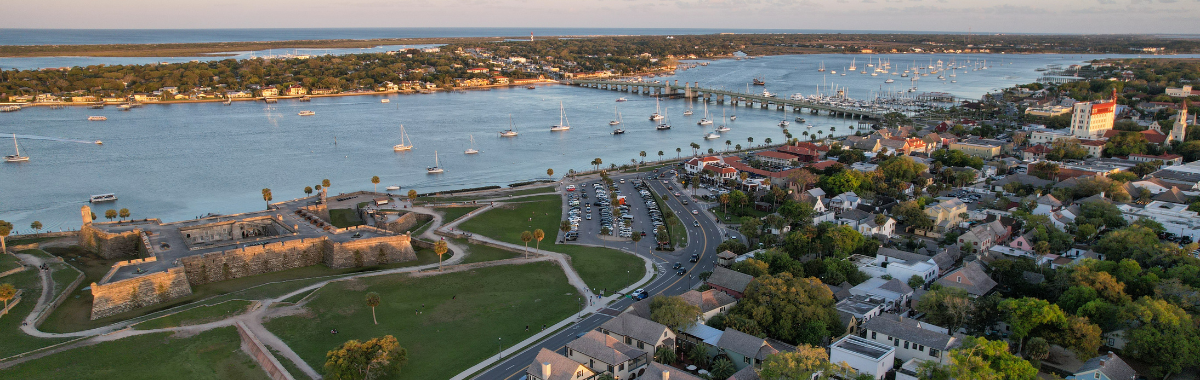
St. Augustine, Florida: Early Colonial History
St. Augustine is the oldest continuously inhabited European‑established settlement in the United States. Its preserved colonial sites support education tied to early exploration and settlement.
Educational Highlights
Castillo de San Marcos
This 17th‑century Spanish stone fort provides insight into colonial defense strategies and European influence in North America.
Colonial Quarter
The Colonial Quarter recreates life in Spanish and British St. Augustine through demonstrations and historical interpretation.
Other Things to Do in the Area
- Walk St. George Street
- Visit the St. Augustine Lighthouse
- Explore local maritime museums
- Tour Flagler College for architectural history
St. Augustine offers immersive learning connected to early American and European history.
Also Read: 8 Great Florida Vacation Destinations
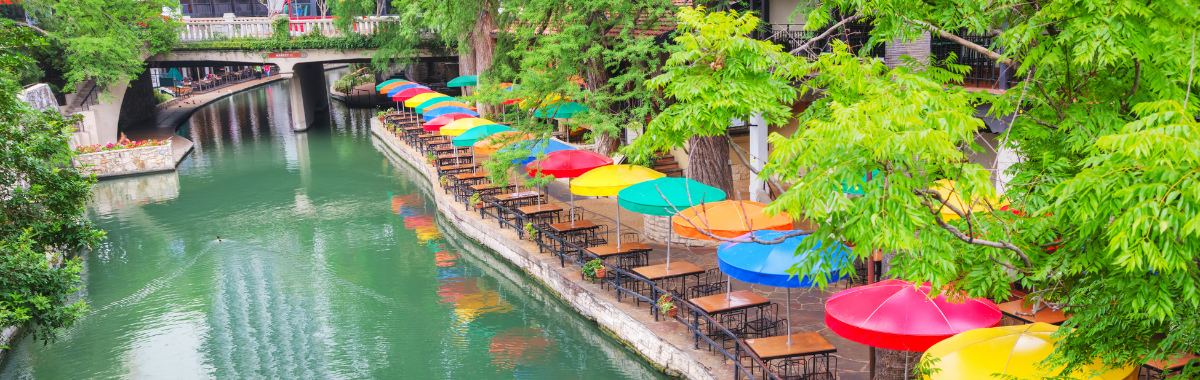
San Antonio, Texas: Cultural Heritage and Texas History
San Antonio reflects a blend of Indigenous, Spanish, Mexican, and American influences, making it ideal for cultural and regional studies.
Educational Highlights
The Alamo
Everybody remembers this right? The Alamo represents a pivotal moment in Texas history and provides educational programming focused on early 19th‑century conflicts and settlement.
San Antonio Missions National Historical Park
This UNESCO World Heritage Site preserves four Spanish colonial missions, offering insight into early religious, agricultural, and cultural systems.
Other Things to Do in the Area
- Walk the San Antonio River Walk
- Visit the Institute of Texan Cultures
- Explore Market Square
- Attend cultural performances and festivals
San Antonio supports educational travel centered on regional identity and multicultural history.
Why Educational Trips Matter
Educational travel provides context that classroom learning alone cannot replicate. Standing in historic rooms, interacting with museum exhibits, and observing real‑world environments deepens understanding and retention. Cities like Philadelphia, Boston, San Diego, and San Antonio continue to attract student groups because they combine structured learning with engaging experiences beyond academic settings.
Thoughtful destination selection, balanced itineraries, and preparation for travel logistics contribute to more meaningful educational outcomes.
Also Read: Budget-Friendly U.S. Travel Destinations for Students of All Ages
Travel Planning Considerations for Educational Trips
Educational trips often involve prepaid non-refundable accommodations, transportation, and admission tickets. Travel protection is frequently reviewed as part of group planning, particularly when itineraries include multiple destinations or scheduled activities.
Travel protection plans may include coverages and services such as:
- Trip Cancellation and Trip Interruption for covered reasons
- Medical & Dental coverage for eligible medical needs during travel
- Baggage coverage for loss, damage, or delay
- 24/7 Assistance Services for logistical support during a trip
Reviewing plan documents before travel supports informed decision‑making and aligns coverage with the specific needs of educational group travel.
Plan Ahead With Confidence
Educational trips involve coordination, planning, and commitment. Pairing destination research with consideration of travel protection supports responsible trip preparation. Explore travel protection options and get a fast and free quote to help prepare for the unexpected while planning an educational trip.
Frequently Asked Questions
What makes a city ideal for an educational trip?
Cities with preserved historic sites, accredited museums, and interactive learning environments support curriculum‑based travel and experiential education.
How long should an educational city trip last?
Most educational city trips range from three to five days, depending on the number of learning objectives and planned activities.
Are educational trips suitable for different age groups?
Yes. Many destinations offer tiered programming, allowing itineraries to be adapted for elementary, middle, high school, or college‑level students.
Why consider travel protection for educational trips?
Educational trips often involve prepaid non-refundable arrangements and group coordination. Travel protection helps address covered disruptions that may affect planned travel.
Travel Resources
See All

10872502606

Average Customer Rating:

Thank you for visiting csatravelprotection.com