Things to Do in Washington, D.C. Without the Crowds
Key Takeaways
- Washington, D.C. offers immersive cultural and outdoor experiences beyond the National Mall that tend to attract fewer visitors.
- Exploring emerging museums, waterfront activities, and neighborhood‑based experiences helps travelers avoid peak congestion.
- Choosing off‑peak times and lesser‑known venues supports a more relaxed destination experience.
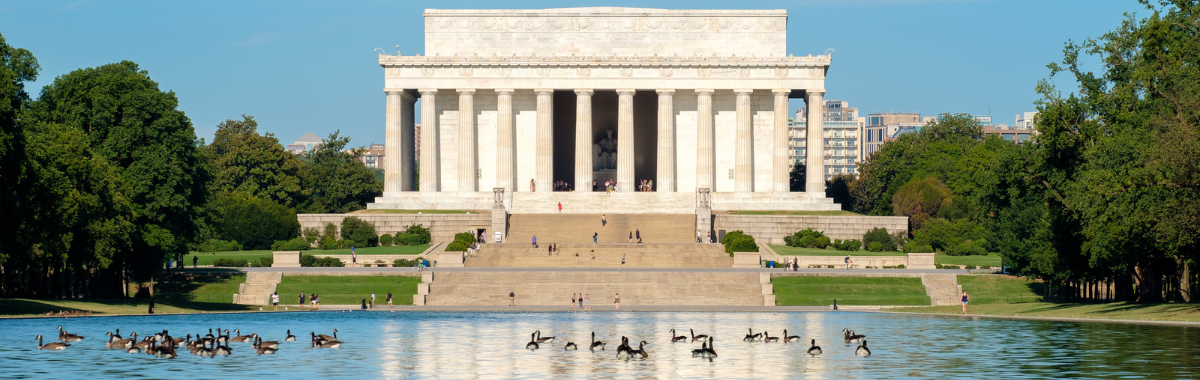
Washington, D.C. consistently ranks among the most popular travel destinations in the United States thanks to its iconic monuments, world‑class museums, historic neighborhoods, and vibrant cultural scene. Each year, millions of travelers are drawn to the National Mall, the Smithsonian museums, and well‑known landmarks that define the nation’s capital. However, with that popularity often comes heavy foot traffic, especially during peak travel seasons.
For travelers looking to experience the city at a more relaxed pace, Washington, D.C. also offers a wide range of lesser‑known attractions and activities that tend to feel less crowded. From interactive museums located away from the Mall to waterfront experiences, neighborhood dining, and outdoor activities, these options provide opportunities to explore the destination while avoiding some of the city’s busiest areas.

Discover a Different Kind of Museum at Planet Word
Many travelers associate Washington, D.C. with large, iconic Smithsonian museums that draw heavy foot traffic year‑round. Planet Word offers a quieter alternative while still delivering an engaging cultural experience. Located inside the historic Franklin School in downtown D.C., Planet Word is a language‑focused museum built around interactive, voice‑activated exhibits rather than traditional display cases.
Unlike museums clustered along the National Mall, Planet Word sits slightly removed from the main tourist corridor, which contributes to a calmer atmosphere. Admission is free with timed entry passes, helping manage visitor flow and reducing congestion inside galleries. Exhibits encourage participation through speaking, listening, and problem‑solving, which naturally spreads guests throughout the building rather than funneling everyone into a single space.
Also Read: Top Museums Around the World to Visit
Explore Contemporary Art at the Hirshhorn Museum and Sculpture Garden
While many Smithsonian museums attract dense crowds during midday hours, the Hirshhorn Museum and Sculpture Garden often provides a more open and fluid visitor experience, particularly during weekday mornings or later afternoons. Dedicated to modern and contemporary art, the Hirshhorn features rotating exhibitions that change frequently, encouraging repeat visits without the sense of predictability that draws large tour groups.
The museum’s circular design helps distribute visitors evenly across galleries, reducing bottlenecks. Outside, the Sculpture Garden offers open‑air space where guests can move at their own pace, step away from indoor galleries, and enjoy art in a quieter setting. Compared to indoor‑only museums, this outdoor component supports a less crowded experience, especially during mild weather.

Kayak the Potomac River Near Georgetown
For travelers looking to escape urban congestion entirely, kayaking on the Potomac River provides a rare chance to experience Washington, D.C. from the water. Guided and self‑guided kayaking opportunities near the Georgetown Waterfront allow visitors to paddle past historic landmarks while remaining physically removed from busy sidewalks and streets.
National Park Service‑supported programs and local boathouses operate along quieter stretches of the river, particularly north of the Georgetown Waterfront. These routes emphasize nature, wildlife, and river ecology rather than crowds or sightseeing traffic. Because kayaking requires reservations and limited group sizes, participation naturally stays controlled.
Early morning and weekday paddles are especially appealing for travelers who prefer calm conditions and minimal congestion, making this experience well‑suited for those actively seeking space and solitude.

Experience Washington, D.C.’s Dining Scene Beyond Peak Hours
Washington, D.C.’s Michelin‑recognized dining scene often draws attention for its accolades, but many travelers overlook how timing plays a role in crowd levels. Visiting Michelin Guide‑recognized restaurants during early seatings or on weekdays offers a notably different experience than prime weekend dinner hours.
Restaurants featured in the Michelin Guide are spread across neighborhoods such as Shaw, Capitol Hill, and Blagden Alley, areas that feel less congested than Penn Quarter or the National Mall vicinity. Dining in these neighborhoods allows travelers to explore residential streets and smaller commercial corridors rather than tourist‑heavy zones.
Also Read: Traveling with Dietary Restrictions
Enjoy Waterfront Events at The Wharf During Off‑Peak Times
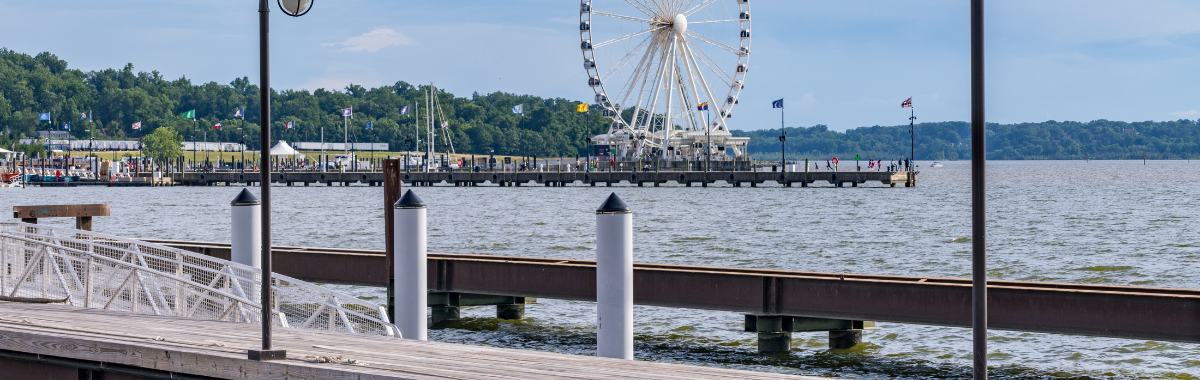
The Wharf has become one of Washington, D.C.’s most active waterfront destinations, but its design and programming support a more flexible visitor experience than many centralized attractions. Spanning multiple piers and open walkways, The Wharf allows guests to spread out rather than gather in a single location.
Smaller events such as outdoor movie nights, live music series, and seasonal programming often take place on weeknights, attracting primarily locals rather than large tour groups. Attending these events outside of holiday weekends or peak summer afternoons helps travelers enjoy the waterfront without feeling overwhelmed.
Why Crowd‑Aware Planning Matters for Washington, D.C.
Washington, D.C. continues to attract millions of visitors each year due to its history, museums, and cultural institutions. For travelers concerned about overcrowding, focusing on experiences that limit capacity, encourage reservations, or exist outside the National Mall corridor helps shape a more comfortable visit.
The famous historic district offers a wide range of experiences that support crowd‑aware travel planning. From quieter museums to outdoor activities and neighborhood dining, thoughtful choices shape a more relaxed destination experience. Before finalizing travel plans, consider protecting the trip with travel protection that fits the itinerary.
Get a fast and free quote today to help support confident travel planning.
Frequently Asked Questions
What are the least crowded things to do in Washington, D.C.?
Experiences outside the National Mall, such as neighborhood museums, kayaking on the Potomac, and reservation‑based dining, tend to attract fewer visitors and feel more spacious.
When is the best time to explore Washington, D.C. with fewer crowds?
Weekdays, early mornings, and evenings typically offer lower visitor volume, especially for museums and waterfront areas.
Are there museums in D.C. that feel less busy than the Smithsonian museums?
Yes. Museums such as Planet Word and contemporary art institutions often manage attendance through timed entry or rotating exhibits, which reduces congestion.
How can travelers avoid overcrowding at popular D.C. attractions?
Planning visits during off‑peak hours, selecting experiences that require reservations, and exploring neighborhoods beyond downtown helps limit exposure to large crowds.
Travel Resources
See All

10872502606

Average Customer Rating:

Thank you for visiting csatravelprotection.com