Things to Do in Philadelphia: History, Food, Family Fun, and Culture
Key Takeaways
- Philadelphia blends foundational American history with vibrant neighborhoods, museums, food markets, and outdoor spaces that appeal to travelers of all ages.
- Families, first-time visitors, and repeat travelers alike will find engaging attractions ranging from historic landmarks and hands-on museums to parks, zoos, and interactive experiences.
- Planning ahead and pairing a Philadelphia itinerary with travel protection helps travelers prepare for unexpected disruptions while focusing on enjoying the destination.
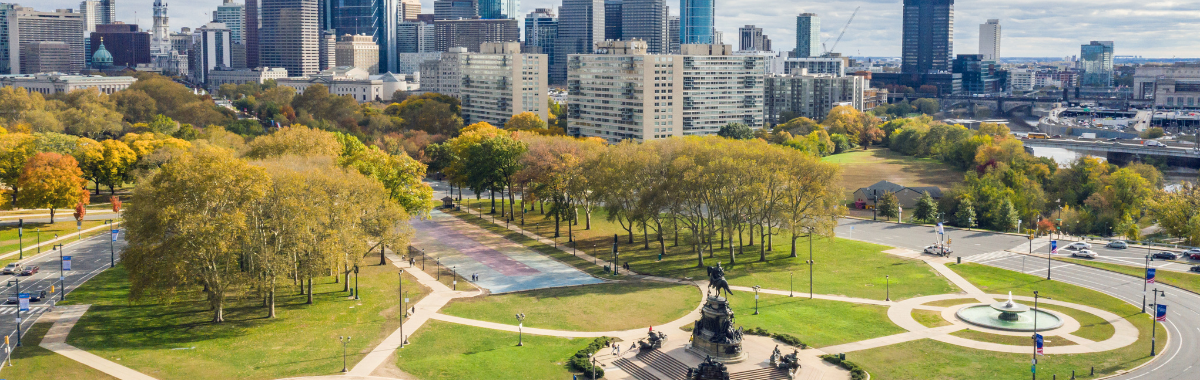
Philadelphia is one of the most layered and rewarding cities in the United States. As the birthplace of American democracy and the nation’s first UNESCO World Heritage City, it offers historic depth that few destinations can match. At the same time, the city feels energetic and current, shaped by a nationally recognized food scene, walkable neighborhoods, public art, waterfront parks, and cultural institutions that invite exploration well beyond the textbook landmarks. Whether visiting for a long weekend, a family vacation, or a history-focused getaway, Philadelphia supports a wide range of travel styles within a compact, approachable urban footprint.
This guide explores Philadelphia through several lenses—historic attractions, family-friendly experiences, and fun things to do for travelers looking to go beyond the basics.
Philadelphia’s Historic Heart: Where the Nation Began
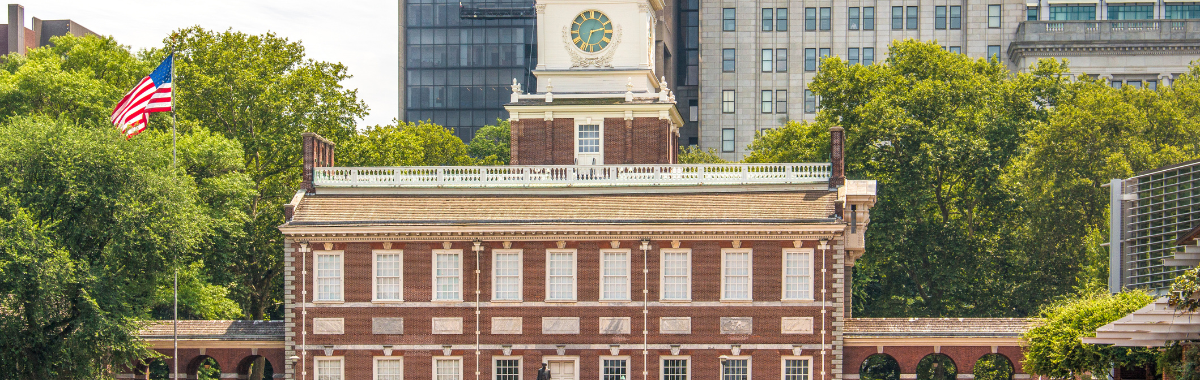
Philadelphia’s identity is inseparable from its role in American history. Old City and Independence National Historical Park form the core of this story, offering a dense concentration of landmarks that shaped the country’s founding.
Independence Hall stands as the city’s most significant historic site. It is where the Declaration of Independence and the U.S. Constitution were debated, drafted, and signed, and it remains one of the most visited historic buildings in the nation. Tours bring visitors into the Assembly Room, where delegates once argued over liberty, representation, and the structure of government. Timed-entry tickets are required, and reservations are managed through the National Park Service, making advance planning an important part of a Philadelphia itinerary.
Just steps away, the Liberty Bell Center draws visitors from around the world. The bell’s iconic crack and its inscription—“Proclaim Liberty Throughout All the Land Unto All the Inhabitants Thereof”—have made it a lasting symbol of freedom movements well beyond the American Revolution. The Liberty Bell Center is free to visit, though all guests pass through a security screening before entry.
Elfreth’s Alley offers a more intimate look at colonial life. Recognized as the oldest continuously inhabited residential street in the United States, the narrow, brick-lined alley features homes dating back to the early 1700s. Walking the alley provides a tangible sense of how tradespeople and artisans lived during the city’s early years, and its scale contrasts sharply with the grand civic buildings nearby.
Museums That Bring History to Life
Philadelphia’s museum landscape supports both traditional and unconventional approaches to history. The National Constitution Center expands on the founding story by examining the Constitution as a living document. Interactive exhibits, multimedia presentations, and rotating special exhibitions explore how constitutional principles continue to shape modern debates and civic life.
The Museum of the American Revolution adds narrative depth to the city’s colonial-era sites. Through immersive galleries, original artifacts, and theatrical presentations, the museum contextualizes the Revolution as a complex and uncertain struggle rather than a straightforward victory. Families and first-time visitors often find this museum particularly engaging because of its accessible storytelling style.
For travelers interested in lesser-known history, Philadelphia also offers sites such as the Edgar Allan Poe National Historic Site, where the writer lived for several years. The preserved home and interpretive exhibits explore Poe’s life, literary legacy, and connection to the city, offering a quieter but culturally significant stop.
Eastern State Penitentiary represents a different chapter in American history. Once the most famous prison in the world, it pioneered a system of incarceration based on isolation and reflection. The site balances historical interpretation with art installations and special exhibits, making it one of the city’s most memorable attractions.

Family-Friendly Attractions for All Ages
Philadelphia consistently ranks as a family-friendly destination, thanks to its concentration of interactive museums, green spaces, and attractions designed with children in mind.
The Franklin Institute stands out as one of the nation’s leading science museums. Hands-on exhibits cover topics such as space exploration, physics, and human biology, including the iconic walk-through giant heart. Rotating exhibitions and live demonstrations encourage curiosity and active participation, making it a strong choice for families traveling with children of varying ages.
The Please Touch Museum focuses specifically on early childhood learning. Located in Memorial Hall in Fairmount Park, the museum emphasizes play-based education through exhibits that encourage imagination, problem-solving, and sensory exploration. Its scale and design allow younger visitors to engage at their own pace, while parents appreciate the museum’s thoughtful approach to learning through play.
The Philadelphia Zoo, one of the oldest zoos in the United States, offers another family-centered experience. Home to more than 1,300 animals, the zoo features innovative habitats and overhead animal trails that allow species such as primates to move above visitor pathways. Seasonal programming and educational encounters add depth to a standard zoo visit.
Exploring Philadelphia’s Parks and Outdoor Spaces
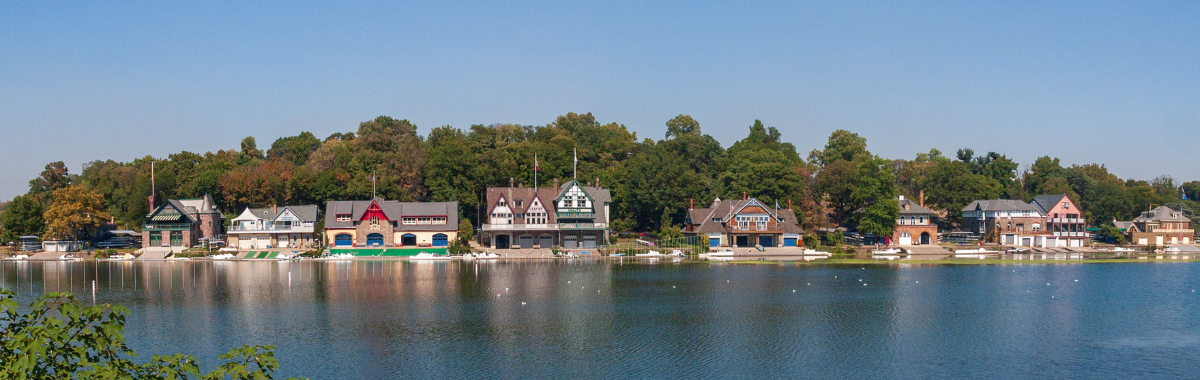
Philadelphia’s extensive park system contributes significantly to its appeal. Fairmount Park, one of the largest urban park systems in the country, stretches along the Schuylkill River and includes wooded trails, historic mansions, and open lawns suited for picnicking and recreation.
Within Fairmount Park, the Shofuso Japanese Cultural Center offers a tranquil contrast to the surrounding city. The traditional Japanese house and garden were originally built in Japan, exhibited at the Museum of Modern Art in New York in 1954, and later relocated to Philadelphia in 1958 Visitors experience seasonal changes through cherry blossoms, koi ponds, and carefully maintained landscapes that emphasize balance and harmony.
The Schuylkill River Trail provides a scenic route for walking and biking, connecting Center City with neighborhoods to the north and west. The trail’s riverfront views and access points make it popular with both residents and visitors seeking outdoor activity without leaving the city.
On the eastern edge of Center City, Spruce Street Harbor Park transforms the Delaware River waterfront into a seasonal gathering space. Hammocks, floating gardens, food vendors, and light installations create an atmosphere that appeals to families, couples, and groups of friends alike. The park’s casual setup encourages visitors to linger and enjoy the riverfront environment.
A Food Scene Rooted in Tradition and Innovation
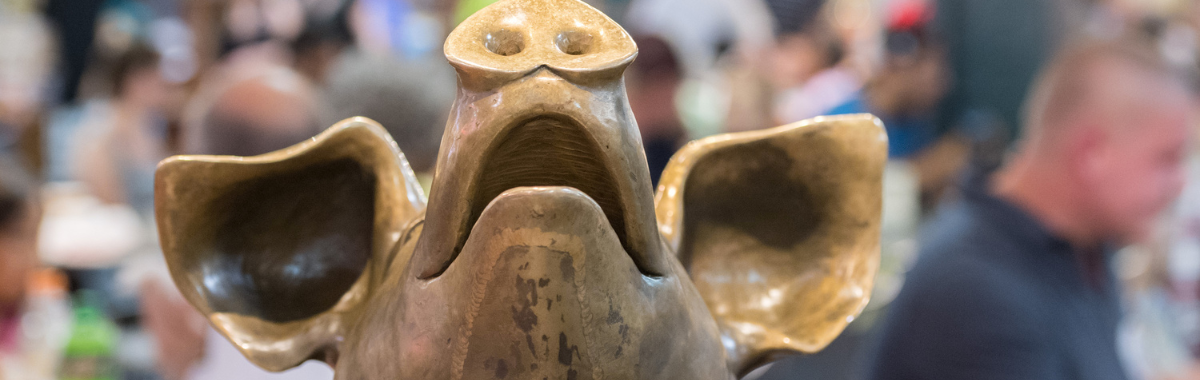
Philadelphia’s food culture extends far beyond its most famous exports. While cheesesteaks remain a culinary rite of passage, the city’s dining scene reflects diverse influences and a strong commitment to local vendors.
Reading Terminal Market serves as a central hub for food exploration. Operating since the late 19th century, the indoor market houses dozens of merchants offering everything from Pennsylvania Dutch specialties to international cuisine.
Philadelphia’s neighborhoods each contribute distinct culinary identities. South Philadelphia’s Italian Market, one of the oldest open-air markets in the country, combines traditional vendors with newer businesses that reflect the area’s evolving demographics. Fishtown and Northern Liberties support a concentration of acclaimed restaurants, breweries, and coffee shops that attract both locals and visitors.
The city’s reputation as a food destination has been reinforced by national recognition, including James Beard Awards and frequent mentions in major travel publications. This combination of legacy and innovation allows travelers to build meals into their itineraries as intentional experiences rather than afterthoughts.
Arts, Culture, and Public Creativity
Philadelphia is often described as the “Mural Capital of the World,” a title supported by thousands of public artworks across the city. Mural Arts Philadelphia, one of the largest public art programs in the country, has transformed walls, buildings, and infrastructure into storytelling platforms that reflect community voices and social themes.
Walking tours focused on murals introduce visitors to neighborhoods beyond Center City while highlighting how art intersects with history, identity, and urban development. These tours offer an alternative way to explore the city and often appeal to travelers seeking experiences that feel both authentic and educational.
The Philadelphia Museum of Art anchors the city’s cultural corridor along the Benjamin Franklin Parkway. Its encyclopedic collection spans centuries and continents, while its iconic steps—popularized by the “Rocky” films—have become a symbol of the city itself. Visitors often combine time in the galleries with a climb up the steps to take in views of the Parkway and skyline.

Unusual and Offbeat Experiences
Beyond its headline attractions, Philadelphia supports a wealth of unusual sites that reward curiosity. Atlas Obscura highlights dozens of hidden or unexpected places throughout the city, appealing to travelers who enjoy discovering stories off the beaten path.
Philadelphia’s Magic Gardens on South Street immerse visitors in a mosaic environment created by artist Isaiah Zagar. The layered installation combines found objects, tile work, and personal symbolism, creating an experience that feels both playful and contemplative.
The Mütter Museum, part of the College of Physicians of Philadelphia, explores the history of medicine through anatomical specimens and medical artifacts. While not for everyone, the museum offers insight into the evolution of healthcare and scientific understanding, drawing visitors interested in science and history from a different angle.
Getting Around and Planning a Visit
Philadelphia’s walkability is one of its strongest advantages. Many of the city’s most popular attractions cluster within Center City and Old City, allowing visitors to move easily on foot. Public transportation options, including buses, subways, and regional rail, extend access to neighborhoods and attractions beyond the downtown core provided by SEPTA.
Seasonal considerations play a role in trip planning. Spring and fall are ideal times to visit, offering moderate temperatures and a full calendar of festivals and events. Summer brings outdoor programming and waterfront activity, while winter highlights museums, indoor attractions, and holiday markets.
Travel Protection for City Getaways
Even a well-planned city trip involves moving parts such as transportation schedules, hotel reservations, and attraction tickets. Travel protection is often considered for longer or more complex journeys, but it also plays a role in domestic city travel.
Travel protection plans include benefits such as:
- Trip Cancellation
- Trip Interruption
- Trip Delay
- Medical and Dental coverage
- Baggage coverage
While Philadelphia offers extensive healthcare infrastructure and reliable transportation, unforeseen events still happen. Reviewing travel protection options as part of trip planning allows travelers to evaluate how different benefits align with their personal travel priorities and risk tolerance.
Why Philadelphia Continues to Stand Out
Philadelphia’s enduring appeal lies in its balance. It offers history without feeling static, family attractions without sacrificing sophistication, and cultural depth without requiring specialized knowledge. The city invites visitors to engage at their own pace, whether that means touring landmark after landmark or lingering over a meal in a neighborhood market.
Plan Ahead and Travel Confidently
A Philadelphia itinerary blends iconic landmarks with personal interests, whether those center on history, food, art, or family-friendly fun. Pairing thoughtful planning with travel protection adds another layer of preparedness, helping travelers focus on the experience rather than the logistics.
Getting a fast and free quote is a simple step toward supporting a well-planned Philadelphia getaway.
Travel Resources
See All

10872502604

Average Customer Rating:

Thank you for visiting csatravelprotection.com