Big City Travel Guide: Discover the Best of San Diego

Key Takeaways
- San Diego blends world‑class attractions like the San Diego Zoo, Balboa Park, and Petco Park with a coastline that defines the city’s laid‑back identity.
- From the dramatic ocean views at Sunset Cliffs Natural Park to the deep‑rooted surf culture of La Jolla and Pacific Beach, outdoor experiences are central to a visit.
- A destination‑focused trip to San Diego benefits from travel protection planning, particularly for busy attractions, coastal activities, and event‑driven travel.
San Diego stands apart among America’s major cities. Known globally for its mild climate, Pacific coastline, and cultural depth, the city balances the energy of a metropolitan hub with the relaxed rhythm of a beach town. San Diego represents a destination where iconic attractions, natural beauty, and local lifestyle intersect in ways that appeal to families, couples, sports fans, and outdoor enthusiasts alike.
Located in Southern California along the Pacific Ocean, San Diego is one of the most visited urban destinations in the United States. Its appeal is rooted in variety: historic neighborhoods, expansive green spaces, professional sports, and a surf culture that has shaped the city for more than a century. Whether the itinerary focuses on marquee attractions or unstructured time along the coast, San Diego rewards travelers who take time to explore beyond a single neighborhood.

The San Diego Zoo: A Global Wildlife Destination
The San Diego Zoo, located within Balboa Park, is one of the city’s most recognized attractions and an anchor experience for many visitors. Operated by the San Diego Zoo Wildlife Alliance, the zoo is home to thousands of animals representing hundreds of species, with a mission centered on wildlife conservation, education, and research. The San Diego Zoo is internationally recognized for its role in global conservation efforts and immersive habitats that reflect natural ecosystems.
Unlike traditional zoos that rely heavily on cages or enclosures, the San Diego Zoo emphasizes open‑air exhibits designed to encourage natural behaviors. Expansive habitats, elevated walkways, and guided experiences allow visitors to observe animals in environments that reflect their native regions. The zoo’s location within Balboa Park places it minutes from downtown San Diego, making it easy to pair with other cultural activities in a single day.
A full visit often takes most of the day, particularly for travelers interested in animal encounters, live presentations, and specialty exhibits. Because the zoo is a top‑tier attraction year‑round, advance planning is common during peak travel seasons such as summer and school holidays.

Balboa Park: Cultural Heart of the City
Balboa Park serves as San Diego’s cultural and geographic centerpiece. The park spans more than 1,000 acres and includes museums, gardens, performance venues, and historic architecture. Balboa Park welcomes millions of visitors each year and houses more than a dozen museums alongside the San Diego Zoo.
Originally developed for the 1915–1916 Panama‑California Exposition, Balboa Park is known for its Spanish Colonial Revival architecture. Many of the buildings constructed for the exposition remain in use today, housing institutions such as art museums, science centers, and cultural organizations. If you’re into architecture you can’t go wrong with visiting San Diego. The park’s layout encourages exploration, with wide promenades, shaded walkways, and landscaped gardens connecting major attractions.
Beyond museums, Balboa Park functions as a public green space for both residents and visitors. Botanical gardens, open lawns, and scenic overlooks provide a contrast to the city’s urban core. Performances at venues such as the Old Globe Theatre contribute to the park’s role as a year‑round cultural destination.
Because Balboa Park encompasses so many distinct experiences, visitors often spread their exploration across multiple days. Museum hours, special exhibitions, and seasonal events vary throughout the year, making advance research a valuable part of trip planning.
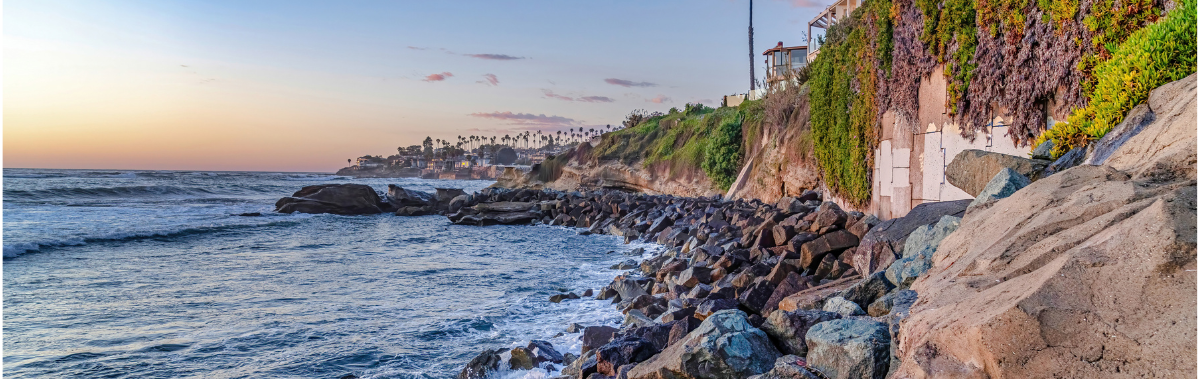
Sunset Cliffs Natural Park: San Diego’s Coastal Icon
On the western edge of Point Loma, Sunset Cliffs Natural Park offers one of San Diego’s most striking natural landscapes. Dedicated as a city park in 1983, Sunset Cliffs stretches along the Pacific Ocean and features rugged coastal bluffs, sea caves, and panoramic ocean views, according to the City of San Diego’s official park description.
The park is named for its dramatic sunsets, which draw both locals and visitors to its cliffside paths in the late afternoon and evening. Walking trails follow the coastline, providing access to viewpoints that overlook crashing waves and expansive horizons. During certain times of the year, visitors may observe migrating gray whales from the cliffs, a seasonal highlight noted by the City of San Diego.
Sunset Cliffs is also deeply connected to San Diego’s surf culture. Areas such as Luscomb Point are named after local surfing figures, reflecting the long relationship between the coastline and the city’s wave‑riding community. While the park is visually accessible, the cliffs themselves are steep and undeveloped, reinforcing the importance of staying on designated paths and respecting posted warnings.
Unlike structured attractions, Sunset Cliffs invites slower exploration. Many visitors combine a visit with nearby Ocean Beach or Point Loma neighborhoods, making it a natural addition to coastal itineraries.
Also Read: Traveling to Learn a New Skill
Petco Park: Baseball in the Heart of Downtown
Petco Park, home of the San Diego Padres, anchors downtown San Diego’s East Village neighborhood. Opened in 2004, the ballpark is recognized for integrating the city’s coastal scenery with modern stadium design.
One of the park’s defining features is the incorporation of the historic Western Metal Supply Company building into the stadium structure. This design choice reflects San Diego’s emphasis on blending preservation with innovation. Petco Park hosts Major League Baseball games, concerts, and community events throughout the year, making it an active destination even outside of baseball season.
Attending a Padres game (whether you’re a fan or not) provides more than sports entertainment. The surrounding Gaslamp Quarter provides dining, nightlife, and lodging options within walking distance of the stadium. For visitors, Petco Park often becomes a focal point for an evening out, particularly during home game series or special events.
Because event schedules vary by season, travelers planning a visit around a game or concert often coordinate tickets and accommodations well in advance, especially during peak tourism periods.
Also Read: Must-Visit Baseball Stadiums for True Fans

Surfing: The Lifestyle That Defines San Diego
Surfing is inseparable from San Diego’s identity. The city’s coastline has played a central role in the history of surfing in the United States, with roots tracing back to the early 20th century. Figures such as Duke Kahanamoku helped popularize wave riding along Southern California’s shores, and San Diego quickly became a hub for surf innovation and culture.
Beaches such as La Jolla Shores, Windansea, Pacific Beach, and Ocean Beach represent different facets of the local surf scene. La Jolla Shores is known for its sandy bottom and gentle waves, making it a common entry point for beginners and surf schools. Pacific Beach combines consistent surf conditions with a lively beachfront atmosphere, while Windansea is recognized for its powerful waves and historic surf shack.
Surfing in San Diego extends beyond the water. Board shaping, surf photography, and coastal conservation are woven into the city’s cultural fabric. Surf clubs, competitions, and community events reflect a lifestyle that values ocean access and environmental stewardship.
For visitors, surfing experiences range from formal lessons to casual observation from shore. Even travelers who do not plan to surf often find that time spent near these beaches provides insight into San Diego’s laid‑back pace and coastal character.
Planning a Big City San Diego Trip
Travel protection is often considered as a vital part of responsible trip preparation for San Diego visits that involve prepaid arrangements or full itineraries. Travel protection is designed to help protect your trip as well as providing additional services.
Depending on the plan selected, travel protection coverage includes:
- Trip Cancellation - Helps reimburse eligible prepaid trip costs if a covered reason forces a traveler to cancel before departure.
- Trip Interruption - Help if a covered event disrupts travel after the trip has begun by assisting in rebooking of flights, accommodations, and more.
- Medical & Dental - For necessary covered medical, surgical, or emergency dental care if a traveler becomes sick or is accidentally injured during a covered trip.
- Lost or Stolen Baggage - Helps reimburse eligible losses, damage, or delays to baggage under certain circumstances.
While travel protection does not replace careful planning, it can complement a well‑researched itinerary by helping travelers prepare for common travel uncertainties. Reviewing plan documents before purchasing allows travelers to better understand how coverage and assistance services may apply during their San Diego visit and select the plan that best fits their needs.
Ready to Start Planning?
A big city trip to San Diego brings together iconic attractions, coastal experiences, and cultural depth. When planning travel that includes ticketed events, outdoor activities, and multiple neighborhoods, reviewing travel protection options is a smart step.
Travel Resources
See All

10872502604

Average Customer Rating:

Thank you for visiting csatravelprotection.com