Best Places to Visit in Uruguay: Culture, Coastlines, and Nature Escapes
Key Takeaways
- Uruguay's major destinations, including Montevideo, Colonia del Sacramento, Punta del Este, and the Rocha coast, are reachable within roughly three hours from Montevideo by bus or car.
- December through February is peak beach season for Punta del Este and coastal towns, while spring and fall offer fewer crowds at nature destinations like Cabo Polonio and Santa Teresa National Park.
- Colonia del Sacramento, a UNESCO World Heritage Site with colonial architecture, is accessible by a one-hour ferry from Buenos Aires, making it an easy day trip or overnight stop.
- Cabo Polonio is an off-grid coastal village accessible only by authorized 4x4 trucks, offering sea lion colonies, dark-sky stargazing, and candlelit accommodations without public electricity.
Uruguay packs a lot into a compact trip, with most major destinations reachable within roughly a three-hour drive from Montevideo. Along with classic Uruguay tourist attractions like Montevideo, Colonia del Sacramento, Punta del Este, and the Rocha coast, you’ll find Atlantic beaches, wetlands, hot springs, mate culture, and plenty of things to do in Uruguay if you’re deciding where to go in Uruguay. If you’re comparing destinations across the region, this Ecuador travel guide offers another South America trip with a mix of cities and nature.
Destination | Best For | Typical Stay | How to Get There |
Montevideo | Culture, food, and city walks | Two to three days | Fly into Montevideo or arrive by ferry and bus |
Colonia del Sacramento | History, architecture, and easy side trips | One day or one night | Ferry from Buenos Aires or bus from Montevideo |
Punta del Este | Beaches, nightlife, and coastal museums | Two to three days | Bus or car from Montevideo |
Cabo Polonio | Remote coast, wildlife, and stargazing | One to two nights | Bus or car to the access point, then authorized 4x4 |
Santa Teresa National Park | Beaches, hiking, and camping | One to two days | Car or bus via the Rocha coast |
Laguna de Rocha | Birdwatching and quieter nature stops | Half day to one day | Car or regional transit along the Rocha coast |
When to Visit Uruguay (And Which Places Suit Each Season)
December through February is summer in Uruguay, and it’s the busiest time for Punta del Este, José Ignacio, and other beach towns. Warm weather and long days make this the peak season for coastal trips, and February also brings Montevideo Carnival, one of the country’s biggest cultural events.
Spring and fall are strong shoulder seasons if you want fewer crowds in Cabo Polonio, Santa Teresa National Park, and Laguna de Rocha. Montevideo is pleasant year-round, and the cooler months are also a comfortable time to explore Colonia del Sacramento and inland stops such as Uruguay’s hot springs.
Getting Around Uruguay: How to Reach Each Destination
Uruguay is easy to navigate by regional standards. Ferries connect Buenos Aires with both Colonia del Sacramento and Montevideo, making it easy to combine the two countries in one trip. If you’re planning that route, this Argentina travel guide can help you map out the other side of the journey.
Buses connect Montevideo with Colonia, Punta del Este, and much of the coast. A rental car is useful if you want more flexibility for Santa Teresa National Park, Laguna de Rocha, Punta del Diablo, or La Pedrera. Cabo Polonio is the exception: you’ll need to leave your car at the entrance area and continue by authorized 4x4 trucks across the dunes.
These Uruguay tourist attractions are easy to combine into one itinerary, especially if you start in Montevideo.

Montevideo: Uruguay's Cultural Capital
Uruguay’s capital, Montevideo, is a vibrant city where colonial architecture meets modern creativity. It’s a hub for music, art, and food, with a relaxed pace that invites exploration. The city’s neighborhoods each offer something unique.
Ciudad Vieja
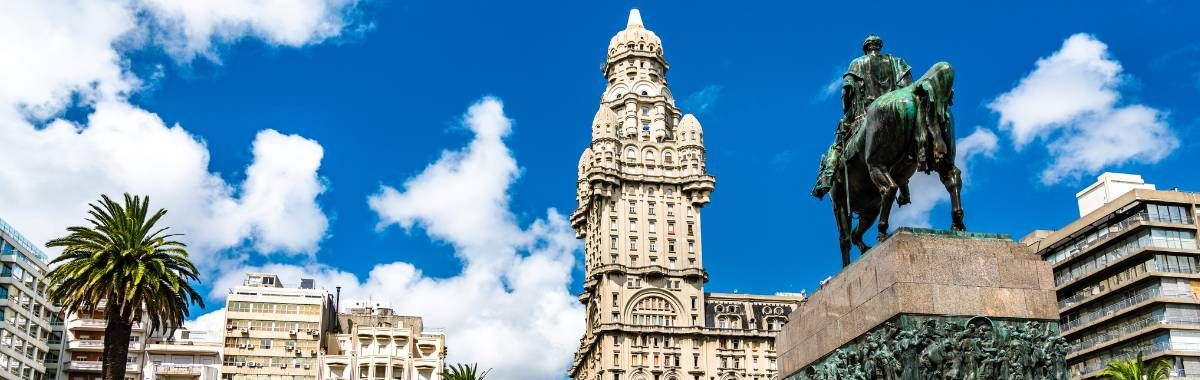
Start in Ciudad Vieja, where historic buildings, galleries, and cafes lead toward Plaza Independencia. Don’t miss the Artigas Mausoleum and the iconic Solís Theatre, both of which anchor the city’s historic center.
Mercado del Puerto
Mercado del Puerto is one of Montevideo’s classic food stops, with sizzling parrillas serving up Uruguay’s famous beef alongside artisan crafts and live music. It’s also a good place to try local flavors with a glass of Tannat wine.
The Rambla
Walk along the Rambla de Montevideo, a long waterfront promenade that’s popular for cycling, jogging, and sunset views. Montevideo also hosts cultural festivals year-round, and the Carnival season brings parades and performances across the city.
Colonia del Sacramento: Historic Streets and Riverside Views
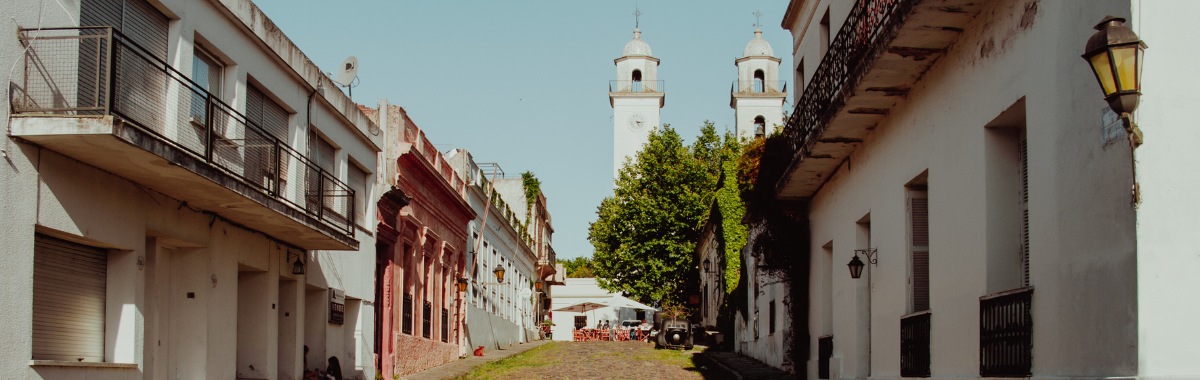
Colonia del Sacramento is a UNESCO World Heritage Site known for its cobblestone streets and colonial architecture. Founded by the Portuguese in the 17th century, it’s one of Uruguay’s most picturesque towns. It’s also about a one-hour ferry ride from Buenos Aires, which makes it an easy day trip or overnight stop.
Wander through the Barrio Histórico, where lantern-lit alleys lead to ancient churches, a lighthouse with panoramic views, and charming cafes tucked into centuries-old buildings. Visit local museums like the Portuguese Museum and the Municipal Museum to learn about the town’s layered history. Art galleries and workshops offer a glimpse into the creative lives of Colonia’s residents.
Colonia is also a great spot for riverside dining. Enjoy fresh seafood, local wines, and Tannat wine while watching the sunset over the Río de la Plata, or stay overnight to see the old quarter after the ferry crowds leave.
Punta del Este: Beaches, Nightlife, and Coastal Art
Punta del Este is Uruguay’s most famous beach resort, known for its upscale vibe, nightlife, and golden sands. It’s often compared to Miami or the French Riviera, but with a distinctly Uruguayan flair.
Playa Brava
Spend your days at Playa Brava, famous for its crashing waves and the iconic La Mano sculpture, or head to Playa Mansa for calm waters that are better for families and relaxed swims.
Casapueblo
Visit Casapueblo, Carlos Páez Vilaró’s whitewashed former home and studio, now a cliffside museum known for its sculptural architecture, sweeping coastal views, and daily sunset ritual.
La Barra
La Barra adds surf beaches, boutiques, and a more casual scene just beyond Punta del Este. If you continue farther east, José Ignacio offers a quieter stretch of coast with upscale dining and a slower pace. Punta del Este moves easily from beach days to late dinners, bars, and casinos.
See more hidden gems in South America
Cabo Polonio: Off-the-Grid Coastal Escape
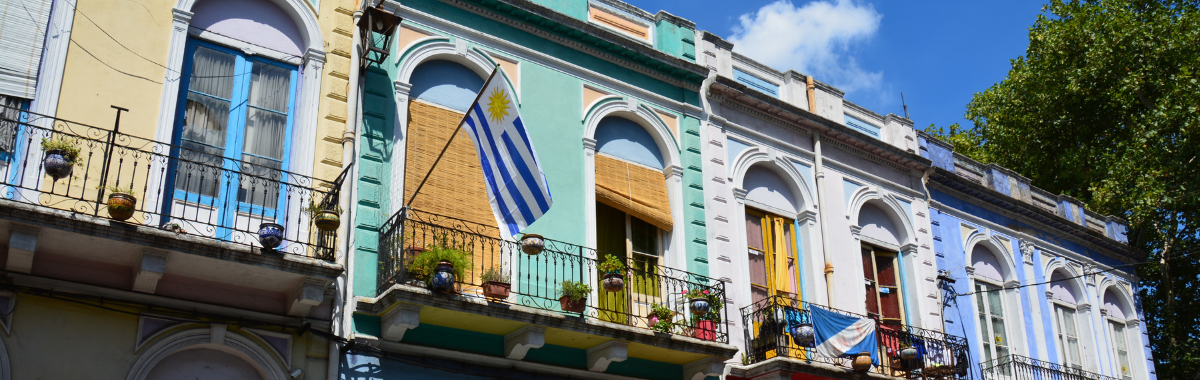
Cabo Polonio is one of Uruguay’s most distinctive destinations, a remote village inside a national park that’s accessible only by authorized 4x4 trucks across sand dunes. The remoteness is part of the appeal, but it also means you should plan transportation, cash, and lodging ahead of time.
There’s no public electricity, so nights are lit by candlelight under some of Uruguay’s darkest skies. Stargazing is a major draw here, and the nearby Cabo Polonio Lighthouse offers panoramic views of the Atlantic coast. The village is also home to one of South America’s largest sea lion colonies, with rustic cabins and eco-lodges providing simple but cozy accommodations.
Visitors come here for dunes, wildlife, surf, and a slower pace. Before you head to remote parts of Uruguay, get a travel protection quote and compare plans.
Santa Teresa National Park
Located on the Atlantic coast near Punta del Diablo, Santa Teresa National Park is a lush expanse of forest, beaches, and historic ruins. It’s one of the Rocha coast’s most useful stops if you want to combine time outdoors with nearby beach towns like Punta del Diablo and La Pedrera.
Explore miles of hiking trails that wind through eucalyptus groves and coastal dunes. Visit the Fortaleza de Santa Teresa, a colonial fortress dating back to the 18th century, and stroll through the park’s botanical gardens. The beaches here, like Playa Grande and Playa del Barco, are pristine and less crowded than those in Punta del Este.
Camping, horseback riding, and birdwatching are popular activities here, and the park works well if you want a day of hiking, fort visits, and beach time in one stop.
Quebrada de los Cuervos
Located in the department of Treinta y Tres, Quebrada de los Cuervos is a dramatic canyon and protected nature reserve that’s ideal for hiking and wildlife spotting. It’s named after the black vultures (cuervos) that soar above its cliffs.
The main trail descends into the canyon, offering views of waterfalls, native forests, and rare bird species. It’s a moderately challenging hike, but well worth the effort for the tranquility and biodiversity. The area is part of Uruguay’s growing ecotourism movement and is managed to preserve its delicate ecosystem.
Bring binoculars and a camera; this is one of the best places in Uruguay for birdwatching and nature photography.
Laguna de Rocha
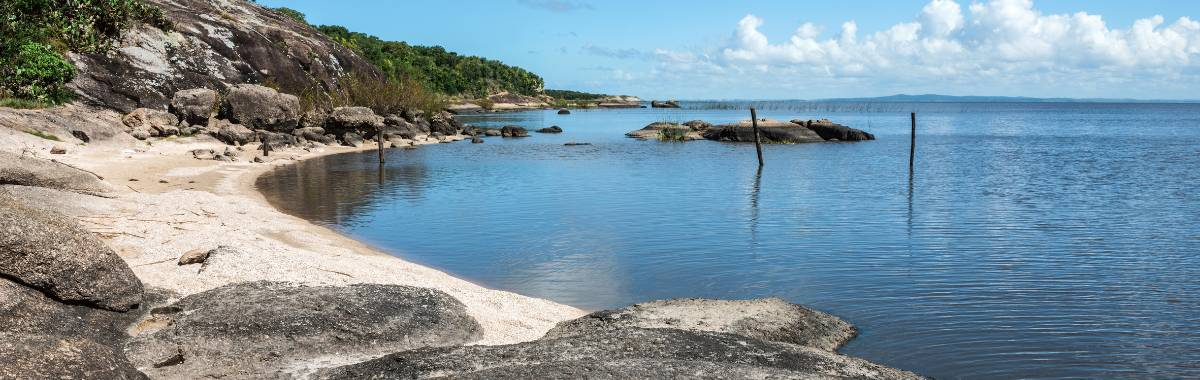
Part of the Bañados del Este Biosphere Reserve, Laguna de Rocha is a peaceful lagoon surrounded by wetlands and dunes on the Rocha coast. It’s a strong stop if you want a quieter nature break between the region’s beach towns.
Chilean flamingos, herons, spoonbills, and other species gather here, making it a paradise for birdwatchers. Quiet trails and observation decks allow for unobtrusive wildlife viewing. The nearby fishing village offers fresh seafood and a glimpse into traditional coastal life.
Laguna de Rocha pairs well with nearby coastal stops such as La Pedrera, especially if you want birdlife, wetlands, and open dunes in the same stretch of the trip.
Travel Protection for Your Uruguay Trip
Travel protection may help keep your trip on track even when the unexpected happens.
Generali Global Assistance offers travel protection plans that include:
- Trip Cancellation – Designed to help reimburse you for non-refundable trip costs if you cancel for a covered reason.
- Trip Interruption - Designed to help reimburse you for unused, non-refundable trip costs if your trip is cut short for a covered reason.
- Medical and Dental Benefits - May help with eligible unexpected health care costs while traveling abroad.
- Travel Delay - Designed to help reimburse you for certain delay-related expenses, including essentials like clothing and toiletries. Limits apply.
- Baggage and Personal Effects - May reimburse you for lost, stolen, or damaged items, subject to your plan terms.
- Emergency Assistance - May help with medical referrals, translation, and travel support during your trip.
- Travel Assistance Services - May help with reservations, lost documents, and travel logistics, especially in remote areas like Cabo Polonio or Santa Teresa.
Terms, conditions, limits, and exclusions apply. Review your plan documents for details.
Generali Global Assistance also offers a free look period typically ranging from 10-15 days*, allowing you to cancel for a full refund if the plan doesn’t meet your needs, provided you haven’t departed or filed a claim.
*The free look period is available in most states. Terms, conditions, limits, and exclusions apply, and availability may vary by state.
Planning a trip to Uruguay? Get a travel protection quote and compare plans.
FAQ About Visiting Uruguay
Is Uruguay safe for tourists?
Uruguay is often considered one of the easier South America destinations for first-time visitors, thanks to its compact size and relatively straightforward logistics. Standard precautions still matter, especially in cities and busy beach areas.
How many days do you need to visit Uruguay?
Seven to 10 days gives you enough time to combine Montevideo, Colonia del Sacramento, Punta del Este, and one or two Rocha coast stops. A shorter trip of three to four days works well for Montevideo and Colonia.
What is the best time of year to visit Uruguay?
Summer, from December through February, is best for beach towns and coastal nightlife. Spring and fall are better if you want fewer crowds for Cabo Polonio, Santa Teresa National Park, and Laguna de Rocha.
Do I need a visa to visit Uruguay?
Visa requirements depend on your nationality and passport. Many U.S. travelers do not need a visa for short tourist stays, but it’s best to confirm current entry requirements before you book.
Can I visit Uruguay as a day trip from Buenos Aires?
Yes. Colonia del Sacramento is the easiest option, since the ferry ride from Buenos Aires is about one hour. It also works well as an overnight stop if you want more time in the historic district.
If you’re still researching South America itineraries, explore more travel resources.
Once you’ve mapped out your itinerary, get a travel protection quote.
Travel Resources
See All

8456512512, 11060002606
*Free look period varies state by state. Review your plan documents to understand your free look period

Average Customer Rating:

Thank you for visiting csatravelprotection.com