What Are the Most Popular Types of Vacations?

Key Takeaways
- Popular vacation types include cruise vacations, adventure vacations, cultural vacations, road trips, solo vacations, workations, staycations, and family vacations, each suited to different traveler preferences, budgets, and planning levels.
- Cruise vacations offer convenience and multiple destinations with built-in amenities, while adventure vacations center on active experiences like hiking, diving, or safaris.
- Workations combine remote work with travel and require planning around internet reliability, time zones, and employer expectations for availability.
- Destination settings such as beaches, mountains, lakes, cities, and theme parks can be matched to vacation styles like relaxing vacations, budget vacations, or family travel.
Different types of vacations fit different travelers, budgets, and schedules. From relaxing trips and family vacations to solo getaways and workations, this guide breaks down popular vacation styles and destination settings so you can compare your options more easily. If you’re still sorting through the many types of trips available, this overview can help you narrow the field and find the best vacation for you.
Whatever type of vacation appeals to you, the goal remains the same: to take a break from your normal day-to-day life and return feeling refreshed. A variety of travel destinations and types of vacations appeal to different age groups, demographics, and budgets. Here, we look at some of the most popular vacation options and discuss what makes them so appealing.
Vacation Types
Vacation Type | Best For | Planning Effort | Budget Level | Example Trip |
Cruise Vacations | Convenience and multiple stops | Medium | Medium to high | A Caribbean cruise with planned shore excursions |
Adventure Vacations | Active travelers and challenge-focused trips | High | Medium to high | A hiking and safari vacation itinerary |
Cultural Vacations | History, food, and local experiences | Medium | Medium | A city stay built around museums and cooking classes |
Road Trip Vacations | Flexibility and scenic routes | Medium | Low to medium | A multi-state loop with national park stops |
Solo Vacations | Independent travelers | Medium | Low to high | A long weekend in a walkable city |
Workations | Remote workers with schedule flexibility | High | Medium | A beach stay with reliable Wi-Fi and workspace |
Staycations | Short breaks close to home | Low | Low | A local spa day and museum weekend |
Family Vacations | Shared activities for mixed ages | High | Medium | A resort stay near a theme park |
Most Popular Types of Vacations
Are you sporty or sociable? Looking to be pampered or to spend a few nights in the wilderness? You can do all of those things and more on vacation.

Cruise Vacations
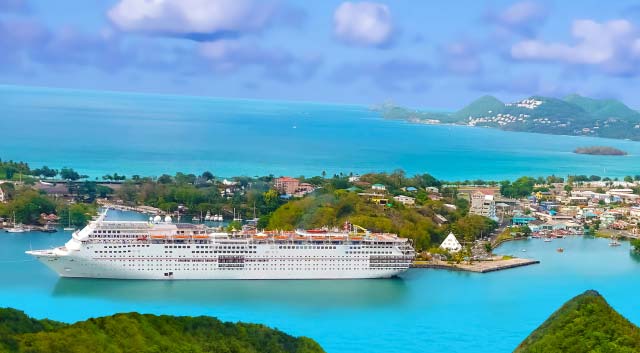
Cruises let you visit multiple destinations while enjoying onboard amenities and a more hands-off itinerary. Some cruise vacations are themed, so you can spend your time on the boat surrounded by like-minded people and taking part in topic-specific activities. Others focus on luxury vacations with upscale dining, pools, entertainment, and scheduled shore excursions.
When the ship stops off at a port, you have time to go onto land and explore by yourself or through a guided tour arranged by the cruise company. If you want someone else to handle more of the details, cruises are ideal for you. Cruises can also work well for family vacations, couples, and groups.
Best for: travelers who want convenience, multiple stops, and built-in amenities with less day-to-day planning.
Also Read: The Ultimate Cruise Packing List, Tips and Hacks (Free Digital and Printable Checklist)
Adventure Vacations
Adventure vacations can center on cave diving, bouldering, hiking, mountain climbing, scuba diving, or safari vacations. This category can include high-adrenaline activities or more nature-focused travel, depending on the pace and setting you choose. An adventure vacation is a strong fit if you want to challenge yourself and build the trip around a specific experience.
Best for: travelers who want active days, outdoor experiences, or a vacation built around one main activity.

Cultural Vacations
Cultural vacations are best for travelers who want to experience local traditions directly through markets, museums, historic sites, cooking classes, cultural events, and language immersion. You might spend a morning with a local guide, take a cooking class in a regional cuisine, or plan your schedule around a festival or performance.
Best for: travelers who want learning, history, food, and local context to shape the vacation.

Road Trip Vacations
You don't have to fly abroad to enjoy a vacation. Some of the best road trip vacations are scenic drives, camper-van trips, or multi-state loops with planned stops along the way. Load up a camper van or just the trunk of your car, start driving, and stop off at a campsite or motel along the way. With road trips, you can take detours, spend as long as you like in each location, and change plans as the mood strikes.
Best for: travelers who want flexibility, control over the route, and the option to adjust plans as they go.
Solo Vacations
The only thing more freeing than a road trip with friends is a solo vacation. Traveling solo appeals to people who want full control over pace, budget, and daily plans. Being on vacation with an early riser when you're a night owl can be a source of conflict. Trying to find a restaurant that caters to everyone’s dietary preferences and restrictions is an almost impossible task. When you're flying solo, you don't have to think about any of that; you can do as you please.
For a first solo vacation, start with a destination that feels manageable, book your first few nights in advance, share your itinerary with someone you trust, and mix independent time with a few guided activities. If you need ideas, see 13 Best Places in the World to Travel Solo.
Best for: travelers who want independence, a self-paced itinerary, and fewer compromises.
Also Read: 13 Best Places in the World to Travel Solo

Workations
If you're self-employed or work from home, you can combine a solo vacation with a workation. Instead of using up a large amount of vacation time to go on a trip, agree with your boss that you can work from a location other than your home. Take your laptop with you while you're off sightseeing, and enjoy a change of scenery while getting paid.
Before you book, confirm internet reliability, time-zone overlap with your team, employer expectations for availability, and whether you'll have a quiet workspace for calls. It also helps to set clear work-life boundaries so the vacation doesn’t turn into nonstop work during the day and sightseeing at night. For more guidance, see how to plan a work vacation and 6 Secrets to a Memorable ‘Flexcation’ – Working Remote on Vacation.
Best for: remote workers who can stay connected and want to extend travel without taking every day off.
Also Read: 6 Secrets to a Memorable ‘Flexcation’ – Working Remote on Vacation
Staycations
Many environmentally conscious individuals are turning to staycations as a way to have fun and broaden their horizons without increasing their carbon footprints too much. A staycation usually means staying close to home while planning time away from your normal routine. That could be a local museum weekend, a nearby spa day, a short regional road trip, or a hotel stay in your own city.
Staycations can also work well as budget vacations or wellness vacations when you want a lighter planning lift.
Best for: travelers who want a break, but prefer lower travel time, simpler logistics, or a shorter budget-friendly getaway.
Other Popular Types of Vacations
Relaxing Vacations
Relaxing vacations focus on a slower pace, lighter schedules, and more downtime. A beach resort, lakeside cabin, or spa weekend can all fit this category. Best for: travelers who want rest, quiet, or fewer scheduled activities.
Family Vacations
Family vacations are built around shared activities that work for different ages, interests, and energy levels. That might mean a beach resort, a national park, or a theme park itinerary. Best for: travelers planning around kids, grandparents, or mixed-age groups.
Group Vacations
Group vacations are organized for friends, extended family, reunions, or milestone celebrations. A shared rental house, ski weekend, or birthday trip can make costs and planning easier to divide. Best for: travelers who want shared experiences and don’t mind coordinating schedules.
Romantic Vacations
Romantic vacations are designed around time together, privacy, and memorable settings for couples. A long weekend in a walkable city, an adults-only resort, or a quiet cabin stay are common examples. Best for: couples planning anniversaries, honeymoons, or short getaways.
Luxury Vacations
Luxury vacations prioritize service, comfort, and added conveniences. Examples include a suite on a cruise, a high-end resort stay, or a custom itinerary with private guides and transfers. Best for: travelers who want upgraded amenities and a more polished travel experience.
Budget Vacations
Budget vacations keep costs more controlled without giving up the chance to travel. A drive-to destination, off-season city break, camping trip, or staycation can all help stretch your vacation budget.
Best for: travelers who want value and are willing to plan around timing, distance, or simpler accommodations.
Accessible Vacations
Accessible vacations are planned with mobility, sensory, or medical needs in mind. That could include choosing step-free lodging, confirming transportation options in advance, or booking attractions that clearly list accessibility features. Best for: travelers who want to reduce friction and choose settings that better match their access needs.
Once you know what kind of vacation you want, it helps to think about the setting that fits it best.
Popular Vacation Destinations by Travel Style
Once you've decided on the type of vacation, the next question is where you'll go. Some options include:
Beaches
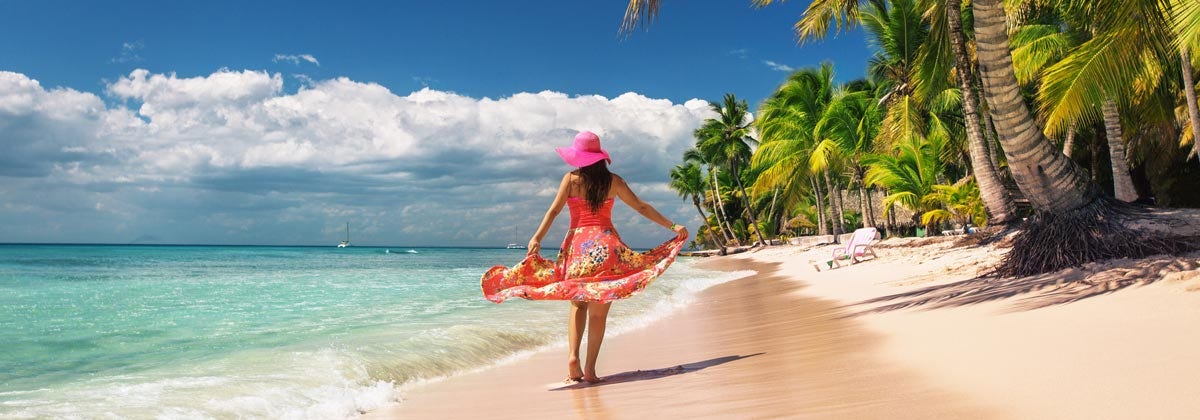
Coastal towns and cities have a lot to offer. From quaint British beaches in Brighton to the sun-soaked beaches of California, seaside towns are ideal if you like surfing, sandcastles, ice cream, or sunbathing. Beaches are also a natural fit for relaxing vacations, and they often work well for families. If you want ideas, browse top beaches in the U.S. for vacation.

Lakes and Campgrounds
Camping at a national park is a good option for travelers who want more time outdoors and a simpler itinerary. Whether you take an RV, rent a yurt for a glamping vacation, or do it the traditional way with a tent, you'll get to disconnect from the stresses of the world and enjoy the tranquility of a night in a picturesque, green location. Lakes and campgrounds can also appeal to travelers planning budget vacations.

Mountains
From hiking up Everest to skiing in the Swiss Alps, mountain trips are ideal for thrill-seekers. What's more, the most popular ski resorts have a variety of slopes to choose from, so even if you're not yet a confident skier, you can still go to the same destinations as your snow-loving friends and hit the slopes with confidence. You might be on a gentler slope, but it still makes for some good social media photos and invaluable practice for your next time out. For more ideas, see Popular Summer Mountain Vacations in the U.S.

City Vacations
Paris, London, Tokyo — these are the destinations travelers often consider first when planning a bigger getaway, and with good reason. They're full of amenities and attractions for people from all walks of life. From educational museums to historical monuments, nightlife, and boutique stores, big cities have it all. They're beloved by foodies, too. Since many city centers have become melting pots for languages, customs, and cuisine, it's easy to find the country's classic dishes and those of other cultures.
Tourist Attractions and Theme Park Vacations
If you're after a day trip opportunity or something that will entertain the little ones, tourist hot spots are the way to go. Some travelers now prefer off-the-beaten-path destinations over traditional tourist attractions. If you have children in tow, a walk through a local historic monument or national park can help keep kids engaged and active.
Theme parks such as the SEA LIFE Centers and Disney properties tend to go over well with big and small kids alike. Attractions, such as Parc Asterix or Lightwater Valley, can be a lot of fun, offering rides, restaurants, games, and gift shops where you can while away hours on a hot summer's day. Just be prepared to spend a fair bit more on refreshments and souvenirs.
Also read: Travel Trends For What to Expect in the Year Ahead
How to Plan Your Next Vacation
The beauty of going on vacation is that it's a chance for you to do the things that excite you so you can step away from your routine and return feeling refreshed. Take some time to yourself, find your dream destination, and focus on the experiences that matter most to you. If you want another prompt while narrowing down options, try our random vacation generator.
For peace of mind as you plan your getaway, consider travel protection from us so you may be better prepared if the unexpected happens, whether that means a covered reason to cancel your trip or access to assistance services in an emergency. Get a quote.
Frequently Asked Questions
What are the most common types of vacations?
Some of the most common types of vacations include cruise vacations, adventure vacations, cultural vacations, road trip vacations, solo vacations, workations, staycations, family vacations, and relaxing vacations.
What type of vacation is best for families?
The best type of vacation for families depends on the ages, interests, and pace of the group. Cruises, beach vacations, road trip vacations, and theme park vacations are all common choices because they offer a mix of activities and flexibility.
What is a staycation?
A staycation is a vacation taken close to home instead of far away. It might include a local hotel stay, a museum weekend, a spa day, or a short regional drive.
What is a workation?
A workation combines remote work with travel. You still work during the trip, but you do it from a different location and plan the vacation around internet access, time zones, and your work schedule.
How do I choose between a budget vacation and a luxury vacation?
Start with your budget, the amount of planning you want to do, and the experience you value most. Budget vacations often focus on simpler logistics and lower-cost destinations, while luxury vacations usually prioritize upgraded service, amenities, and convenience.

6413512412, 1106002607

Average Customer Rating:

Thank you for visiting csatravelprotection.com