Travel Sabbaticals: How to Take an Extended Break, Where to Go, and How Travel Protection Helps

Key Takeaways
- A travel sabbatical is an extended break from work, often lasting from one month to a year, designed for travel, learning, personal growth, volunteering, or recharging.
- Popular sabbatical destinations include Thailand, Argentina, South Africa, and Australia, along with other locations that support cultural immersion, education, and long-term travel experiences.
- Travel protection plays an important role during longer trips by offering benefits that may help with covered trip interruptions, medical emergencies, travel delays, lost luggage, and emergency evacuation.

What Is a Travel Sabbatical?
For many professionals, a traditional vacation simply does not provide enough time to pursue bigger goals such as learning a language, volunteering abroad, earning a certification, working on a passion project, or exploring several countries. A travel sabbatical offers a different approach.
According to Rachel Off Duty, a travel sabbatical is an extended period away from work, typically ranging from one month to a year, during which a person travels, learns, and recharges. Sabbaticals may be paid or unpaid and are often tied to company tenure requirements when offered as an employee benefit.
Trafalgar notes that modern sabbaticals have evolved beyond their academic roots and commonly involve returning to the same job after an agreed-upon period away from work. The purpose is often tied to a meaningful objective rather than simply taking a holiday.
Today, travel sabbaticals have become increasingly popular among professionals seeking a temporary pause from routine responsibilities while pursuing personal and professional development.
Why More Travelers Are Taking Sabbaticals
The popularity of travel sabbaticals reflects changing attitudes toward work-life balance, career development, and personal wellness.
According to Trafalgar, many employees find it increasingly difficult to disconnect from work due to constant connectivity through smartphones, email, and workplace communication platforms. Sabbaticals provide space to step away from daily demands and focus on personal priorities.
Travel sabbaticals may be used for:
- Long-term travel
- Learning a language
- Volunteering abroad
- Pursuing higher education
- Writing or creative projects
- Professional development
- Family time
- Cultural immersion
- Personal reflection
A sabbatical could involve language studies in Europe, volunteering in Africa, and independent travel throughout Asia during a single extended journey.

How Long Should a Travel Sabbatical Be?
One of the most common questions travelers ask is how much time they should take away from work.
The answer depends on personal goals, finances, and employer policies.
Common sabbatical lengths include:
One Month
A month-long sabbatical works well for travelers interested in focused learning, wellness retreats, or exploring a single destination in depth.
Examples include:
- Language immersion in Spain
- Yoga retreats in Thailand
- Volunteer projects in Costa Rica
- Cultural exploration in Japan
Three to Six Months
Many travelers consider this the ideal length for balancing professional responsibilities and substantial travel experiences.
Three to six months allow time to:
- Visit several countries
- Learn new skills
- Participate in volunteer programs
- Experience slower, more immersive travel
One Year
A year-long sabbatical provides maximum flexibility for large-scale goals.
Travelers often use a full year to:
- Circle the globe
- Earn certifications
- Work on creative projects
- Volunteer internationally
- Complete significant educational programs
Also Read: How Travel Makes You Better at Work and Tips for Recharging on Vacation

Financial Planning for a Travel Sabbatical
One of the most important aspects of sabbatical planning is budgeting.
According to Rachel Off Duty, travelers should account for:
- Housing expenses
- Utilities
- Transportation
- Daily living costs
- Emergency funds
- Activities and excursions
- Post-sabbatical expenses while returning to work life
Many long-term travelers build a dedicated sabbatical fund months or years in advance.
Also Read: How to Prep Your Home for Travel
Important planning considerations include:
- Existing debt obligations
- Health insurance arrangements
- Housing costs
- Visa expenses
- Currency exchange rates
Creating a detailed spending plan helps travelers understand how long their budget may support their travel goals.

Popular Travel Sabbatical Destinations
Choosing the right destination depends on the objective of the sabbatical. Some locations are better suited for education, while others excel at cultural immersion, volunteering, or personal reflection.
Thailand
Thailand remains one of the most popular destinations for travel sabbaticals.
Thailand's diversity, from Bangkok's urban energy to remote jungle environments make it a hot spot for travelers. The country is also known for cultural immersion opportunities and teaching programs.
Popular experiences include:
- Thai cooking classes
- Meditation retreats
- Island exploration
- Language study
- Teaching programs
- Remote work stays
The relatively affordable cost of living also appeals to long-term travelers.
Also Read: Where to Go on Your Trip to Thailand
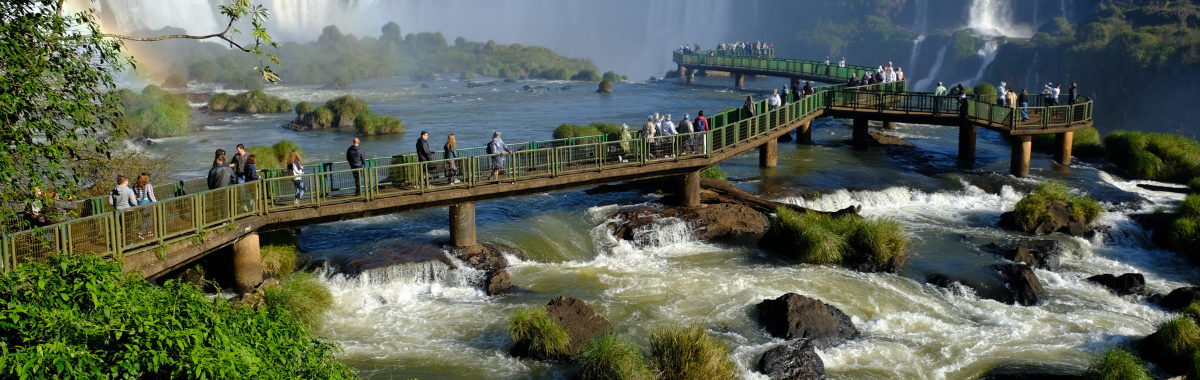
Argentina
Argentina offers an ideal environment for language learning and cultural immersion.
Buenos Aires provides opportunities for Spanish classes, local tasting experiences, and tango lessons.
Popular sabbatical activities include:
- Studying Spanish
- Exploring Patagonia
- Wine tasting in Mendoza
- Tango instruction
- Cultural exchange programs
Argentina's blend of urban life and natural beauty appeals to travelers seeking variety during a longer stay.
South Africa
Travelers interested in meaningful volunteer work often choose South Africa.
South Africa is known as a rewarding destination for those interested in community-focused projects and skill development through volunteering.
Highlights include:
- Wildlife conservation programs
- Community outreach initiatives
- Cultural experiences
- National parks
- Coastal adventures
The country combines volunteer opportunities with exceptional travel experiences.

Australia
Australia is frequently selected by travelers seeking outdoor adventures and extended exploration.
Australia appeals to travelers looking for city experiences, adventure travel, and tropical escapes.
Popular activities include:
- Road trips
- Diving on the Great Barrier Reef
- Coastal exploration
- Working holiday experiences
- Wildlife encounters
The country's size supports long-term travel itineraries that span several months.
Also Read: Best Places to Visit in Australia
Spain
Spain remains a favorite among sabbatical travelers focused on language acquisition and cultural experiences.
Long-term visitors often pursue:
- Spanish language programs
- Culinary courses
- Pilgrimage routes
- Regional cultural exploration
Popular cities include Madrid, Barcelona, Valencia, and Seville.
Also Read: Spain Travel Insurance & Assistance Services

Japan
Japan appeals to travelers seeking personal growth and cultural immersion.
Extended stays may include:
- Language study
- Cultural exchanges
- Culinary education
- Regional rail travel
- Traditional arts workshops
The country's blend of tradition and innovation creates a unique sabbatical experience.
Also Read: Japan’s Must Experience Festivals
Costa Rica
Costa Rica attracts travelers interested in sustainability, wildlife, and wellness.
Many sabbatical visitors participate in:
- Conservation projects
- Ecotourism programs
- Surf training
- Wellness retreats
- Language study
The country's emphasis on nature makes it attractive for travelers seeking a slower pace.
Also Read: Costa Rica Travel Insurance & Assistance Services

Different Ways to Structure a Sabbatical
Language Learning Sabbatical
Many travelers choose a destination specifically to learn a new language.
Examples include:
- Spanish in Argentina
- Spanish in Spain
- French in France
- Japanese in Japan
Language immersion combines education with cultural exploration.
Volunteer Sabbatical
Volunteer programs provide an opportunity to contribute to local communities while gaining new perspectives.
Educational Sabbatical
Some travelers use extended leave to pursue:
- Certifications
- Graduate studies
- Professional training
- Creative workshops
The added flexibility of a sabbatical creates opportunities that may be difficult during traditional work schedules.
Wellness Sabbatical
Wellness-focused travel remains increasingly popular.
Activities may include:
- Meditation programs
- Yoga retreats
- Nature immersion
- Mindfulness courses
These experiences often appeal to travelers seeking a reset before returning to work.
Also Read: How to Weave Wellness Travel into Any Trip

Common Challenges During Long-Term Travel
Travel sabbaticals offer remarkable opportunities, but longer journeys also introduce new considerations.
Potential challenges include:
- Flight disruptions
- Lost luggage
- Medical emergencies
- Severe weather
- Trip interruptions
- Transportation delays
- Unexpected schedule changes
Because a sabbatical often involves multiple destinations over an extended period, travel disruptions may affect several reservations and planned activities.
How Travel Protection Helps During a Travel Sabbatical
Travel protection becomes particularly valuable during longer trips due to the increased number of flights, accommodations, excursions, and logistical arrangements involved.
While every plan has specific terms, conditions, limitations, and exclusions, travel protection may provide valuable assistance when unexpected situations arise.
Trip Cancellation Benefits
Life events sometimes occur before departure.
Covered reasons may qualify travelers for reimbursement of eligible prepaid, nonrefundable travel expenses when a trip must be canceled before departure.
This is especially relevant for travelers preparing for sabbaticals involving significant upfront costs.
Trip Interruption Benefits
Extended journeys often involve multiple destinations.
If a covered event interrupts a trip after departure, Trip Interruption coverage is designed to help reimburse eligible expenses related to the interruption.
Long-term travelers with complex itineraries may find this benefit particularly valuable.
Travel Delay Benefits
Flight delays become more likely as the number of travel segments increases.
Travel Delay benefits are designed to help with covered expenses incurred due to a qualifying delay. Daily limits apply.
For sabbatical travelers connecting through multiple countries, delays may affect accommodations, tours, or onward transportation.
Baggage Protection
Many sabbatical travelers carry luggage containing clothing, electronics, educational materials, and specialized equipment.
Benefits related to lost, damaged, or delayed baggage may provide assistance when covered baggage issues occur during travel.

Returning to Work After a Sabbatical
A successful sabbatical does not end when the flight home lands.
Many travelers return with:
- New perspectives
- Cross-cultural experiences
- Language skills
- Leadership insights
- Professional inspiration
Documenting lessons learned and maintaining professional connections during an extended leave may help smooth the transition back into the workplace.
Travel Safe and Travel Smart
A travel sabbatical offers an opportunity to step away from routine life and dedicate meaningful time to exploration, learning, volunteering, wellness, or personal development. Whether the goal is studying Spanish in Argentina, volunteering in South Africa, exploring Australia, or immersing oneself in Thailand's culture, a sabbatical creates time for experiences that may be difficult to fit into a traditional vacation.
Because long-term travel often involves numerous reservations, flights, and destinations, travel protection is an important consideration when planning an extended journey. Benefits such as Trip Cancellation, Trip Interruption, Travel Delay, baggage-related protection, Medical and Dental, and Emergency Assistance and Transportation may help when covered travel issues arise.
Before embarking on a travel sabbatical, review travel goals, budget carefully, understand employer policies, and consider travel protection that aligns with the trip's length and complexity.
Ready to plan a travel sabbatical? Get a fast and free quote today and explore travel protection options for your next extended adventure.
FAQs
What is a travel sabbatical?
A travel sabbatical is an extended period away from work, often lasting between one month and one year, during which a traveler focuses on experiences such as travel, learning, volunteering, personal growth, or professional development.
How long should a travel sabbatical be?
Travel sabbaticals vary widely. Common lengths include one month, three to six months, or a full year depending on personal goals, finances, and employer policies.
What are the best destinations for a travel sabbatical?
Popular destinations include Thailand, Argentina, South Africa, Australia, Spain, Japan, and Costa Rica due to their cultural experiences, educational opportunities, volunteer programs, and long-term travel appeal.
Why is travel protection important for an extended sabbatical?
Longer trips often involve multiple flights, accommodations, and activities. Travel protection may provide valuable benefits for covered situations involving Trip Cancellation, Trip Interruption, Travel Delays, baggage issues, medical emergencies, and Emergency Evacuation.
Travel Resources
See All

10872502609

Average Customer Rating:

Thank you for visiting csatravelprotection.com