Where to Eat in Spain: Food Spots That Showcase Iconic Spanish Dishes
Key Takeaways
- Spain’s most memorable meals often come from regional specialties—from pintxos in San Sebastián to paella in Valencia and seafood in Galicia.
- The best “food spots” in Spain frequently mean markets, tapas neighborhoods, and unique experiences, not only sit-down restaurants.
- Multi-city itineraries built around food often involve trains, flights, and reservations; travel protection may help with eligible disruptions like delays, baggage issues, and certain covered cancellations.
Spain is not defined by a single cuisine. It is a collection of regional food traditions shaped by geography, language, local agriculture, and centuries of trade. That’s why the best way to eat well in Spain is to travel with a “dish map” in mind: pick the places where a dish is part of daily life, then eat it in the settings where locals actually enjoy it.
This guide highlights food-forward destinations and specific food spots—markets, old-town bar routes, and regional hubs where visitors are most likely to find Spain’s signature dishes prepared in ways that reflect local tradition. It also includes practical travel notes and a section on travel protection considerations for food-focused trips.

Barcelona: Market Culture, Tapas, and Catalan Staples
Barcelona is one of Spain’s most popular entry points, and it rewards travelers who treat eating like sightseeing. Tapas culture is strong here, and the city’s markets offer a fast way to sample regional ingredients without planning an entire itinerary around reservations.
Food spot: La Boqueria (Mercat de Sant Josep de la Boqueria)
La Boqueria is Barcelona’s best-known market, located off La Rambla. It has been part of the city’s market life for generations, and it remains a practical place to see (and taste) the range of Spanish staples—seafood, cured meats, produce, and prepared bites.
- What to look for: jamón and other cured meats, seafood counters, and market bars serving quick plates.
- Helpful planning detail: the market is typically open Monday to Saturday during daytime hours, which fits well into a morning sightseeing plan.
Dishes to prioritize in Barcelona
Barcelona’s tapas scene runs from simple classics to Catalan-leaning small plates. For a dish-first plan, prioritize:
- Croquettes (croquetas) in tapas bars and casual cafés
- Spanish tortilla (tortilla española) for an easy lunch option
- Cured meats and cheeses as a low-effort way to taste regional differences across Spain in one sitting
Timing tip
Barcelona supports late dining, but markets and market bars often work best earlier in the day. Many travelers build a “market lunch” into the itinerary, then keep dinner more flexible for tapas.
Madrid: Tapas Hopping and One of Spain’s Best Food Markets
Madrid is a strong destination for first-time visitors because it offers regional Spanish foods from across the country in one city—often without needing to travel far outside the center.
Food spot: Mercado de San Miguel
Located near Plaza Mayor, the Mercado de San Miguel has become one of Madrid’s most recognized gastronomic markets and a go-to stop for tapas-style grazing. Its layout supports a “build-your-own tasting menu” approach: pick a few small plates at different stands rather than ordering one full meal.
- What to look for: Iberian ham, cheeses, seafood selections associated with Galicia, and rice dishes that reference Spain’s coastal cooking traditions.
- Why it works: it is designed for tasting across categories, which makes it useful early in a trip for discovering favorites worth pursuing later.
Dishes to prioritize in Madrid
Madrid is a strong place for:
- Jamón ibérico and other cured meats
- Croquetas in a wide range of styles
- Classic tapas pairings that support an easy bar-to-bar evening
Also Read: 5 Free Things to do in Madrid
Valencia: The Home Base for Paella (and the Rice Culture Behind It)
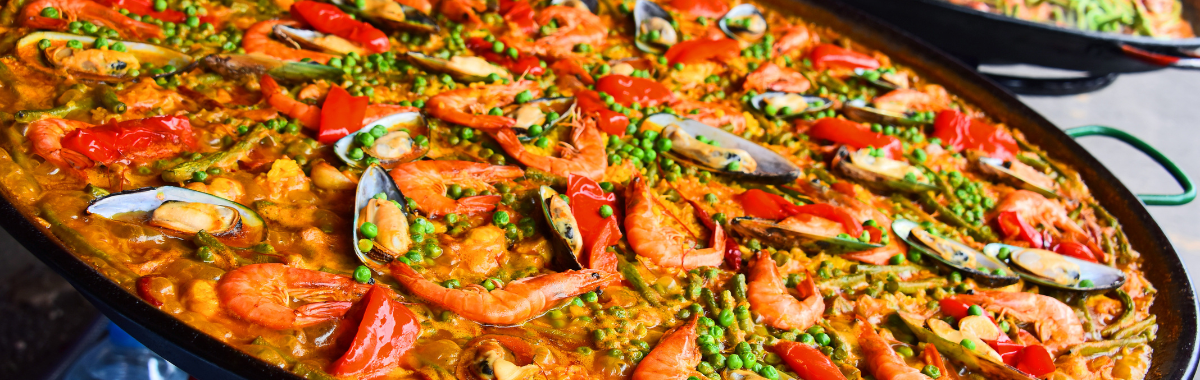
Valencia is closely tied to paella and the rice-growing culture that supports it. For travelers building a Spain itinerary around iconic dishes, Valencia is the most direct answer to the question: “Where is paella truly from?”
Food spot: Paella culture tied to Valencia tourism planning
Valencia’s official tourism resources actively point travelers toward paella experiences, including places to eat and ways to explore local food traditions beyond a single dish.
What to know about paella in Valencia
Paella is often treated as a social meal rather than a quick bite. Many visitors plan paella as a dedicated lunch especially if the itinerary includes sightseeing later in the day. The dish’s cultural role in Valencia supports slower pacing, which helps travelers avoid squeezing paella into an already packed schedule.
Dish-first add-ons in Valencia
Even for travelers focused on paella, Valencia supports broader tasting:
- Rice dishes beyond paella (regional variations and other rice preparations)
- Market stops that show the ingredients behind the cuisine
Also Read: The Best Places to Visit In Spain
San Sebastián (Donostia): Pintxos Culture and Michelin-Level Dining
San Sebastián is often considered one of Spain’s most influential food cities, balancing casual pintxos culture with internationally recognized fine dining. It is especially valuable for travelers who want iconic Spanish “small bites” that feel distinctly local rather than generic.
Food spot: Pintxos Routes in the Old Town (Parte Vieja)
Pintxos are closely related to tapas but reflect Basque culture and bar traditions. The best way to experience them is a crawl-style approach: a few bites at multiple bars rather than committing to one place for the entire meal.
Fine-dining anchor: Arzak
For travelers prioritizing Spain’s high-end culinary reputation, San Sebastián is known for Michelin-level dining. Arzak is one of the city’s flagship restaurants and has long been recognized for its role in Basque culinary innovation.
Dishes and flavors to prioritize in San Sebastián
A dish-first approach here often centers on:
- Pintxos featuring seafood, cured items, and seasonal vegetables
- Basque-style cooking techniques that show up even in casual bites
Also Read: Spain Travel Insurance & Assistance Services
Seville and Andalusia: Iconic Southern Flavors Beyond a Single Dish
Andalusia is one of Spain’s most recognizable regions for visitors, and Seville is often the easiest city base for experiencing its flavors. Eating here tends to feel deeply seasonal and strongly tied to hot-weather habits—lighter plates, cold soups, and shareable bites.
Dish-first focus in Andalusia
Instead of anchoring the itinerary to one “must-eat” dish, Andalusia works best as a region where visitors sample a small set of core flavors repeatedly across different settings:
- Tapas culture that favors shared plates
- Cold soups and lighter items that suit warm seasons
- Iberian pork traditions that shape menus across southern Spain
Travel pacing tip
Andalusia rewards slower pacing. Many visitors aim for a longer lunch and a later, lighter evening of tapas, which aligns well with local dining rhythms.
Córdoba and Granada: Moorish Influence and a Strong Tapas Identity
Southern Spain also offers a food culture shaped by Spain’s layered history. Cities like Córdoba and Granada are often included for their architecture, but they also support travelers looking for iconic Spanish dishes in settings where food is a daily ritual.
Dish-first approach for these cities
Rather than seeking one “signature restaurant,” visitors often do best by focusing on:
- Tapas neighborhoods in the historic core
- Traditional dishes that reflect local ingredients and centuries of influence
Galicia (Santiago de Compostela and beyond): Seafood and “Pulpo a Feira”
Galicia’s food identity is tied to the Atlantic—seafood, shellfish, and dishes that celebrate clean ingredients rather than heavy sauces. Santiago de Compostela often appears on itineraries for cultural reasons, but it also works as a gateway to Galician flavors.
Dish focus: Pulpo a feira (Galician-style octopus)
Pulpo a feira (also called pulpo a la gallega) is one of Galicia’s most recognizable dishes. It is traditionally served with olive oil and paprika, often on a wooden plate, and it shows up as a cultural staple in many Galician eating settings.
Also Read: 6 Fantastic Food Tours and Travel Destinations Around the World

Practical Planning Notes for Food-Focused Travel in Spain
Plan for Spain’s dining rhythm
Late dinners are common in many Spanish cities. A practical structure is:
- A market visit or café breakfast
- A longer lunch window
- A tapas-style evening that stays flexible
Use markets as “regional samplers”
Markets like La Boqueria and Mercado de San Miguel work as early-trip tools for building a list of ingredients and dishes worth chasing later.
Build the itinerary around dishes, not only cities
A dish-led itinerary often looks like:
- Barcelona for markets and tapas culture
- Madrid for markets and national variety
- Valencia for paella and rice tradition
- San Sebastián for pintxos and Basque cooking
- Galicia or Asturias for Atlantic flavors and regional identity
Travel Protection Considerations for Food-Driven Trips in Spain
Food-focused itineraries often mean moving between cities, keeping timed reservations, and planning day trips for markets, wine regions, or coastal meals. Those logistics introduce common travel risks: delays, missed connections, and baggage disruptions. Spain does not require travel insurance for U.S. tourists, though Schengen visa applicants may need proof of medical coverage that meets minimum standards.
For travelers building a multi-stop itinerary across Spain, travel protection may be relevant for:
- Trip Cancellation and Trip Interruption benefits for covered reasons
- Medical and Dental coverage while traveling
- Emergency Assistance and Transportation
- Baggage Loss, Damage, or Delay coverage
- Travel Delay benefits for eligible expenses
Exploring Spain through its most iconic dishes often involves moving between regions, timing market visits, and coordinating transportation. Get a fast and free quote today.
FAQs
What are the best food spots in Spain for first-time visitors?
Markets and tapas districts often offer the highest variety with the least planning. Madrid’s Mercado de San Miguel and Barcelona’s La Boqueria are widely recognized options for tasting multiple Spanish staples in one stop.
Where should travelers go in Spain for the most iconic dishes?
A dish-forward route often includes Valencia for paella, San Sebastián for pintxos, Galicia for seafood and pulpo a feira, and Asturias for cider culture.
Is it better to book restaurants in advance in Spain?
Markets and tapas routes reduce the need for reservations, but high-demand fine dining and certain destination experiences may require advance planning, especially in peak travel months.
Why consider travel protection for a food-focused Spain itinerary?
Food-driven itineraries often involve multiple cities, timed bookings, and transportation connections. Travel protection may help with eligible delays, baggage issues, and certain covered cancellations that affect prepaid trip components.
Travel Resources
See All

10872502605

Average Customer Rating:

Thank you for visiting csatravelprotection.com