Destinations that Require Travel Protection for Entry

Last Confirmed May 2026,
Key Takeaways
- Several global destinations require proof of travel insurance with medical coverage, and each location sets its own rules based on visitor nationality and visa type.
- Insurance requirements typically relate to access to medical care, emergency evacuation, or national health‑system protections, making travel protection valuable for international trips.
- Travelers should review official government or consular sources before departure and consider travel protection that meets or exceeds medical and emergency assistance expectations worldwide.
Why Some Countries Require Travel Insurance
Travel coverage requirements have become increasingly common in destinations that want visitors to have access to medical care, emergency services, or evacuation support while abroad. These policies are often designed to help protect national health systems and to reduce the financial and logistical challenges travelers may face during unexpected medical situations.
This blog provides a detailed, policy‑focused overview of destinations that require travel insurance or medical coverage for entry. All information is based on publicly available government resources and official consular guidance. Each section outlines who may need coverage, the type of protection typically expected, and where travelers can find the most current updates.
Destinations covered include the Schengen Area, the Galápagos Islands, Turkey, the Antarctica (via tour operators), Thailand (select visa categories), Algeria, Tanzania, and Zanzibar.
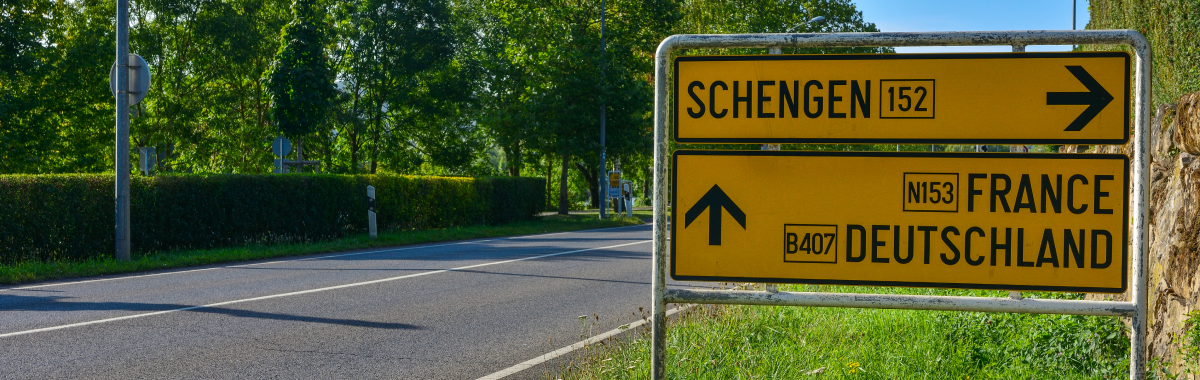
Schengen Area (Europe)
Who Needs Travel Insurance
Travelers who must apply for a Schengen Visa typically need proof of travel medical insurance as part of the visa application. This applies to nationals of countries that are not visa‑exempt for the Schengen Area. U.S. citizens visiting the Schengen Area for short stays up to 90 days do not need a visa and therefore are not required to show travel insurance at entry.
Insurance Requirements
The European Commission’s visa guidelines state that Schengen Visa applicants must present travel medical insurance with at least €30,000 in coverage. This coverage applies across all 27 Schengen member countries and remain valid for the entire stay.
Where to Find Official Information
The European Union provides visa and insurance requirement details on europa.eu and individual Schengen member‑state consulate sites.
Also Read: What American Travelers Need to Know About Visiting the Schengen Area

The Galápagos Islands (Not Including Ecuador)
Who Needs Travel Insurance
Ecuador’s tourism and immigration regulations have varied over time, but travelers to the Galápagos Islands are required to show proof of medical coverage. Although the mainland of Ecuador is not requiring medical coverage, the Galápagos Islands does require it.
Insurance Requirements
Official guidance indicates that visitors must have medical coverage valid for the duration of their stay, including coverage for medical emergencies and evacuation, which is especially important due to the islands’ limited medical facilities.
Where to Find Official Information
The Galápagos Government Council publish entry regulations.
Also Read: What You Need to Know (and Pack) For Visiting the Galápagos
Turkey
Who Needs Travel Insurance
Turkey may require visitors to show proof of medical coverage when applying for certain visa categories, including long‑stay visas, residence permits, and student visas. Travelers entering for short tourism stays may not be required to show coverage, though requirements vary by nationality and visa type. Because these rules can differ across consulates, travelers should confirm the most current guidance before applying.
Insurance Requirements
When required, medical coverage must be valid throughout the visitor’s stay. Turkey does not publish a universal minimum coverage amount for all travelers, and policies may vary by visa category. Travelers should review the details provided by the consulate processing their application to understand what level of medical coverage is expected.
Where to Find Official Information
Travelers can access current visa and entry requirements through the Republic of Türkiye Ministry of Foreign Affairs.
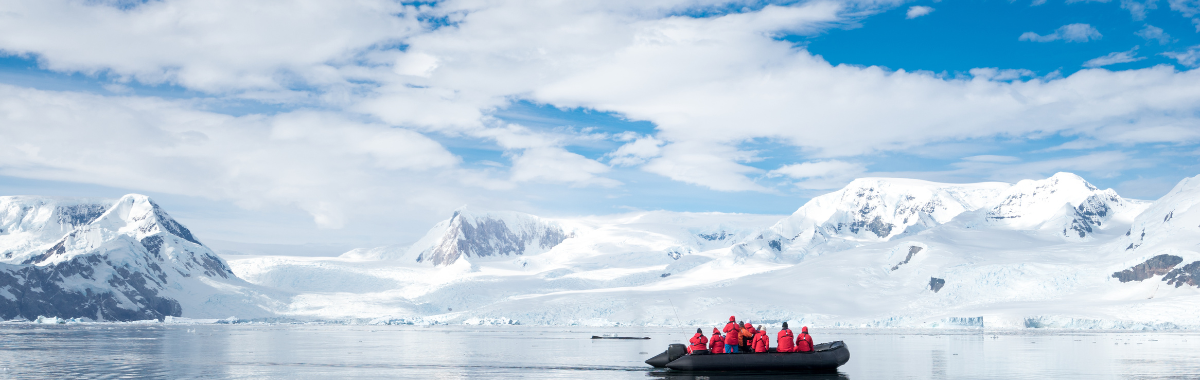
Antarctica
Antarctica is not a country, and therefore no government enforces entry rules. However, nearly all major expedition operators — including International Association of Antarctica Tour Operators (IAATO) members — require travelers to carry medical insurance and, often, substantial medical evacuation coverage.
Who Needs Travel Insurance
Travelers participating in guided expeditions or cruises almost always need both medical and evacuation coverage as part of operator policy.
Insurance Requirements
Evacuation requirements often exceed $100,000, depending on operator criteria. This amount reflects the cost of specialized transport from remote environments.
Where to Find Official Information
Travelers should reference their expedition operator’s policy and IAATO guidelines.

Thailand
Who Needs Travel Insurance
Thailand requires insurance for certain visa categories, including specific long‑stay and retirement visas. Standard short‑term tourism rarely includes a mandatory insurance requirement.
Insurance Requirements
Policies must provide medical coverage valid in Thailand for the length of the visa. Retirement visas may outline specific minimums, which can vary.
Where to Find Official Information
Thailand’s Ministry of Foreign Affairs and Thai embassies provide official visa details.

Algeria
Who Needs Travel Insurance
Most travelers applying for an Algerian visa are required to provide proof of medical coverage. This includes short visits, based on requirements published through Algerian consulates.
Insurance Requirements
Coverage must include medical care for the duration of stay. Specific minimum amounts are not always publicly listed.
Where to Find Official Information
Algerian embassies and consulates publish visa and insurance guidance.

Tanzania & Zanzibar
Who Needs Travel Insurance
Tanzania and Zanzibar do not impose a universal require travel insurance for all travelers. However, official embassy and tourism sources note that visitors may be required to show proof of medical coverage depending on visa category or travel program. Many safari operators, national‑park–based tour companies, and Kilimanjaro trekking outfitters require travelers to carry medical and evacuation insurance. These requirements are driven by operator safety standards and the remote nature of parks and mountain routes, where emergency evacuation can be complex and costly.
Insurance Requirements
While Tanzania and Zanzibar do not publish a strict universal minimum, many operators require medical coverage and evacuation support due to the remote nature of national parks and climbing routes.
Where to Find Official Information
Travelers should consult Tanzania Immigration Services Department and Zanzibar Tourism Commission for current requirements.

Why These Requirements Matter and How Travel Protection Helps
Countries that require travel insurance often do so to support visitor safety, reduce strain on national health systems, and help travelers access medical care without financial difficulty. Travel protection provides important benefits that align with these requirements, including:
- 24/7 Emergency Assistance
- Medical and Dental coverage
- Emergency Assistance and Transportation coverage
- Trip Cancellation coverage
- Trip Interruption coverage
These benefits help support travelers navigating unfamiliar healthcare systems, remote environments, or unexpected disruptions.
You Live. We Care.
As part of Redion, our plans give you access to a worldwide leader in 24/7 Travel Assistance:
- 400+ medical professionals in-house
- 4,500 medical facilities and doctors in our global network
- 5,000+ medical repatriations and evacuations each year
- 12,000+ people behind the promise
- 40 million calls received each year
- 1 intervention every 3 seconds
- #1 largest worldwide proprietary integrated medical network
- 1st travel assistance provider in history
Where Travelers Should Go for Up‑to‑Date Information
Because entry rules evolve, travelers should always verify requirements through:
- Official government or consulate websites
- Ministry of Foreign Affairs portals
- Embassy visa guidelines
- Local tourism boards
- U.S. State Department
These resources publish the most reliable and current information for visitors.
Get Travel Protection For Your Trip
For travelers preparing international trips—especially to destinations that require travel insurance— Generali Global Assistance offers travel protection plans that can help support medical needs, emergency assistance, and other important benefits during a trip.
Visitors can explore travel protection options and get a fast and free quote at any time.
Travel Resources
See All
10872502604

Average Customer Rating:
Thank you for visiting csatravelprotection.com