
6900572507, 11060002607
Traveling to the Bahamas for the First Time
Key Takeaways
- The Bahamas spans over 700 islands with Nassau and Paradise Island offering major resorts while the quieter Out Islands feature pristine beaches and crystal-clear waters.
- U.S. citizens need a valid passport to visit, and both U.S. and Bahamian dollars are accepted at a 1:1 exchange rate, though cash remains useful for taxis, tips, and Out Island vendors.
- Peak travel season runs mid-December to mid-April for drier weather, while Atlantic hurricane season from June 1 to November 30 brings lower prices but higher storm risk.
- Vehicles drive on the left side of the road, and transportation options vary by island, including taxis, ferries, golf carts, and domestic flights between resort areas.
If you’re considering a Caribbean trip, the Bahamas is one of the most accessible options for U.S. travelers, with short flights from Florida and other major cities, a mix of large resorts and quieter Out Islands, and relatively easy planning for a first visit. This Bahamas travel guide covers a few practical details worth knowing before you arrive.
Where the Bahamas Is Located
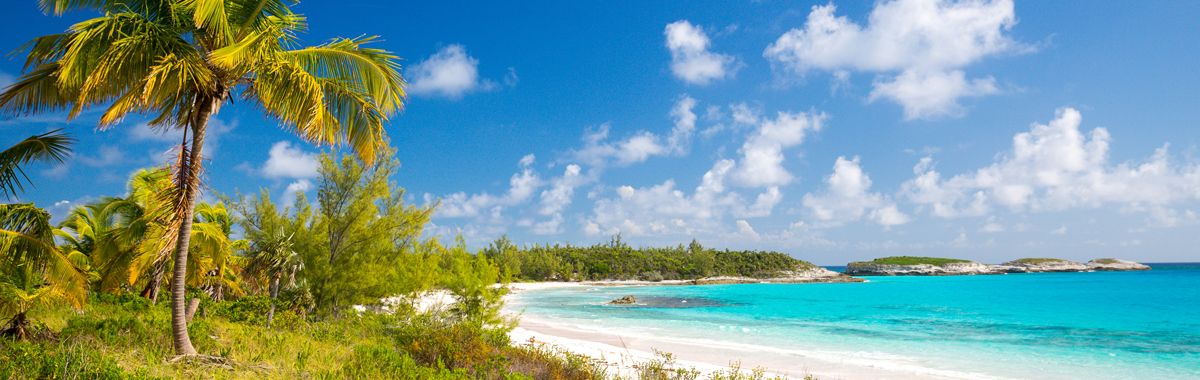
The Bahamas are over 700 islands stretching from near the Florida coast across about 500 miles of the Caribbean Sea, and many U.S. travelers can reach Nassau or other hubs on relatively short direct flights. Paradise Island and the Nassau area are the most heavily populated—and where you’ll find the major resorts. The low-key “Out Islands” are home to amazing beaches and the crystal clear turquoise waters that the Bahamas is famous for.
Things to Do in the Bahamas
The Bahamas offers a range of beach experiences and places to go, from Harbour Island’s pink sand to quieter stretches on Cat Island. Atlantis Paradise Island is a popular stop, especially for travelers comparing trips with other family-friendly Caribbean islands. Aquaventure Waterpark on Paradise Island offers activities suited to a wide range of ages and abilities.
Also read: Why You Should Get Travel Protection for All-Inclusive Resort Vacations
Best Photo Spots and Bucket-List Experiences in the Bahamas
Bring a waterproof camera—many of the most memorable Bahamian photo spots are in or near the water. You can also explore Harbour Island’s pink sand beaches for one of the destination’s best-known beach scenes. Take in the view from the faux Mayan temple at the Atlantis resort, then try the waterslide that passes through the shark habitat. Thunderball Grotto is an otherworldly sight. Be sure to document your visit with a snap of your snorkeling adventure.
What to Eat and Drink in the Bahamas
- conch fritters
- stone crab claws
- fresh local seafood
- Kalik lager
- Goombay Smash, a mixture of dark rum, coconut rum, apricot brandy, and pineapple and orange juices
For a more local meal, look for fish fry spots such as Arawak Cay instead of relying only on resort restaurants.
Where to Stay in the Bahamas
You’ll find accommodations ranging from family-run inns in Exuma to boutique hotels and mega-resorts on Paradise Island. Whether you’re going on a Bahamas vacation as a romantic retreat, a family vacation, or a gals or guys get-together, you’ll find options that match how you want to travel. If you’re comparing larger properties, these Bahamas resort options may help.
If you’re comparing places to go in the Bahamas, this quick guide can help you match an island area to your travel style.
Area | Best Fit | Highlights | Trade-Offs |
Nassau and Paradise Island | first-time visitors, resort stays, and families | major resorts, dining, nightlife, and easier flight access | busier atmosphere and more built-up areas |
Exuma | quieter beach trips and boat-focused vacations | clear water, cays, and smaller lodging options | fewer services and more advance planning |
Harbour Island and Eleuthera | boutique stays and beach-focused travelers | pink sand, laid-back pace, and scenic coastal areas | higher prices in some areas and less nightlife |
Grand Bahama and the Out Islands | repeat visitors and nature-focused trips | diving, fishing, and lower-key beaches | more limited transportation and cash needs in some areas |
When Is the Best Time to Visit the Bahamas?
The best time to visit the Bahamas depends on your priorities. The weather in Bahamas destinations is warm for much of the year, but peak season generally runs from mid-December to mid-April, when many travelers look for drier conditions and busy resort areas. Shoulder seasons can offer a balance of crowd levels and pricing.
Atlantic hurricane season runs from June 1 to November 30. Summer and fall trips may come with lower prices, but they also bring a higher chance of storms that may disrupt flights, ferries, and resort stays. If weather risk is part of your planning, it may help to review travel protection for the Bahamas before you book.
Currency, Costs, and Practical Money Tips for the Bahamas
For Bahamas currency basics, the Bahamian dollar is pegged at a 1:1 exchange rate to the U.S. dollar, and both currencies are widely accepted. You may receive change in Bahamian dollars, so it helps to keep small bills organized.
Cards are commonly accepted at major resorts and in Nassau, but cash is still useful for taxis, tips, small vendors, and some businesses on the Out Islands. Gratuities may already be added at restaurants or hotels, so check the bill before tipping extra.
Bahamas Culture, History, and Festivals
The annual Junkanoo festival sees thousands of people in colorful costumes and headdresses dancing in the streets to Bahamian music on December 26th and New Year’s Day. History buffs may trace the steps of explorer Christopher Columbus who landed in the Bahamas in 1492. Legendary pirate Blackbeard is said to have visited the Bahamas and many shipwrecks have become popular diving and snorkeling sites.
For everyday culture and customs, it’s courteous to cover up when you leave the beach or pool area, and many restaurants may include a service charge or follow tipping practices similar to those in the U.S.
Practical Tips for Traveling to the Bahamas
Entry Requirements
If you’re visiting for the first time, check current entry rules before departure. U.S. citizens typically need a valid passport, and visa requirements may depend on the length and purpose of your stay, so review the latest guidance from the U.S. State Department.
Getting Around
Driving in the Bahamas can be a bit of an adjustment for American visitors—vehicles drive on the left-hand side of the road. Depending on the island, you may also rely on taxis, ferries, golf carts, or domestic flights to move between resort areas and the Out Islands.
Money and Payments
U.S. dollars are widely accepted, but small cash purchases and tips are often easier if you carry some bills, especially outside major resort zones. If you’re island-hopping or heading to the Out Islands, confirm payment methods in advance.
Customs and Re-entry
Before returning to the United States, review current U.S. Customs and Border Protection requirements for bringing purchases home. Duty-free allowances and personal exemptions depend on factors such as the length of your trip and your travel history. For example, travelers who have been outside the United States for less than 48 hours may generally be limited to a $200 personal exemption. Be sure to check the latest CBP guidance before you travel. If your trip includes non-refundable airfare, resort stays, or excursions, it may help to review why travelers often help protect Bahamas trips before departure.
If you’re booking a Bahamas trip with non-refundable costs, compare your options before you go.
Get a travel protection quote and compare plans.
Bahamas FAQ
Do U.S. citizens need a passport or visa to visit the Bahamas?
U.S. citizens generally need a valid passport for entry and re-entry. Visa rules may vary based on the purpose and length of your stay, so it’s best to confirm current requirements with the U.S. State Department before you travel.
What currency is used in the Bahamas?
The Bahamian dollar is the local currency, and it is pegged 1:1 to the U.S. dollar. U.S. dollars are widely accepted, though you may receive change in Bahamian dollars.
When is hurricane season in the Bahamas?
Hurricane season in the Bahamas runs from June 1 to November 30. Weather conditions vary each year, so monitor forecasts closely if you’re traveling in summer or fall.
Is it safe to travel to the Bahamas?
Safety can vary by island, neighborhood, and activity. Review current government advisories, use standard travel precautions, and ask your hotel or host about local transportation and after-dark plans.
Travel Resources
See All
Average Customer Rating:

Thank you for visiting csatravelprotection.com