The Philippines Travel Guide: Islands, Culture, Cuisine, and Vacation Planning
Key Takeaways
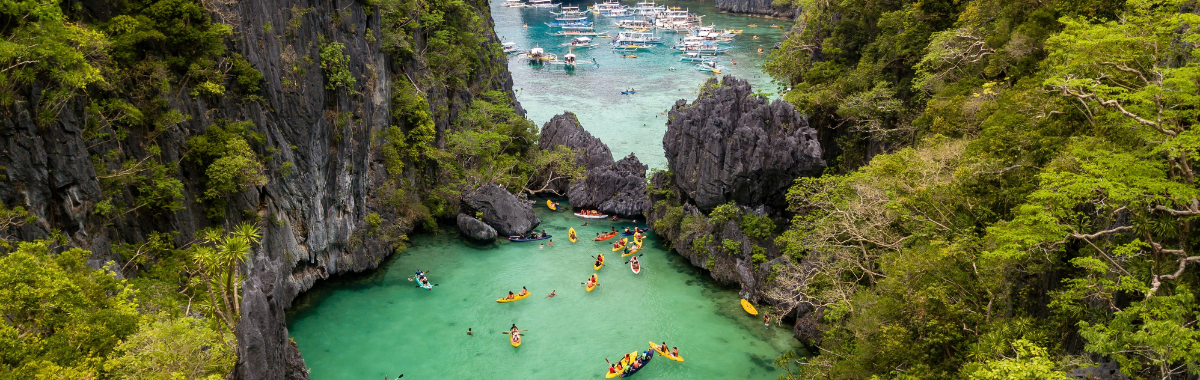
- The Philippines is an archipelago of more than 7,000 islands, offering everything from bustling cities to world-famous beaches.
- Travelers should understand the country's transportation logistics and review current travel advisories before departure.
- Travel protection that includes both insurance and assistance services may help address unexpected challenges during a multi-island vacation.
The Philippines has become one of Southeast Asia's most talked-about destinations. Interest in the country continues to grow thanks to its stunning natural landscapes, dynamic food scene, vibrant culture, and increasing visibility on the global stage. For travelers looking beyond traditional beach destinations, the Philippines offers an intriguing blend of island adventures, urban exploration, and authentic cultural experiences.
Whether the goal is relaxing on white-sand beaches, discovering historic cities, sampling Filipino cuisine, or exploring volcanic landscapes, understanding the country's unique geography and travel considerations helps create a smoother vacation experience.

Understanding the Philippines' Island Geography
One of the first things travelers learn about the Philippines is that getting around is very different from traveling in a typical mainland destination. The country consists of roughly 7,600 islands spread across a vast area of the western Pacific Ocean.
The country's island structure creates incredible diversity. One island might feature world-class beaches and luxury resorts, while another offers mountain landscapes, waterfalls, or a more local cultural experience. Because so many destinations are separated by water, transportation becomes a key part of vacation planning.
Rather than relying on road trips, visitors typically travel between regions using a combination of domestic flights, ferries, and organized boat transportation. This island-hopping element is part of the appeal, but it also means travelers should build flexibility into their itineraries. Weather conditions, ferry schedules, and transportation connections may affect travel plans.

Safety Considerations for Travelers
As with any international destination, conditions can vary from one region to another. Travelers should review current travel information and advisories before departure and stay informed throughout their trip to help make informed travel decisions.
Before traveling internationally, it is also wise to enroll in government traveler notification programs when available and review the latest destination updates. Staying aware of local conditions helps travelers make informed decisions and adjust plans if necessary.
For most visitors following common-sense precautions in established tourism areas, popular destinations throughout the Philippines remain accessible and welcoming.
Also Read: Understanding U.S. Department of State Travel Advisories
Exploring Manila
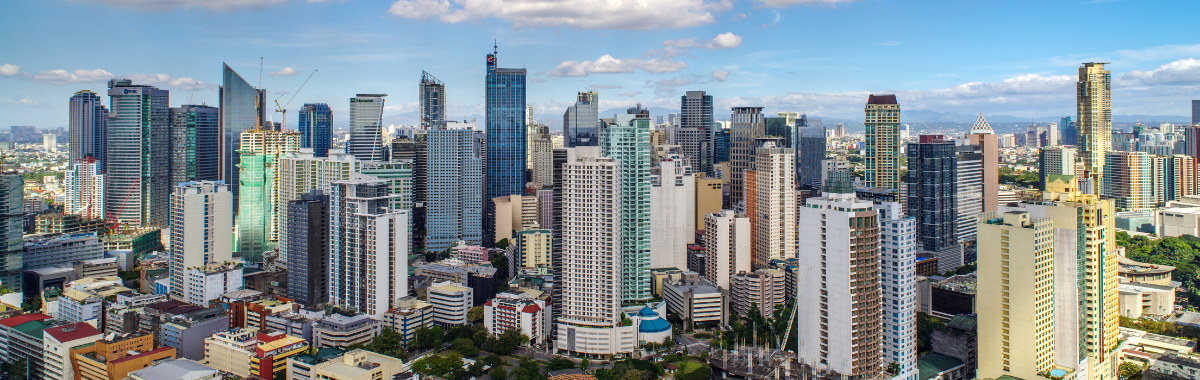
Many international travelers begin their Philippine vacation in Manila, the country's largest city and primary international gateway. Manila delivers an energetic introduction to Filipino culture, combining Asian, Spanish, and American influences in a way few cities can match.
Visitors will encounter busy streets, bustling markets, diverse dining options, and neighborhoods packed with history. The city's atmosphere can feel intense for first-time visitors, particularly those unfamiliar with large Southeast Asian cities. Traffic congestion is common, and the urban energy rarely slows down.
Despite the pace, Manila offers rewarding experiences for travelers who embrace it. Historic sites, cultural landmarks, local restaurants, and modern shopping districts help showcase the Philippines' complex and fascinating identity.
As in most major cities, travelers should remain aware of their surroundings, use authorized transportation providers, and keep personal belongings secure.
History Beyond the Capital
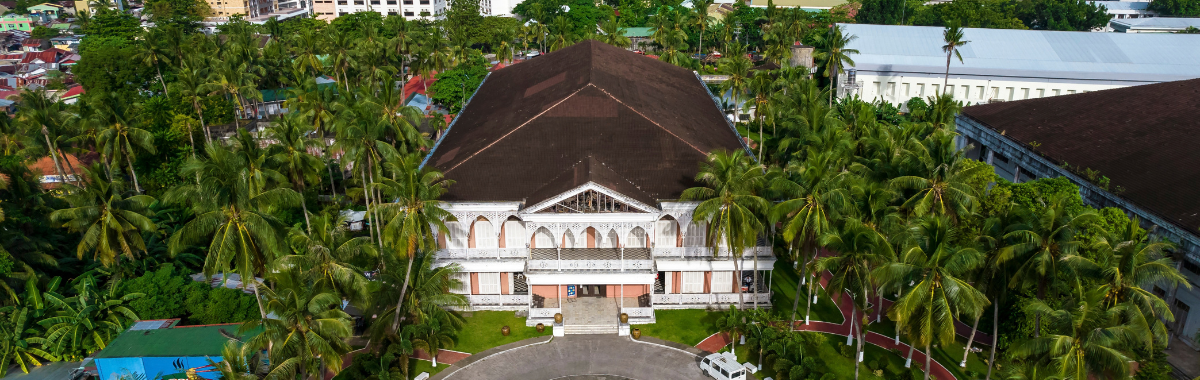
Travelers interested in history have opportunities beyond Manila. The city of Tacloban and nearby Leyte offer important connections to World War II history, including sites associated with General Douglas MacArthur's return to the Philippines.
These destinations add historical depth to an itinerary and provide a different perspective on the country's role in major global events. Combining cultural, historical, and natural attractions helps create a more well-rounded Philippine vacation experience.
The Natural Beauty That Draws Visitors Worldwide
The Philippines is known for extraordinary natural scenery. Across the islands, travelers encounter beaches, forests, volcanoes, waterfalls, limestone formations, and mountain landscapes.
Each island feels distinct, which is one reason repeat visitors often return. A single trip rarely captures everything the country has to offer. Island-hopping adventures may include snorkeling, diving, hiking, wildlife viewing, boating excursions, and simple relaxation on secluded stretches of sand.
For many visitors, the greatest challenge is choosing which islands to visit during a limited vacation window.
Why Palawan Frequently Tops Travel Lists
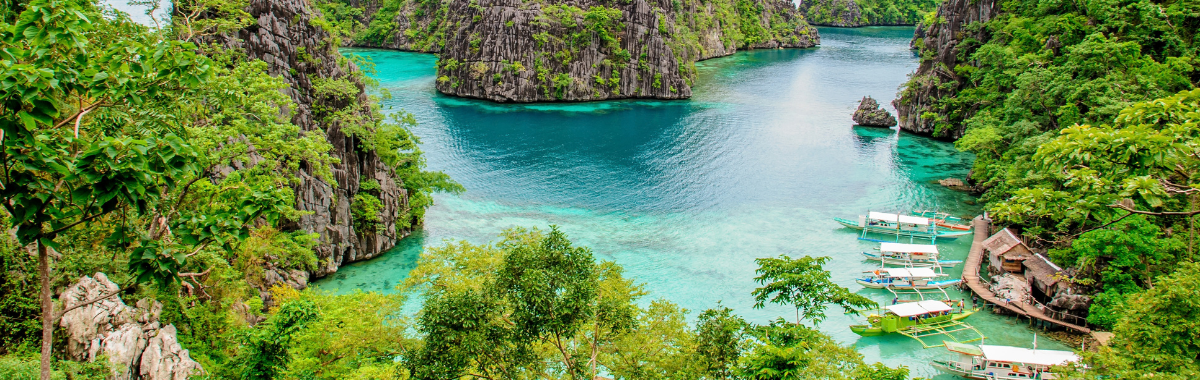
Among the Philippines' most celebrated destinations, Palawan consistently ranks near the top. The island is famous for its dramatic rock formations, crystal-clear water, rich marine ecosystems, and white-sand beaches.
Palawan appeals to a wide range of travelers. Adventure seekers appreciate opportunities for island hopping and marine exploration, while couples and beach lovers enjoy the island's postcard-worthy scenery. Visitors looking for stunning photography opportunities often find Palawan among the most visually impressive locations in Southeast Asia.
Transportation options, accommodations, and tourism infrastructure continue to expand, making the destination more accessible than many travelers expect.
Also Read: Travel Protection for the Philippines
The Enduring Appeal of Boracay
Boracay remains one of the country's most recognizable beach destinations. Known for its powdery white sand and beautiful coastline, the island has long attracted international travelers seeking a classic tropical getaway.
While tourism is well established, Boracay still maintains much of the natural beauty that made it famous. The island strikes a balance between visitor amenities and scenic appeal, making it suitable for first-time visitors to the Philippines.
More Islands Worth Discovering
One of the advantages of visiting an archipelago is the variety available to travelers. Islands such as Kalanggaman, Malapascua, Malcapuya, and Camiguin each provide their own distinctive experiences.
Some appeal to divers, others to beach lovers, and still others to travelers searching for a quieter atmosphere away from larger tourism hubs. The sheer number of islands means travelers often find destinations that align closely with their preferred travel style.
Frequently Asked Questions
How many islands are in the Philippines?
The Philippines consists of approximately 7,600 islands, making it one of the world's largest archipelagic nations.
What is the best island to visit in the Philippines?
Palawan and Boracay are among the most popular choices, though the ideal destination depends on a traveler's interests, budget, and preferred activities.
Is transportation between islands easy?
Travel between islands typically involves ferries, domestic flights, and boat transfers. Planning ahead is important when building a multi-island itinerary.
What food should travelers try in the Philippines?
Adobo is one of the Philippines' most iconic dishes, but travelers should also explore regional specialties, seafood dishes, and local street food offerings.
Do travelers need travel protection for the Philippines?
Many travelers choose travel protection because island-hopping itineraries often involve multiple transportation segments and changing travel conditions. The right plan depends on the specifics of the trip.

A Food Scene Unlike Anywhere Else
Filipino cuisine reflects centuries of cultural influences. Spanish, Asian, and American traditions have all helped shape a culinary identity that is distinctly Filipino.
Seafood, pork, and beef feature prominently throughout the country, while many dishes are known for bold flavors. Travelers familiar with other Southeast Asian cuisines may still discover something entirely different in the Philippines.
Perhaps the country's best-known dish is adobo, a savory preparation commonly made with vinegar, soy sauce, and peppercorns. It's a staple that introduces visitors to the flavor profile found throughout many Filipino meals.
Street food culture also plays an important role in everyday life. Travelers willing to be adventurous often encounter regional specialties and unique ingredients that rarely appear on menus outside the Philippines.
Also Read: 6 Fantastic Food Tours and Travel Destinations Around the World
Why Travel Protection Matters for a Philippines Vacation
Because travel in the Philippines frequently involves flights, ferries, island transfers, and extensive logistics, unexpected disruptions may affect vacation plans. Travel protection and assistance services may provide valuable support when dealing with covered travel interruptions and other unexpected events.
For travelers planning a multi-island itinerary, it is worth reviewing available travel protection options before departure. Different plans offer different benefits, making it important to evaluate coverage based on the details of the trip.
Help Protect Your Trip To The Philippines
The Philippines delivers a rare combination of island beauty, cultural richness, memorable cuisine, and adventure opportunities. From Manila's urban energy to Palawan's legendary landscapes and Boracay's iconic beaches, the country rewards travelers who are willing to explore beyond a single destination.
A well-planned itinerary, awareness of travel logistics, and the right travel protection strategy help travelers make the most of a Philippine vacation while navigating the realities of traveling across thousands of islands. Get a fast, free quote and compare plans designed for international travel so you can choose the protection that fits your itinerary.
Frequently Asked Questions
How many islands are in the Philippines?
The Philippines consists of approximately 7,600 islands, making it one of the world's largest archipelagic nations.
What is the best island to visit in the Philippines?
Palawan and Boracay are among the most popular choices, though the ideal destination depends on a traveler's interests, budget, and preferred activities.
Is transportation between islands easy?
Travel between islands typically involves ferries, domestic flights, and boat transfers. Planning ahead is important when building a multi-island itinerary.
What food should travelers try in the Philippines?
Adobo is one of the Philippines' most iconic dishes, but travelers should also explore regional specialties, seafood dishes, and local street food offerings.
Do travelers need travel protection for the Philippines?
Many travelers choose travel protection because island-hopping itineraries often involve multiple transportation segments and changing travel conditions. The right plan depends on the specifics of the trip.
Travel Resources
See All

10872502609

Average Customer Rating:

Thank you for visiting csatravelprotection.com