How to Use Travel Protection for Medical Issues When Traveling Abroad

Key Takeaways
- Generali Global Assistance travel protection includes Medical and Dental, Emergency Assistance and Transportation, and more benefits designed to help support travelers facing unexpected health issues abroad.
- Medical systems around the world vary widely. Travelers often encounter unfamiliar processes, upfront payment requirements, language barriers, and U.S. health insurance (including Medicare) frequently provides little or no coverage overseas.
- Knowing how and when to access care, and having support that guides you through the process, helps travelers make confident decisions during stressful moments.
Why Medical Coverage and Assistance Matters Abroad
When traveling internationally, even a relatively simple injury or illness can become complicated. Many travelers are surprised to learn that:
- Most U.S. health insurance doesn’t work well overseas, especially when it comes to emergency medical treatment, direct billing, or evacuation support.
- Medicare generally provides no coverage outside the United States, leaving travelers responsible for international medical costs unless they have separate protection.
- Medical practices abroad may differ significantly from what Americans are used to, from how care is delivered to the expectation of upfront payment at clinics and hospitals.
Generali Global Assistance travel protection helps bridge these gaps with Medical & Dental and Emergency Assistance & Transportation coverages designed to help support travelers navigating unfamiliar medical environments.
This guide outlines how travelers may use these benefits in real-world scenarios abroad, whether dealing with a minor issue, seeking urgent care, facing hospitalization, or requiring evacuation to a facility capable of providing necessary treatment.

When a Health Issue Begins Abroad
Illness or injury can occur at any point during a trip. Whether it’s stomach pain, a sudden fever, a sprained ankle, or something more serious, travelers often find themselves unsure of how to access medical care in another country.
Telemedicine
Not every health concern requires an in-person visit. Many begin by using the Telemedicine Service included with all of our plans, which can help assess the situation and provide guidance on whether further treatment is needed. Telemedicine can also help reduce unnecessary trips to unfamiliar clinics if the issue is minor and manageable without an in-person visit.
Benefits:
- 24/7 global access to licensed U.S. medical professionals without leaving your hotel room.
- Guidance on whether you need in-person care.
- Prescriptions when appropriate and available.
Learn more about How to Use Telemedicine Services
Important Note: Telemedicine is designed for non-emergency medical concerns only. It is not a substitute for emergency medical care. If you experience an emergency, call local emergency services immediately.
Getting Support Through 24/7 Emergency Assistance
Travelers can contact 24/7 Emergency Assistance at any stage to help navigate their situation. The team is designed to support travelers who may be overwhelmed by unfamiliar medical systems by helping to:
- Locate nearby clinics, urgent care centers, physicians, or hospitals
- Understand local medical customs or payment expectations
- Coordinate appointments or help communicate with medical providers
- Support case monitoring depending on the situation
- Assist with language or translation needs when appropriate
This assistance can be especially helpful in countries where payment is required upfront, documentation processes differ, or where language barriers make it difficult to understand treatment options.
How to access our assistance team:
In the United States, toll-free: 800-874-2442
Collect worldwide: 240-330-1529

Seeing a Local Medical Provider
If Telemedicine or the 24/7 Emergency Assistance team recommends an in‑person evaluation, the next step is typically visiting a local clinic, urgent care center, or physician. This level of care is intended for non‑life‑threatening conditions that still require hands‑on assessment, such as persistent pain, worsening symptoms, minor injuries, or situations where a physical exam or diagnostic testing is appropriate.
International medical visits often work differently than what many travelers are used to at home. Providers in many countries expect payment at the time of service, regardless of a traveler’s insurance status. The assistance team can help guide you through what to expect, including local customs, typical costs, and what documentation you’ll need afterward.
When receiving care from a local provider abroad, travelers should request and keep:
- Receipts for all payments
- Medical notes, diagnoses, or treatment summaries
- Any imaging or test results
- Prescriptions or pharmacy receipts
These documents are important for submitting a claim for covered expenses under your plan.
Seeing a local provider is different from hospitalization, which is generally reserved for more serious or urgent medical events that require specialized equipment, extended observation, or complex treatment. If hospitalization appears necessary, the assistance team can help coordinate next steps or guide you toward an appropriate facility.
Hospitalization Abroad
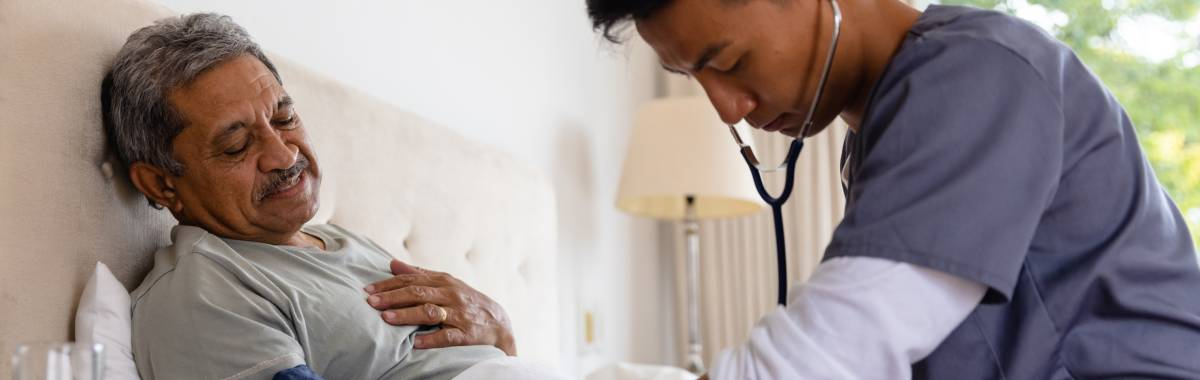
If an illness or injury is serious enough to require hospital-level care, the experience can differ significantly from what travelers expect at home. Hospitals abroad may vary in quality, intake procedures, communication style, and payment policies.
Travelers may need to:
- Provide upfront payment for services
- Rely on hospital translation services or assistance support for communication
- Follow local protocols for admission, testing, and treatment
Emergency Assistance is designed to help coordinate communication with the hospital and support case monitoring. Emergency Transportation benefits may also become relevant and cover costs if a traveler needs an ambulance or must be moved to another facility that can provide appropriate care.
Emergency Evacuation
Some medical events require treatment that isn’t available locally. Benefits that provide for emergency medical evacuation are designed to support transporting a traveler to the nearest adequate medical facility.
Evacuation can take many forms depending on the situation, including:
- Ground ambulances
- Helicopter evacuation from remote areas
- Air ambulance flights between medical facilities
- Transfers to another hospital when the current one lacks necessary capabilities
Evacuation decisions are typically based on recommendations from the treating physician and the assistance provider’s medical team. These benefits can be critical in locations where adequate medical care is limited or when specialized treatment is required.
Using Dental Coverage Abroad
Dental emergencies such as infections, cracked teeth, or sudden pain can significantly disrupt a trip. Dental benefits are designed to help support expenses for dental emergencies that occur during travel.
Travelers needing dental care abroad should:
- Contact 24/7 Emergency Assistance for help finding a local dentist
- Seek treatment from a suggested provider
- Obtain receipts and treatment notes
- Submit a claim for reimbursement
Direct Billing and Gathering Documentation
In many situations and locations, Generali Global Assistance’s assistance team is designed to assist with arranging direct billing with medical facilities, so you don’t need to pay out-of-pocket (not to exceed $1000) up front.
Regardless of whether direct billing is available, travelers should collect:
- Treatment records
- Itemized receipts
- Diagnoses or written medical summaries
- Hospital admission and discharge documents
- Prescription receipts
- Any imaging or testing results provided
Our assistance team can help travelers understand the documentation commonly required for a claim and what local providers should supply at the time of treatment.
Navigating Medical Situations with Travel Protection
Medical events abroad can be stressful, especially when facing unfamiliar systems, language differences, and unexpected expenses. Generali Global Assistance travel protection includes benefits and services designed to support travelers through these challenges.
Understanding what these benefits can do, and what steps to take when an issue arises, helps travelers feel more prepared and confident during their trip.
Get a fast and free quote today to help protect your next trip.
Travel Resources
See All

*Disclaimers
Terms and conditions apply. Requirements may vary by state.

Average Customer Rating:
Thank you for visiting csatravelprotection.com