Why Travelers Are Choosing Experiences Over Souvenirs
Key Takeaways
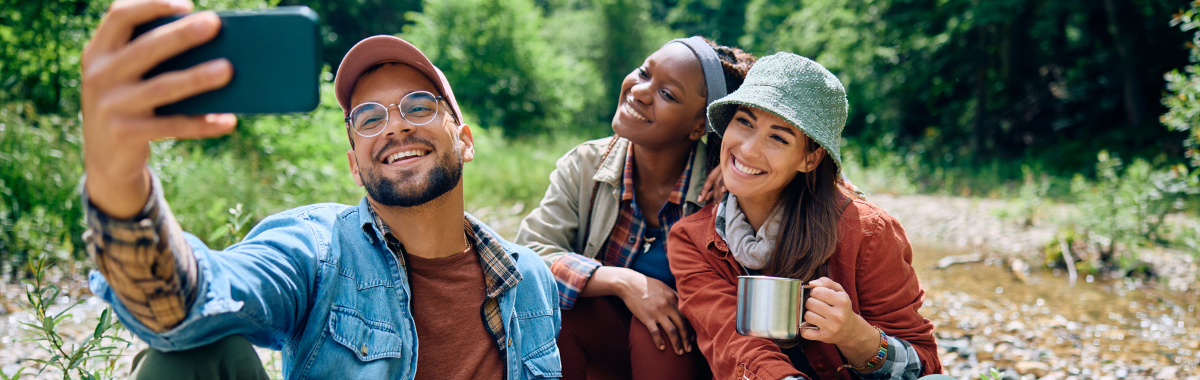
- Travelers are increasingly spending vacation budgets on memorable activities, local connections, and hands-on experiences rather than traditional souvenirs.
- Experiences such as cooking classes, guided hikes, cultural workshops, and local tours often create longer-lasting memories than a postcard, mug, or T-shirt.
- Choosing experiences helps travelers connect more deeply with destinations while bringing home stories, skills, and personal growth that extend beyond the trip.
Travel souvenirs have long been part of the vacation experience. For decades, travelers returned home with T-shirts, coffee mugs, postcards, magnets, and keychains as tangible reminders of places they visited. While these traditional keepsakes still have a place in travel culture, a growing number of travelers are prioritizing experiences over physical items.
This shift reflects a broader change in how people view travel. Rather than collecting objects, many travelers want to collect memories, learn new skills, immerse themselves in local culture, and create stories worth sharing. According to Shaka Nomad, travelers are increasingly choosing activities such as cooking classes, pottery workshops, language exchanges, and guided adventures instead of purchasing traditional souvenirs. These experiences often leave a more lasting impression than anything found in a gift shop.
The trend is reshaping how people plan vacations, spend travel budgets, and define what they bring home from a trip.
The Evolution of Travel Memories
Years ago, travel memories were often represented by physical objects. A traveler visiting Paris might purchase an Eiffel Tower keychain. Someone returning from Florida may have brought back a beach-themed coffee mug. A family road trip often ended with shopping bags full of souvenirs from roadside gift shops.
Today, travelers have different ways of preserving memories. Smartphones, social media, digital photography, and online travel journals allow visitors to document experiences instantly. A photograph from a cooking class in Tuscany or a video taken during a surf lesson in Costa Rica often carries more emotional value than a souvenir purchased at the airport.
The result is a shift from ownership to participation.
Instead of asking, "What should be bought while visiting?" travelers are increasingly asking, "What should be experienced while visiting?"
Also Read: What To Bring Back from Vacation
Why Experiences Hold More Value
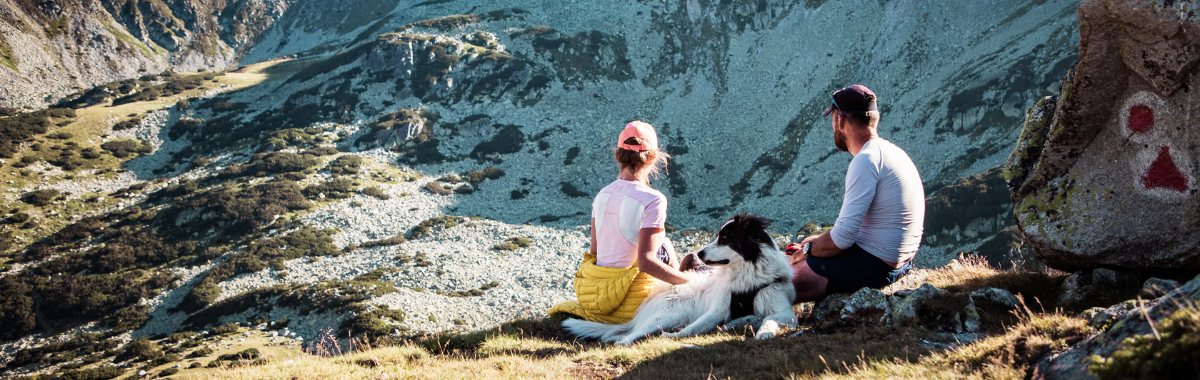
The appeal of experiences extends beyond social media posts and vacation photos. Experiences often create emotional connections that last far longer than physical possessions.
A mug purchased during a vacation becomes another item in a kitchen cabinet. A T-shirt eventually fades or gets replaced. A postcard may spend years tucked away in a drawer.
Meanwhile, participating in a local cooking class teaches techniques and recipes that travelers continue using long after returning home. Learning traditional pottery skills from local artisans offers insights into a culture's history and craftsmanship. Taking part in a guided wildlife excursion creates memories tied to real moments rather than purchased products.
Shaka Nomad notes that travelers increasingly view skills and experiences as investments that continue providing value after the trip ends. A traveler who learns how to make pasta in Italy or participates in a Japanese tea ceremony brings home knowledge and memories that remain meaningful for years.

Learning Instead of Buying
One of the most significant examples of this trend is the rise of educational travel experiences.
Travelers are seeking opportunities to learn directly from local communities. Rather than spending time shopping for souvenirs, many visitors dedicate time to workshops and classes that provide a deeper understanding of a destination.
In Italy, travelers often enroll in pasta-making classes led by local chefs. These experiences introduce visitors to regional ingredients, family traditions, and cooking methods passed down through generations.
In Japan, traditional tea ceremonies allow travelers to gain a greater appreciation for cultural customs, etiquette, and hospitality.
In Mexico, artisan workshops provide opportunities to learn traditional textile-making techniques, pottery production, and local crafts.
These experiences do more than fill an itinerary. They create a meaningful connection between travelers and the places they visit.
Also Read: Top Museums Around the World to Visit
Europe's Hands-On Travel Boom
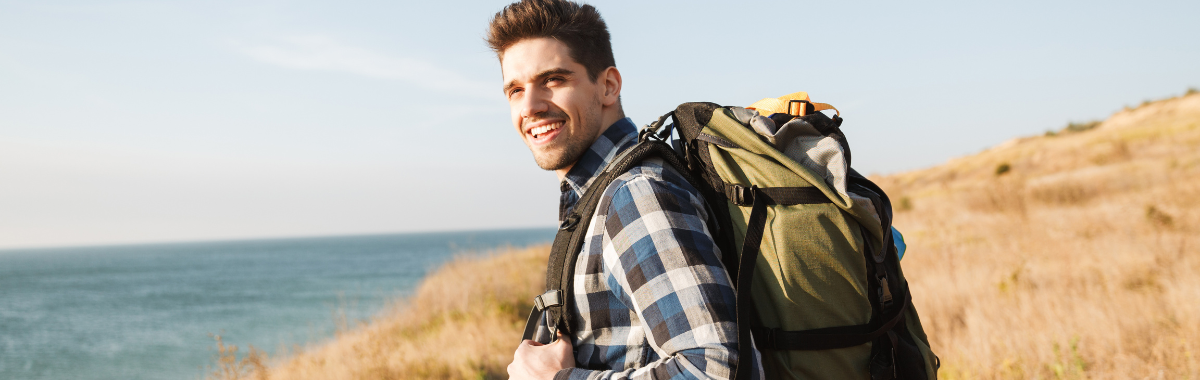
Throughout Europe, travelers increasingly seek activities that immerse them in local life.
In Tuscany, visitors frequently spend afternoons learning how to prepare handmade pasta and regional dishes. A cooking class in a countryside villa often provides a more memorable story than purchasing a cookbook or kitchen trinket.
In Portugal, travelers can participate in tile-painting workshops that highlight the country's famous azulejo tradition. Rather than buying decorative tiles from a shop, visitors learn about the artistic process firsthand.
In Spain, flamenco lessons and dance workshops provide an interactive way to experience local culture. Travelers gain an appreciation for the music and movement while creating personal memories connected to the destination.
In Greece, olive oil tastings and traditional cooking experiences allow visitors to explore local culinary traditions beyond a restaurant meal.
These activities transform visitors from observers into participants.
Safety Tips and Practical Advice for Solo Travel in Europe

Outdoor Adventures Are Replacing Gift Shop Stops
Many travelers are also spending money on outdoor activities rather than souvenirs.
National parks, coastal destinations, and mountain regions offer opportunities to experience landscapes directly instead of purchasing items that depict them.
Visitors to Yellowstone National Park often choose guided wildlife tours, photography excursions, or ranger-led programs. Travelers exploring Iceland frequently prioritize glacier hikes, lava cave tours, and geothermal lagoon visits. In New Zealand, adventure tourism activities such as hiking, kayaking, and wildlife encounters allow travelers to engage with the country's natural beauty.
A poster of a mountain view may decorate a wall, but standing atop a summit provides a memory that remains vivid long after returning home.
The growing popularity of active travel reflects a desire for deeper engagement with destinations.
Also Read: Epic National Parks Across the United States for Hiking and Camping

Food Experiences Offer Authentic Connections
Food has become one of the strongest drivers of experiential travel.
Rather than purchasing a regional cookbook, travelers increasingly seek opportunities to learn directly from local chefs and food producers.
In France, visitors join pastry-making workshops to learn techniques behind croissants and macarons. In Thailand, market-to-table cooking classes introduce travelers to local ingredients and traditional recipes. In Vietnam, street food tours offer insight into local cuisine while creating opportunities to interact with residents and small business owners.
Food experiences combine culture, storytelling, and hands-on participation in ways that traditional souvenirs rarely match.
Also Read: 6 Fantastic Food Tours and Travel Destinations Around the World

The Rise of Skill-Based Travel
A growing number of travelers return home with something less visible but potentially more valuable than a souvenir: a new skill.
Skill-based travel includes:
- Pottery workshops
- Photography tours
- Language classes
- Surf lessons
- Cooking courses
- Dance instruction
- Painting workshops
Unlike physical items that may eventually be discarded or forgotten, skills continue evolving through practice and use.
A traveler who learns photography techniques while exploring Iceland may continue using those skills for years.
Someone who learns basic Spanish through immersion experiences during a trip to Spain may continue studying and applying the language long after returning home.
The Appeal of Slow Travel
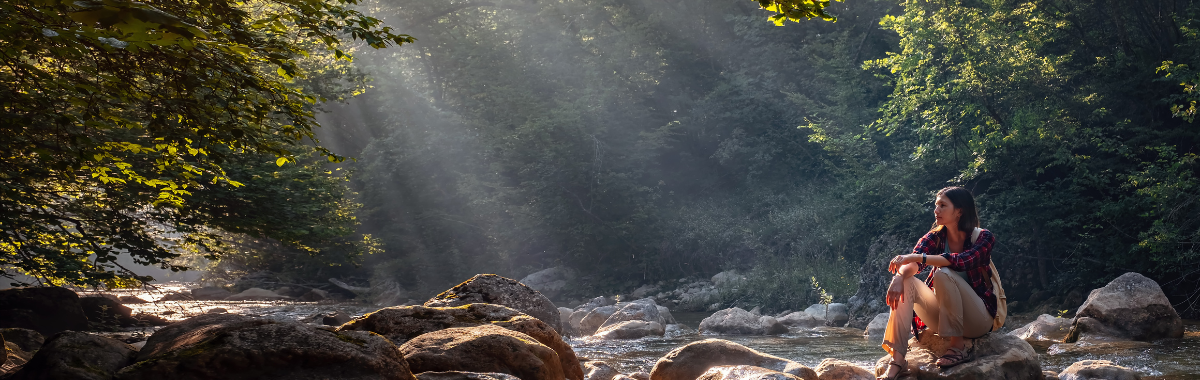
The experience-first travel trend aligns closely with the growing popularity of slow travel. Rather than rushing between attractions, travelers are spending more time in fewer destinations.
Longer stays provide opportunities to participate in local life, develop relationships, and explore destinations beyond major tourist sites.
A slow traveler spending a week in a small Greek island village may take cooking classes, join local walking tours, and visit neighborhood markets. A traditional tourist may simply purchase souvenirs before moving on to the next stop.
The slower approach often creates stronger memories and a deeper appreciation for a destination.
Also Read: The Slow Travel Trend
Memorable Experiences Around the World
Several destinations stand out for travelers seeking experiences instead of souvenirs.
Tuscany, Italy
Travelers participate in pasta-making classes, vineyard tours, truffle hunting excursions, and olive oil tastings.
Kyoto, Japan
Tea ceremonies, calligraphy lessons, traditional craft workshops, and temple cultural programs provide insight into Japanese traditions.
Costa Rica
Wildlife tours, surf lessons, rainforest hikes, and conservation-focused excursions connect visitors directly with nature.
Why Travel Protection Matters for Experience-Focused Trips
As travelers invest more in activities, classes, tours, and excursions, help protect their travel investment becomes increasingly important.
Cooking schools, guided outdoor adventures, cultural excursions, and specialty tours often require advance reservations and prepayment.
Our travel protection plans are designed to help travelers safeguard eligible prepaid travel expenses when covered situations affect their plans. Before purchasing any plan, travelers should review Plan Documents, terms, conditions, exclusions, and limitations.
Experience-focused trips often include multiple reservations and scheduled activities. Having travel insurance and assistance services may provide valuable support when unexpected travel disruptions occur.

The Lasting Impact of Experiential Travel
The growing preference for experiences over souvenirs reflects a wider shift in how people define meaningful travel.
Travelers increasingly want stories instead of shopping bags. They want skills instead of keychains. They want connections instead of collectibles.
- A postcard captures an image of a destination.
- A hiking trek captures the feeling of standing at the summit.
- A T-shirt displays the name of a city.
- A cooking lesson teaches the flavors that define it.
- A souvenir reminds travelers where they went.
- An experience helps explain why the destination mattered.
As travelers continue seeking meaningful ways to spend their time and money, experiences are becoming one of the most valuable things to bring home.
Planning a trip filled with unforgettable experiences? Help protect the investment made in tours, excursions, and vacation plans with a travel protection plan. Get a fast and free quote today and explore travel protection options before departure.
Frequently Asked Questions
Why are travelers choosing experiences over souvenirs?
Many travelers value memories, personal growth, cultural immersion, and skill-building opportunities more than physical items. Experiences often create lasting emotional connections that continue long after a trip ends.
What are examples of travel experiences that replace traditional souvenirs?
Popular options include cooking classes, pottery workshops, guided hikes, cultural tours, language lessons, photography excursions, wine tastings, and surf lessons.
Are souvenirs becoming less popular?
Souvenirs remain popular, but many travelers now prioritize experiences first and purchase fewer items. When souvenirs are purchased, they are often connected to meaningful activities completed during the trip.
How do experiences help travelers connect with destinations?
Experiences allow travelers to interact with local people, traditions, food, history, and culture. This deeper engagement often leads to stronger memories and a greater appreciation for the destination.
Travel Resources
See All
10872502609

Average Customer Rating:

Thank you for visiting csatravelprotection.com