Epic National Parks Across the United States for Hiking and Camping
Key Takeaways
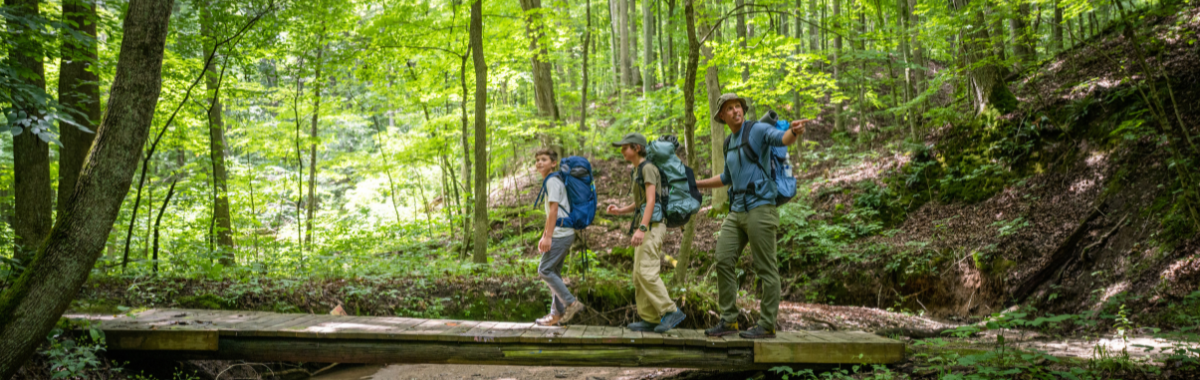
- The United States offers a wide range of national parks for hiking and camping, from alpine landscapes to desert canyons and coastal wilderness.
- Each park delivers distinct terrain, ecosystems, and outdoor experiences, making trip planning highly location-dependent.
- Understanding trail access, camping options, and seasonal conditions is essential for building a safe and rewarding outdoor itinerary.
The national parks system in the United States includes some of the most iconic hiking and camping destinations in the world. From the granite cliffs of California to the Appalachian ridgelines of the East Coast, each park introduces travelers to unique landscapes and outdoor challenges. This guide presents destination-focused deep dives into standout national parks across the country, highlighting terrain, scenery, and activities that define each location.
Video Guide: Best National Parks for Hiking and Camping
Top Hiking and Camping Destinations in the United States
Yosemite National Park, California
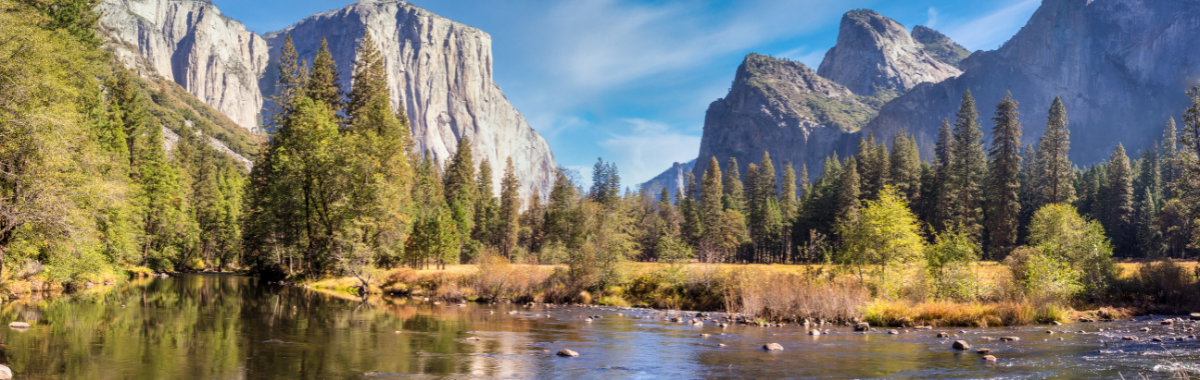
Yosemite National Park is one of the most recognized outdoor destinations in the United States. Located in California’s Sierra Nevada mountains, the park is known for dramatic granite cliffs, towering waterfalls, and extensive wilderness areas. Yosemite Valley, the most visited area, features landmarks such as El Capitan and Half Dome, while the high country offers alpine lakes and quieter backcountry experiences.
Spring and early summer bring peak waterfall flow due to snowmelt, while late summer and fall provide clearer trails and fewer crowds. Camping ranges from developed campgrounds in Yosemite Valley to wilderness backpacking zones that require permits.
Activities:
- Hiking the Mist Trail to Vernal and Nevada Falls
- Backpacking in Tuolumne Meadows
- Rock climbing on El Capitan (advanced)
- Camping at North Pines or Upper Pines Campground
- Stargazing in high-elevation areas
- Wildlife viewing, including black bears and mule deer
Also Read: Best Places to Camp in North America You Need to See
Yellowstone National Park, Wyoming/Montana/Idaho
Yellowstone is the first national park (not to be confused with the television show) in the United States and remains one of the most geologically active regions in the world. It spans three states and features geysers, hot springs, and expansive wildlife habitats. Old Faithful and the Grand Prismatic Spring are among the most recognizable geothermal features.
The park offers both roadside access and remote wilderness hiking. Backcountry camping provides a quieter alternative to busy developed areas, though permits are required. Summer offers full access, while spring and fall provide unique wildlife viewing opportunities.
Activities:
- Hiking around the Grand Canyon of the Yellowstone
- Exploring geyser basins such as Old Faithful
- Camping at Madison, Canyon, or backcountry sites
- Wildlife viewing (bison, elk, wolves, grizzly bears)
- Fishing in Yellowstone Lake and rivers
- Scenic drives like the Grand Loop Road
Zion National Park, Utah
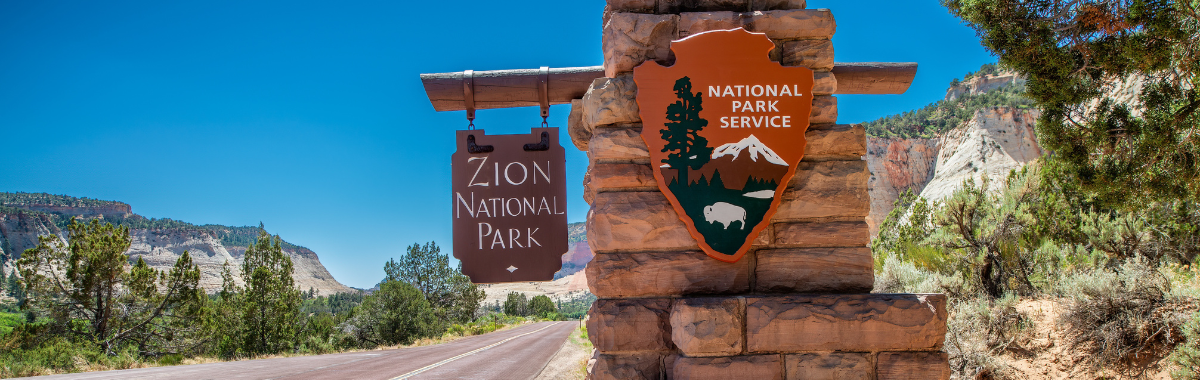
Zion National Park is defined by towering red rock cliffs and narrow slot canyons. Located in southern Utah, the park’s desert environment contrasts sharply with alpine parks. Zion Canyon serves as the main hub for hiking, with shuttle access during peak seasons.
The park is best known for its high-exposure hikes and canyon adventures. Permits are required for certain routes, including Angels Landing. Flash flooding risks exist in slot canyons, especially during summer monsoon season.
Activities:
- Hiking Angels Landing (permit required)
- Walking through The Narrows along the Virgin River
- Backpacking in Zion Wilderness
- Camping at Watchman Campground
- Canyoneering in slot canyons
- Photography of sandstone formations
Great Smoky Mountains National Park, Tennessee/North Carolina
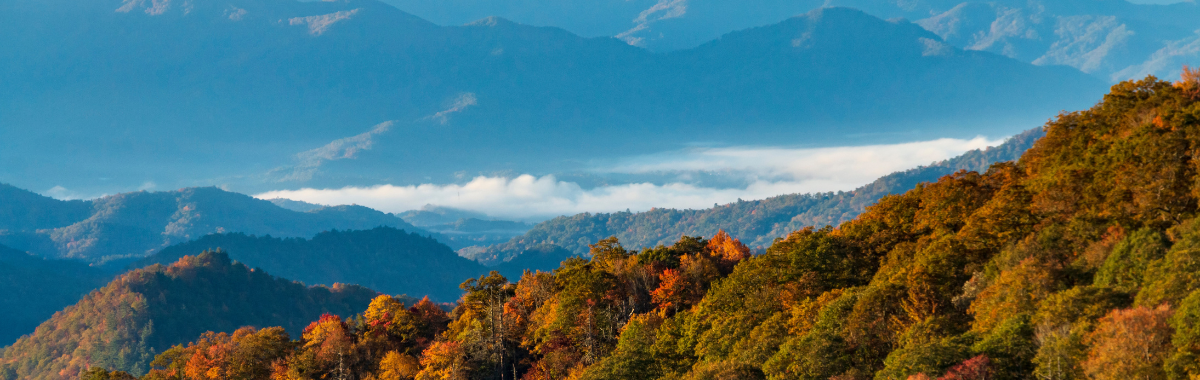
Great Smoky Mountains National Park is the most visited national park in the United States. Located along the border between North Carolina and Tennessee, the park features forested mountains, diverse wildlife, and over 800 miles of hiking trails.
Unlike western parks, the Smokies are characterized by lush vegetation, mist-covered ridges, and historic structures. Camping options are abundant, including backcountry shelters and developed campgrounds.
Activities:
- Hiking a section of the Appalachian Trail
- Exploring Kuwohi (formerly Clingmans Dome)
- Camping at Elkmont or Cades Cove Campground
- Wildlife viewing (black bears, deer)
- Waterfall hikes such as Laurel Falls
- Scenic drives including Newfound Gap Road
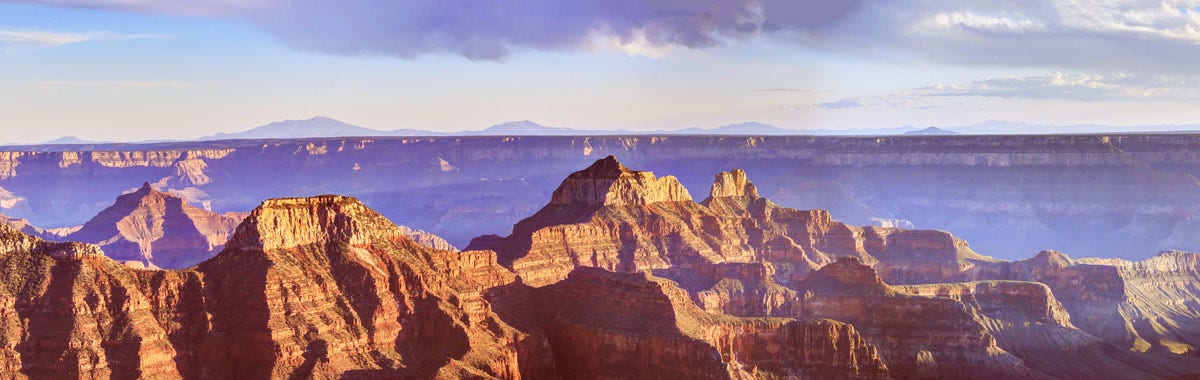
Grand Canyon National Park, Arizona
The Grand Canyon is one of the most recognizable natural landmarks in the world. Located in northern Arizona, it spans over 270 miles and offers dramatic geological formations carved by the Colorado River.
Hiking below the rim requires preparation due to steep elevation changes and desert conditions. Rim camping provides easier access, while backcountry camping offers deeper immersion.
Activities:
- Hiking the Bright Angel Trail
- Camping on the North or South Rim
- Backpacking to Phantom Ranch
- Rafting the Colorado River
- Sunrise and sunset viewing points
- Ranger-led geology programs
Also Read: Top 6 Things to Do and See on Your Trip to the Grand Canyon with Kids
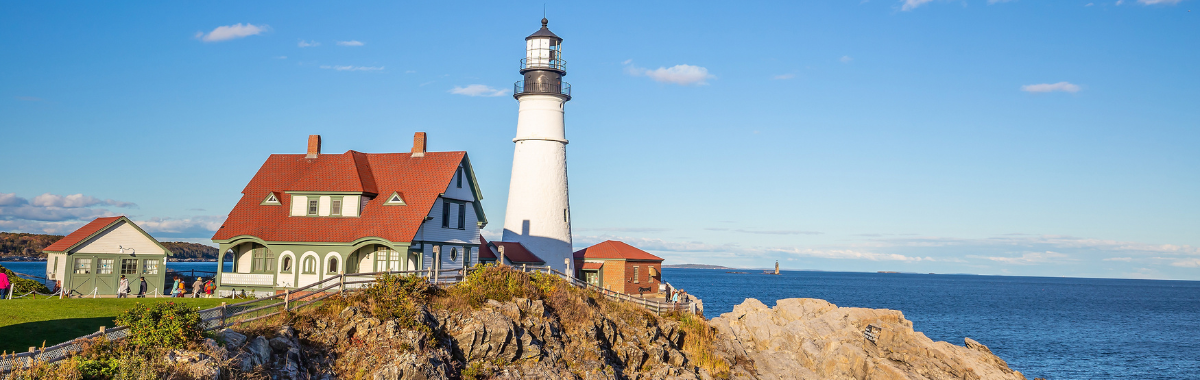
Acadia National Park, Maine
Acadia National Park offers a coastal hiking and camping experience on the Atlantic Ocean. Located on Mount Desert Island, the park combines rocky shorelines, forest trails, and mountain summits.
Cadillac Mountain is one of the first places in the United States to see sunrise during certain times of the year. The park’s carriage roads offer alternative hiking and biking routes.
Activities:
- Hiking Cadillac Mountain
- Walking Ocean Path along the coast
- Camping at Blackwoods Campground
- Biking historic carriage roads
- Tidepool exploration
- Birdwatching and coastal wildlife viewing
Also Read: Top Seaside Destinations Without the Crowds
Rocky Mountain National Park, Colorado
Rocky Mountain National Park features high-altitude terrain, alpine lakes, and rugged peaks. Located in Colorado, it includes over 300 miles of hiking trails.
Trail Ridge Road, one of the highest paved roads in the United States, passes through the park. Weather conditions shift quickly due to elevation, particularly above the treeline.
Activities:
- Hiking to Emerald Lake or Sky Pond
- Camping at Moraine Park Campground
- Backpacking in the backcountry
- Wildlife viewing (elk, moose)
- Scenic driving on Trail Ridge Road
- Snowshoeing and winter hiking
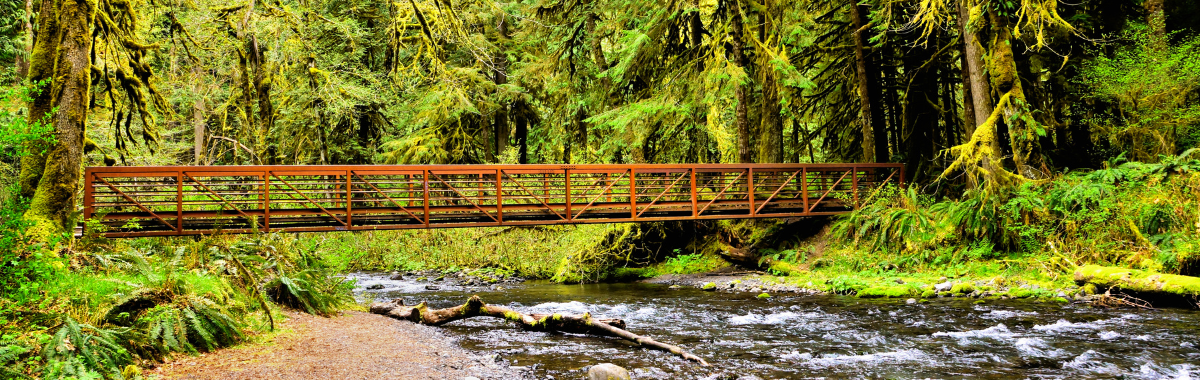
Olympic National Park, Washington
Olympic National Park offers one of the most diverse ecosystems in the country. Located in Washington State, it includes rainforest, alpine mountains, and rugged Pacific coastline.
The park is less centralized than others, requiring travel between sections. The Hoh Rain Forest and Hurricane Ridge are key access points.
Activities:
- Hiking in Hoh Rain Forest
- Exploring coastal tide pools
- Camping at Kalaloch Beach
- Backpacking in Olympic Wilderness
- Wildlife viewing (elk, marine life)
- Scenic drives and viewpoints
Also Read: The Best National Parks For Family Vacations
Glacier National Park, Montana
Glacier National Park features glacially carved valleys, turquoise lakes, and some of the most scenic mountain landscapes in North America. Located near the Canadian border, the park is known for its Going-to-the-Sun Road.
Short summer seasons define access due to heavy snowfall. Camping is available in both developed and primitive areas.
Activities:
- Hiking to Grinnell Glacier
- Driving Going-to-the-Sun Road
- Camping at Many Glacier Campground
- Backpacking through alpine routes
- Wildlife viewing (mountain goats, bears)
- Boating on Lake McDonald
Also Read: Best Places to Camp in North America You Need to See
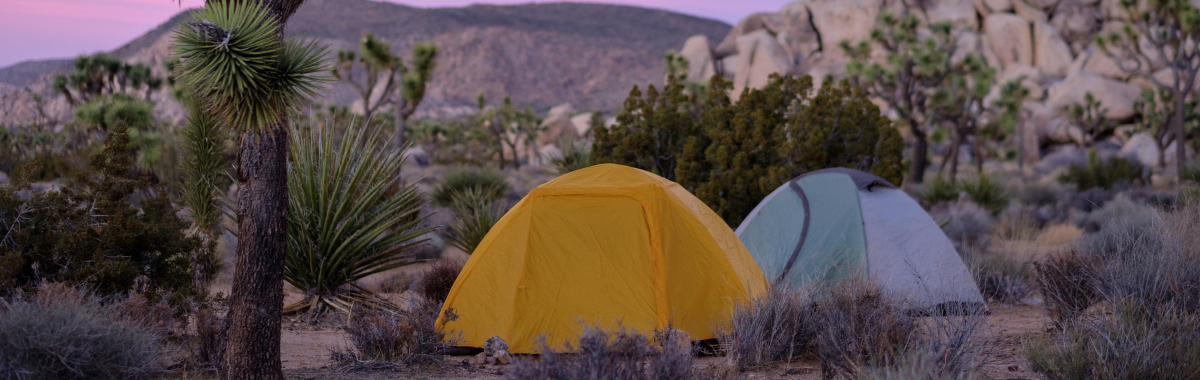
Joshua Tree National Park, California
Joshua Tree National Park sits where the Mojave and Colorado deserts meet. It is known for its unique Joshua trees, rock formations, and desert landscapes.
Extreme temperatures define summer visits, while fall and spring provide better hiking conditions. Camping is mostly primitive with limited facilities.
Activities:
- Hiking Hidden Valley Trail
- Rock climbing and bouldering
- Camping under desert skies
- Stargazing due to low light pollution
- Photography of desert landscapes
- Nature walks among Joshua trees
Also Read: 9 of the Best Hiking Trips in the U.S. and How to Find Trails Near You
Shenandoah National Park, Virginia
Shenandoah National Park stretches along the Blue Ridge Mountains and offers easy access from major East Coast cities. Skyline Drive runs the length of the park and provides scenic overlooks.
The park is known for waterfalls, wooded trails, and fall foliage.
Activities:
- Hiking Old Rag Mountain
- Camping at Big Meadows Campground
- Driving Skyline Drive
- Wildlife viewing (black bears, birds)
- Waterfall hikes
- Backpacking Appalachian Trail segments
Big Bend National Park, Texas
Big Bend National Park offers a remote desert experience along the Rio Grande. Its isolation provides dark skies and vast open landscapes.
The park combines desert terrain, river canyons, and mountains.
Activities:
- Hiking in Santa Elena Canyon
- Camping in Chisos Basin
- River rafting on the Rio Grande
- Stargazing in dark sky areas
- Wildlife viewing (javelinas, roadrunners)
- Scenic desert drives
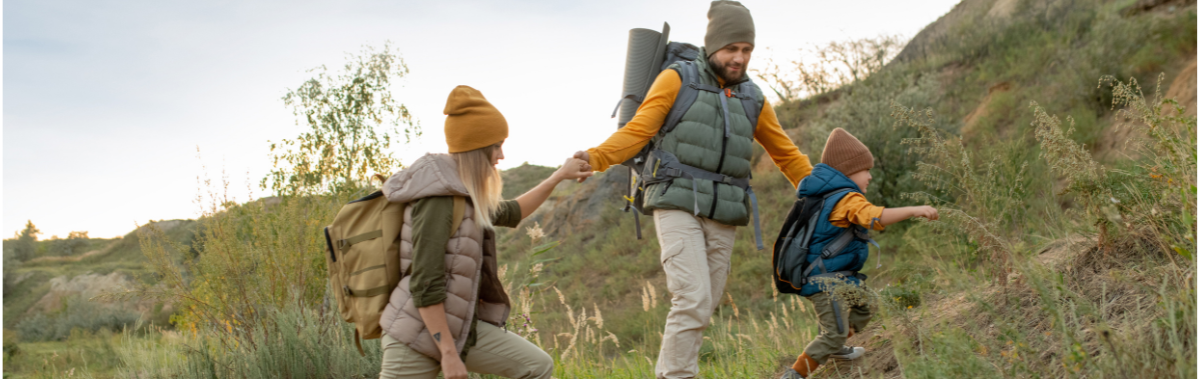
Planning Considerations for National Park Hiking and Camping
Weather varies widely between parks, and elevation impacts temperature and trail conditions. Desert parks pose heat risks, while alpine parks present weather swings and altitude challenges.
Permits are often required for backcountry camping and high-demand trails. Entry reservations have also become more common at popular parks during peak seasons.
Wildlife safety is essential across most parks, particularly in areas with bears or other large animals. Proper food storage and trail awareness contribute to safer travel experiences.
Travel Protection Considerations for Outdoor Trips
Trips centered around hiking and camping often involve remote locations and unpredictable conditions. Travel protection from Generali Global Assistance is designed to support outdoor trip planning through benefits and coverages that address potential disruptions.
Benefits and coverage include:
- Trip Cancellation and Trip Interruption for covered reasons
- Medical and Dental coverage
- Emergency Assistance and Transportation
- Travel Delay coverage for unexpected disruptions
These benefits offer added support when planning travel to remote or multi-state destinations.
National parks across the United States provide unmatched opportunities for hiking and camping. From coastal trails in Maine to desert terrain in Arizona and alpine peaks in Colorado, each park delivers a unique outdoor setting. Exploring multiple parks across regions introduces a variety of ecosystems, from rainforests and deserts to mountains and coastlines.
Ready to start planning a hiking and camping trip across the United States? Get a fast and free quote for travel protection and explore national parks with added confidence.
FAQs
What is the best time of year to visit national parks for hiking and camping?
The ideal timing depends on location. Summer suits high-elevation parks like Glacier and Rocky Mountain, while spring and fall are better for desert parks like Zion and Joshua Tree.
Do all national parks require camping reservations?
Many developed campgrounds require reservations, especially during peak seasons. Backcountry camping often requires permits issued in advance or on-site.
Are pets allowed on hiking trails in national parks?
Most parks limit pet access to developed areas and specific trails. Regulations vary by park and should be reviewed before travel.
What should be packed for a national park camping trip?
Essential items include food storage containers, navigation tools, weather-appropriate clothing, water filtration, and safety gear.
Travel Resources
See All

10872502606

Average Customer Rating:

Thank you for visiting csatravelprotection.com