The Best Birdwatching Destinations Around the World: Iconic Species and Where to Find Them

Key Takeaways
- Birdwatching spans diverse ecosystems—from Arctic ice to tropical cloud forests—each supporting highly specialized species.
- Timing, habitat knowledge, and local expertise play a major role in spotting rare birds like puffins, cranes, and toucans.
- Travel protection supports birdwatching trips that involve remote locations, wildlife logistics, and weather-dependent itineraries.
Birdwatching travel offers access to some of the most biologically rich environments in the world, where rare and visually stunning species define the experience. From volcanic islands filled with seabirds to dense rainforest canopies alive with color, each destination highlights a different aspect of global biodiversity.
This guide highlights 12 exceptional birdwatching destinations and their signature species. Each location blends birding insight, travel logistics, and essential planning considerations.
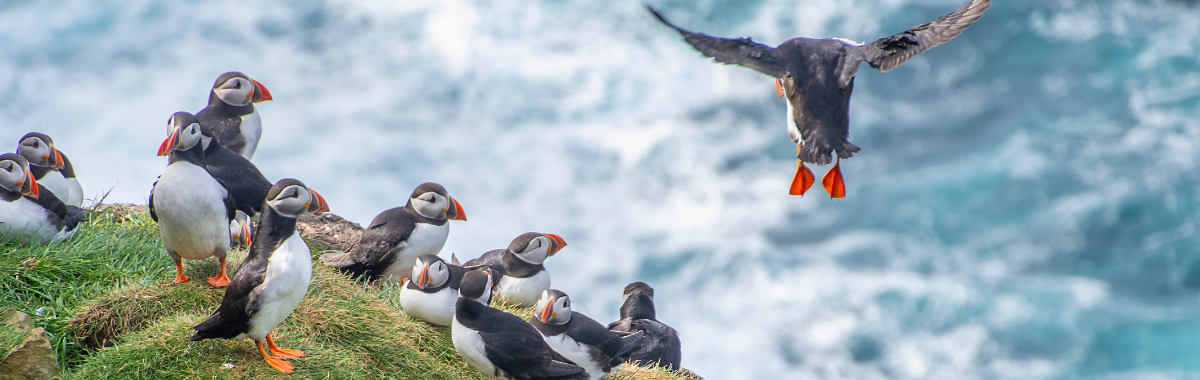
1. Iceland: Atlantic Puffins Along Rugged Coastal Cliffs
Iceland stands as one of the premier destinations for seabird watching, particularly along its dramatic cliffs and offshore islands.
Bird Highlight: Atlantic Puffin
Atlantic puffins are among the most recognizable seabirds, featuring black-and-white plumage and brightly colored beaks. Iceland hosts roughly 60% of the world’s population, with an estimated 8–10 million birds arriving during summer breeding season.
These birds spend most of their lives at sea and return to land between May and August to nest in burrows along cliff edges.
Travel Experience
Top viewing spots include the Westman Islands and the Látrabjarg Cliffs, where puffins gather in massive colonies. Early mornings and late evenings provide optimal viewing times, as puffins return with fish to feed their chicks.
Travel Considerations
Remote cliffs and ocean conditions create variability in access. Boat tours and rugged hiking routes are common.
Also Read: Explore Iceland
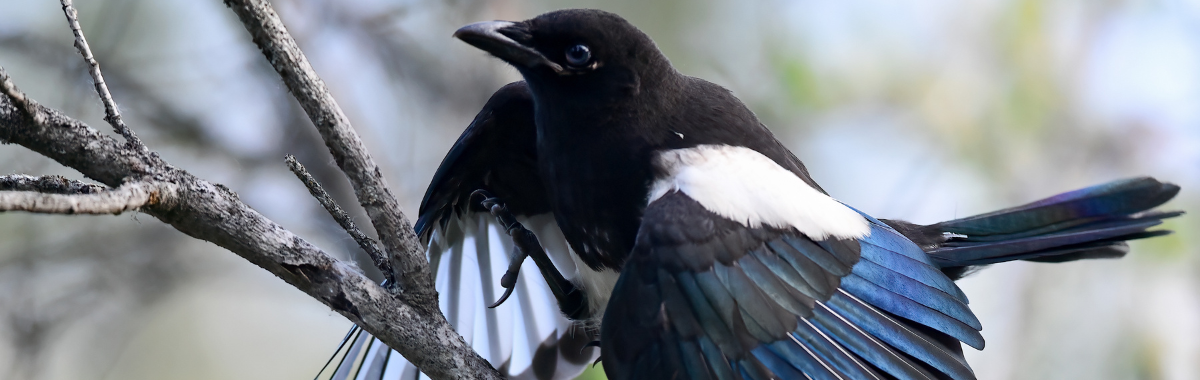
2. Sri Lanka: The Endemic Blue Magpie in Rainforests
Sri Lanka’s wet-zone forests offer one of the best opportunities to see endemic bird species.
Bird Highlight: Sri Lanka Blue Magpie
This vividly colored bird, with bright blue plumage, a chestnut head, and a long tail, exists only in Sri Lanka’s forests.
It thrives in dense canopy environments and is considered vulnerable due to habitat loss.
Travel Experience
The Sinharaja Forest Reserve provides one of the most reliable locations for sightings. The bird’s active and vocal nature helps guides track it through thick foliage.
Travel Considerations
Humidity, dense terrain, and limited infrastructure define the experience.
Also Read: 7 Great Cruise Destinations Around the World
3. Tanzania: Lilac-Breasted Roller on the Savanna
Tanzania offers an entirely different birdwatching landscape—open savannas with striking visibility.
Bird Highlight: Lilac-Breasted Roller
Known for its vibrant mix of turquoise, lilac, and blue feathers, this species is one of Africa’s most photographed birds.
It perches on high vantage points, scanning for insects and small prey.
Travel Experience
The Serengeti provides consistent sightings year-round, often visible during safari drives. Travelers who plan around being on long searches by packing for safari conditions can benefit from extra preparedness.
How Travel Protection May Help
- Trip Cancellation benefits assist if safari plans shift for a covered reason
- Medical Expense benefits support treatment in remote regions
Also Read: Tanzania Travel Guide
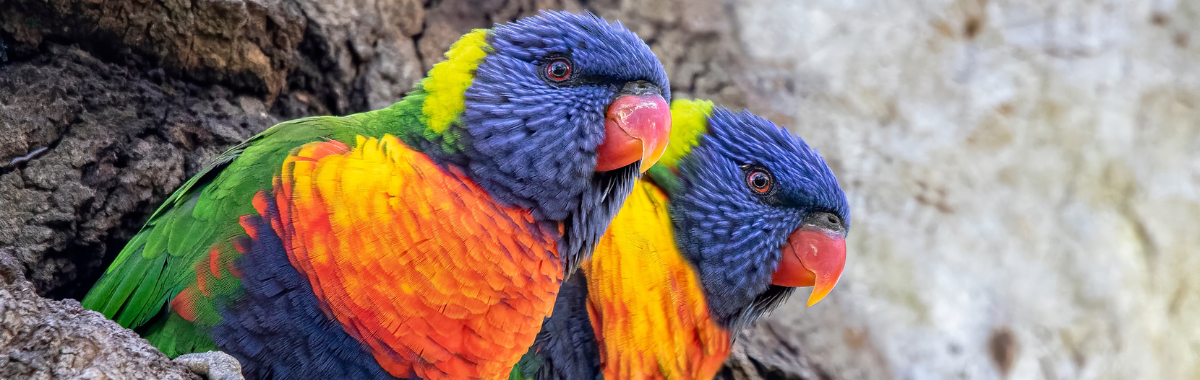
4. Australia (Kakadu National Park): Rainbow Lorikeets in Tropical Landscapes
Northern Australia’s Kakadu National Park delivers a mix of wetlands, woodlands, and tropical ecosystems.
Bird Highlight: Rainbow Lorikeet
These brightly colored parrots feature blue heads, green wings, and orange-yellow chests.
They feed on nectar and pollen using specialized brush-tipped tongues. Large flocks move through flowering trees, often creating energetic displays in the canopy.
Travel Considerations
Seasonal rainfall (wet vs. dry season) affects accessibility and bird activity.
Also Read: Best Places to Visit in Australia
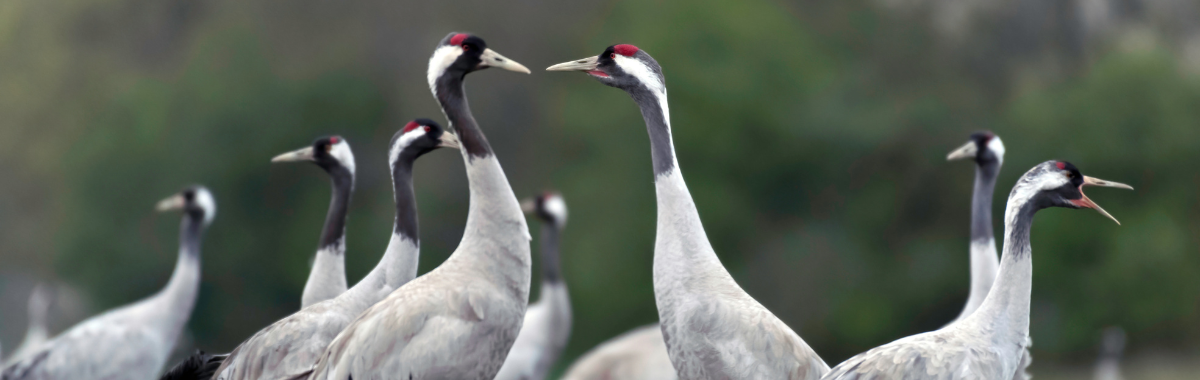
5. Extremadura, Spain: Eurasian Crane Migration Spectacle
Spain’s Extremadura region hosts one of Europe’s most impressive bird migrations.
Bird Highlight: Eurasian Crane
Each autumn and winter, tens of thousands of cranes migrate from northern Europe to Spain, forming large flocks across open fields. Visitors often witness dramatic sunrise and sunset flights, with cranes moving between feeding areas and roosts.
Travel Considerations
Migration timing is key, with peak viewing in October–November and February–March.
Also Read: Where to Eat in Spain
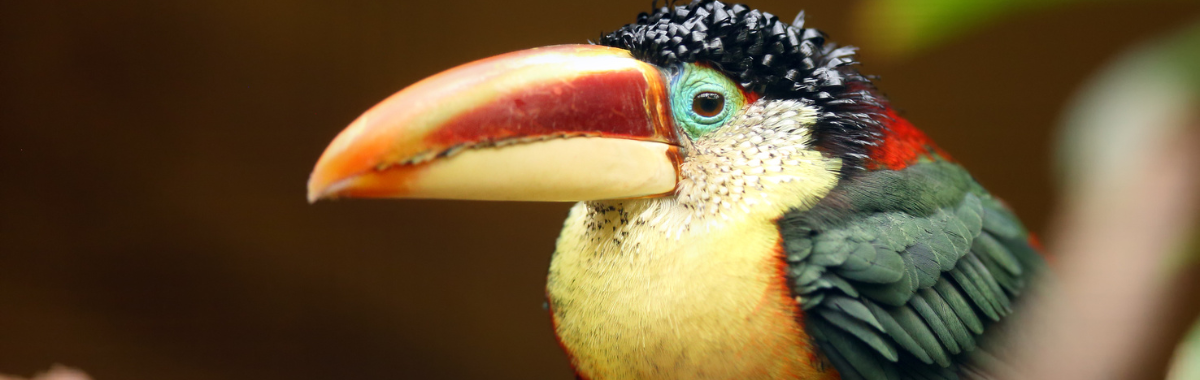
6. Mindo, Ecuador: Plate-Billed Mountain Toucan in Cloud Forests
Mindo’s cloud forests represent one of the most biodiverse birding regions in the world.
Bird Highlight: Plate-Billed Mountain Toucan
This species features a large, colorful bill with a distinctive yellow plate, and lives in high-altitude Andean forests.
Travel Experience
Birding often involves scanning dense canopy environments while listening for distinctive calls.
Travel Considerations
Variable weather and fog impact visibility.
How Travel Protection May Help
- Trip Interruption benefits assist with covered weather-related itinerary changes
- Baggage Coverage helps support photography gear
7. Bharatpur, India: Sarus Crane in Wetland Habitats
Keoladeo National Park (Bharatpur) is one of India’s most important bird reserves.
Bird Highlight: Sarus Crane
The tallest flying bird in the world, reaching up to 1.8 meters tall, with a distinctive red head and grey body.
These cranes are known for lifelong pair bonds and elaborate courtship dances.
Travel Experience
Wetlands and agricultural landscapes offer excellent viewing conditions during winter months.
Travel Considerations
Seasonal water levels and migration patterns affect populations.
How Travel Protection May Help
- Medical and Dental benefits support travel in rural regions

8. Hokkaido, Japan: Red-Crowned Crane in Snowy Landscapes
Hokkaido offers one of the most visually iconic birdwatching scenes.
Bird Highlight: Red-Crowned Crane
These elegant birds feature white plumage with black accents and a red crown. They are among the rarest crane species and symbolize longevity and fidelity. Winter provides the best viewing, with cranes performing courtship dances in snowy wetlands.
How Travel Protection May Help
- Travel Delay benefits help assist during covered winter weather disruptions
- Emergency Assistance & Transportation services support coordination in remote areas
Also Read: Travel Protection for Japan
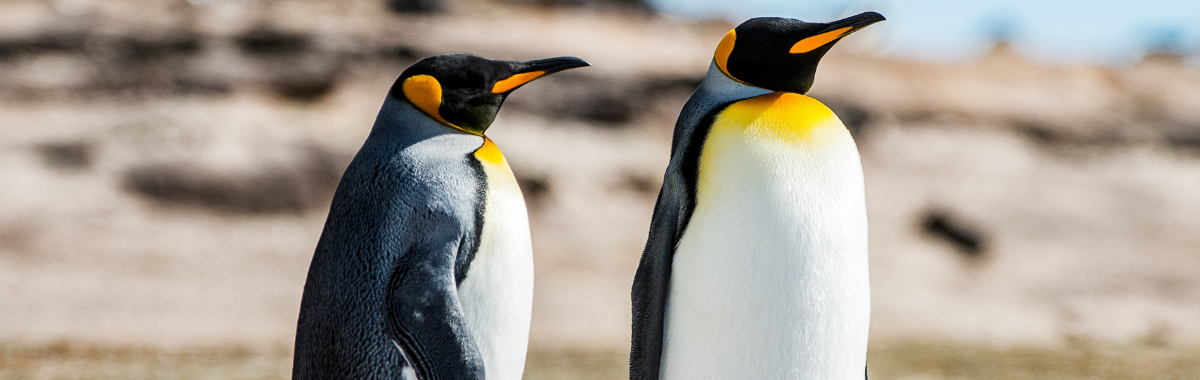
9. Antarctica: Emperor Penguins in Extreme Environments
Antarctica represents one of the most remote birdwatching destinations on Earth.
Bird Highlight: Emperor Penguin
The largest of all penguin species, adapted to survive in extreme cold conditions and harsh Antarctic winters. Colonies gather on sea ice, providing rare opportunities for observation via expedition cruise. Access typically depends entirely on expedition travel and weather windows.
Also Read: Arctic Travel Guide
10. Costa Rica: Resplendent Quetzal in Cloud Forests
Costa Rica remains a top global birdwatching destination due to its biodiversity.
Bird Highlight: Resplendent Quetzal
Famous for its iridescent green plumage and long tail feathers, this species inhabits montane cloud forests. Birders often visit highland regions such as Monteverde or San Gerardo de Dota.
How Travel Protection May Help
- Trip Interruption benefits help assist with covered weather impacts
- Baggage benefits support Covered optics and gear
Also Read: Does Travel Protection Cover Lost or Delayed Baggage?

11. Cape May, New Jersey: Peregrine Falcon Migration
Cape May is one of North America’s premier bird migration hotspots.
Bird Highlight: Peregrine Falcon
These powerful raptors are known for high-speed dives during hunting and are frequently seen during seasonal migration along the Atlantic Flyway. Fall migration brings large numbers of raptors through coastal areas.
12. Ecuador Cloud Forests: Andean Cock-of-the-Rock Displays
Ecuador’s cloud forests deliver one of the most unique birding experiences in the world.
Bird Highlight: Andean Cock-of-the-Rock
This bright orange bird is known for its dramatic lekking displays, where males gather to perform courtship rituals. Viewing often takes place at designated lek sites early in the morning.
Help Stay Protected During Birdwatching Travel
Birdwatching trips span the globe, bringing travelers into environments that reflect the full diversity of ecosystems from frozen polar regions to tropical rainforests. Each destination offers a different experience shaped by habitat, bird behavior, and seasonal patterns.
Preparation remains essential. Understanding migration cycles, selecting appropriate gear, and planning for logistical realities help create a more rewarding experience. Travel protection adds an additional layer of support when plans shift or unexpected disruptions arise.
Explore global birdwatching destinations with added confidence. Review travel protection options and get a fast, free quote for your next journey.
Frequently Asked Questions
What is the best time to plan a birdwatching trip?
Timing depends on migration cycles and breeding seasons. Many destinations feature peak viewing windows tied to seasonal bird activity.
Which destination is best for seeing rare birds?
Locations like Mindo in Ecuador, Hokkaido in Japan, and Costa Rica’s cloud forests offer access to rare and endemic species.
Do birdwatching trips require special planning?
Yes, research on timing, weather, and habitat access plays an important role in planning a successful trip.
How does travel protection support birdwatching travel?
Travel protection provides benefits such as Trip Cancellation, Travel Delay, and Emergency Assistance and Transportation services, supporting travelers when unexpected covered disruptions occur.
Travel Resources
See All

10872502608

Average Customer Rating:

Thank you for visiting csatravelprotection.com