Tanzania: Where Ancient Landscapes, Wild Safaris, and Glowing Seas Redefine the Meaning of Travel
Key Takeaways
- Tanzania blends surreal natural wonders like Lake Natron with iconic safari experiences across world‑renowned national parks.
- From the Great Migration to Zanzibar’s bioluminescent shores, Tanzania delivers rare, photography‑worthy moments day and night.
- Travel protection supports travelers navigating remote regions, wildlife areas, and multi‑destination itineraries across East Africa.
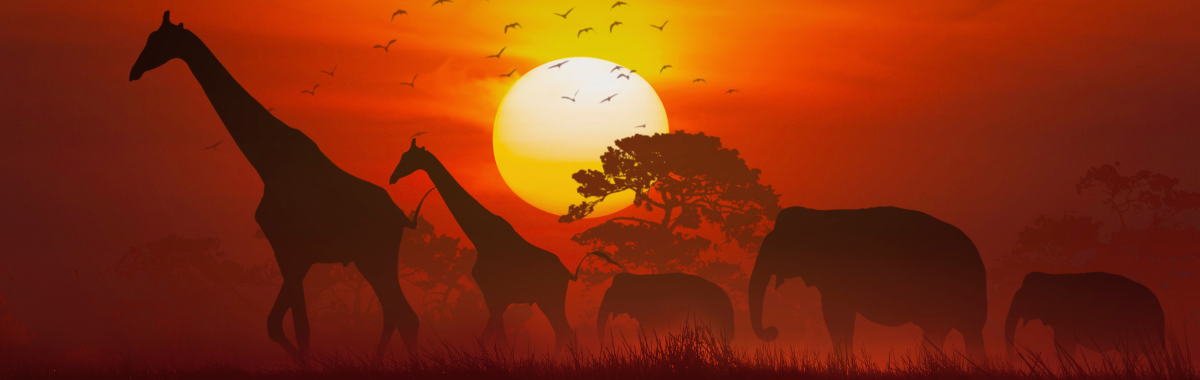
Tanzania stands apart as a destination shaped by geological extremes, vast ecosystems, and centuries of cultural continuity. Located along the eastern edge of Africa, the country spans the Great Rift Valley, the Serengeti plains, and the Indian Ocean coastline, creating a landscape that feels both ancient and alive. Travelers drawn to Tanzania are often seeking more than a traditional vacation. The journey appeals to those interested in wildlife, remote natural phenomena, and destinations where the environment defines the experience.
From the crimson waters of Lake Natron to the sweeping savannas of safari country and the glowing beaches of Zanzibar, Tanzania offers a rare mix of dramatic contrasts. Each region reveals a different side of the country’s identity, inviting exploration that moves from landlocked deserts to coral‑fringed islands.
Lake Natron: Tanzania’s Most Surreal Natural Wonder
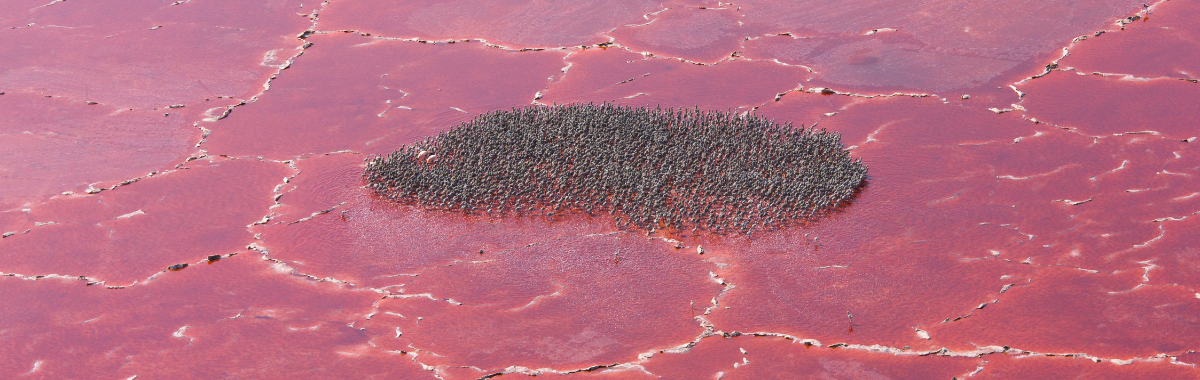
Lake Natron sits in northern Tanzania near the Kenyan border, tucked into the eastern arm of the Great Rift Valley. This shallow soda lake is unlike nearly any other body of water on Earth. Its striking red and pink hues appear almost unreal, particularly when viewed from above or during dry seasons when mineral concentrations intensify. The lake’s coloration comes from salt‑loving microorganisms, including cyanobacteria, that thrive in its alkaline waters.
The lake has earned global attention for its haunting appearance and for photographs of calcified birds found along its shores. These images, have fueled myths that Lake Natron “petrifies” animals. In reality, the lake’s extreme alkalinity preserves deceased animals through mineral deposition over time rather than instant petrification. The result is a natural process that creates fossil‑like remains, adding to the lake’s reputation as one of the world’s most otherworldly landscapes.
Despite its harsh chemistry, Lake Natron plays an essential ecological role. It serves as the primary breeding ground for East Africa’s lesser flamingos, with an estimated 75 percent of the global population relying on the lake during nesting season. The flamingos are uniquely adapted to the lake’s conditions, feeding on algae that flourish in the alkaline environment. During breeding periods, the sight of flamingos against the red‑tinged water creates one of Tanzania’s most visually striking scenes.
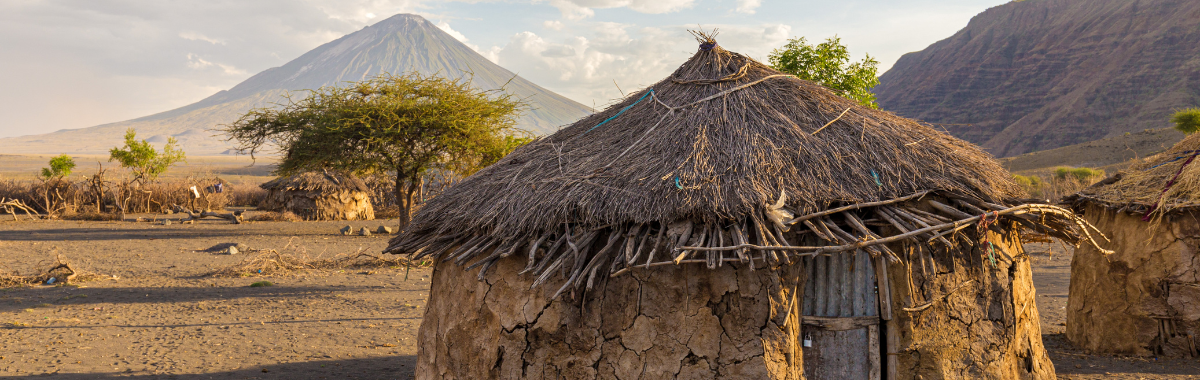
Travel to Lake Natron is harder to get to with some estimates being a 100 mile drive from Arusha. The region remains remote, with limited infrastructure and rough access roads. Lodging tends to be eco‑focused and small‑scale, designed to minimize environmental impact. This remoteness is part of the lake’s appeal, offering solitude and uninterrupted views of volcanic landscapes dominated by Ol Doinyo Lengai, the Maasai “Mountain of God,” an active volcano that rises near the lake’s southern edge.
The Cultural Landscape Surrounding Lake Natron
The area surrounding Lake Natron is home to Maasai communities who have lived in the region for generations. Their semi‑nomadic lifestyle is closely tied to the land, livestock, and seasonal rhythms of the environment. Cultural visits offer insight into traditional practices, distinctive dress, and social structures that remain integral to daily life.
Responsible tourism in this region emphasizes respect and partnership. Many guided experiences are led by local Maasai guides who share knowledge of the land, wildlife behavior, and cultural traditions. These interactions provide context for understanding how people coexist with a challenging natural environment, reinforcing the idea that Lake Natron is not an isolated phenomenon but part of a living cultural landscape.
Safari Tours: Tanzania’s Defining Experience
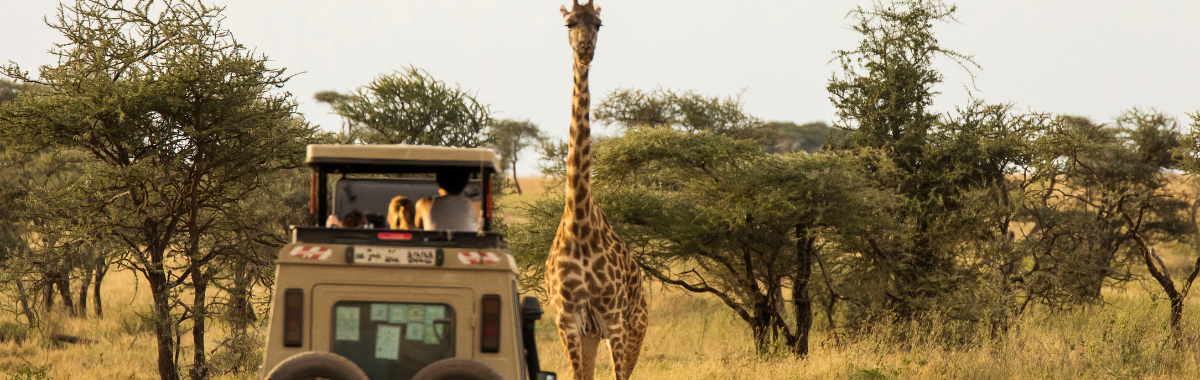
No journey through Tanzania is complete without a safari. The country is home to some of Africa’s most celebrated national parks and conservation areas, including Serengeti National Park, Ngorongoro Conservation Area, Tarangire National Park, and Lake Manyara National Park. Together, these regions form a network of protected ecosystems that support extraordinary biodiversity.
The Serengeti is synonymous with the Great Migration, an annual movement of more than one million wildebeest accompanied by hundreds of thousands of zebras and gazelles. Driven by rainfall and grazing cycles, the migration follows a circular route across the Serengeti‑Mara ecosystem. River crossings, particularly along the Grumeti and Mara rivers, are among the most dramatic wildlife events in the world, drawing travelers, photographers, and documentary filmmakers year after year.
Safari tours in Tanzania range from classic game drives to walking safaris and mobile tented camps that move with wildlife patterns. Professional guides provide context on animal behavior, conservation efforts, and the delicate balance between predators and prey. Sightings often include members of the “Big Five”—lion, leopard, elephant, buffalo, and rhinoceros—alongside giraffes, cheetahs, hippos, and hundreds of bird species.
Also read: Top 5 Must-See Animals on a Safari
Tarangire and Lake Manyara: Safari Diversity Beyond the Serengeti
Tarangire National Park is known for its large elephant herds and iconic baobab trees. During the dry season, wildlife congregates along the Tarangire River, creating dense concentrations of animals within a scenic riverine setting. The park supports a wide range of species, including lions, leopards, and over 500 bird species, making it a rewarding destination for travelers interested in both wildlife and landscapes.
Lake Manyara National Park offers a contrasting environment defined by groundwater forests, open plains, and the alkaline lake itself. The park is often associated with tree‑climbing lions and flocks of flamingos that gather along the lake’s edge. Its compact size makes it a popular addition to northern circuit safaris, providing ecological variety within a relatively short distance.
Also Read: Safari Packing List Must-Packs for Your Wildlife Adventure
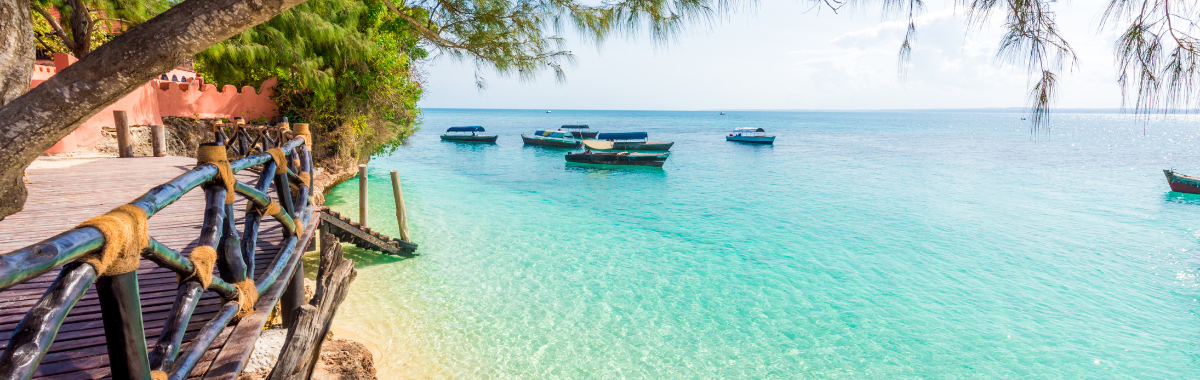
Zanzibar: Tanzania’s Island Counterpoint
After days spent inland among savannas and volcanic terrain, Zanzibar introduces an entirely different dimension to Tanzania travel. This Indian Ocean archipelago combines white‑sand beaches, coral reefs, and a layered cultural history shaped by African, Arab, Persian, and European influences.
Stone Town, Zanzibar City’s historic core, reflects centuries of trade and cultural exchange. Narrow alleys, carved wooden doors, and historic mosques coexist with bustling markets and waterfront views. The area’s designation as a UNESCO World Heritage Site highlights its architectural and historical significance, while spice farms and coastal villages offer insight into Zanzibar’s agricultural traditions.
For many travelers, Zanzibar serves as a natural conclusion to a Tanzanian safari itinerary. The shift from early‑morning game drives to oceanfront relaxation provides balance and contrast, reinforcing Tanzania’s reputation as a destination with remarkable geographic range.
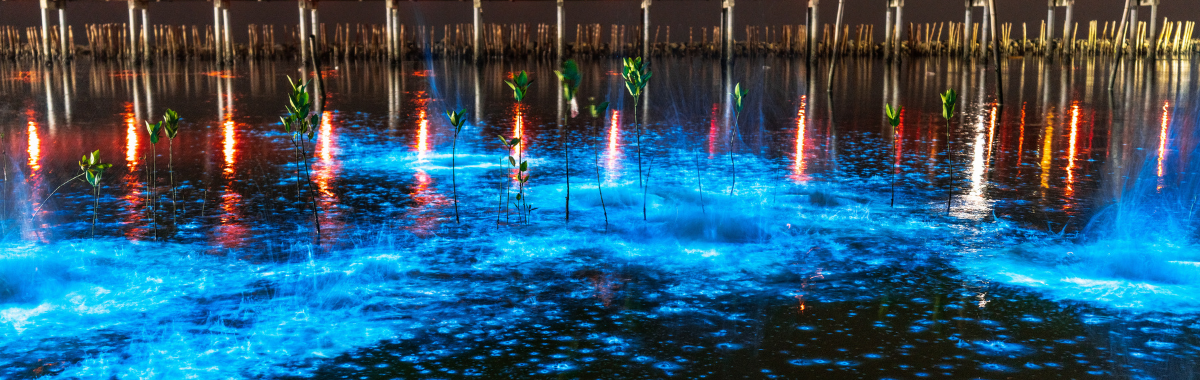
Bioluminescent Plankton: Zanzibar After Dark
Among Zanzibar’s most captivating experiences is the appearance of bioluminescent plankton along certain beaches at night. This natural phenomenon occurs when microscopic marine organisms emit light in response to movement in the water. As waves break or swimmers move through the sea, the water glows with flashes of electric blue, creating a scene that feels almost unreal.
Bioluminescence in Zanzibar is most commonly observed along parts of the east and south coasts, including areas such as Paje, Jambiani, Michamvi, and Menai Bay. Visibility depends on environmental conditions, with darker nights around the new moon offering the strongest contrast. Calm waters and warm temperatures further increase the likelihood of sightings.
Guided night swims and boat excursions provide structured opportunities to experience bioluminescent plankton while prioritizing safety and environmental care. Local operators emphasize minimal disturbance, encouraging travelers to avoid artificial light and chemical products that may affect marine ecosystems.

Travel Protection Coverages That Can Help Support a Trip to Tanzania
Generali Global Assistance plans all provide coverage for offer services such as:
- Trip Cancellation and Trip Interruption may help reimburse prepaid, non‑refundable trip costs if plans change for a covered reason.
- Medical and Dental benefits and Emergency Assistance & Transportation are important when traveling in remote safari regions or island destinations.
- Baggage coverage assists if bags or personal items are delayed, lost, for the amount of time specified in your plan or damaged during international travel.
- 24/7 Travel Assistance services can help with medical referrals, transportation coordination, and destination support, if all conditions of the plan are met.
Who Needs Travel Protection
Tanzania and Zanzibar do not require travel protection for all visitors. However, official embassy and tourism guidance indicates that travelers benefit from the coverage for their trip.
Where to Find Official Information
Travelers are encouraged to review the most current entry and documentation guidance through the Tanzania Immigration Services Department and the Zanzibar Tourism Commission, as requirements and enforcement practices may vary by travel purpose and program type.
Why Tanzania Continues to Inspire Travelers
Tanzania stands as a destination defined by scale, contrast, and authenticity. Lake Natron challenges perceptions of what a landscape looks like, safari regions reveal nature in constant motion, and Zanzibar’s glowing seas remind travelers that wonder does not end when the sun sets. Each experience contributes to a broader understanding of a country shaped by natural forces and cultural resilience.
Plan the Journey with Confidence
Exploring Tanzania involves moving across diverse environments, from wildlife reserves to island coastlines. Travel protection helps support those journeys with benefits designed for international travel and remote destinations. Get a fast, free quote today and start planning a Tanzania experience shaped by discovery, preparation, and peace of mind.
Travel Resources
See All

10872502605

Average Customer Rating:

Thank you for visiting csatravelprotection.com