Spring Break Beach Safety: How Travel Protection Supports Safer Coastal Getaways

Key Takeaways
- Spring break beach travel presents unique risks related to water conditions, transportation, weather, crowds, and health concerns, and travel protection supports travelers facing these challenges.
- Understanding how travel protection helps with Emergency Assistance and Transportation, Trip Interruption, Trip Cancellation, Medical and Dental benefits, and 24 Hour Emergency Assistance helps support travelers from planning through return.
Spring break brings an annual wave of travelers toward warm coastal destinations, where beaches, ocean activities, and resort‑style environments create memorable experiences for students, families, and friend groups. Some popular destinations as highlighted by U.S. News and Virgin Voyages are Bimini’s Beach Club, San Juan, Puerto Plata, and Key West, spring break remains one of the busiest periods for seaside vacations.
In this article we’re going to provide seven valuable tips to help you stay safe on your spring break beach vacation.
Tip 1: Understanding Beach Conditions and Seasonal Weather
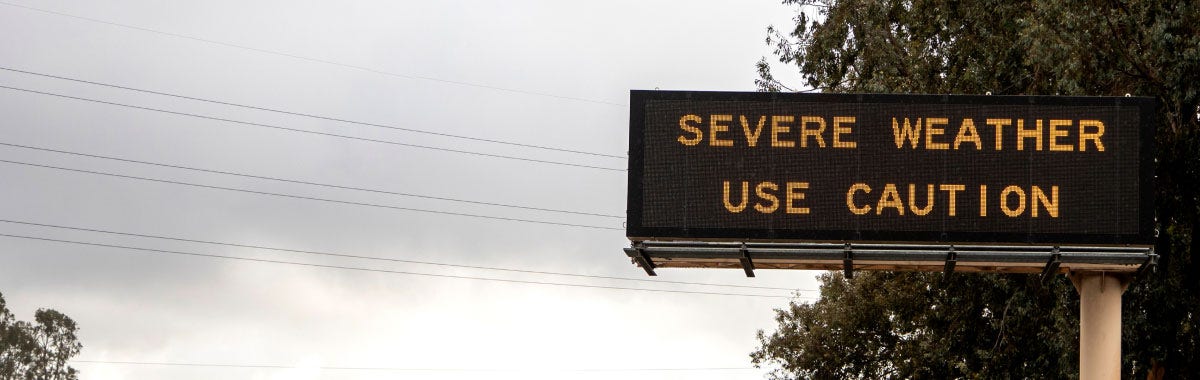
Beach conditions shift rapidly during spring months as tides, wind patterns, and weather systems move through coastal regions. Beachgoers can experience periods of calm water followed by stronger waves or shifting currents. Spring storms influence water clarity, surf height, and the presence of hazards such as drifting debris or sudden drop‑offs near sandbars.
Understanding daily weather advisories, posted beach warnings, and local conditions provides an important base layer of safety, while travel protection helps support travelers facing covered trip disruptions caused by severe environmental conditions.
Also Read: Bad-Weather Travel Protection

Tip 2: Being Mindful of Currents, Tides, and Marine Conditions
Currents and tides play a major role in spring break safety. Tropical beaches often encounter shifting currents that vary by time of day. Caribbean waters may appear calm, but underlying pulls or changing tides can create challenges for less experienced swimmers.
Beach patrol notices, lifeguard flags, and posted warnings help travelers understand current conditions. Watching for changes in water color, unusual movement, or rapid drop‑offs helps add an extra layer of safety during ocean activities. Each beach environment responds differently to seasonal shifts, making awareness especially important during crowded spring travel periods.
Tip 3: Protecting Personal Belongings at Busy Coastal Sites
Spring break beach environments experience significant crowd increases, making personal‑belongings protection a priority. Popular destinations such as Bimini’s Beach Club and Key West often welcome thousands of travelers each day, and busy waterfronts create opportunities for misplaced items, accidental damage, or theft.
Travelers frequently bring valuables including phones, wallets, cameras, sunglasses, and resort passes to the beach. Soft‑sand environments and saltwater exposure add risks of damage beyond misplacement. With travelers participating in excursions, changing areas, or water activities, belongings unattended on towels or loungers may be more vulnerable.
Travel protection helps support travelers whose items are lost, stolen, or damaged during their trip. Taking simple steps such as using resort‑provided lockers or keeping belongings within sight adds a layer of caution that complements the support provided through travel protection.
Tip 4: Understanding Transportation Challenges During Peak Coastal Travel
Transportation becomes more complicated during spring break. Flights to popular coastal hubs, connections to island destinations, rideshare wait times, and traffic around ports all tend to increase during peak weeks.
Flight delays caused by weather, volume, or mechanical issues may interrupt connections to beach destinations, including cruises heading toward Bimini’s Beach Club or coastal stops in Puerto Plata. Ferry schedules may shift due to sea conditions, and local transportation at major beach destinations becomes more crowded.

Tip 5: Sun Protection
Beach trips have various health‑related considerations, including sun exposure, dehydration risks from warm climates, and unexpected illnesses that may arise during busy travel periods. Being mindful of sun protection, shade, hydration, and rest helps tourists maintain comfort and reduce the risk of heat‑related issues.
Crowded destinations elevate the possibility of seasonal illnesses spreading more easily, especially during peak travel months. Children, older adults, and individuals with pre-existing conditions benefit from medical preparedness while traveling to coastal locations.

Tip 6: Staying Safe Around Marine Life
Marine life, as beautiful as it is, can be as dangerous as it is awe inspiring. Warm waters support diverse ecosystems that include fish, reef species, and occasionally wildlife that travelers may encounter when swimming or snorkeling. Awareness of surroundings helps travelers maintain safe distances from marine habitats, especially in areas where coral, seagrass, or protected zones play an important ecological role.
Beachgoers should avoid direct contact with wildlife, observe animals from a distance, and following posted beach notices that indicate the presence of jellyfish, stingrays, or other seasonal marine activity. Some destinations introduce temporary advisories when natural conditions increase the likelihood of encounters. Coastal staff and lifeguards help provide updates when these situations arise, and designated swimming zones often account for safer conditions.
Also Read: Travel Protection for Australia

Tip 7: Accounting for Communication and Coordination Challenges
Coastal environments, especially those on islands or remote shorelines, sometimes experience cellular or Wi‑Fi limitations during peak periods. Bimini’s Beach Club, portions of Puerto Plata’s coastline, and reef‑adjacent beaches are examples of areas where connectivity varies by location. This affects communication between travel groups, the ability to coordinate meeting points, or reliance on digital maps or rideshare apps.
Travelers benefit from basic preparation such as identifying designated meeting spots, confirming transportation pickup areas, and having reliable hotel or resort contact details available offline. Cruise and resort destinations often provide maps or written instructions that help guests navigate without digital assistance.
How Travel Protection Helps Support Spring Break Beach Travelers
Spring break beach travelers benefit from a main‑policy‑focused approach that addresses real‑world challenges affecting coastal vacations. With higher visitor volumes, shifting tides, island transportation logistics, and increased demand for accommodations, travelers face situations that may require support beyond basic preparation.
Travel protection supports travelers through benefits such as:
- Trip Cancellation for covered reasons that prevent travel to your destination or any other locations that are key to your trip.
- Trip Interruption for covered events that require an early return or an unexpected interruption.
- Medical and Dental benefits for covered sickness, illness, or injury arising during the trip.
- Baggage benefits for covered losses, theft, or damage to belongings.
- Travel Delay benefits to help reimburse necessary expenses for covered delays.*
These benefits may help support travelers facing unexpected circumstances in high‑traffic coastal environments where disruptions occur more frequently.
Beach‑focused spring break travel introduces experiences shaped by ocean conditions, seasonal weather, peak‑season crowds, and the dynamic nature of coastal environments.
Being aware of water conditions, transportation logistics, weather advisories, and local guidelines provides an important foundation for safer coastal experiences. Travel protection helps add another layer of preparedness, so travelers stay supported from the beginning of their trip planning through their return home. Travelers planning a spring break beach getaway benefit from preparation supported by travel protection. Get a fast and free quote today to help safeguard your upcoming trip. Get a fast and free quote to help achieve peace of mind on your spring breach beach get away.
Travel Resources
See All

10872502603
Disclaimers:
Delay must be for the amount specified in their Plan document. Delay hours depends on plan*

Average Customer Rating:

Thank you for visiting csatravelprotection.com