Traveling to the Tropics in 2026: What You Need to Know About Tropical Diseases and Travel Protection

Tropical travel is booming. Destinations like Bali, Costa Rica, Thailand, and the Caribbean are topping travelers' bucket lists. But while dreamy beaches, lush rainforests, and vibrant cultures await, so do health risks that many travelers underestimate or ignore entirely.
Tropical regions are home to a host of diseases and environmental challenges that can turn your getaway into a nightmare if you’re not prepared. Here’s what you need to know about staying healthy while traveling in the tropics—and how Generali Global Assistance can help if things go wrong.
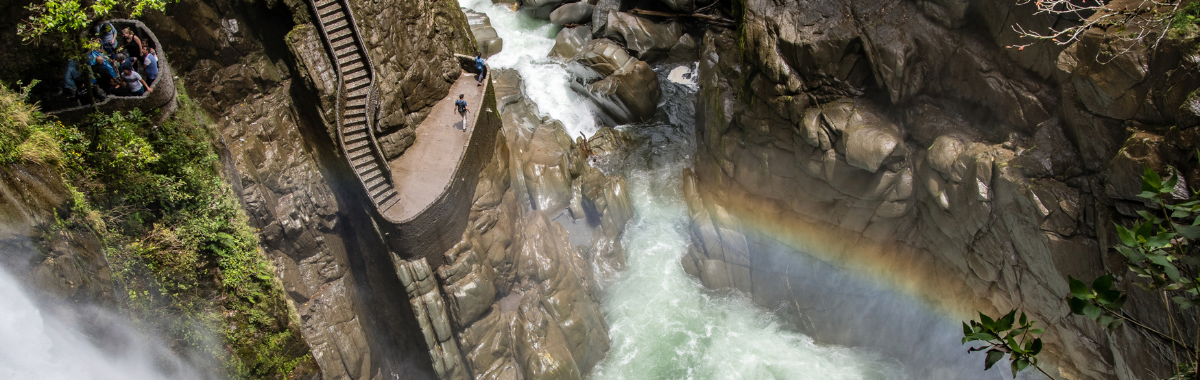
Why Tropical Travel Requires Extra Health Precautions
While COVID-19 is no longer the dominant concern it once was, global travelers are still encountering health risks—many of which are exacerbated by climate change, deforestation, and the growing reach of disease-carrying insects.
Recent studies show that travelers to tropical and subtropical areas are at significantly higher risk of contracting infectious diseases, especially in rural areas where access to medical care is limited. The U.S. Centers for Disease Control and Prevention (CDC) and the World Health Organization (WHO) regularly update travel advisories for mosquito-borne illnesses, foodborne infections, and water-related hazards.

Top Tropical Diseases Travelers Need to Know
1. Dengue Fever: On the Rise
Dengue, once limited to Southeast Asia and Latin America, is spreading rapidly due to warming climates and increased urbanization. According to the WHO, 2024 saw record-high outbreaks in countries like Brazil, Bangladesh, and Peru, with over 4.2 million reported cases worldwide.
- Symptoms: High fever, severe headache, muscle and joint pain, rash, and in some cases, internal bleeding.
- Prevention: Wear long sleeves, use insect repellent with DEET or Picaridin, and stay in screened or air-conditioned rooms.
- Symptom management: Treatment focuses on hydration and pain relief.
2. Malaria: Still a Major Threat in Sub-Saharan Africa and Parts of Asia
Despite medical advancements, malaria remains deadly, particularly in regions like West Africa, Papua New Guinea, and parts of India according to the National Library of Medicine.
- Good news: The RTS,S malaria vaccine is being rolled out in high-risk areas, and a second vaccine, R21/Matrix-M, received WHO approval in late 2023.
- Bad news: Drug-resistant strains are emerging in Southeast Asia according to the CDC.
- Travel tip: Talk to your doctor about antimalarial medication before departure. Be aware of side effects and consider travel protection from Generali Global Assistance.
Also Read: How to Use Telemedicine Services
3. Chikungunya and Zika: Still Circulating
While Zika outbreaks have slowed significantly, the virus still circulates in tropical regions. Chikungunya, spread by the same Aedes mosquito, causes debilitating joint pain that can last for months.
- Zika remains a concern for pregnant travelers due to potential risks.
- Chikungunya cases are rising in the Caribbean and parts of Africa.
- Prevention: As with dengue, the key is avoiding mosquito bites.
4. Tick-Borne and Other Vector Diseases
Even in the tropics, it’s not just mosquitoes that pose risks:
- Tick-borne illnesses like African Tick Bite Fever and Tick-Borne Encephalitis are common in certain rural and forested areas.
- Chagas Disease, caused by the triatomine bug, is found in Central and South America and can lead to serious heart and digestive issues.
5. Water-Related Illnesses
Diseases like leptospirosis (from animal-contaminated water) and schistosomiasis (caused by parasites carried by freshwater snails) are common in tropical countries after flooding or during rainy seasons.
To reduce risk:
- Don’t swim in freshwater lakes or rivers unless you’re sure it’s safe.
- Drink only bottled, filtered, or boiled water.
- Avoid street food unless it's piping hot and freshly cooked.

6. Gastrointestinal Issues: Not Always a “Disease”
Many travelers blame illness on contaminated food, but gastrointestinal (GI) issues can also stem from dietary changes. Spicy, oily, or unfamiliar ingredients can overwhelm your system.
Also Read: How to Get Travel Protection for Your Pre-Existing Medical Condition

Other Tropical Travel Hazards
It’s not just disease that can derail a trip:
- Heat exhaustion and dehydration in humid climates
- Injuries from adventure activities like hiking, snorkeling, or riding motorbikes
- Natural disasters, such as monsoons, hurricanes, or volcanic activity
How Generali Global Assistance Can Help Tropical Travelers
When something goes wrong far from home, Generali Global Assistance is your safety net. Our travel protection plans provide more than just coverage—we offer real-time, on-the-ground support in crisis situations.
Key Benefits for Tropical Travelers:
- 24/7 Global Emergency Assistance: IHelp if you get sick or injured, including medical referrals and language support.
- Emergency Assistance and Transportation Coverage: If the nearest hospital isn’t equipped to treat you, Generali Global Assistance may arrange and helps covers transportation to a suitable facility.
- Trip Interruption Coverage: If you need to cut your trip short due to a covered illness or a local outbreak.
- Concierge Services: Need help rebooking flights, finding a local clinic, or replacing a lost passport? We will help reimburse you for the prepaid unused, non-refundable land or water arrangements.

What to Do Before You Go
1. Visit a Travel Clinic
Schedule a pre-travel consultation 4–6 weeks before departure. Ask about:
- Required and recommended vaccines
- Prescription medications (e.g., for malaria)
- Destination-specific risks
2. Pack a Travel Health Kit
Include:
- Insect repellent (with DEET or Picaridin)
- Sunscreen
- Oral rehydration salts
- Basic first-aid supplies
- Antidiarrheal medications
Also Read: Travel Packing Tips and Hacks to Help You Pack Like a Pro
3. Use Common Sense
Avoid drinking untreated water, stay up to date on immunizations, and don’t take unnecessary risks like riding scooters without helmets or swimming in unmarked areas.
Tropical Travel Is Worth It—If You’re Prepared
Tropical vacations are among the most beautiful and unforgettable experiences you can have. But they require planning and precaution. By staying informed, practicing healthy habits, and helping to protect yourself with a Generali Global Assistance travel protection plan, you can achieve peace of mind—knowing help is only a phone call away if trouble strikes.
Ready to Go Tropical?
Get a free travel protection quote from Generali Global Assistance today and travel smart on your next adventure.
Travel Resources
See All

8456512512

Average Customer Rating:

Thank you for visiting csatravelprotection.com