Secondary Cities Rising: Alternative Destinations for Travelers Looking Beyond the Crowds
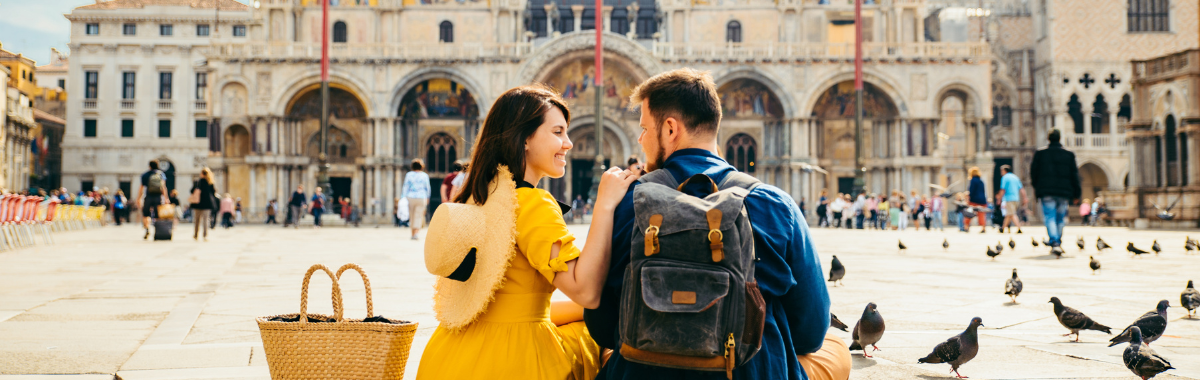
Key Takeaways
- Second cities offer many of the cultural, historical, and culinary experiences associated with famous destinations, often with fewer crowds and a more local atmosphere.
- Growing interest in authentic travel experiences and concerns about overtourism are encouraging travelers to explore destinations beyond major tourism hotspots.
- Cities such as Kanazawa, Bologna, Valencia, Leipzig, Lille, and York provide distinct regional experiences, rich heritage, and memorable attractions without the intensity of some of the world's busiest tourism centers.
Travel trends continue to evolve as more travelers seek meaningful experiences beyond the world's most visited destinations. Major cities remain popular for good reason, but crowded streets, long attraction lines, and higher travel costs often encourage visitors to look elsewhere.
This shift has led to growing interest in what are often called second or secondary cities. These destinations are usually located outside a country's most famous tourism hubs, yet they offer strong cultural identities, historic landmarks, local cuisine, vibrant arts scenes, and easy access to regional attractions.
Travel Alliance Group discusses the rise of Secondary cities as well as the travel sustainability visitors will experience while traveling.
What Is a Second City?
A second city is not necessarily small or unknown. Many are thriving cultural and economic centers with long histories and established tourism infrastructure.
What separates them from primary tourism destinations is that they often receive fewer international visitors than nationally recognized icons.
Examples include:
- Historic regional capitals
- Cultural and university cities
- Food-focused destinations
- Creative and artistic hubs
- Coastal cities outside the traditional tourism circuit
Travelers often choose secondary cities because they offer:
- Less crowded attractions
- Shorter wait times
- More affordable accommodations
- Stronger connections with local culture
- Opportunities to discover lesser-known neighborhoods and traditions
In many cases, these destinations deliver the character visitors are seeking while avoiding some of the challenges associated with overtourism.

Why Travelers Are Choosing Alternative Cities
The rise of secondary-city travel reflects broader shifts in traveler priorities.
Authentic Local Experiences
Many travelers want more than a checklist of famous landmarks. They seek neighborhood markets, independent restaurants, artisan workshops, and cultural traditions that remain part of daily life.
Secondary cities often provide these experiences more naturally than destinations built around mass tourism.
A Slower Travel Pace
Crowded transit systems and packed attractions may reduce the enjoyment of a trip.
Alternative destinations often allow travelers to explore at a more relaxed pace, leaving room for spontaneous discoveries and longer visits to individual attractions.
Better Value
Accommodations, dining, and activities are frequently more affordable in secondary cities than in major tourism capitals.
This allows travelers to extend trips, upgrade accommodations, or enjoy additional experiences without significantly increasing their travel budgets.
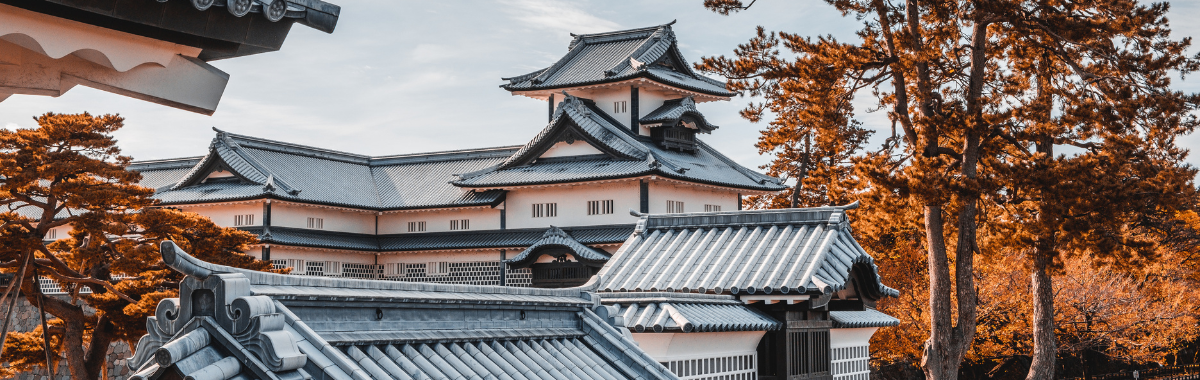
A Historic Alternative in Japan: Kanazawa
Located on Japan's western coast, Kanazawa has become one of the country's most compelling cultural destinations.
The city flourished as a castle town under the Maeda clan and still preserves many features associated with Japan's Edo-era heritage, including traditional neighborhoods, gardens, and artisan traditions.
Why Travelers Visit
Kanazawa attracts travelers seeking traditional Japanese culture in a more relaxed environment.
Highlights include:
- Kenrokuen Garden
- Higashi Chaya District
- Kanazawa Castle
- Omicho Market
- Contemporary art museums
The city is known for its preserved streetscapes, traditional crafts, and regional cuisine. The official tourism authority emphasizes the preservation of local culture, arts, and heritage as central elements of the visitor experience.
What Makes It Different
Visitors frequently appreciate Kanazawa's balance of history and accessibility.
Traditional architecture, tea districts, artisan workshops, and cultural sites exist within a compact urban environment, creating an experience that feels immersive without overwhelming visitors.
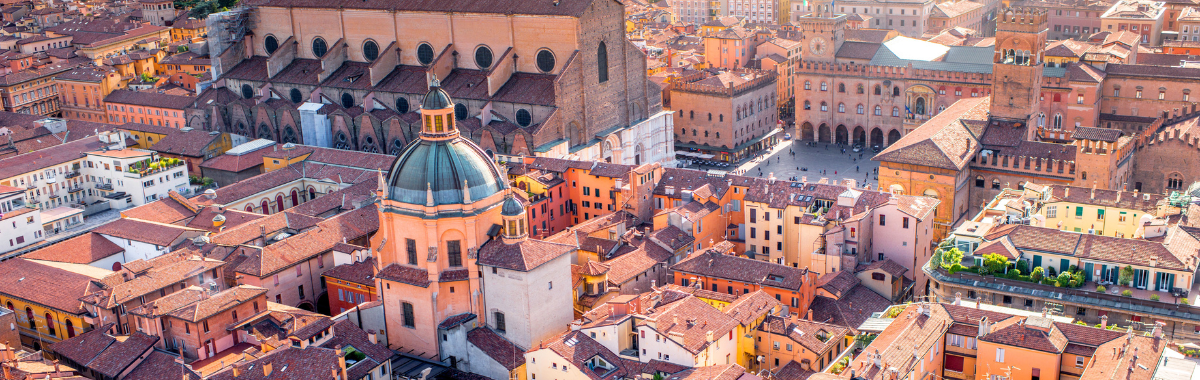
Italy Beyond the Obvious: Bologna
Bologna sits in the heart of Emilia-Romagna and is often regarded as one of Italy's most rewarding urban destinations.
Known for its medieval architecture, historic university, and celebrated food culture, Bologna delivers many of the experiences travelers seek in Italy while maintaining a distinctly local atmosphere.
Why Travelers Visit
The city is particularly popular among food lovers.
Local specialties include:
- Tagliatelle al ragù
- Tortellini
- Mortadella
- Regional cheeses
- Traditional markets
Bologna is also home to the University of Bologna, founded in 1088 and widely recognized as the oldest university in the Western world.
What Makes It Different
The city combines centuries of history with everyday local life.
Travelers spend their days:
- Walking beneath UNESCO-listed porticoes
- Exploring Piazza Maggiore
- Climbing medieval towers
- Visiting historic academic buildings
- Enjoying traditional trattorias
The result is an Italian city experience that feels vibrant, authentic, and approachable.
Also Read: Why Italy Is the Top European Travel Destination for Americans
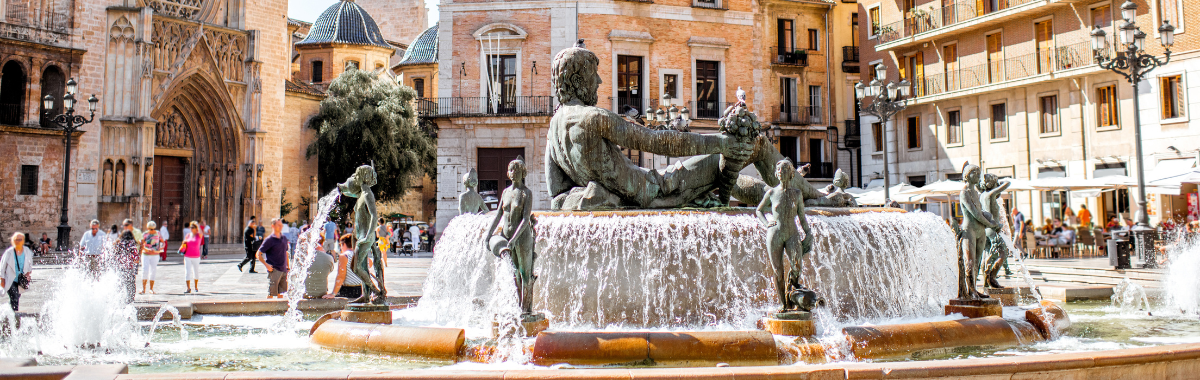
Valencia's Growing Appeal
Valencia has emerged as one of Europe's most interesting urban destinations.
Located along Spain's Mediterranean coast, the city blends beaches, historic architecture, modern design, and sustainability initiatives.
Why Travelers Visit
Valencia offers a mix of experiences that appeal to different travel styles:
- Beaches
- Historic districts
- Food markets
- Urban parks
- Contemporary architecture
- Cycling infrastructure
The city has received recognition for its sustainability efforts and was named European Green Capital 2024.
Also Read: The Best Places to Visit In Spain
What Makes It Different
Valencia combines the energy of a large city with a more relaxed pace than some of Europe's busiest visitor destinations.
Travelers often enjoy:
- The City of Arts and Sciences
- Turia Garden
- Local markets
- Waterfront districts
- Regional cuisine
The city's walkability and extensive cycling routes also make exploration particularly enjoyable.
Also Read: Spain Travel Insurance & Assistance Services
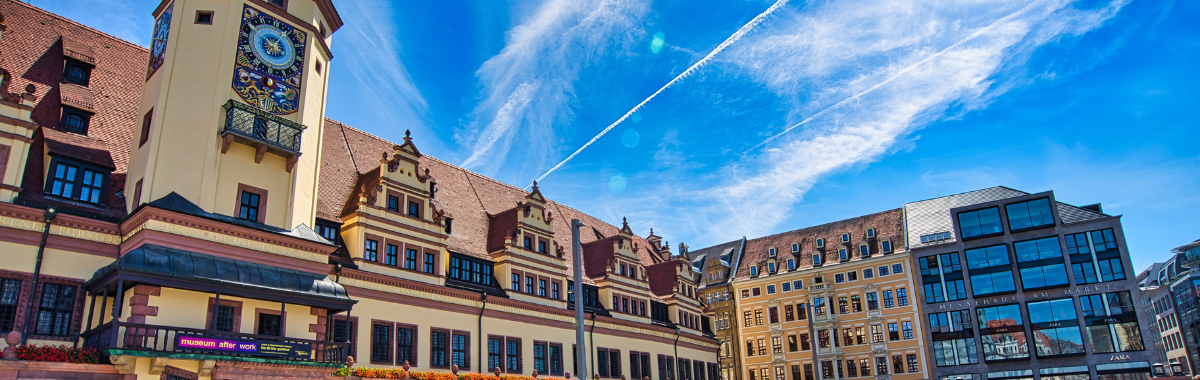
Germany's Creative Alternative: Leipzig
Leipzig (Lipe-zuhg) has evolved into one of Germany's most dynamic cultural destinations.
The city is known for its rich music history, creativity, and a growing arts scene.
Why Travelers Visit
Leipzig's musical heritage is significant.
Great composers associated with the city include:
- Johann Sebastian Bach
- Felix Mendelssohn
- Richard Wagner
The destination continues to celebrate its musical identity through concert halls, museums, and festivals.
What Makes It Different
Leipzig has successfully blended historic heritage with contemporary culture.
Visitors find:
- Revitalized industrial districts
- Independent galleries
- Creative neighborhoods
- Historic churches
- Public art
- Cultural events
Leipzig Tourism describes the city as a destination known for music, culture, creativity, history, and contemporary spirit.
Travelers looking for an energetic urban experience often appreciate its combination of cultural depth and local authenticity.
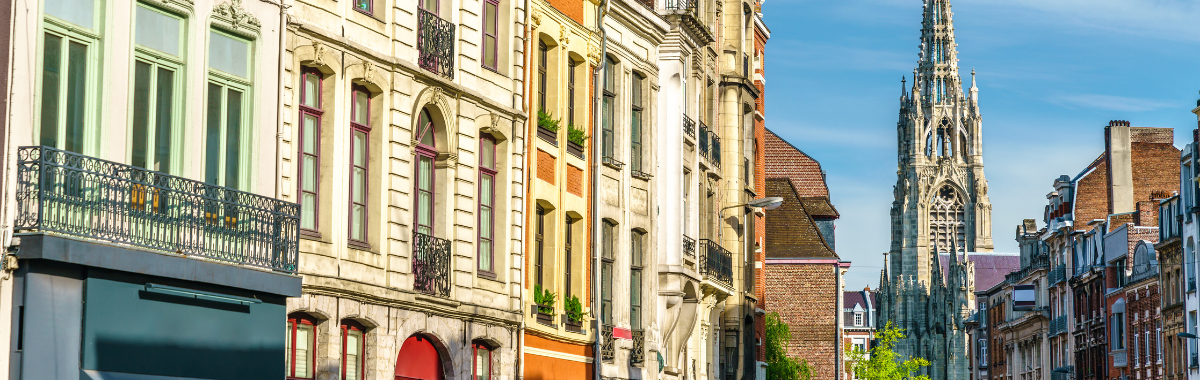
Lille: A Cultural Gateway in Northern France
Lille has steadily developed a reputation as one of France's most engaging cultural cities.
Located near several major European capitals, it blends French and Flemish influences into a distinctive regional identity.
Why Travelers Visit
Lille's attractions include:
- Historic Old Town
- Major museums
- Architecture
- Markets
- Culinary traditions
- Festivals
The city is particularly known for its cultural offerings, welcoming atmosphere, and history.
What Makes It Different
Lille feels both historic and contemporary.
Travelers spend time:
- Exploring cobbled streets
- Visiting art museums
- Discovering local cafés
- Enjoying public squares
- Experiencing regional cuisine
The city's size makes it easy to navigate while still offering a rich range of attractions.
Also Read: The Best Places to Travel in France Besides Paris
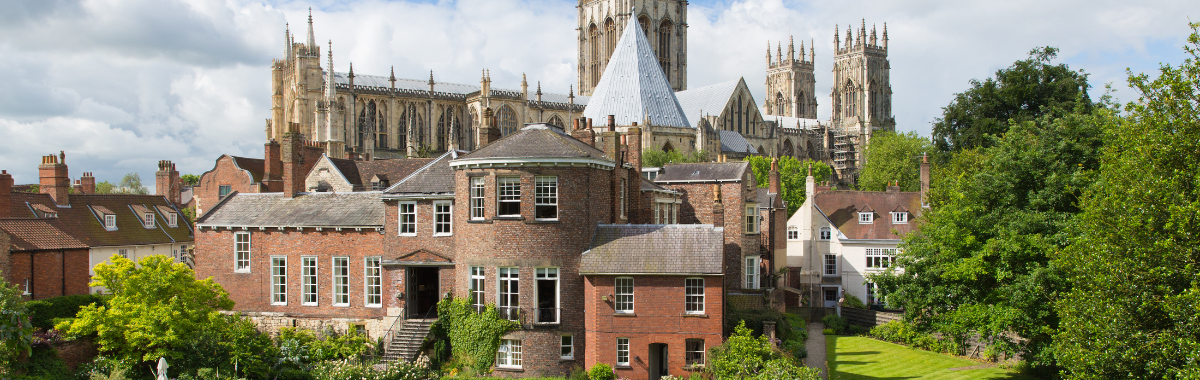
York: History Beyond the Capital
For travelers seeking British history outside the country's largest tourism centers, York provides an exceptional alternative.
The city combines Roman, Viking, medieval, and Victorian heritage within a remarkably walkable environment making it an excellent spot for travelers looking to reconnect with their heritage roots.
Also Read: Exploring the Places That Shaped Your Family Story
Why Travelers Visit
York's historical appeal is extensive.
Popular attractions include:
- York Minster
- Medieval city walls
- The Shambles
- Viking heritage sites
- Museums
- River experiences
Visit York describes the city as a place where Roman roots and Viking history meet a vibrant cultural scene.
Also Read: Best Places to Visit in the U.K. and What to Know
What Makes It Different
The city's relatively compact size allows visitors to experience centuries of history within a short distance.
Rather than rushing between attractions, travelers often spend their days wandering medieval streets, exploring independent shops, and discovering unexpected historical landmarks.
How to Plan a Secondary-City Trip
Extend Your Stay
Secondary cities often reward travelers who spend several days exploring neighborhoods and local culture.
Use Regional Transportation
Many alternative destinations have excellent rail and public transportation connections that make exploration easy.
Prioritize Local Experiences
Consider:
- Food tours
- Cultural workshops
- Local markets
- Walking tours
- Independent museums
Travel Outside Peak Periods
Many secondary cities become especially enjoyable during shoulder seasons, when weather remains pleasant and visitor numbers are lower.
Travel Protection Considerations
Whether visiting a major tourism hub or a lesser-known destination, unexpected travel disruptions remain possible. One of the smartest ways to help prepare for possible disruptions is to get a travel protection plan.
What can be covered under our travel protection plans:
- Travel Delays
- Trip Cancellation
- Trip Interruption
- Lost or Stolen Baggage
- Baggage Delay
- Medical and Dental Coverage
Reviewing travel protection options before departure may help travelers understand available coverages and assistance services that match their itinerary and destination.
Plans and benefits vary, so reviewing Plan Documents before purchase is important.

The Future of Travel May Be in Secondary Cities
The world's most famous destinations will always attract visitors. Yet many travelers are discovering that memorable experiences often happen beyond the places found on every postcard.
Cities like Kanazawa, Bologna, Valencia, Leipzig, Lille, and York demonstrate that cultural depth, history, cuisine, architecture, and authentic local experiences are not limited to tourism capitals.
As interest in meaningful travel continues to grow, secondary cities offer a compelling alternative for travelers seeking something new. They provide opportunities to explore rich traditions, support local economies, and experience destinations at a more comfortable pace.
The next unforgettable trip may not be in the destination everyone talks about. It may be in the city just beyond it.
Planning a trip to a secondary city or exploring new destinations abroad? Compare travel protection options and get a fast, free quote before departure.
FAQs
What is a secondary city in travel?
A secondary city is a destination that attracts fewer visitors than a country's most famous tourism hubs but still offers significant cultural, historical, culinary, or recreational experiences.
Why are secondary cities becoming more popular?
Many travelers are seeking fewer crowds, more authentic experiences, better value, and opportunities to explore local culture beyond heavily visited destinations.
Are secondary cities easier on a travel budget?
In many cases, accommodations, dining, and activities may be more affordable compared with major international tourism centers, although costs vary by destination and season.
Which types of travelers enjoy secondary cities the most?
Food enthusiasts, cultural travelers, history lovers, slow travelers, and visitors seeking local experiences often find secondary cities especially rewarding.
Travel Resources
See All

10872502609

Average Customer Rating:

Thank you for visiting csatravelprotection.com