Must-Have Apps for Traveling to Remote, Off-the-Grid Destinations

Key Takeaways
- Downloading offline maps, trail guides, and language packs before departure helps travelers navigate and communicate when cell service disappears.
- Weather, emergency communication, and travel management apps can help provide critical information when conditions change unexpectedly in remote regions.
- Digital preparation should include storing important documents offline and reviewing travel protection options before heading beyond reliable connectivity.
Remote travel offers a different kind of adventure. Whether the destination is a mountain trail, a remote island, a polar expedition, a wilderness campsite, or a rural international destination, leaving the crowds behind often means leaving reliable cell service behind as well.
For many travelers, smartphones have become essential travel tools. Yet the apps that work perfectly in a city may become less useful when Wi-Fi is unavailable and mobile coverage is limited. Preparing a phone for off-the-grid travel requires more than downloading a few vacation photos and playlists. It involves building a toolkit of apps that help with navigation, communication, weather awareness, itinerary management, and access to important travel information.
The best travel apps for remote destinations are the ones that continue working even when connectivity does not. Offline travel apps, downloaded maps, stored documents, and emergency communication tools help travelers stay informed and organized while exploring destinations far from traditional infrastructure.

Why Remote Travelers Need Offline Travel Apps
Many travelers assume that modern smartphones will remain fully functional anywhere. While GPS capabilities often continue working without cellular service, many apps depend on internet connectivity to deliver maps, directions, translation support, weather updates, and location information.
Remote destinations present unique challenges:
- Limited or nonexistent cellular networks
- Unpredictable weather conditions
- Long distances from medical facilities
- Fewer transportation alternatives
- Language barriers in remote international locations
- Difficulty accessing reservation details or travel documents
Preparing essential travel resources before leaving reliable internet access helps reduce these challenges. The right combination of apps transforms a smartphone into a valuable travel companion rather than a device searching endlessly for a signal.

Offline Maps and Navigation Apps
Navigation is often the most important consideration when visiting remote destinations. Even experienced travelers benefit from having multiple map resources available offline.
Google Maps Offline
Google Maps remains one of the most widely used navigation tools in the world. One of its most valuable travel features is the ability to download map regions for offline use before departure. Downloaded maps allow users to access road networks and offline driving directions even when internet access is unavailable, provided the route falls within the downloaded map area.Google notes that offline maps help travelers navigate when connections are slow or unavailable, although features like live traffic and transit information require an active connection.
For remote travel, offline Google Maps is particularly useful for:
- Rural road trips
- Scenic driving routes
- National park access roads
- Small towns with limited connectivity
- International destinations where roaming data may be expensive
Before departing, travelers should download map areas that cover:
- Arrival airports
- Nearby towns
- Road routes
- Accommodations
- Planned attractions
Downloading larger areas than anticipated provides extra flexibility if plans change.
Maps.me
Maps.me is designed specifically with offline navigation in mind. The platform provides detailed offline maps, GPS navigation, hiking trails, and points of interest worldwide. The app relies on OpenStreetMap data and allows travelers to download entire regions before traveling.
Maps.me may be especially useful for:
- International travel
- Rural exploration
- Road trips
- Walking tours
- Areas where commercial map coverage is limited
Because map data is stored directly on the device, travelers maintain access without consuming additional data.
AllTrails
Hikers and outdoor enthusiasts frequently use AllTrails to discover and navigate trails. Offline map functionality available with AllTrails Plus and Peak memberships allows users to download trail maps and access navigation using a phone's built-in GPS.AllTrails provides valuable information such as:
- Trail routes
- Elevation profiles
- Trail descriptions
- Difficulty ratings
- Park information
For backcountry adventures, reviewing trail details before losing connectivity helps travelers make informed decisions about conditions and route planning.
Also Read: 9 of the Best Hiking Trips in the U.S. and How to Find Trails Near You
Gaia GPS
For travelers heading into particularly remote environments, Gaia GPS has become a favorite among hikers, backpackers, overlanders, and expedition travelers.
Gaia GPS allows users to download topographic maps and access GPS-based navigation without internet connectivity. After maps are downloaded, a device's GPS chip continues to provide location information even outside cellular coverage.
Features particularly valuable for remote travel include:
- Detailed topographic maps
- Trail data
- Backcountry route planning
- Campsite information
- Offline navigation
For multi-day hiking trips or remote wilderness destinations, Gaia GPS offers significantly more detail than standard road map applications.

Emergency Communication and Safety Apps
One of the biggest concerns in remote environments is maintaining communication when traditional networks fail.
Although WhatsApp is commonly associated with everyday messaging, it is also an important travel communication tool.
Many hotels, tour operators, guides, transportation providers, and excursion companies communicate through WhatsApp internationally. The app has also introduced proxy functionality that helps maintain connectivity during network disruptions while preserving end-to-end message encryption.
Travelers should:
- Confirm important contact numbers before departure
- Download updates via Wi-Fi whenever possible
- Inform family or friends of remote travel plans
- Establish check-in schedules when visiting isolated locations
While WhatsApp still requires some form of connectivity to send messages, it remains one of the most useful communication platforms for international travel.
Weather and Natural Hazard Alert Apps
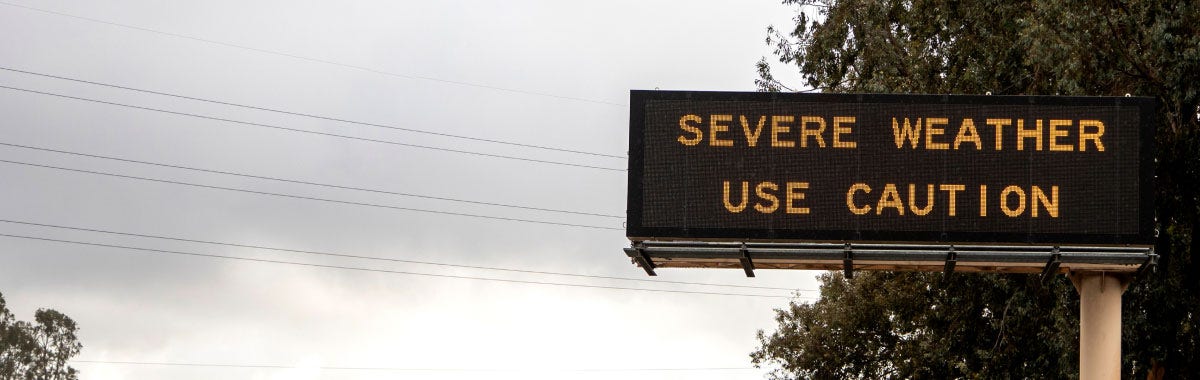
Weather conditions often pose the greatest risk during remote travel.
Storms, flooding, extreme temperatures, wildfires, and changing mountain conditions may develop rapidly. Weather awareness becomes especially important when travelers are far from assistance.
NOAA Weather and Alert Applications
Several weather applications draw information from NOAA and the National Weather Service. These resources offer forecasts, watches, warnings, and alerts designed to help travelers stay informed about changing conditions. NOAA and the National Weather Service provide extensive weather forecasting and warning capabilities throughout the United States.
Key features often include:
- Severe weather alerts
- Forecast updates
- Hurricane tracking
- Flood warnings
- Winter storm information
Before traveling into remote regions, downloading weather data while connected helps travelers monitor changing forecasts.
Weather Apps for International Travel
Travelers visiting remote international destinations should also consider global weather tools such as:
- AccuWeather
- Weather Underground
- The Weather Channel
- Regional meteorological services
Many expedition operators recommend checking multiple weather sources before embarking on outdoor activities.
Hazard Awareness
Weather alerts are only one component of destination awareness.
Remote travelers should monitor:
- Wildfire activity
- Volcanic alerts
- Avalanche advisories
- Air quality conditions
- Hurricane forecasts
- Seasonal flood risks
Also Read: Weather Tools Travelers Should Check Before Traveling
Translation Apps That Work Offline
Language barriers may become more challenging in remote destinations than in major tourist centers.
Smaller villages and rural communities often have fewer English-speaking resources, making translation tools especially valuable.
Google Translate Offline
Google Translate offers the ability to download language packs for offline use, allowing travelers to translate text without an internet connection. Downloaded languages remain accessible on the device and support various translation functions even when connectivity is unavailable.
Offline translation is useful for:
- Restaurant menus
- Transportation instructions
- Accommodation communication
- Signage
- Emergency situations
- Basic conversations
Travelers visiting remote regions should download needed languages before departure.
Also Read: Free Translation Apps for Travel

Airline and Travel Management Apps
Many travelers think airline apps matter only during airport travel. In reality, they remain valuable tools throughout a trip.
Airline Apps
Most major airline apps allow travelers to:
- View itineraries
- Check flight status
- Access boarding passes
- Receive notifications
- Manage reservations
Airline apps frequently support mobile boarding passes and travel notifications, allowing travelers to monitor schedule changes from mobile devices.
For remote travelers, downloading airline apps before departure helps maintain access to:
- Flight schedules
- Gate information
- Rebooking options
- Boarding credentials
This becomes especially important when returning from remote locations where airport resources may be limited.
Trip Management Platforms
Travel management apps help organize:
- Flight reservations
- Hotel bookings
- Excursion confirmations
- Ground transportation
Having all trip details centralized reduces the need to search through emails while traveling.
Travel Assistance and Travel Protection Resources
Remote destinations often involve greater logistical challenges than urban travel.
Unexpected events such as weather disruptions, transportation delays, medical situations, or itinerary changes may become more difficult to navigate when assistance resources are distant.
Many travelers heading off the beaten path review travel protection options before departure to better understand available insurance and assistance services.
Preparing Emergency Information
A good remote travel preparation checklist includes:
- Emergency contacts
- Travel protection details
- Medical information
- Vaccination records
- Medication lists
- Embassy contact information
Having all resources available on a smartphone helps improve organization when travel disruptions occur.

Digital Preparation for Remote Adventures
Traveling beyond reliable cell coverage often leads to some of the most rewarding experiences in the world. Remote islands, mountain trails, wilderness areas, expedition cruises, and rural international destinations provide opportunities for exploration that many travelers place high on their bucket lists.
Successful remote travel planning starts long before departure. Downloading the right apps, storing critical information offline, and familiarizing yourself with available resources helps travelers remain informed and organized when internet access disappears.
The best travel apps for remote destinations are not simply convenience tools. They help support navigation, communication, weather awareness, and travel management in environments where access to assistance may be limited.
Before heading off the grid, take time to build a digital travel toolkit, download key offline travel apps, and review travel protection options appropriate for the journey.
Ready to prepare for your next remote adventure? Get a fast and free travel protection quote before departure and review travel insurance and assistance services designed to support travelers exploring beyond the beaten path.
Frequently Asked Questions
What are the best travel apps for remote destinations?
Popular options include Google Maps Offline, Maps.me, AllTrails, Gaia GPS, Google Translate, WhatsApp, weather alert apps, and airline apps. These tools help with navigation, communication, weather monitoring, and trip organization when connectivity is limited.
Do offline maps work without cell service?
Yes. Downloaded offline maps remain available without cellular coverage. GPS functionality on smartphones typically continues working, allowing travelers to view their location and navigate within downloaded map areas.
What translation app works without internet access?
Google Translate offers downloadable language packs that support offline translation. Travelers should download required languages before leaving areas with reliable internet access.
Should travelers purchase travel protection for remote destinations?
Remote destinations often involve unique logistical and medical considerations. Reviewing travel protection options and understanding available insurance and assistance services before departure helps travelers prepare for unexpected disruptions during their trip.
Travel Resources
See All

12256642608

Average Customer Rating:

Thank you for visiting csatravelprotection.com