Slow Travel in 2026: How to Experience More by Doing Less
Key Takeaways
- Google reports that interest in slow travel has reached new highs in 2026, reflecting a growing desire for longer stays and deeper destination experiences.
- Travelers are choosing fewer destinations, more immersive local experiences, and less crowded locations over fast-paced sightseeing itineraries.
- Travel protection becomes especially important for longer trips, where unexpected disruptions may impact accommodations, transportation, and overall travel investments.
For years, travel was often defined by packed itineraries and ambitious bucket lists. Travelers raced between cities, checked off major landmarks, and tried to fit as much as possible into a limited amount of time. In 2026, that mindset is shifting.
According to Google's 2026 Travel Trends report, interest in "slow travel" has reached an all-time high. Travelers are increasingly prioritizing meaningful experiences, extended stays, and opportunities to connect with destinations on a deeper level.
This shift is supported by broader travel industry research. Expedia's Unpack Travel Trends Report points to rising interest in less crowded destinations and local experiences.
The result is one of the biggest travel trends of 2026: slowing down.
What Is Slow Travel?
Slow travel focuses on spending more time in fewer places. Instead of moving from city to city every few days, travelers dedicate more time to understanding a destination's culture, food, traditions, and daily life.
Rather than viewing a destination through a checklist of attractions, slow travelers focus on firsthand experiences and local connections.
Common characteristics of slow travel include:
- Staying in one destination for a week or longer
- Exploring neighborhoods beyond major tourist districts
- Taking day trips rather than changing accommodations frequently
- Spending time at local markets, cafés, and community events
- Participating in food, art, or cultural experiences
- Prioritizing quality experiences over quantity
The goal is simple: to experience a destination rather than simply visit it.
Also Read: The Slow Travel Trend, What it is and How it Works
Why Slow Travel Is Trending in 2026
Google's travel trends data shows growing interest in travel experiences that prioritize immersion over speed. Searches related to longer stays, retreats, and destination-based experiences have increased alongside interest in slow travel.
At the same time, travelers are increasingly looking beyond the world's most crowded tourism hotspots. Expedia's travel trends research notes increased interest in secondary destinations and authentic local experiences, while Booking.com reports strong demand for nature-focused getaways and meaningful travel experiences.
Several factors are driving this trend:
- Traveler burnout from overly scheduled vacations
- A desire for more authentic cultural experiences
- Increased flexibility for extended travel
- Interest in supporting local businesses
- Growing awareness of overtourism in major destinations
For many travelers, the most memorable moments are no longer found in rushed sightseeing schedules. They're found in local cafés, neighborhood markets, regional festivals, and conversations with residents.

How to Embrace Slow Travel in 2026
Choose One Destination Instead of Several
One of the simplest ways to embrace slow travel is to reduce the number of destinations on an itinerary.
Rather than hopping between multiple cities, consider selecting one region and exploring it thoroughly. A traveler spending ten days in Tuscany, for example, may gain a deeper appreciation for local culture than someone trying to squeeze Rome, Florence, Venice, and Milan into the same timeframe.
Stay Longer
Longer stays create opportunities to discover destinations beyond their major attractions.
After the first few days, travelers often begin exploring residential neighborhoods, local bakeries, parks, markets, and community gathering spaces that traditional tourists rarely see.
This often leads to more meaningful travel experiences and a stronger connection to the destination.
Travel Like a Local
Slow travel encourages travelers to participate in everyday life.
This may include shopping at local markets, using public transportation, attending cultural events, or dining at neighborhood restaurants rather than tourist-focused establishments. These experiences frequently provide greater insight into a destination's identity than popular attractions alone.
Leave Room for Spontaneity
Not every hour needs to be planned.
One of the biggest advantages of slow travel is flexibility. Travelers have time to take a recommendation from a local resident, spend an extra afternoon in a favorite neighborhood, or attend a festival they discover during their trip.
Some of the best travel memories happen when there is no schedule at all.
Destinations That Work Well for Slow Travel
Italy
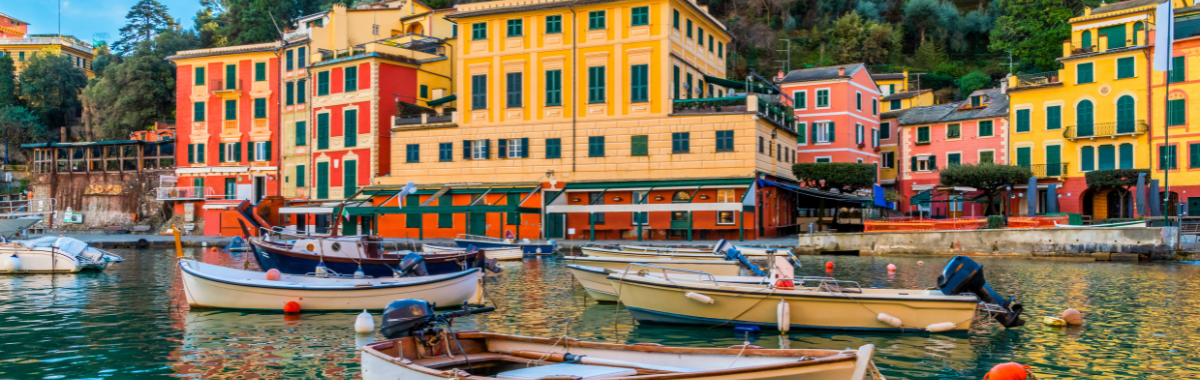
Italy remains one of the world's premier slow travel destinations. Regions such as Tuscany, Puglia, Umbria, and Sicily offer enough culture, history, and culinary experiences to fill weeks rather than days.
Instead of rushing between landmarks, travelers have time to explore local markets, wineries, coastal villages, and regional traditions.
Check Out Our Italy Trip Itinerary
Portugal
Portugal's smaller cities and countryside destinations are especially well suited for slow travel. Beyond Lisbon and Porto, travelers find charming towns, wine regions, and coastal communities where a slower pace comes naturally.
Also Read: Travel Protection for Portugal
Japan
Japan's rail network makes it easy to establish a home base while exploring surrounding regions through day trips. Destinations beyond Tokyo and Kyoto offer opportunities to experience local traditions, food culture, and historic communities at a more relaxed pace.
Also Read: Top Sights to See with a Japan Rail Pass
Smaller U.S. Destinations
Many travelers are also discovering smaller American cities and towns that offer strong local culture without the crowds associated with major tourism hubs.
These destinations often provide unique culinary scenes, walkable downtown areas, outdoor recreation opportunities, and authentic community experiences.
Also Read: 7 Great ‘Hallmark Movie’ Holiday Travel Destinations

Why Food Plays a Major Role in Slow Travel
Food has become one of the defining elements of modern travel.
Slow travel encourages visitors to move beyond simply eating at restaurants and instead engage with local culinary culture.
Popular experiences include:
- Cooking classes
- Farmers markets
- Wine tastings
- Farm visits
- Regional food tours
- Seasonal food festivals
Taking time to understand a destination's cuisine often creates a stronger connection to local culture and traditions.
Also Read: The World’s Most Iconic Dishes and the Destinations They Call Home
Slow Travel and Sustainable Tourism
As many destinations continue to address overtourism challenges, slow travel offers a different approach.
By encouraging visitors to spend longer periods in fewer places, tourism spending often spreads more evenly throughout local communities. Travelers also tend to explore beyond overcrowded landmarks, supporting a wider range of small businesses and regional destinations.
This makes slow travel appealing not only to visitors but also for communities seeking a more balanced tourism model.

Why Travel Protection Matters for Slow Travel
While slow travel emphasizes flexibility and slower-paced itineraries, longer trips often involve larger travel investments.
Extended accommodations, multiple transportation bookings, excursions, and destination experiences may represent a significant financial commitment. Travel protection may help travelers address covered disruptions that occur before or during a trip.
All Generali Global Assistance plans include protection related to covered Trip Cancellations, Trip Interruptions, Travel Delays, missing or stolen baggage, and much more. For travelers planning longer stays, those benefits may become particularly valuable if unexpected events affect travel arrangements.
Longer trips also increase the likelihood of itinerary changes over time. Weather disruptions, transportation issues, and other unforeseen situations may impact travel plans. Travel insurance and assistance services provide support and resources during these situations, helping travelers navigate challenges while away from home.
Before purchasing any plan, travelers should carefully review Plan Documents for coverage details, eligibility requirements, limitations, and exclusions.
Building a Slow Travel Itinerary
Travelers interested in testing the slow travel trend do not need to plan a month-long getaway.
A few simple adjustments often make a significant difference:
- Select one primary destination instead of multiple cities
- Stay five to seven nights or longer when possible
- Reserve time for unplanned activities
- Focus on local experiences rather than attractions alone
- Explore neighborhoods outside tourist centers
- Use day trips instead of changing hotels frequently
The goal is not to see less. The goal is to experience more of what makes a destination unique.
The Future of Slow Travel
The rise of slow travel reflects a broader shift in traveler priorities. Google's 2026 Travel Trends report highlights growing interest in immersion and longer stays, while Expedia and Booking.com research shows travelers increasingly seeking authentic, experience-driven journeys.
Instead of trying to visit as many places as possible, more travelers are choosing to build deeper connections with fewer destinations.
Whether planning a week in Tuscany, an extended stay in Portugal, or a slower-paced adventure closer to home, travel protection is an important part of trip planning. Explore travel insurance and assistance services options and get a fast and free quote before departure.
Frequently Asked Questions
What is slow travel?
Slow travel is a travel style focused on spending more time in fewer destinations, allowing travelers to experience local culture, food, and communities in a more meaningful way.
Why is slow travel popular in 2026?
Google's 2026 Travel Trends report shows record interest in slow travel as travelers seek deeper cultural experiences, longer stays, and alternatives to crowded tourist destinations.
Which destinations are best for slow travel?
Italy, Portugal, Japan, and smaller U.S. destinations are popular choices because they offer strong local culture, regional experiences, and opportunities for extended stays.
Should travelers consider travel protection for slow travel trips?
Longer trips often involve larger travel investments and more moving parts. Depending on the selected plan and terms, travel protection may help with covered cancellations, interruptions, delays, and other covered travel issues.
Travel Resources
See All

10872502607

Average Customer Rating:

Thank you for visiting csatravelprotection.com