8 Budget Destinations That Feel Luxurious
Key Takeaways
- Destinations across Europe, Asia, and Latin America offer elevated experiences—architectural beauty, boutique accommodations, and immersive culture—at lower price points than traditional luxury hotspots.
- Thoughtful design, natural scenery, and locally rooted experiences shape a sense of luxury without relying on high spending.
- Choosing destinations with strong value-based hospitality allows travelers to enjoy villa stays, scenic coastlines, and curated activities that feel refined and distinctive.
Luxury travel is often associated with high nightly rates and well-known premium destinations. However, a growing number of global locations show that a refined travel experience does not always require a high price point. Scenic coastlines, thoughtfully designed accommodations, and culturally rich environments can create a sense of luxury rooted in atmosphere rather than cost.
From Europe to Southeast Asia and Latin America, many destinations offer elevated experiences that balance design, comfort, and local character. These locations highlight how travelers can prioritize visual beauty, immersive activities, and distinctive places to stay—while maintaining strong overall value.
The following destinations illustrate how luxury can take shape through intentional travel choices, where meaningful experiences and memorable settings come together in ways that feel both elevated and accessible.
Albania: A Quiet Mediterranean Escape with Untouched Elegance
Albania’s coastline stretches along the Ionian Sea and remains one of Europe’s lesser-known seaside landscapes. The Albanian Riviera offers luminous blue water framed by rugged cliffs, creating a striking visual parallel to better-known destinations across the Mediterranean.
Ksamil stands out for its small islands just offshore, where shallow, clear waters shift between turquoise and deep blue throughout the day. Beachfront accommodations often feature terraces that open directly to the sea, and many properties emphasize minimalist design that blends with the surrounding landscape. The lack of large-scale resort development creates a more intimate atmosphere, adding to the sense of quiet luxury.
Further north, Dhërmi introduces a mix of pebble beaches and hillside villages. The interplay between mountain views and coastal scenery shapes a layered environment where mornings begin with panoramic vistas and evenings transition into calm waterfront dining settings.
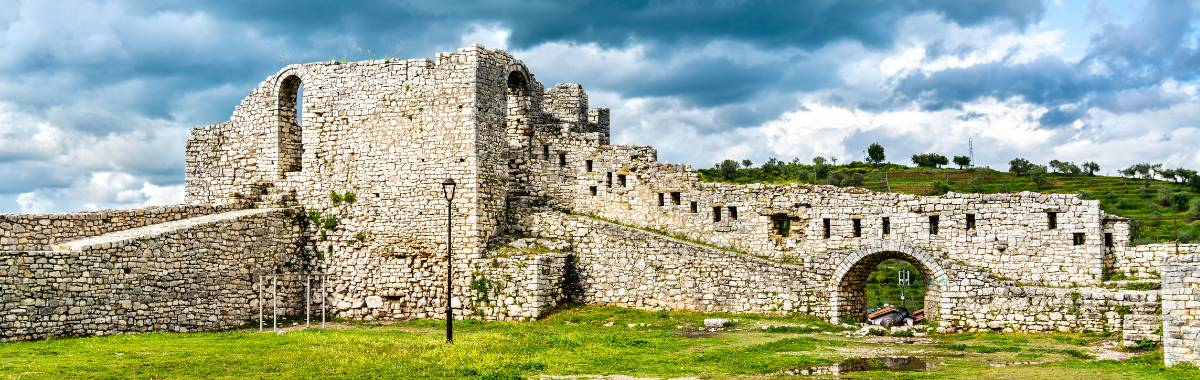
Inland, Berat brings a different kind of refinement. Known for its preserved Ottoman architecture, the town unfolds as a series of white stone houses stacked along a hillside. Narrow streets, historic bridges, and carefully restored interiors create a setting that feels thoughtfully curated rather than commercialized.
Vietnam: Layered Landscapes and Refined Urban Design
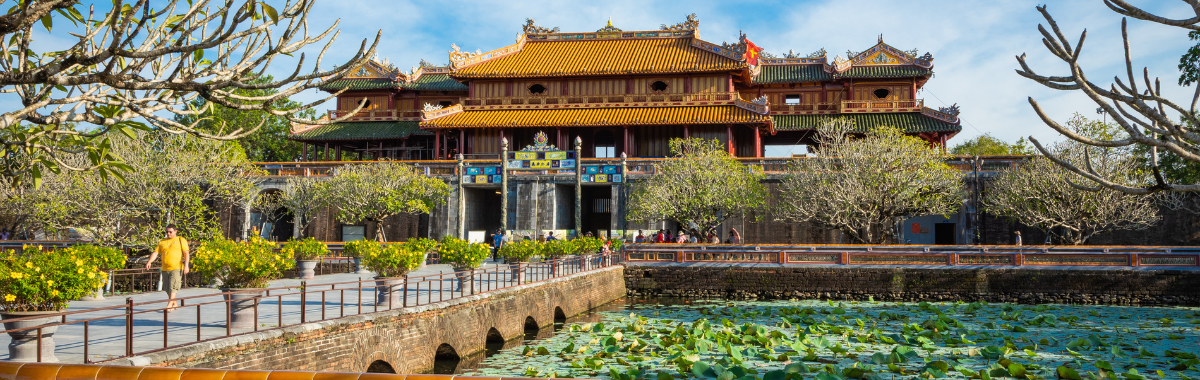
Vietnam’s sense of luxury emerges through contrast. Bustling urban environments blend seamlessly with the quiet countryside and natural wonders, offering a range of experiences that feel immersive and visually rich.
Hanoi’s Old Quarter features narrow streets filled with historic architecture, often paired with boutique hotels that incorporate contemporary design elements. Rooftop spaces introduce sweeping views across the city, where layers of rooftops and tree-lined streets create a dynamic urban landscape.
Moving beyond the city, Ha Long Bay presents one of Southeast Asia’s most recognizable natural environments. Limestone formations rise vertically from calm waters, forming a series of islands that shift in appearance depending on light and weather. Overnight cruises provide a closer look at this scenery, with cabins designed for both comfort and uninterrupted views.
Also Read: Travel Insurance and Assistance Services for Vietnam

Mexico: Coastal Minimalism and Cultural Sophistication
Mexico presents multiple pathways to a luxury feel, particularly in destinations where design and environment intersect.
Tulum’s coastline is defined by its understated aesthetic. Instead of large hotel complexes, many accommodations prioritize natural materials such as wood, stone, and linen. Open-air layouts and beachfront positioning create a continuous connection between indoor and outdoor spaces. The visual simplicity of these properties, paired with the surrounding jungle and ocean, forms a calm and intentional environment.
Just beyond the beaches, cenotes introduce a distinctive natural feature. These freshwater sinkholes, often surrounded by dense vegetation, offer a secluded setting where light filters through openings above, illuminating the clear water below. Visiting these spaces provides a sense of exclusivity rooted in nature rather than amenities alone.
Oaxaca approaches luxury through craftsmanship and culinary tradition. Streets lined with colonial buildings lead to markets filled with textiles, handmade goods, and regional specialties. Many boutique hotels incorporate local artistry into their interiors, creating spaces that feel personalized and culturally connected.
Also Read: Cultural Festivals in Mexico
Portugal: Light, Texture, and Coastal Refinement
Portugal’s visual identity is shaped by light. Coastal cliffs, tiled buildings, and sunlit plazas create an atmosphere that feels both relaxed and polished.
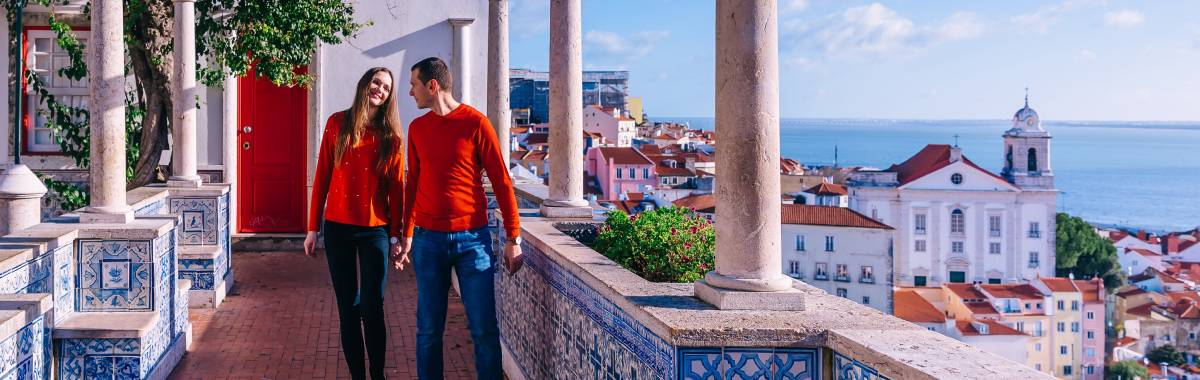
Lisbon’s hills introduce a layered cityscape where viewpoints reveal terracotta rooftops cascading toward the Tagus River. Historic trams move through narrow streets, passing buildings covered in patterned tiles that add texture and color throughout the city. Boutique hotels often occupy restored structures, preserving original architectural details while integrating modern design.
Porto offers a slightly moodier aesthetic, with its riverside district framed by stacked buildings and arching bridges. Interiors across the city frequently feature exposed stone walls, warm lighting, and carefully curated furnishings that contribute to an understated sense of luxury.
Further south, the Algarve’s coastline shifts the focus to natural drama. Golden cliffs rise above the Atlantic, breaking into hidden coves and expansive beaches. Accommodations here often emphasize ocean views, private terraces, and proximity to secluded stretches of sand.
Georgia: Architectural Contrast and Mountain Stillness
Georgia introduces a distinct perspective on European travel, where contrasting influences shape both design and atmosphere.
Tbilisi’s architecture reflects a fusion of styles. Ornate balconies extend from historic buildings, while modern structures introduce clean lines and bold forms. This combination creates a visual rhythm across the city, where each neighborhood presents a slightly different interpretation of space and design.
Boutique accommodations often highlight this contrast, pairing restored interiors with contemporary materials. The result is a setting that feels curated yet authentic, offering a blend of comfort and cultural identity.
Kazbegi shifts the experience dramatically. Located in the Caucasus Mountains, the region offers expansive views of peaks, valleys, and open sky. Lodging in this area frequently focuses on panoramic positioning, where large windows frame the surrounding landscape.
Also Read: From Spas To Safaris, Find Your Luxury Travel Style
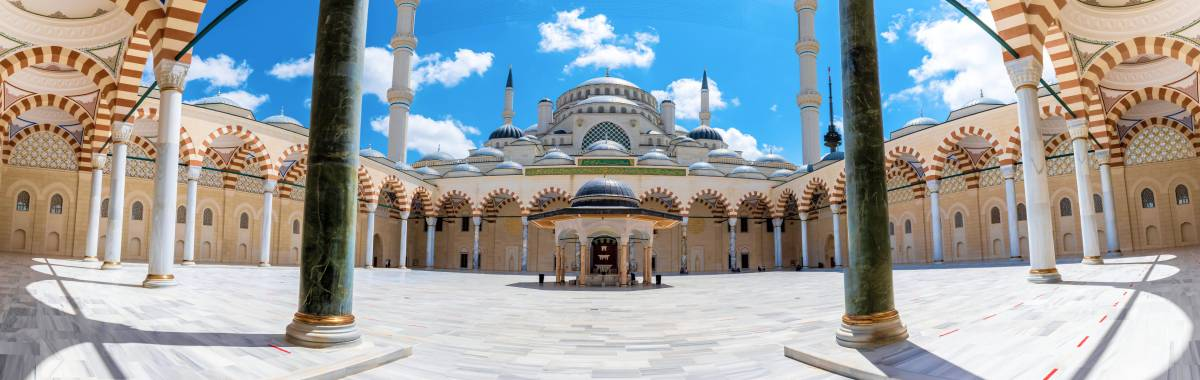
Turkey: Historic Grandeur and Striking Landscapes
Turkey’s sense of luxury is rooted in history and scale. Istanbul serves as a focal point where centuries of architecture shape a dramatic cityscape.
Domes, minarets, and intricate facades define much of the skyline, while the Bosphorus adds a natural divide that enhances the city’s visual appeal. Many accommodations draw inspiration from this heritage, incorporating detailed interiors, layered textiles, and expansive views.
Markets, courtyards, and waterfronts create a dynamic environment where each space feels distinct. The combination of movement and detail contributes to an experience that feels immersive and richly layered.
Cappadocia introduces an entirely different visual language. Rock formations known as fairy chimneys rise from the landscape, creating a terrain that feels almost otherworldly. Cave hotels carved into these formations provide a unique type of lodging, where natural textures form the basis of interior design.
Nicaragua: Untouched Coastlines and Colonial Simplicity
Nicaragua offers a quieter alternative within Central America, where natural beauty and architectural heritage take center stage.
Granada’s streets feature brightly colored buildings arranged along a grid that leads toward Lake Nicaragua. The consistency of design, combined with open courtyards and shaded walkways, creates a calm and cohesive environment.
Accommodations in the city often revolve around restored homes, where interior courtyards include gardens, small pools, and areas designed for relaxation. The emphasis on space and simplicity contributes to a refined atmosphere.
San Juan del Sur shifts the setting to the coast. Beaches stretch along a curved bay, surrounded by hills that provide elevated viewpoints. Properties here frequently focus on positioning, offering clear sightlines of the ocean and sunset.
Also Read: What to Look for in a Luxury Trip
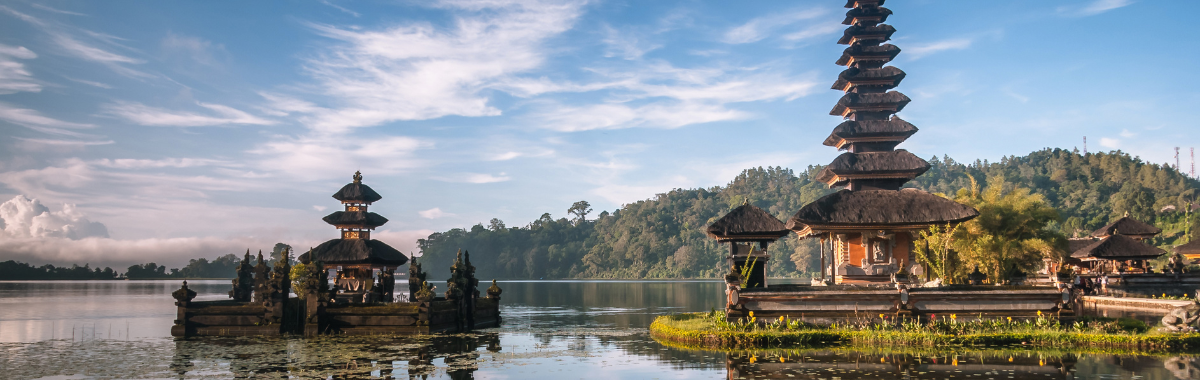
Bali: Villa Living and Immersive Natural Design
Bali’s global reputation as a value-driven luxury destination stems from its emphasis on private space and integrated design.
In Ubud, dense greenery surrounds villas that often include private pools, open-air living spaces, and direct views of rice terraces or jungle landscapes. The use of natural materials—stone, wood, and woven elements creates continuity between built environments and the surrounding setting.
Morning light filters through palm leaves, while the sound of water from nearby streams or fountains adds to the sensory experience. This attention to atmosphere shapes a stay that feels intentional and immersive.
Also Read: Free things to do in Bali
How Travel Protection Supports Elevated Travel Experiences
Travel that includes boutique accommodations, curated excursions, and international routes often involves prepaid non-refundable expenses and detailed planning. Travel protection also addresses common disruptions that may affect these itineraries.
Plans through Generali Global Assistance include benefits such as:
- Trip Cancellation, which helps provide reimbursement for prepaid, non-refundable expenses if a covered reason impacts travel plans before departure
- Trip Interruption, which applies when a trip changes after departure due to covered events
- Emergency Transportation Assistance, which with coordination for medical situations or travel-related emergencies
- Baggage and Baggage Delay coverage, supporting travelers when luggage is delayed or lost during transit
Luxury in travel is not defined solely by cost. It emerges through atmosphere, design, and meaningful connection to a destination. Albania’s coastline, Vietnam’s layered environments, and Portugal’s light-filled cities illustrate how thoughtful travel choices reshape the definition of indulgence.
Each destination highlighted here offers a different interpretation of refinement—whether through natural landscapes, architectural detail, or immersive cultural settings. Taken together, they reflect a broader shift toward accessible experiences that prioritize quality over price.
Get a fast and free quote and prepare for the unexpected while planning a trip centered on comfort and discovery.
Frequently Asked Questions
What makes a destination feel luxurious without a high price?
Design-focused accommodations, unique landscapes, and culturally rooted experiences contribute to a sense of luxury even when overall costs remain lower than traditional high-end destinations.
Which region offers the most variety for budget luxury travel?
Southeast Asia and parts of Europe provide a wide range of environments—from coastlines to cities—while maintaining strong value across accommodations and experiences.
Are boutique hotels common in affordable luxury destinations?
Yes, many budget-friendly luxury locations emphasize smaller, design-forward properties that prioritize atmosphere, personalized service, and integration with local surroundings.
Why consider travel protection for these types of trips?
Trips involving international flights, prepaid stays, and curated experiences can benefit from travel protection, as it addresses potential disruptions that affect plans before or during travel.
Travel Resources
See All

10909122606

Average Customer Rating:

Thank you for visiting csatravelprotection.com