Cultural Festivals in Mexico: A Journey Through Tradition, Flavor, and Celebration
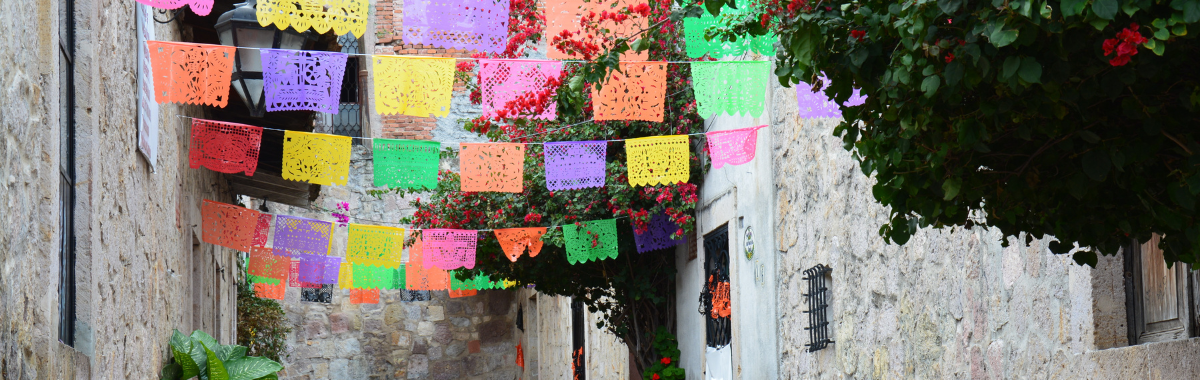
Key Takeaways
- Mexico’s cultural festivals offer travelers meaningful opportunities to experience centuries‑old traditions, regional customs, and vibrant artistic expression.
- Visitors may enjoy unique cultural experiences across Mexico, from Día de los Muertos in Oaxaca to the Riviera Maya Jazz Festival in Playa del Carmen.
- Travelers exploring major festivals may find travel protection helpful in preparing for unexpected interruptions or delays.
Mexico’s cultural festivals offer travelers an opportunity to witness centuries-old traditions that have shaped national identity. Each festival carries its own history, religious significance, and artistic expression, allowing visitors to step into the heart of local communities. Travelers planning to experience these events often look for ways to stay safe and prepared throughout their journey, and many opt to take steps like securing travel protection before heading out.
This guide explores major Mexican cultural festivals in depth, to explore the significance as well as learn more about the festivals themselves. Wanders Miles and TAMPA Magazine both talk about how travelers travel to Mexico for these festivals for reasons such as meaning, food traditions, and seasonal timing.
Día de los Muertos (Day of the Dead)
Location: Celebrated nationwide, with especially renowned experiences in Mexico City, Oaxaca, and Janitzio Island
Timing: October 31 – November 2
Día de los Muertos stands among Mexico’s most emblematic cultural celebrations. The festival blends Indigenous rituals with Catholic influences, honoring loved ones who have passed away. Travelers often note how communities transform for several days, featuring colorful altars, candlelit vigils, and symbolic offerings.
Cultural Significance
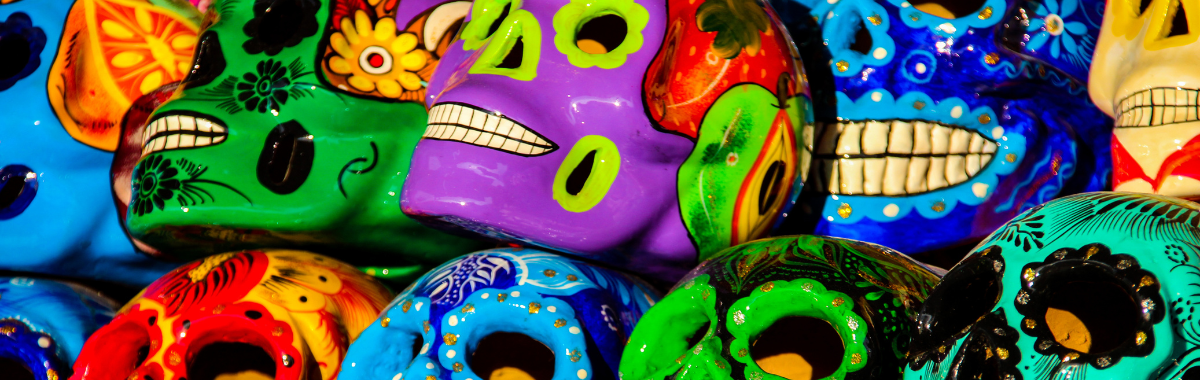
This festival represents remembrance, connection, and spiritual continuity. Rather than treating death solely as loss, Día de los Muertos emphasizes celebration and reflection. Communities build ofrendas, or home and public altars decorated with bright marigolds, photographs, sugar skulls, candles, papel picado, and the favorite foods of departed family members. Families come together to welcome the spirits of their ancestors back to the world of the living.
Many cities hold parades, including the well-known Day of the Dead parade in Mexico City. While this parade gained global attention in recent years, the essence of the celebration remains local and deeply personal.
Destination Experience
Travelers exploring Oaxaca often find some of the most immersive observances, including cemetery gatherings, sand tapestry designs, and vibrant markets selling festival-specific crafts. Remote locations such as Janitzio Island in Lake Pátzcuaro offer unique nocturnal ceremonies where families paddle out on candlelit boats.
Food Traditions
During Día de los Muertos, communities prepare dishes meant to welcome the spirits and feed visiting family. Wanders Miles notes iconic foods such as:
- Pan de muerto, a sweet bread decorated with bone-shaped designs
- Sugar skulls, brightly decorated candies
- Seasonal favorites like tamales, mole, and hot chocolate
Guelaguetza (La Fiesta de los Lunes del Cerro)
Location: Oaxaca City, Oaxaca
Timing: July
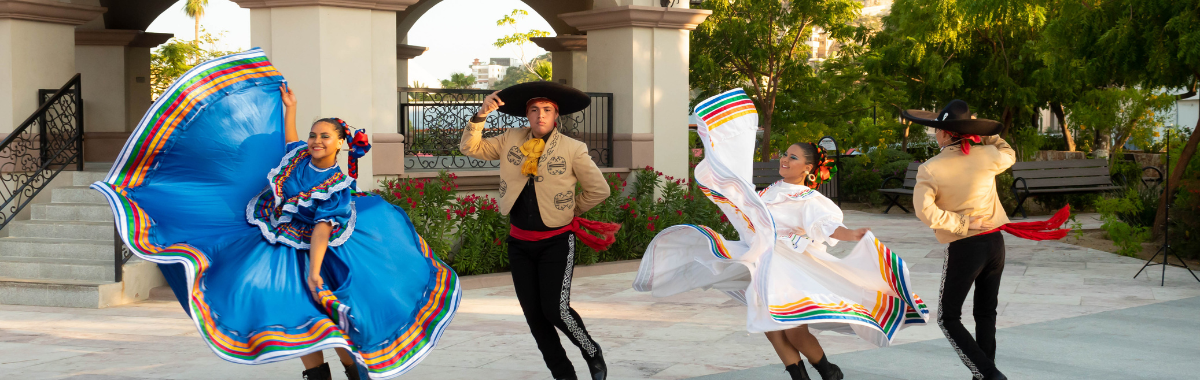
The Guelaguetza festival celebrates Indigenous culture and regional unity in the state of Oaxaca. Delegations representing the state’s different communities gather to perform traditional dances, music, and rituals from the region’s diverse ethnic groups.
Cultural Significance
“Guelaguetza” refers to a tradition of mutual giving and reciprocity. The festival embodies that spirit, bringing communities together to exchange offerings, share performances, and honor Oaxaca’s Indigenous heritage. It is widely considered one of the most culturally rich celebrations in Mexico.
Destination Experience
Oaxaca City’s hilltop Auditorio Guelaguetza hosts the main performances. Visitors witness traditional costumes, intricate choreography, and storytelling expressed through movement. Each delegation offers goods such as fruit, woven items, or regional specialties to the crowd, fulfilling the festival’s namesake custom of communal giving.
Markets and artisan fairs throughout the city provide further insight into local craftsmanship. Textiles, pottery, and Indigenous artwork fill the streets leading up to and during the festivities.
Food Traditions
Oaxaca is known across Mexico for its cuisine, and Guelaguetza showcases many regional dishes. According to Wanders Miles, travelers encounter:
- Tamales oaxaqueños, wrapped in banana leaves
- Mole negro, one of Oaxaca’s celebrated seven types of mole
- Local mezcal, a tradition deeply embedded in the region’s culture
Carnaval
Location: Celebrated throughout Mexico; especially vibrant in Veracruz, Mazatlán, and coastal communities
Timing: February, preceding Lent
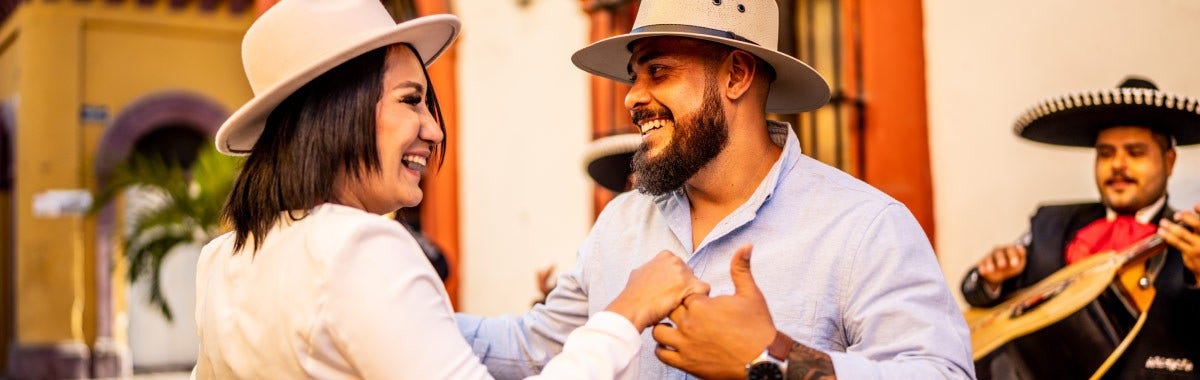
Carnaval is Mexico’s version of the pre-Lenten celebration observed in many parts of the world. Mexico’s Carnaval is as energetic, colorful, and community-driven, featuring parades, dancing, and musical performances as other Carnaval celebrations like in Brazil.
Cultural Significance
Carnaval marks a final period of indulgence before the reflective Lenten season begins. Rooted in Spanish colonial influence, Mexican Carnaval evolved to reflect regional styles, music, and community identity. Each location offers a slightly different experience, with coastal cities often hosting some of the largest festivities.
Destination Experience
Veracruz is known for lively rhythms and dance traditions, while Mazatlán hosts parades with elaborate floats and thousands of costumed participants. Beachfront celebrations often stretch late into the night.
Travelers often enjoy the combination of cultural pageantry and an oceanfront atmosphere. Festivities typically include street parties, concerts, and fireworks, making Carnaval a multi-day spectacle.
Food Traditions
Festival food varies by region, but many coastal carnavales feature fresh seafood, regional sweets, and dishes influenced by local culinary traditions. Visitors encounter street food, market specialties, and classic antojitos or “snacks” enjoyed during celebrations.
Las Posadas
Location: Nationwide, with strong traditions in central Mexico
Timing: December 16–24
Las Posadas is a nine-day festival that reenacts Mary and Joseph’s search for shelter before the birth of Jesus. Wanders Miles identifies this as a major religious and community event blending processions, music, food, and neighborhood gatherings.
Cultural Significance
This festival reflects themes of hospitality, community unity, and spiritual preparation for Christmas. The reenactments feature groups of people traveling from house to house singing traditional verses, symbolizing the biblical journey. Host families eventually welcome the procession inside for food, prayer, and celebration.
Destination Experience
Travelers experiencing Las Posadas witness nightly candlelit processions, piñata celebrations, and gatherings where communities welcome both neighbors and visitors.
Decorated streets, nativity scenes, and musical traditions appear throughout cities and towns. While not as tourist-centered as other festivals, Las Posadas offers visitors an intimate look at Mexican cultural and religious life.
Food Traditions
Las Posadas features classic holiday foods such as:
- Buñuelos, deep-fried pastries dusted with sugar
- Tamales, served in large batches for gatherings
- Ponche, a warm fruit punch featuring seasonal ingredients
Independence Day (Día de la Independencia)
Location: Nationwide; especially prominent celebrations in Mexico City
Timing: September 15–16
Mexico’s Independence Day commemorates the beginning of the country’s fight for independence from Spanish rule. The festival centers around patriotic traditions, historical reenactments, fireworks, and the famous “Grito de Dolores.”
Cultural Significance
The holiday marks the historic moment when priest Miguel Hidalgo called for rebellion in 1810. Every year, the President of Mexico reenacts this event from the National Palace balcony in Mexico City, ringing a bell and reciting the “Grito.”
Destination Experience
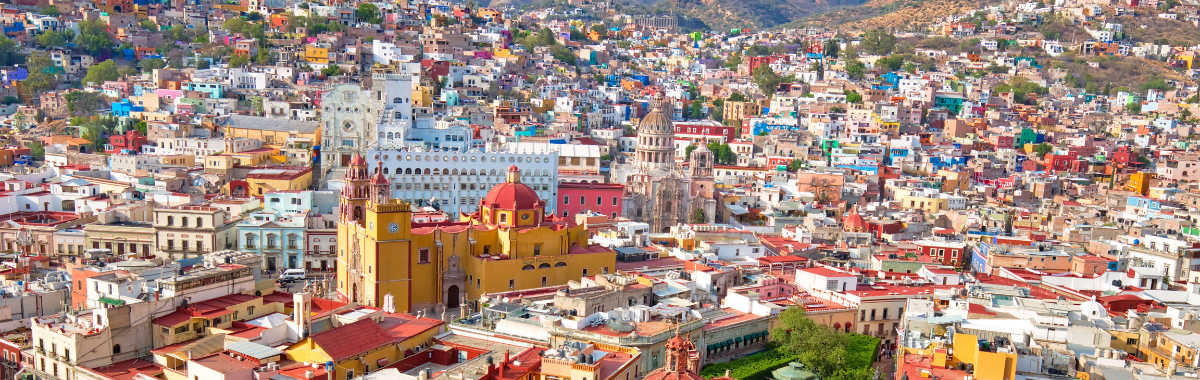
Crowds gather in plazas throughout the country, but Mexico City’s Zócalo hosts the most widely recognized celebration. Travelers witness fireworks, concerts, and spirited public festivities.
Communities throughout Mexico decorate their streets in green, white, and red. Wanders Miles describes how families gather for late-night celebrations, often continuing into the next morning.
Food Traditions
Independence Day features iconic national dishes such as:
- Chiles en nogada, known for its green, white, and red colors
- Pozole, a traditional hominy soup
- Antojitos, including tostadas, sopes, and tacos
Festival de México
Location: Mexico City
Timing: March
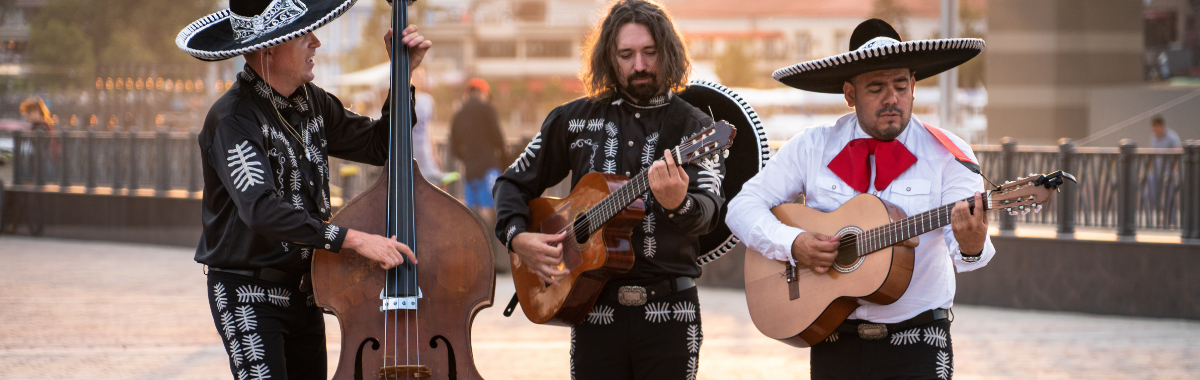
Festival de México is one of the country’s largest cultural celebrations. This event showcases international and local performers across disciplines including music, dance, theater, and opera.
Cultural Significance
The festival focuses on artistic expression and cultural enrichment. The range of performances draws audiences from around the world. Rather than being rooted in traditional rituals, this event represents Mexico’s modern artistic identity and its global cultural connections.
Destination Experience
Events take place in various venues across Mexico City, from historic theaters to contemporary performance spaces. Travelers encounter a dynamic representation of Mexico’s arts scene, with opportunities to explore museums, galleries, and cultural centers surrounding the festival.
Food Traditions
Although there are no official foods for Festival de México, visitors can find most traditional Mexican food while celebrating the holiday in Mexico City.
The Riviera Maya Jazz Festival
Location: Playa del Carmen, Quintana Roo
Timing: November
The Riviera Maya Jazz Festival is recognized for attracting international musicians to perform oceanfront in Playa del Carmen.
Cultural Significance
This festival reflects Mexico’s contemporary music culture and global artistic engagement. It brings jazz enthusiasts together in a relaxed beach setting, showcasing a genre deeply rooted in improvisation, collaboration, and expression.
Destination Experience
Playa del Carmen offers a striking backdrop for the performances, with stages set near the Caribbean shoreline. Travelers enjoy live music under the open sky while also taking advantage of the destination’s beaches, resorts, and local attractions.
Food Traditions
Although there are no specific traditional foods for the event, Playa del Carmen’s culinary scene features fresh seafood, Yucatán-inspired dishes, and international cuisine. Travelers often weave dining experiences into their festival itinerary, exploring everything from street vendors to waterfront restaurants.
Also Read: Explore Yucatán, Mexico
Experiencing Mexico Through Celebration
Mexico’s cultural festivals reflect the nation’s diverse history, artistic identity, and regional traditions. From the spiritual depth of Día de los Muertos to the vibrant artistry of the Festival de México and the beachside rhythms of the Riviera Maya Jazz Festival, each event offers travelers meaningful ways to connect with communities across the country.
As travelers plan trips to experience these celebrations, it’s a smart decision to consider their safety and preparedness, such as looking into travel protection for Trip Interruption, Emergency Assistance & Transportation, Medical & Dental, and Travel Delay Coverage.
For those preparing to attend one of these unforgettable events, consider getting a fast and free quote today.
Travel Resources
See All
10872502603

Average Customer Rating:

Thank you for visiting csatravelprotection.com