3 Things Frequent Travelers Do Differently (and Why It Matters)

Key Takeaways
- Frequent travelers prioritize flexibility, building itineraries that adapt to disruptions rather than resist them
- They focus on depth over volume, choosing richer experiences instead of packed schedules
- Travel behavior is shifting across the U.S., with more people taking shorter, intentional trips and planning with greater awareness
Planning a trip often starts with the same steps: choosing a destination, booking flights, and building an itinerary. But how that process unfolds can make a significant difference in how the trip actually feels.
Some travelers move through trips smoothly, adapt when plans change, and come home feeling like they made the most of their time. Others run into avoidable setbacks, feel rushed, or leave wishing they had planned differently.
This difference does not come down to luck. It comes down to habits. This article breaks down three key ways frequent travelers approach travel differently. These habits focus on how trips are planned, how time is spent, and how decisions are made before and during travel. Understanding these patterns provides a clearer path toward building more intentional, efficient, and rewarding travel experiences.
To Set the Scene
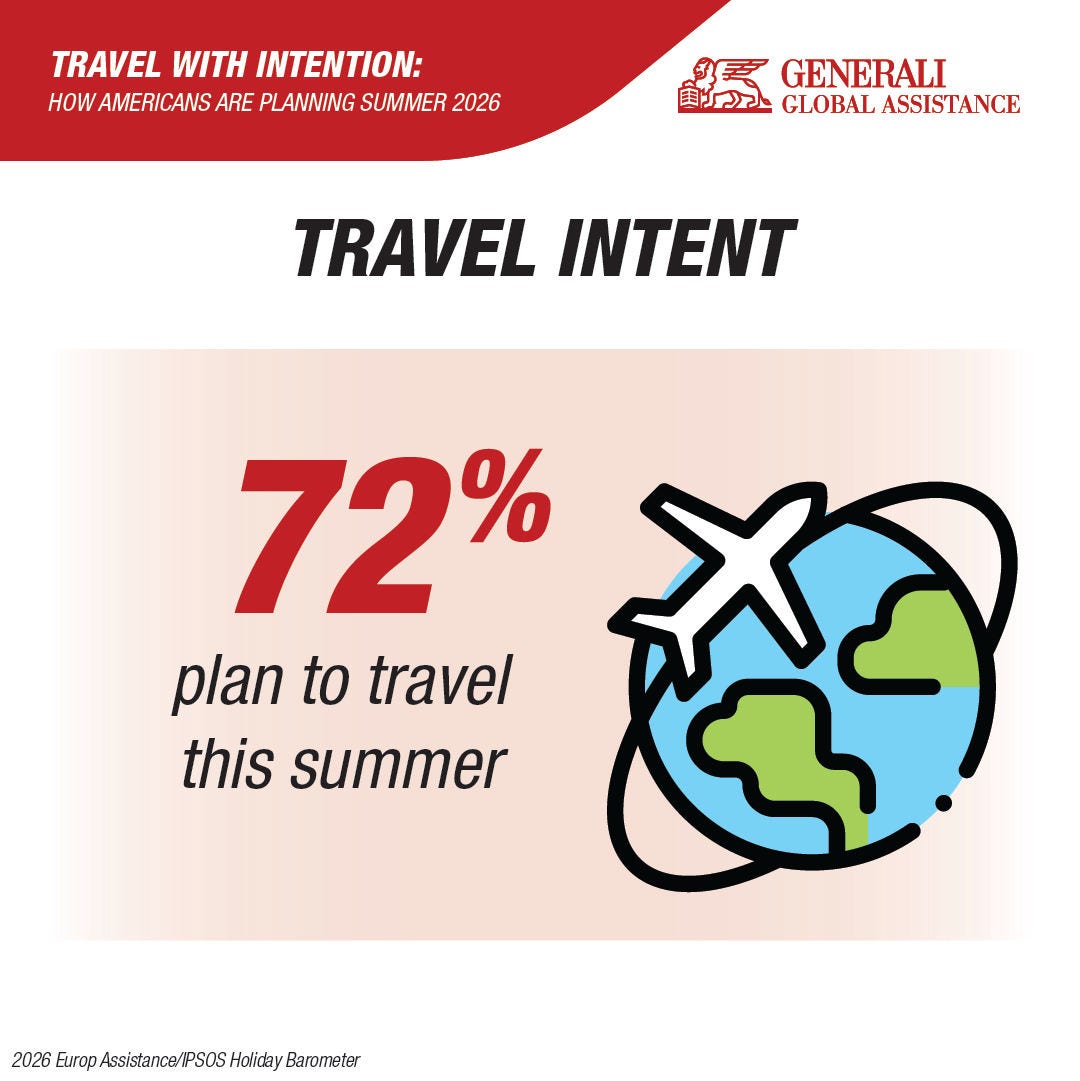
Recent findings from our 2026 Holiday Barometer reinforce a shift. Travelers across the U.S. are approaching travel “with confidence, but also with intention,” and increasingly favor smarter planning over rigid structures.
The data shows that travel habits are changing:
- 72% of Americans plan at least one trip this summer
- 37% expect to take multiple trips — favoring shorter, more flexible getaways over a single long vacation
These trends mirror what experienced travelers have done for years.
Below are three habits frequent travelers rely on — and why they make a measurable difference in how a trip unfolds.

1. They Plan With Flexibility, Not Just Logistics
It’s Not About Planning Everything — It’s About Planning for Change
Most travelers approach planning as a checklist:
- Flights
- Hotels
- Activities
- Transportation
Everything gets locked in as early as possible, often with the assumption that the plan will hold.
Frequent travelers tend to approach planning differently. The goal is not to create a perfect itinerary. The goal is to build a plan that holds up when things shift.
What Most Travelers Do
Many trips are built around efficiency rather than adaptability:
- Tight connections between flights
- Back-to-back scheduled activities
- Multi-city itineraries packed into limited time
- Non-refundable bookings to save upfront
These choices create a fragile structure. When one piece moves a delay, a cancellation, or unexpected weather the entire itinerary starts to unravel.
What Frequent Travelers Do Instead
Experienced travelers build flexibility into the framework of a trip from the start.
This often includes:
- Leaving buffer time between flights or major transitions
- Avoiding overpacked schedules, especially across multiple cities
- Selecting booking options that allow adjustments when it matters
- Thinking through alternative scenarios before departure
This approach reflects a broader trend. Travel behavior research shows that flexibility is now one of the most important decision factors, with more than 94% of travelers expecting built-in flexibility when making bookings.
Real-World Examples
Frequent travelers often:
- Book earlier flights in the day to reduce cascading delays
- Avoid last flights of the day when alternatives are limited
- Plan fewer destinations within a single trip
- Keep key reservations adjustable until the last possible moment
They also think ahead:
- What happens if a connection is missed?
- What happens if weather disrupts plans?
- What happens if transportation changes last minute?
This forward thinking turns potential disruptions into manageable adjustments.
Why It Matters
According to our 2026 Holiday Barometer, travelers continue to cite delays, overcrowding, and weather as top concerns when planning trips.
This reinforces an important point:
Disruptions are not rare. They are expected.
Flexibility changes how those disruptions are experienced:
- Less reactive decision-making
- Fewer last-minute costs
- More control in uncertain situations
Where Travel Protection Fits In
This shift in planning behavior also explains why travel protection is being considered earlier in the process.
The Holiday Barometer notes that interest in travel protection increased year over year, reflecting a broader mindset change toward planning ahead rather than reacting later.
Frequent travelers tend to view travel protection not as a backup, but as part of the planning structure especially when itineraries involve multiple moving parts.

2. They Focus on Depth, Not Just Destinations
More Trips Doesn’t Mean More Places It Often Means Better Experiences
There is a common assumption in travel: the more places visited, the more successful the trip.
Frequent travelers tend to reject this model.
Instead of maximizing destinations, they maximize experiences within fewer locations.
What Most Travelers Do
In an effort to “see everything,” many travelers:
- Combine multiple cities or countries into a single trip
- Follow tight sightseeing schedules
- Prioritize well-known landmarks over local experiences
- Move quickly without spending meaningful time in one place
The result is often a fast-paced itinerary with limited depth.
What Frequent Travelers Do
Frequent travelers take a more selective approach:
- Staying longer in fewer destinations
- Returning to places they’ve already visited
- Building itineraries around specific interests
- Allowing more time for unplanned moments
This reflects a broader shift in traveler preferences. Studies from Wunderkind show that modern travelers are increasingly experience-driven, prioritizing authenticity, cultural connection, and personalization over simple destination counts.
Real-World Examples
Examples of this approach include:
- Returning to Italy and exploring a lesser-known region instead of revisiting major cities
- Spending five days in one destination instead of dividing time across three
- Planning trips around food culture, events, or nature rather than sightseeing checklists
Research from Reuters supports this trend. Travel insights indicate that local culture, food, and experiences heavily influence travel decisions, with as many as 80% of travelers factoring these elements into where they go.
Why It Matters
A depth-focused approach changes how a trip feels and functions:
- Reduced time spent in transit
- More meaningful engagement with the destination
- Greater flexibility within the itinerary
- Lower fatigue and decision overload
It also aligns with changing travel patterns across the U.S.
Our findings from the Holiday Barometer highlight a move toward multiple shorter trips instead of a single “main” vacation, signaling that travelers are spreading experiences across the year instead of compressing them into one packed itinerary.
A Shift Toward Intentional Travel
The idea of “intentional travel” appears frequently in current data and industry insights.
This includes:
- Choosing destinations with purpose
- Aligning trips with personal interests
- Being selective about time, budget, and energy
Frequent travelers naturally adopt this approach over time, while many occasional travelers are only beginning to shift in that direction.
Where Travel Protection Connects
Fewer destinations often mean a higher investment in each location — whether in accommodations, activities, or experiences.
When more value is concentrated in fewer moments, planning becomes more deliberate.
Travel protection fits into this approach by supporting higher-value experiences, particularly when trips involve:
- Prepaid reservations
- Unique or limited-time activities
- International travel arrangements

3. They Treat Travel as a Strategy, Not a Single Event
Frequent Travelers Think in Trips — Not Just One Trip
One of the biggest differences between frequent and occasional travelers is how they frame travel over time.
Occasional travelers often approach trips as isolated events:
- One major vacation per year
- Fixed dates and rigid expectations
- High pressure for everything to go perfectly
Frequent travelers take a broader view.
What Most Travelers Do
Common behaviors include:
- Saving for one large, high-stakes trip
- Trying to fit every desired experience into a single itinerary
- Treating each trip as a standalone experience
This approach increases pressure and reduces flexibility.
What Frequent Travelers Do
Frequent travelers distribute travel across time:
- Taking multiple shorter trips instead of one long trip
- Mixing local, domestic, and international travel
- Adjusting travel plans based on timing, demand, and cost
- Viewing each trip as part of a larger travel strategy
This aligns directly with current travel data.
The Holiday Barometer shows that more than one-third of Americans plan to take several trips in a single season, reflecting a move away from the “one big trip” model.
Check out our AI planning tool
Real-World Examples
Frequent travelers often:
- Plan a long weekend getaway instead of waiting for a major vacation
- Combine one international trip with several smaller domestic trips
- Travel during shoulder seasons instead of peak demand periods
- Adjust destinations based on timing rather than forcing fixed plans
Why It Matters
This approach changes the entire travel experience:
- Reduced pressure on any single trip
- Greater flexibility in scheduling and budgeting
- More opportunities to refine preferences over time
- Better resilience when disruptions happen
It also reflects how travelers are responding to a changing travel environment.
Planning With Awareness
Travelers are increasingly aware of risks and uncertainties, including:
- Weather disruptions
- Overcrowding
- Delays
- Lost items or logistical challenges
Frequent travelers account for these realities by spreading travel across time and adjusting expectations accordingly.
The Bigger Trend: Travelers Are Planning Smarter
The distinction between frequent travelers and occasional travelers is shrinking.
Data shows that travel behavior across the U.S. is evolving in similar ways:
- More flexible trip structures
- More intentional destination choices
- Increased awareness of disruptions and risks
- Growing consideration of travel protection
Our 2026 Holiday Barometer captures this shift clearly: Travelers are not traveling less — they are traveling more thoughtfully.
Frequent travelers are not better because they travel more often.
They approach travel differently by:
- Building flexibility into their plans
- Prioritizing experiences over checklists
- Thinking long-term rather than trip-by-trip
These habits do not require frequent travel to adopt. They require a shift in perspective.
Even small changes like leaving more buffer time, choosing fewer destinations, or planning trips more intentionally reshape how travel feels and how well it unfolds.
As travel continues to evolve, these habits are becoming less optional and more essential.
Get a fast, free quote to help support your next trip.
FAQs
What is the biggest difference between frequent travelers and occasional travelers?
Frequent travelers tend to plan with flexibility, focus on fewer destinations, and think about travel as an ongoing strategy rather than a single event.
Why is flexibility important when planning a trip?
Disruptions such as delays, weather changes, and overcrowding are common. Flexible planning allows adjustments without major cost or disruption to the trip.
Are shorter trips becoming more common?
Yes. Data from 2026 shows a growing shift toward multiple shorter trips rather than one long vacation, reflecting a more flexible and intentional approach to travel.
How does travel protection fit into modern travel habits?
As travelers plan more intentionally and invest more into each trip, travel protection is increasingly considered early in the planning process.
Travel Resources
See All

10924572606

Average Customer Rating:

Thank you for visiting csatravelprotection.com