What Not To Do When Traveling Abroad: Key Foreign Laws Travelers Should Know Before Departure

Key Takeaways
- Research destination-specific laws related to customs, medications, public behavior, and restricted items before departure.
- Countries enforce strict regulations on items such as food, pharmaceuticals, drones, and electronic devices, often with significant penalties.
- Travel protection with assistance services can offer support when navigating unexpected legal or logistical challenges abroad.
Traveling internationally introduces visitors to new cultures, customs, and legal systems that vary significantly from those in the United States. Each destination operates under its own legal framework, and travelers are expected to follow local laws from the moment they arrive. Actions that may feel routine at home such as carrying certain medications or taking photos in public places can lead to fines, delays, or legal consequences abroad.
Understanding legal expectations before departure plays a critical role in trip planning and risk management. Travelers who take time to review destination guidelines can help avoid common pitfalls that lead to complications at customs or during their stay. In addition, awareness of local regulations supports a more respectful and informed travel experience. It allows visitors to engage with their destination in a way that aligns with local customs and laws, helping reduce disruptions that may affect travel plans.
This guide explores some of the most common legal considerations travelers encounter abroad, including customs regulations, pharmaceutical restrictions, public conduct laws, and emerging rules around technology such as drones and vaping devices.

Why Understanding Foreign Laws Matters for Travelers
Legal systems differ widely across regions, and travelers are subject to the laws of the country they are visiting, regardless of their nationality. This principle means that a lack of awareness does not exempt travelers from enforcement. Local authorities expect visitors to understand and comply with regulations, even if those rules differ significantly from what they are accustomed to at home.
Government agencies, including the U.S. Department of State, provide detailed travel advisories that describe country-specific conditions, including legal expectations. These advisories offer insight into everything from entry requirements to behavioral restrictions and are one of the most reliable resources for pre-trip preparation.
Failure to follow local laws may result in a range of consequences, from minor inconveniences to serious legal issues. Travelers may face fines, confiscation of personal belongings, questioning at border checkpoints, or in some cases detention. Even a minor misunderstanding can disrupt a trip, delay return travel, or even require additional administrative steps to resolve.
Agricultural Imports: Why Food and Plant Restrictions Are Strict
Many countries enforce strict biosecurity laws that regulate the import of agricultural products, including food, plants, and other organic materials. These regulations exist to protect local ecosystems and agricultural industries from harmful pests, diseases, and invasive species. While these rules may seem strict, they are based on long-term environmental and economic protection efforts.
Countries such as New Zealand and Australia are known for having particularly rigorous inspection processes at their borders. Travelers entering these destinations often encounter detailed customs screenings, including baggage inspections and declaration forms that must list any food or organic items. Even small items, such as fruit provided during a flight or packaged snacks, may require declaration or disposal upon arrival.
The reasoning behind these restrictions is rooted in ecological balance. Introducing foreign plant materials or food products into a new environment can disrupt local ecosystems and lead to widespread agricultural damage.
Best Practices for Travelers
- Declare all food and organic materials on customs forms
- Dispose of in-flight food items before arrival
- Avoid packing plant-based souvenirs or natural materials
Follow airport signage and disposal instructions

Pharmaceutical Imports: Medication Restrictions by Country
Traveling with medication requires careful planning, as pharmaceutical regulations vary significantly between countries. Medications that are widely available over the counter in the United States may contain ingredients that are restricted or controlled elsewhere. This difference often catches travelers by surprise, especially when carrying cold medicine, allergy treatments, or prescription drugs.
Japan serves as a well-documented example of strict pharmaceutical import regulations. Certain common medications, including those containing specific decongestants, are not permitted without prior approval. Travelers arriving with these items may face inspection at customs, and in some cases the medication may be confiscated. This emphasizes the importance of researching destination-specific rules well in advance of travel.
Also Read: What You Need to Know About Traveling With Over-the-Counter Meds
In addition to Japan, many countries regulate controlled substances, stimulant medications, and strong pain relievers. Travelers carrying medication without proper documentation risk delays or additional scrutiny from customs officials.
Commonly Restricted Medication Types
- Decongestants containing pseudoephedrine
- Stimulants and certain ADHD treatments
- Strong pain medications
- Controlled substances
Preparation involves several key steps. Keeping medications in their original packaging, carrying a copy of the prescription, and verifying ingredient restrictions through official government sources all help support compliance.

TSA-Prohibited Items and International Security Screening Rules
Airport security plays an essential role in international travel, with agencies enforcing strict guidelines on what passengers may carry in both hand luggage and checked baggage. The Transportation Security Administration (TSA) provides detailed guidelines that outline prohibited and restricted items. However, international destinations may apply additional screening rules beyond those enforced domestically.
Travelers often encounter issues at security checkpoints due to misunderstandings about what is permitted. Items that appear harmless may still be restricted if they resemble prohibited objects or fall into regulated categories.
Preparing for airport security involves reviewing current guidelines before packing and understanding that rules may differ between departure and arrival airports. Airline-specific restrictions may also apply, particularly on international routes.
Also Read: What Travelers Need to Know About TSA ConfirmID Fee in 2026

Strict Public Behavior Laws: Singapore as a Case Study
Singapore is widely recognized for its structured environment, public cleanliness, and consistent law enforcement. These characteristics are supported by strict regulations governing public behavior. Travelers visiting Singapore are expected to follow these rules closely, as enforcement applies equally to residents and visitors.
Key Regulations in Singapore
- Chewing gum is heavily restricted
- Public littering results in fines
- Vaping and e-cigarettes are prohibited
- Public drunkenness may lead to penalties
Public behavior laws in Singapore are tied to broader societal goals related to safety and organization. As a result, enforcement is consistent and visible throughout public spaces, including transportation systems and city streets. Travelers who are unfamiliar with these expectations may find the level of regulation different from what they experience at home.
Also Read: Six Fun Free Things To Do in Singapore
E-Cigarettes and Vaping Devices: Global Restrictions
E-cigarettes and vaping devices have gained popularity in many parts of the world, but their legal status varies widely between countries. While some destinations regulate vaping similarly to traditional tobacco products, others prohibit the import, sale, or possession of these devices entirely. Travelers who are unaware of these differences may encounter issues at customs.
Countries such as India, Thailand, and Singapore have implemented restrictions on vaping devices, often citing public health concerns and regulatory challenges. In these destinations, travelers carrying e-cigarettes may face confiscation or fines. Even in countries where vaping is permitted, restrictions may apply to where devices may be used.
Drone Laws and Restrictions for Travelers
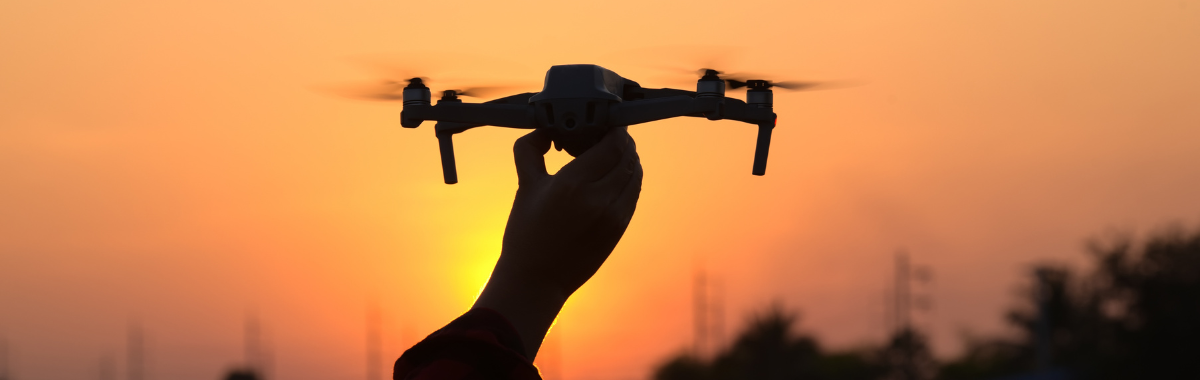
Drones have become a popular tool for capturing travel content, offering unique perspectives on landscapes and landmarks. However, their use is heavily regulated in many countries due to safety, privacy, and national security concerns. These regulations often extend beyond usage to include importation and registration requirements.
Countries such as the Morocco, and India have implemented strict rules governing drones, with some destinations prohibiting their entry entirely. Travelers arriving with drones in these countries may face confiscation at customs or additional questioning from authorities. Even in countries where drones are permitted, usage is typically restricted to designated areas.
Common restrictions include prohibitions on flying near airports, government buildings, or densely populated areas. Many countries also require users to register drones with aviation authorities or obtain permits before use. These processes may take time and involve specific documentation, making advance preparation essential.
Cultural and Legal Sensitivities: Photography and Public Conduct
Photography is a central part of many travel experiences, but laws governing photography vary widely across destinations. While taking photos is generally accepted in tourist areas, restrictions may apply in sensitive locations or cultural sites. A common photo opportunity is at Buckingham Palace with the Royal Guards, while they are typically okay with their photos taken, putting your arm around them, touching them, or messing with them will be met with a loud yell and can even lead to a fine or jail time.
Travelers who are unaware of these boundaries may unintentionally violate local regulations. Certain countries restrict photography near government buildings, military installations, or infrastructure. In addition, photographing individuals without consent may be discouraged or prohibited in some regions. Religious or cultural landmarks may also carry specific expectations regarding how they are photographed and approached.
Observing posted signage, asking permission when appropriate, and being mindful of surroundings all support responsible photography practices.

How Travel Protection and Assistance Services Help
Even with careful preparation, unexpected situations may arise during international travel. Travel protection that includes assistance services offers access to resources designed to support travelers when challenges occur. These services extend beyond emergency medical coverage to include practical support in unfamiliar environments.
Assistance services may help travelers locate the nearest embassy or consulate, particularly in situations involving lost documents or legal concerns.. Generali Global Assistance also provides recommendations, and professional guidance can make a significant difference when navigating complex systems abroad. This type of support is especially valuable when language barriers or unfamiliar procedures are involved.
Travel protection plans include benefits related to Trip Interruptions, Travel Delay, Medical and Dental, and more. These components help travelers address disruptions that affect their itinerary. Having access to assistance services adds a layer of support that aligns with the realities of international travel.
Understanding the role of travel protection helps travelers make informed decisions when planning their trips. It provides reassurance that support is available if unexpected issues arise, allowing travelers to focus on their experience abroad.
Traveling Abroad Responsibly
International travel offers opportunities to explore new environments, cultures, and perspectives. At the same time, it requires an understanding of legal systems that may differ significantly from those at home. Travelers who prioritize preparation are better positioned to navigate these differences successfully.
Respecting local laws contributes to a more positive travel experience for both visitors and host communities. It reduces the likelihood of disruptions and supports smoother interactions throughout the trip. Awareness and preparation remain central to responsible travel practices.
By researching regulations, packing thoughtfully, and staying informed, travelers align their plans with destination expectations. This approach enhances the overall experience and helps avoid complications that may affect travel plans.
Travel involves navigating a wide range of regulations and unexpected variables. Travel protection that includes assistance services offers support when dealing with challenges abroad, from travel delays to more complex situations.
Frequently Asked Questions (FAQ)
What should travelers research before visiting another country?
Travelers should review local laws, customs regulations, medication restrictions, and public behavior expectations. Government advisories provide updated guidance based on current conditions.
Are over-the-counter medications allowed internationally?
Regulations vary by country. Some destinations restrict ingredients found in common medications, making it important to verify rules before departure.
Are drones allowed in all countries?
Drone laws differ widely. Some countries require permits or registration, while others prohibit drones entirely. Checking regulations in advance is essential.
What happens if a traveler breaks a law abroad?
Consequences vary depending on the country and situation. Travelers may face fines, confiscation of items, or further legal action. Travel protection that includes assistance services provides access to helpful resources in these situations.
Travel Resources
See All
10872502606

Average Customer Rating:
Thank you for visiting csatravelprotection.com