The Top Places to Eat in China: A Cultural Guide to the Country’s Most Iconic Food Destinations
Key Takeaways
- China’s regional cuisines reflect centuries of history, trade, and local customs, making food one of the most meaningful ways to experience the country.
- Dining etiquette in China plays an important role in social interactions, particularly when sharing dishes, seating arrangements, and toasting.
- Travel protection supports travelers navigating regional transportation, medical needs, and unexpected itinerary changes while exploring China’s food culture.
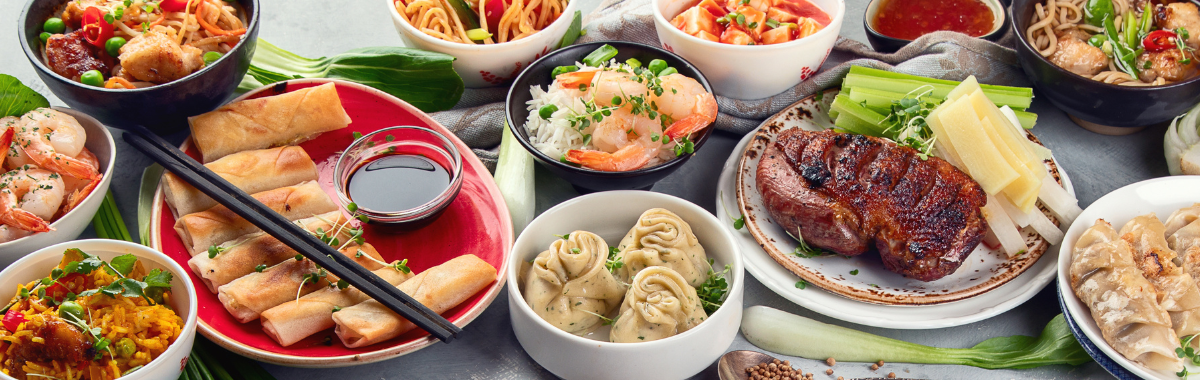
China is not defined by a single cuisine, but by a collection of deeply regional food traditions shaped by geography, climate, and cultural exchange. From imperial banquet dishes in the north to spice‑driven street food in the southwest, each region tells its own story through ingredients and preparation methods. For travelers, understanding where to eat in China often matters just as much as knowing what to eat.
This guide explores 15 of the most important places to eat across China as well as history, cultural traditions, and dining etiquette.
1. Beijing: Imperial Dining Traditions and Roast Duck Heritage
Beijing’s culinary identity developed alongside China’s imperial court, where food served political, ceremonial, and symbolic purposes for centuries. Techniques such as closed‑oven roasting, intricate carving, and balanced seasoning reflect a cuisine designed for refinement rather than excess. Today, Beijing’s food culture remains closely tied to its past, particularly through dishes that once appeared on imperial tables.
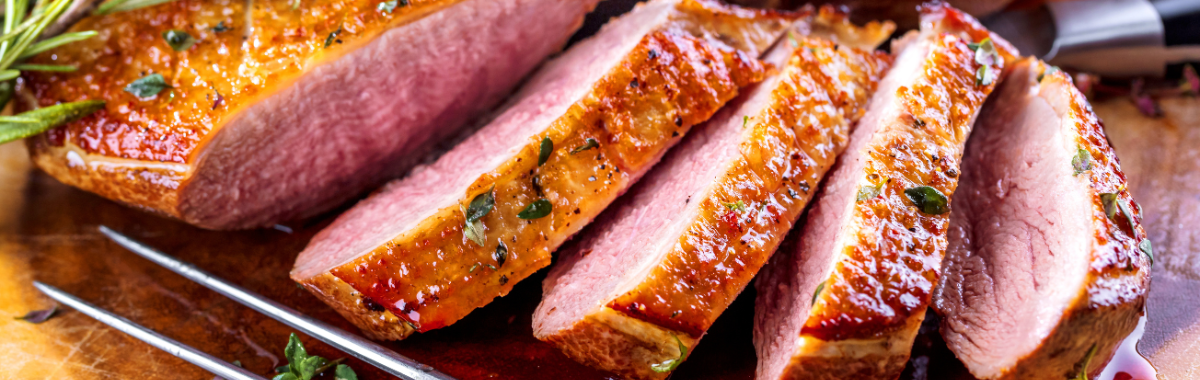
Peking Duck stands as the city’s most recognizable dish, prepared through a meticulous roasting process that prioritizes crisp skin and aromatic fat.
Dining etiquette tip: Meals in Beijing often follow traditional seating hierarchy, with the guest of honor seated farthest from the entrance. Dishes are shared communally, and it is customary to wait until the host invites guests to begin eating.
2. Shanghai: Port‑City Sophistication and Jiangnan Influence
Shanghai’s food culture reflects its history as a major port city, where regional Chinese cooking styles met international influences during the late Qing dynasty and early 20th century. The cuisine draws heavily from Jiangsu and Zhejiang traditions, emphasizing gentle sweetness, seasonal ingredients, and precise cooking techniques. Rather than bold spice, Shanghai dishes focus on balance and texture.
Xiaolongbao, or soup dumplings, exemplify the city’s culinary philosophy. These dumplings require technical precision to trap rich broth inside thin wrappers, making them a defining symbol of Shanghai dining.
3. Guangzhou: The Culinary Capital of Cantonese Cuisine
Guangzhou sits at the heart of Cantonese cooking, one of China’s most influential culinary traditions. As a historic trading port, the city gained access to imported ingredients that shaped a cuisine focused on variety, freshness, and light seasoning.
Dim sum culture developed in Guangzhou’s teahouses, where small plates encourage leisurely dining and conversation. Seafood dishes, steamed meats, and seasonal vegetables remain central to daily meals.
Dining etiquette tip: During dim sum meals, pouring tea for others before refilling one’s own cup reflects courtesy. Tapping two fingers on the table after someone pours tea is a traditional gesture of thanks in Cantonese culture.
4. Chengdu: Sichuan Spice and Street‑Food Tradition
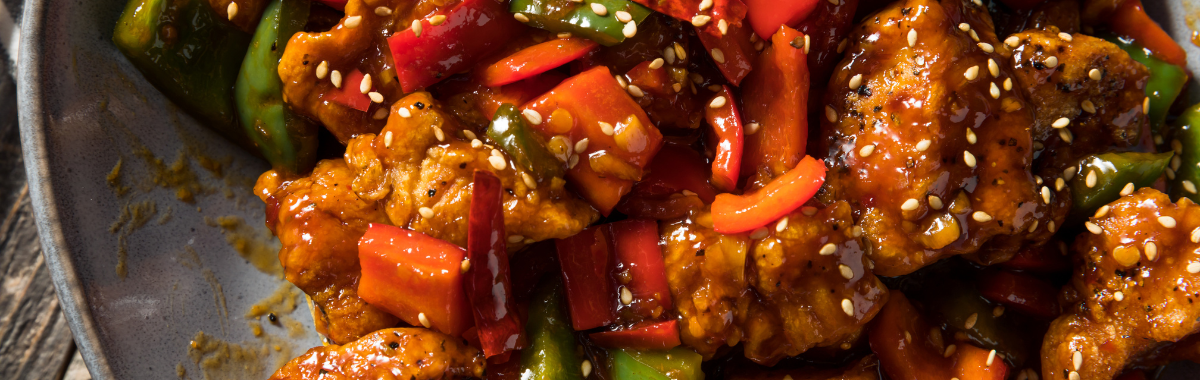
Chengdu is widely recognized as one of China’s most influential food cities, known for bold flavors and complex seasoning. Sichuan cuisine developed in a humid climate where chili peppers and Sichuan peppercorns enhanced preservation and appetite. The result is a culinary style defined by layered heat, fragrance, and numbing spice.
Mapo tofu, a dish with roots in 19th‑century Chengdu, combines soft tofu with fermented bean paste, minced meat, and chili oil. Serious Eats emphasizes that the dish reflects the region’s ability to balance spice with depth rather than sheer heat.
Also Read: East Asia Travel Tips: Explore China, Japan, and South Korea
5. Chongqing: River City Hot Pot Culture
Chongqing’s culinary identity centers on hot pot, a communal dining tradition that originated among dock workers along the Yangtze River. The city’s version of hot pot is known for intensely spicy broth infused with chili oil and aromatics. This style reflects Chongqing’s working‑class roots and its preference for bold flavors.
Dining etiquette tip: Hot pot meals involve shared cooking, and it is customary to avoid placing personal chopsticks directly into the communal pot. Separate utensils are often provided for cooking ingredients.
6. Xi’an: Ancient Capital and Silk Road Flavors
Xi’an served as China’s capital for multiple dynasties and marked the eastern end of the Silk Road. This history shaped a cuisine influenced by Central Asian spices, Islamic dietary traditions, and wheat‑based staples. The city’s food culture differs notably from rice‑focused southern regions.
Biangbiang noodles, known for their width and hand‑pulled preparation, remain a local specialty. These noodles highlight Xi’an’s emphasis on hearty textures and robust seasoning.
7. Hangzhou: Refined Flavors of the Jiangnan Region
Hangzhou’s cuisine reflects the elegance traditionally associated with the Jiangnan region, long admired for its gardens, waterways, and scholarly culture. Dishes emphasize visual presentation, seasonal balance, and gentle seasoning. Freshwater fish and tea‑infused preparations play prominent roles.
West Lake fish in vinegar gravy is a signature dish tied to local culinary history. The dish reflects Hangzhou’s preference for subtle sweetness and delicate textures.
8. Suzhou: Precision Cooking and Artistic Presentation
Suzhou cuisine developed within a cultural environment shaped by scholars, artisans, and classical aesthetics. Knife work, careful plating, and seasonal ingredients define the region’s cooking style. The cuisine favors freshwater fish, shellfish, and lightly sweet sauces.
Meals in Suzhou often emphasize harmony over contrast, reflecting broader philosophical influences.
Also read: The World’s Most Iconic Dishes and the Destinations They Call Home
9. Nanjing: Duck Dishes and Yangtze River Heritage
Nanjing’s food traditions reflect its history as an imperial capital and its location along the Yangtze River. Duck dishes prepared through salting, braising, and roasting dominate the local cuisine. These methods developed as practical preservation techniques that evolved into culinary specialties.
Salted duck remains the city’s most famous dish, known for its clean flavor and tender texture.
10. Changsha: Hunan Heat and Bold Seasoning
Changsha represents the heart of Hunan cuisine, which relies on fresh chilies rather than dried spices for heat. The region’s food emphasizes intensity, acidity, and smoke. Pickled vegetables and cured meats frequently appear on the table.
Dining etiquette tip: Spicy dishes are shared, and declining food repeatedly may be seen as impolite. Hosts often encourage guests to try multiple dishes.

11. Guilin: Rice Noodles as Daily Ritual
Guilin’s culinary identity centers on rice noodles served with customizable toppings. This dish functions as an everyday staple rather than a celebratory meal. Preparation methods vary by vendor, reflecting local preferences.
Rice noodles are typically eaten quickly and casually, reinforcing their role in daily life.
12. Kunming: Yunnan’s Biodiversity on the Plate
Kunming’s cuisine reflects Yunnan Province’s remarkable biodiversity and ethnic diversity. Wild mushrooms, herbs, and foraged ingredients appear frequently in local dishes. Meals often highlight freshness and natural flavors rather than heavy seasoning.
Also read: 6 Fantastic Food Tours and Travel Destinations Around the World
13. Lijiang: Naxi Minority Food Traditions
Lijiang offers insight into Naxi culinary traditions shaped by high‑altitude living and preservation methods. Smoked meats, cured cheeses, and barley‑based dishes reflect practical adaptations to mountain climates. Meals tend to be rustic and filling.
14. Hong Kong: Dim Sum and Cantonese Refinement
Hong Kong represents the refinement of Cantonese cooking through precision, timing, and presentation. Dim sum culture developed around teahouses and social gatherings, emphasizing small plates and shared meals. Seafood and roasted meats remain central to the city’s food culture.
Shrimp dumplings and steamed buns remain staples of traditional dim sum menus.
Also read: Traveling with Dietary Restrictions: Your Guide to Safe Eating
15. Shenzhen: Modern Migration and Culinary Diversity
Shenzhen’s food scene reflects its rapid growth and diverse population. Migrants from across China introduced regional specialties that coexist in modern dining districts. The city functions as a living showcase of China’s evolving food culture.
Meals range from traditional regional dishes to contemporary interpretations.

Travel Protection Considerations for Food‑Focused Travel in China
Travelers exploring China through regional food destinations often move frequently between cities using flights, high‑speed rail, and local transportation. Travel protection plays an important role in supporting travelers facing medical needs, travel delays, or itinerary disruptions while abroad.
All Generali Global Assistance travel protection plans include:
- Trip Cancellation and Trip Interruption benefits for covered reasons
- Medical and Dental coverage while traveling
- Emergency Assistance and Transportation
- Baggage Loss, Damage, or Delay coverage
- Travel Delay benefits for eligible expenses
These benefits support travelers navigating long distances, unfamiliar healthcare systems, and regional transportation networks.
Plan Ahead Before Exploring China’s Food Destinations
China’s culinary landscape rewards travelers who approach meals with cultural awareness and preparation. Understanding regional traditions, dining etiquette, and travel logistics supports a more informed experience across the country’s diverse food regions.
Get a fast and free travel protection quote today and plan ahead for a food‑focused journey through China.
Travel Resources
See All

10872502605

Average Customer Rating:

Thank you for visiting csatravelprotection.com