How to Call Collect Internationally: A Traveler’s Guide to Staying Connected Abroad

Key Takeaways
- Travelers often encounter high roaming costs, limited network coverage, and unexpected service gaps when calling from abroad, making collect calling and Wi‑Fi‑based communication tools valuable alternatives.
- Collect calls require connecting with an international operator or using services that support operator‑assisted calls, including options like Generali Global Assistance’s Collect Worldwide at 240‑330‑1529.
- Wi‑Fi apps, operator‑assisted calls, and backup communication methods help travelers reach family, friends, and needed contacts when a device has no reception or when calling is outside their service region.
The ability to communicate while traveling internationally is essential, yet many travelers experience challenges with cellular coverage, network compatibility, roaming fees, and blocked phone features when abroad. International calling is often more expensive than travelers expect, and certain destinations fall outside a traveler’s roaming plan or require additional fees that add up quickly. The Federal Communications Commission (FCC) explains that international long‑distance calls require different access codes, switching processes, and carrier‑specific fees, all of which can easily confuse travelers. When those challenges occur during an already stressful travel scenario, communication gaps become more than just an inconvenience.
One solution used for decades—though still important today—is international collect calling. While modern messaging and calling apps have become popular, the ability to place a traditional collect call remains relevant for travelers who experience roaming barriers, device limitations, or emergencies where Wi‑Fi apps are unavailable.
In these moments, the ability to reach an operator and reverse the charges to a friend, family member, or contact in the United States is crucial.

Why International Calling Is Still a Challenge for Travelers
Although smartphones and global plans have improved connectivity, international calling remains unpredictable. Not all networks interconnect seamlessly, and not all mobile plans apply coverage consistently across different regions. The FCC emphasizes that travelers are subject to a combination of their home carrier’s international policies and the regulations of the country they are visiting.
When a destination falls outside a traveler’s regional plan, calls may be routed over networks with significantly higher per‑minute charges. Even when travelers plan ahead, their mobile provider may not offer an option for the specific destination, leaving them without calling capabilities unless they rely on Wi‑Fi or seek operator assistance.
This scenario creates a major challenge: when a phone cannot connect or is blocked from international dialing, travelers lose the ability to reach their hotel, airline, transportation provider, emergency contacts, or loved ones back home. The ability to place a collect call becomes a valuable alternative, especially in regions where mobile networks are inconsistent or where roaming fees are unusually high.

What a Collect Call Is and Why It Remains Useful
A collect call allows the traveler placing the call to request that the cost of the call be billed to the person receiving it. This reverses the charges and makes communication possible in situations where travelers cannot use their own mobile minutes or have no accessible payment method.
Collect calls are particularly useful in scenarios where:
- The traveler’s mobile device does not connect to a local network.
- The traveler is outside their plan’s roaming region.
- The traveler has no ability to dial internationally due to prepaid limitations.
- A call must be made immediately, even if mobile service is blocked.
- The traveler has lost their phone, SIM card, or means of payment.
Even in a digital-first world, collect calling offers a fallback method that is independent of Wi‑Fi, app compatibility, or carrier restrictions.
How to Place an International Collect Call
Travelers typically place a collect call by reaching an international operator. In many countries, dialing “0” connects the caller to an operator, though some destinations require a different operator access code. The FCC explains that international calling requires country‑specific procedures, and access codes vary across destinations.
Once connected, travelers inform the operator that they want to place a collect call and provide the number they wish to reach. The operator will then contact the receiving party and ask if they accept the charges. If they do, the call connects.
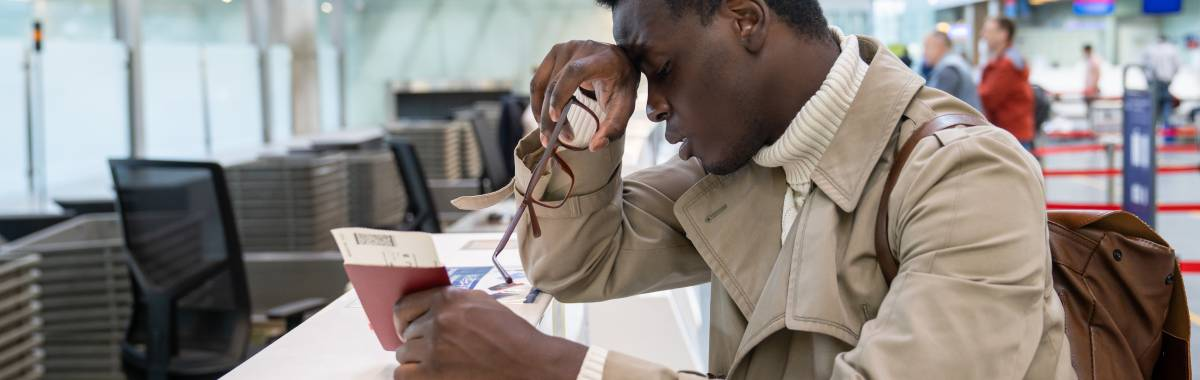
Why Some Travelers Cannot Dial Out Using Their Mobile Carrier
Roaming challenges affect many travelers and often appear unexpectedly. Several issues contribute to blocked or limited calling functionality outside a traveler’s home region.
Different Network Technologies
Some destinations use networks that do not fully support a traveler’s device model or mobile technology. Even in regions with widespread coverage, visitors may encounter difficulties connecting to local carriers or completing outgoing calls.
Roaming Plans with Limited Regional Coverage
Many mobile carriers offer “international roaming” but partition their plans into geographic regions. A traveler may have a roaming plan that includes parts of Europe but excludes certain islands, territories, or neighboring countries. When this happens, outbound calls may be blocked or priced at significantly higher rates.
Prepaid SIM Restrictions
Some prepaid plans restrict international calling entirely or require additional verification before allowing outbound calls. Travelers may be unable to dial international numbers using these SIMs even when they have data and local call minutes available.
Carrier Blocking of Operator-Assisted Calls
Certain mobile carriers block access to international operators. As a result, travelers cannot dial “0” or reach the operator required to initiate a collect call. In such cases, travelers must seek alternative access numbers or rely on Wi‑Fi-based communication tools.

The Pain of Roaming Fees for Travelers
Unexpected charges are one of the most common issues travelers encounter when using their phones abroad. Some carriers charge high per‑minute rates for international calls made outside a traveler’s designated region, even when the traveler believes their plan includes the destination.
Roaming fees accumulate rapidly in situations such as:
- Long hold times when calling airlines or hotels
- Multiple calls needed to resolve travel arrangements
- Emergency situations when quick communication is required
- Calls placed accidentally due to automatic network switching
Because of this unpredictability, travelers often seek alternative communication methods—Wi‑Fi calling when available, and collect calling when Wi‑Fi fails.
How Travel Issues Arise When Cellular Service Fails Abroad
Communication issues abroad affect many aspects of travel. Travelers rely on communication to coordinate transportation, confirm hotel stays, request help during delays, and stay in touch with loved ones at home. When cellular service fails, the traveler may experience:
Missed Pickups and Transfers
Transportation providers often reach out to travelers when plans change. Without the ability to call or receive calls, travelers risk missing shuttles, car services, or tour departures.
Difficulty Contacting Airlines
When flights change or cancel, travelers may need to call the airline. International airline support lines often have long hold times, which increase roaming charges or require alternative call methods.
Hotel Check‑In Challenges
Some hotels require communication prior to arrival or during late check‑in. Without service, travelers may be unable to access instructions or notify the hotel of delays.
Inability to Contact Family
Family members often need updates on arrival times, safety, and changes in plans. Communication gaps can cause unnecessary concern.
Loss of Access to Digital Tools
Many travelers use multifactor authentication for banking, travel apps, or email access. Inability to receive a text message abroad affects essential tasks such as accessing tickets, checking into flights, or confirming reservations.
These communication challenges illustrate why travelers benefit from having multiple backup communication methods, including Wi‑Fi apps, international operator access numbers, and collect calling options like Generali Global Assistance’s Collect Worldwide.
Also Read: Wi-Fi Travel Security Tips
What Travelers Should Know Before Making a Collect Call Abroad
While collect calling is a useful tool, travelers should be aware of several considerations:
Not All Destinations Support Collect Calling
Some regions have phased out operator-assisted calls, while others route collect calls through alternative access codes. Travelers may need to try multiple access methods depending on the country’s telecommunications system.
Local Payphones May Be Limited
Some destinations still maintain payphones, while others have removed them in favor of mobile networks. Travelers should note that not all payphones support operator access or international collect calls.
Businesses May Decline to Accept Collect Charges
When calling a company or organization, the receiving side may have policies against accepting collect calls. This often applies to banks, airlines, and hotels.
Friends and Family Must Be Ready to Accept Charges
A collect call requires the receiving party’s approval. Travelers should notify family members ahead of time that a collect call could occur during the trip, especially when traveling through multiple destinations or remote regions.
The Role of Preparation Before Traveling Internationally
Before traveling abroad, preparation helps reduce communication barriers. Travelers who take time to gather this information can look forward to experiencing fewer surprises when making calls abroad.
Preparation steps include:
- Confirming which destinations are included in the mobile carrier’s roaming plan
- Saving operator access numbers for the destination
- Saving Wi‑Fi calling app login details and updating passwords before travel
- Informing family members about possible collect calls
- Checking whether hotels and major travel providers accept collect calls
Taking these steps helps travelers navigate situations where Wi‑Fi is unavailable, where roaming is blocked, or where the traveler must reach a contact quickly.
Also Read: Weather Tools Travelers Should Check Before Traveling

Communication Issues and Travel Protection
Generali Global Assistance travel protection plans are designed to assist with a variety of unexpected travel situations. Depending on the plan selected, travelers may have access to valuable coverages such as Trip Cancellation, Trip Interruption, Emergency Assistance & Transportation, and Medical & Dental. These coverages are designed to help reimburse covered prepaid and non‑refundable trip costs, assist during medical emergencies, and support travelers during covered disruptions when all plan conditions are met.
Multiple Tools Help Travelers Stay Connected Abroad
International communication is a fundamental part of travel, yet challenges persist due to roaming limitations, blocked mobile features, device issues, and unpredictable coverage across different regions. Travelers benefit from preparing several backup communication methods, including Wi‑Fi apps, roaming plans, local SIM options, and operator-assisted collect calling.
Resources such as Generali Global Assistance’s Collect Worldwide at 240‑330‑1529 support travelers calling the United States from abroad when other methods fail.
Travelers who plan ahead, should explore their communication options, and prepare multiple fallback methods to stay better connected throughout the journey.
Get a fast and free quote today and prepare for your next trip with confidence.
Travel Resources
See All

10872502604

Average Customer Rating:

Thank you for visiting csatravelprotection.com