Bleisure Travel Is Reshaping the Way People Explore the World
Key Takeaways
- Bleisure travel blends business and leisure, allowing travelers to turn work trips into memorable destination experiences.
- Strategic planning helps travelers maximize limited free time through local attractions, cultural experiences, and regional cuisine.
- Travel protection may help travelers navigate unexpected disruptions that impact both the business and leisure portions of a trip.
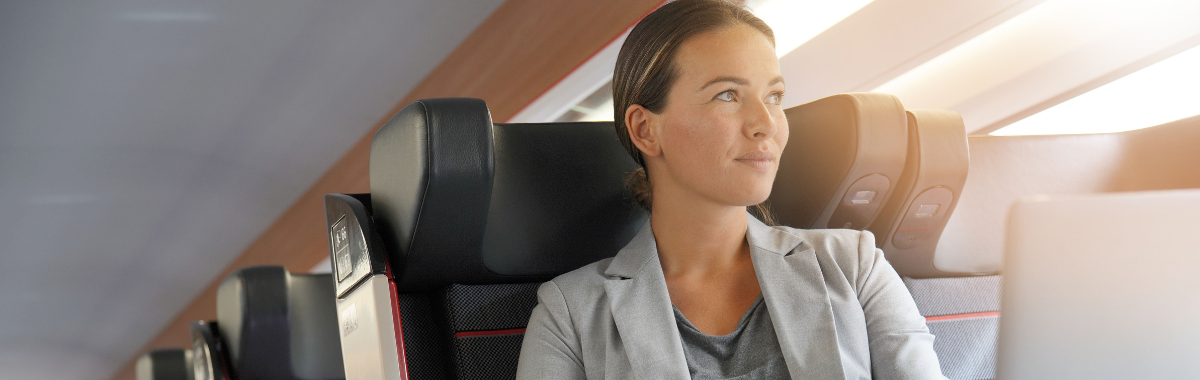
Business travel is no longer limited to meetings, conference halls, and airport lounges. A growing number of professionals are extending work trips to experience the destinations they visit, creating a travel style known as "bleisure." By combining business obligations with leisure activities, travelers are finding new ways to make the most of the time spent away from home.
According to insights highlighted by BBC StoryWorks, bleisure travel has become an increasingly influential trend as travelers seek greater value from work-related travel opportunities. Rather than flying in for a meeting and departing immediately afterward, many travelers are adding days before or after business commitments to explore local culture, enjoy unique experiences, and recharge in a different environment.
For many professionals, business travel provides access to destinations that may not otherwise have been considered for a vacation. Whether attending a conference in a major city, participating in a trade show, or meeting with clients, bleisure travel creates opportunities to discover a destination beyond the boardroom.
What Is Bleisure Travel?
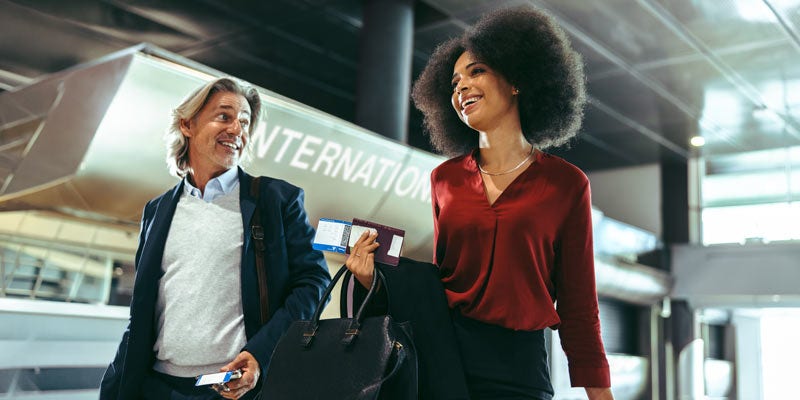
The term "bleisure" combines the words "business" and "leisure." It refers to any trip that includes both professional responsibilities and personal travel experiences.
A traveler may attend a conference for several days and stay through the weekend to explore the city. Others may arrive a day early to visit local attractions before meetings begin. Some simply use evenings and free hours between work commitments to experience the destination.
The trend reflects a broader shift in how travelers view business trips. Instead of treating work travel as purely functional, many see it as a chance to experience a new destination while already being there for professional reasons.

Why Bleisure Travel Continues to Grow
Several factors have contributed to the rise of bleisure travel. Flexible work arrangements have made it easier for many professionals to spend additional time away from home while still managing their responsibilities. At the same time, travelers increasingly prioritize experiences and meaningful travel opportunities over rigid schedules.
Business trips often involve significant transportation costs that are already covered by employers. Extending a trip for personal exploration allows travelers to maximize the value of the journey while minimizing the expense of a separate vacation.
There is also a growing emphasis on work-life balance. A few additional days in a destination often transform a demanding business trip into a more rewarding experience. Visiting local attractions, enjoying regional cuisine, or spending time outdoors offers a welcome contrast to conference sessions and business meetings.
Making the Most of Limited Free Time
One of the challenges of bleisure travel is balancing exploration with a busy professional schedule. Unlike a traditional vacation, leisure activities must fit around meetings, presentations, networking events, and travel logistics.
Successful bleisure travelers often begin planning before departure. Researching major attractions, transportation options, restaurant reservations, and local events helps maximize available free time. Even a few hours of planning can lead to a much smoother experience once on-site.
Location also plays an important role. Staying near a conference venue or business district often reduces commuting time and makes it easier to explore during breaks. Many major cities feature walkable neighborhoods filled with museums, restaurants, and attractions that are accessible without lengthy transportation requirements.
Also Read: How to Plan a Work Vacation

Exploring Local Food and Dining
Food is often one of the easiest and most enjoyable ways to experience a destination during a business trip.
Many bleisure travelers build their free time around local dining experiences. Sampling regional specialties, visiting neighborhood cafés, exploring food halls, or making reservations at highly rated restaurants provides insight into a city's culture and identity.
In cities known for their culinary reputations, dining may become the centerpiece of the leisure portion of the trip. Travelers often use recommendation platforms, local tourism guides, or hotel concierge services to discover restaurants that showcase authentic regional flavors.
Even travelers with only a few free hours frequently find that a memorable meal becomes one of the highlights of a work trip.
Also Read: Traveling with Dietary Restrictions
Discovering Local Culture
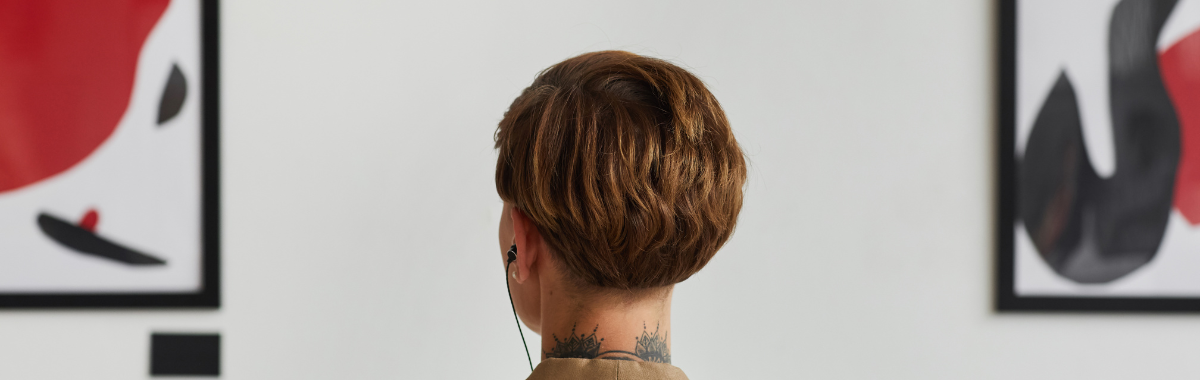
Museums, galleries, historic sites, and cultural institutions remain among the most popular bleisure activities.
Cultural attractions often fit easily into limited schedules because visitors can spend as much or as little time as they choose. A one-hour visit to a local museum may provide valuable insight into a destination's history, while a longer afternoon at a landmark attraction allows for deeper exploration.
Spending Time Outdoors
After long days spent indoors at meetings or conferences, outdoor activities are a popular choice among bleisure travelers.
Many destinations offer opportunities to enjoy parks, waterfronts, scenic viewpoints, hiking trails, beaches, or cycling paths. These experiences provide a welcome change of pace while allowing travelers to engage with the local environment.
Also Read: Epic National Parks Across the United States for Hiking and Camping
Planning Ahead for a Successful Bleisure Experience
The most successful bleisure trips begin with thoughtful planning.
Travelers should review employer policies regarding personal travel extensions before finalizing arrangements. Understanding what expenses are covered by the organization and which expenses become personal responsibility helps avoid confusion later.
It is also helpful to keep business expenses and leisure expenses separate. This simplifies reimbursement processes and provides greater clarity when documenting trip costs.
Packing strategically is another important consideration. Bleisure travelers often need professional attire for meetings as well as casual clothing for sightseeing and recreational activities. Selecting versatile clothing options helps reduce baggage while supporting both portions of the trip.
Flexibility remains important as well. While planning major activities in advance is helpful, leaving room for spontaneous discoveries often leads to some of the most memorable travel experiences.
Why Travel Protection Matters for Bleisure Travel
Bleisure trips often combine business obligations with personal travel, creating more moving parts than a typical work trip. Extra hotel nights, sightseeing plans, transportation bookings, and extended stays mean there are more opportunities for unexpected disruptions to affect an itinerary.
Travel protection may help when covered events impact both the business and leisure portions of a trip. Depending on the plan selected and applicable terms and conditions, benefits may include:
- Travel Delay
- Trip Interruption
- Baggage Delay
- Baggage Loss/Damage
- Emergency Assistance and Transportation
- Medical and Dental
For international bleisure travelers, having travel protection in place may provide additional confidence when navigating unfamiliar destinations and balancing both work and personal plans.
The Future of Bleisure Travel
The popularity of bleisure travel shows little sign of slowing down. As workplace flexibility continues to evolve and travelers prioritize meaningful experiences, the line between professional and personal travel has become increasingly blurred.
Hotels, airlines, destination marketing organizations, and tourism providers are responding by creating experiences specifically designed for travelers who blend work and leisure. Extended-stay packages, flexible accommodations, and curated local experiences are becoming more common as the industry adapts to changing traveler preferences.
For many professionals, the modern business trip is no longer simply about reaching a destination, attending meetings, and returning home. It is an opportunity to discover new cultures, experience local traditions, enjoy unique attractions, and create lasting memories while fulfilling professional responsibilities.
Before departing, consider travel protection that may help address covered travel disruptions affecting both business and leisure plans. Get a fast and free quote today and learn more about travel protection options for your next bleisure adventure.
Frequently Asked Questions
What does bleisure travel mean?
Bleisure travel refers to combining business travel with leisure activities. Travelers extend work trips or use free time during a business trip to explore a destination and enjoy personal experiences.
Why is bleisure travel becoming more popular?
Flexible work arrangements, increased interest in destination experiences, and a greater focus on work-life balance have contributed to the growth of bleisure travel.
What are the best activities for bleisure travelers?
Popular activities include exploring local restaurants, visiting museums and cultural attractions, taking walking tours, shopping, attending local events, and spending time outdoors.
Is travel protection worth considering for a bleisure trip?
Because bleisure trips often involve extended itineraries and both business and personal activities, travel protection may provide benefits and assistance when covered disruptions, delays, or unexpected travel issues occur. Terms, conditions, and exclusions apply.
Travel Resources
See All
10917752607

Average Customer Rating:

Thank you for visiting csatravelprotection.com