Best Beaches to Visit by Month in North and South America (Hidden Gems for Year-Round Travel)

Key Takeaways
- Each month offers a unique “best” beach across North and South America when weather patterns, crowd levels, and seasonal conditions align.
- Lesser-known beaches often deliver clearer water, more space, and better local cultural experiences than high-traffic destinations.
- Smart travel planning means understanding seasonal risks and considering how travel protection can help if plans change.
Travel across North and South America reveals an incredible diversity of coastlines, climates, and natural landscapes. From Chile’s rugged Pacific shores to the calm, turquoise stretches of the Caribbean, these regions offer year-round access to beach destinations shaped by both culture and environment.
Our 2026 barometer survey revealed that 48% of travelers prefer going to a seaside destination over other destinations, showcasing how popular seaside and beach travel is to the average traveler. Planning beach travel around the calendar allows for better alignment with seasonal weather patterns, fewer crowds, and more meaningful on-the-ground experiences. Timing often makes the difference between a crowded shoreline and a quiet, immersive escape.
This guide highlights one standout beach destination for each month of the year, with a focus on lesser-known locations that shine during specific seasons and offer a more relaxed alternative to heavily trafficked hotspots.
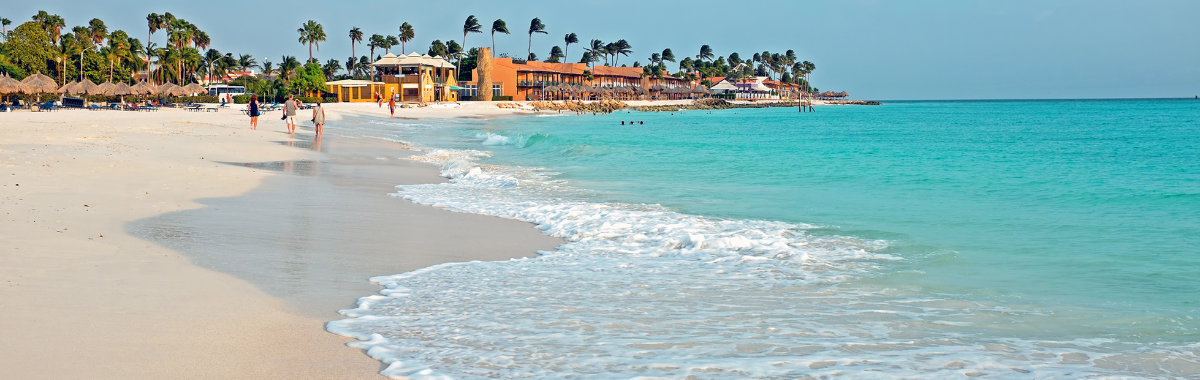
January: Playa Balandra, Baja California Sur, Mexico
January offers one of the most favorable times to visit Playa Balandra near La Paz. This shallow bay, framed by desert hills, feels far removed from the busy resort environment of Cabo San Lucas. Winter brings cooler, comfortable temperatures and calm waters that reflect shades of blue and green.
The defining feature of Playa Balandra is its low tide landscape. Visitors walk far into the water without significant depth change, making it ideal for paddleboarding and quiet exploration. Unlike heavily trafficked beach zones, the atmosphere remains tranquil due to visitor limits and conservation protections.
Wildlife sightings add to the appeal. Bird species often gather in the surrounding areas, and generally calm waters often create favorable conditions for kayaking. January conditions avoid summer heat and hurricane risks, making this month one of the most balanced windows for visiting Baja’s Gulf Coast.
Also Read: Mexico Off the Beaten Path
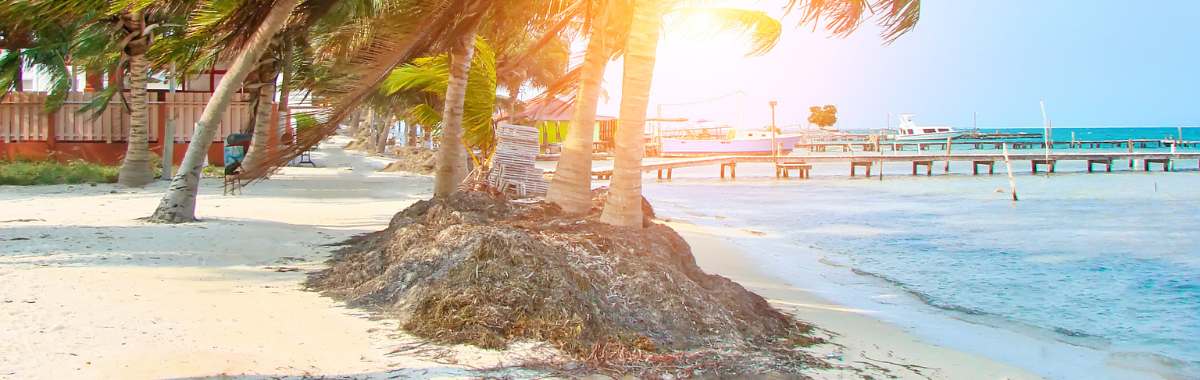
February: Caye Caulker (The Split), Belize
February is one of the driest and most comfortable months across Belize’s Caribbean coastline. The Split at Caye Caulker serves as a relaxed, less commercial alternative to larger Belizean destinations.
The beach itself is not a traditional stretch of sand but rather a social waterfront carved by a hurricane in the 1960s. Visitors gather along wooden docks and platforms, swimming in strikingly clear water while small beach bars provide a casual local environment.
February’s steady trade winds make conditions favorable for snorkeling and diving excursions to the nearby Belize Barrier Reef. Marine life visibility improves during this period, drawing enthusiasts seeking a quieter reef experience than more crowded Caribbean hubs.
The absence of large-scale resorts keeps the atmosphere community-focused. Sunset viewing, bicycle transportation, and local seafood dining become integral parts of the destination experience.
Also Read: What You Need to Know About Vacationing in Belize
March: Playa El Cuco, El Salvador
March sits within El Salvador’s dry season, bringing reliable sunshine and consistent surfing conditions along its Pacific coastline. Playa El Cuco stands out as a wide, dark-sand beach that remains largely untouched by mainstream tourism.
Unlike many surf-heavy destinations where crowds dominate the waves, El Cuco offers long stretches of coastline with minimal competition. The beach appeals to both experienced surfers and travelers seeking a quiet coastal retreat.
Local fishing culture defines the area. Early morning visits reveal small boats launching into the surf, while beachside seafood restaurants serve freshly caught fish and shrimp.
The beach’s expansive size and limited development create a feeling of isolation that is increasingly rare in coastal Central America.
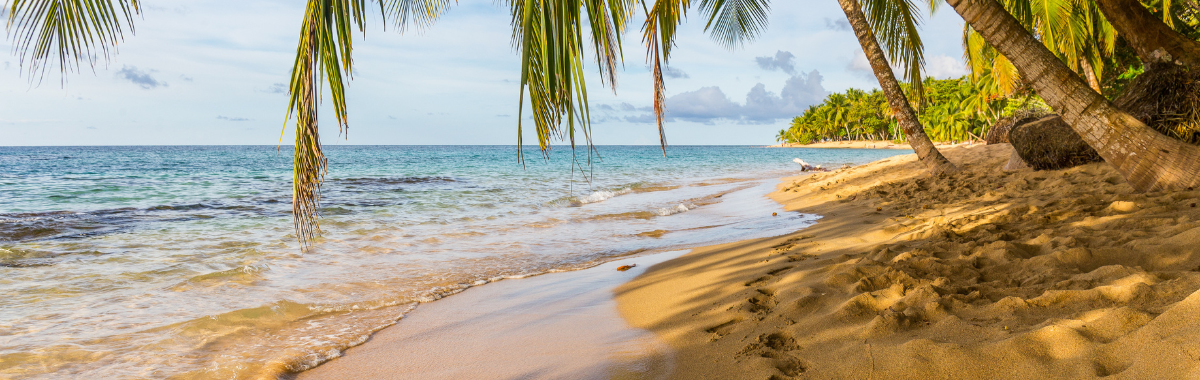
April: Playa Punta Uva, Costa Rica
April brings relatively stable weather to Costa Rica's southern Caribbean coast, making it an appealing time to visit Punta Uva. Punta Uva benefits from stable weather before heavier rains begin, making it an ideal time to visit.
This beach features golden sand framed by dense jungle and clear, calm water. It sits just south of Puerto Viejo yet feels distinctly quieter. Coconut palms line the shore, and gentle currents create suitable conditions for swimming and snorkeling.
Wildlife encounters are common. Howler monkeys, sloths, and tropical birds often appear in nearby trees, adding a nature-driven dimension to the visit. April offers a balance between sunshine and manageable humidity, while also presenting fewer crowds than peak dry-season months.
Also Read: Costa Rica Travel Protection
May: Half Moon Bay, Roatán, Honduras
May brings favorable weather conditions to Roatán, sitting between the region’s high tourist season and more humid summer months. Half Moon Bay, located in West End Village, provides a quieter alternative to the island’s busier resort zones.
The bay’s protected waters allow for clear visibility and gentle waves. Coral reefs lie just offshore, allowing for easy access without extensive boat travel. Snorkeling directly from the beach reveals colorful fish, sea fans, and coral formations.
Local restaurants and dive shops line the beach without overwhelming the atmosphere. May’s lower visitor numbers create more accessible pricing and a slower pace, enhancing the overall experience.
The Caribbean climate during this period offers warm water temperatures without the peak heat of midsummer, making it well suited for extended beach stays and underwater exploration.
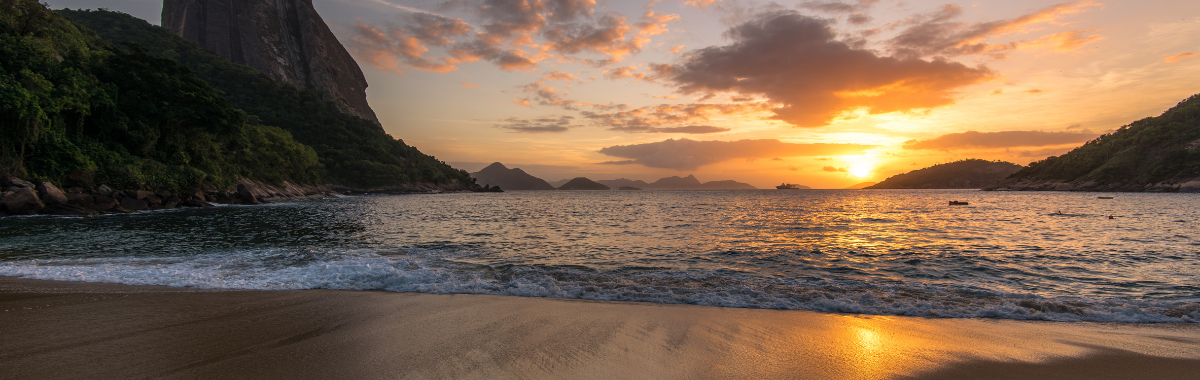
June: Praia do Rosa, Brazil
June marks the beginning of Brazil’s winter season, particularly along the southern coastline. Praia do Rosa, located in Santa Catarina, experiences cooler temperatures and fewer domestic tourists during this time.
This crescent-shaped beach offers a distinctive combination of rolling green hills and powerful surf. It appeals to travelers seeking a mix of nature, beach activity, and coastal village charm.
June also signals the start of whale-watching season. Southern right whales begin arriving along this stretch of coastline, visible from shore or during guided tours. This seasonal wildlife event adds significant depth to a beach-focused trip.
Also Read: Brazil Travel Protection
July: Isla Holbox, Mexico
July falls within the warm and active season for Isla Holbox, a car-free island north of the Yucatán Peninsula. While summer brings higher temperatures, it also introduces one of the destination’s defining seasonal highlights: whale shark encounters.
The island’s beaches stretch wide, with shallow, warm water that feels nearly uninterrupted by strong waves. Colorful murals, sandy streets, and small boutique stays contribute to a laid-back, artistic atmosphere.
Bioluminescent plankton activity occurs during the summer months, offering nighttime experiences where the water glows with movement. July brings a lively atmosphere as visitors arrive for whale shark season and other summer wildlife experiences.
Holbox remains less commercialized than larger Mexican beach destinations, maintaining its identity as a slow-paced coastal retreat.
Also Read: Mexico Off the Beaten Path
August: Playa Venao, Panama
August aligns with Panama’s Pacific “green season” yet Playa Venao benefits from a microclimate that maintains consistent surf and intermittent sunshine. This makes it one of the stronger beach options during a time when much of the region sees heavy rain.
The crescent-shaped bay hosts reliable waves suitable for all skill levels. Surf schools and eco-lodges dot the landscape, while the surrounding jungle adds a natural buffer that enhances the feeling of remoteness.
Even during the rainy season, storms tend to pass quickly, leaving long stretches of usable beach time. The landscape becomes greener during this period, improving scenic contrast and wildlife activity.
Playa Venao remains relatively undeveloped compared to other surf hubs, helping preserve its reputation as a hidden gem.
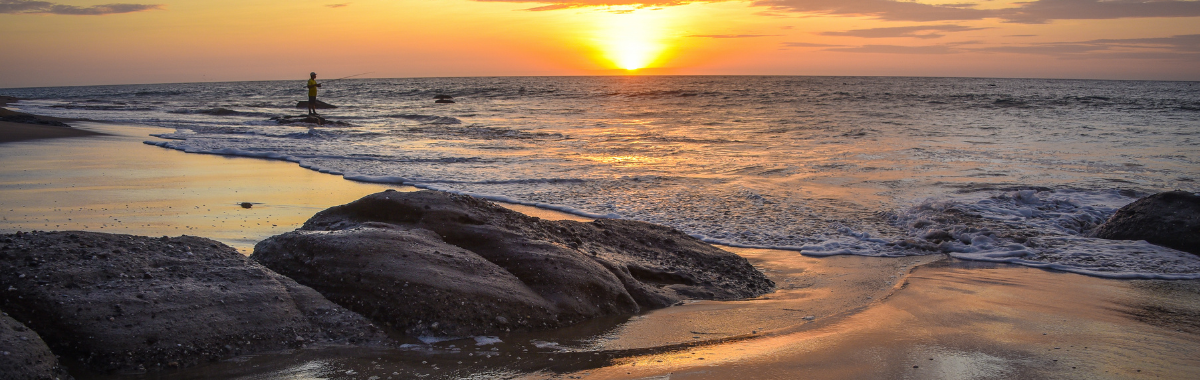
September: Mancora (Las Pocitas), Peru
September marks the transition into spring along Peru’s northern coastline. Mancora, particularly the Las Pocitas area just south of the main town, offers a quieter beach experience with favorable weather developing.
Temperatures begin to rise, and rainfall remains minimal, creating comfortable conditions for beachgoers. The area’s calmer tidal pools, which give Las Pocitas its name, provide a unique swimming environment during low tide.
Unlike southern Peru’s cooler coastline, Mancora sits in a more tropical zone, making it warmer and sunnier. September avoids peak crowds while still delivering improving ocean temperatures and stable weather.
October: Tayrona Coast (Playa Brava), Colombia
October typically brings rain to much of Colombia’s Caribbean coastline, but this seasonal shift enhances the lushness of Tayrona National Park. Playa Brava, requiring a moderate hike to reach, offers one of the most secluded beach experiences in the region.
The journey to Playa Brava passes through jungle terrain, increasing its sense of discovery. Once reached, the beach reveals dramatic waves, golden sand, and minimal development.
Rainfall tends to be intermittent rather than constant, often clearing to reveal vibrant landscapes and fewer visitors. The lower foot traffic contributes to a more immersive nature experience.
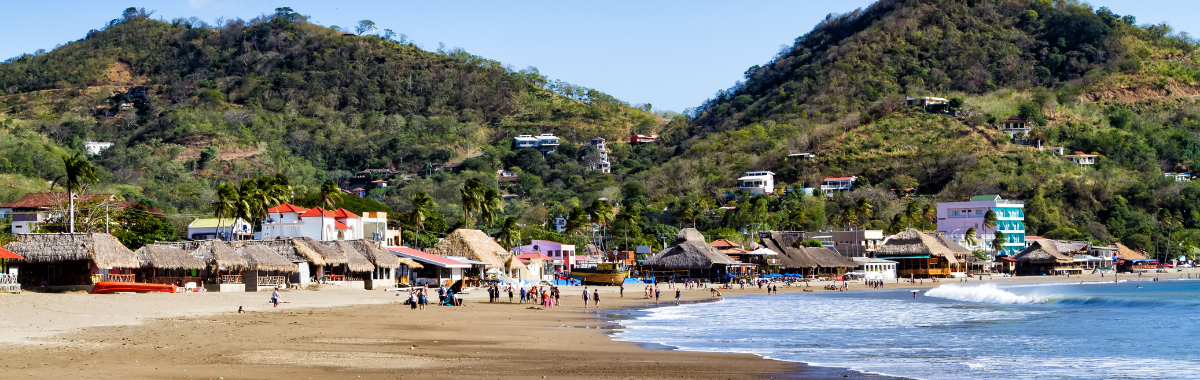
November: Las Peñitas, Nicaragua
November signals the end of Nicaragua’s rainy season. Las Peñitas, located near León, emerges as a peaceful coastal escape during this transitional period.
The beach features dark volcanic sand and consistent surf conditions, while tidal patterns create broad, walkable shorelines. The surrounding town remains small and community-oriented, supporting a relaxed environment.
Birdwatching opportunities increase in nearby estuaries, particularly as migratory species pass through the region. Sunset conditions during November are often clear and vibrant following late afternoon cloud movement.
December: Bahía Solano, Colombia (Pacific Coast)
December marks one of the best times to visit Colombia’s Pacific coastline as rainfall begins to ease. Bahía Solano offers a dramatically different beach experience compared to the Caribbean side.
Dense rainforest meets rugged coastline, creating a raw and untamed environment. The beaches are wide and often empty, with powerful waves and strong ocean energy.
This region appeals to travelers interested in nature immersion rather than traditional beach resort comforts. Activities include guided rainforest hikes, birdwatching, and deep-sea fishing.
Also Read: 7 of the Best Destinations for Snowbirds to Escape the Cold

Travel Issues to Consider When Planning Monthly Beach Trips
Planning monthly beach travel across North and South America requires attention to changing conditions throughout the year. Seasonal weather patterns—such as hurricanes in the Caribbean, rainy seasons in Central America, and ocean temperature shifts along the Pacific—often affect travel timing and beach accessibility.
Transportation logistics also vary widely. Remote destinations may have limited flight routes, ferry schedules, or road infrastructure that change by season, which may impact overall trip planning.
- Seasonal disruptions: Weather patterns may impact itineraries and beach conditions.
- Access challenges: Transportation options may be limited in less-developed or remote areas.
- Health and safety considerations: Heat, insects, water quality, and strong currents may influence comfort and swimming conditions.
How Travel Protection Can Support Beach Travel Plans
Travel protection plans from Generali Global Assistance include travel insurance and assistance services to help provide structured support for common travel disruptions. Coverage such as Trip Cancellation may apply when unexpected events affect plans before departure, while in-trip benefits help address issues that arise along the way.
- Pre-departure coverage: Trip Cancellation may apply if plans change before travel begins due to a covered reason.
- In-trip support: Trip Interruption, Travel Delay, and Medical and Dental coverage help address flight changes, illness, or local disruptions.
- Additional considerations: Emergency Assistance & Transportation is especially relevant for remote coastal areas, while Baggage Delay or Loss supports access to essential items.
Reviewing travel protection options before booking helps align coverage with the specific risks tied to each destination and season.
For those planning a year of coastal exploration across North and South America, aligning destinations with seasonal conditions supports a better overall experience.
Get a fast and free quote today to explore travel protection options that align with upcoming beach travel plans.
FAQs
What is the best month overall for beach travel in the Americas?
There is no single best month across all regions. January through April tends to offer stable weather in many Caribbean and Central American locations, while southern destinations peak during their summer months (December through March).
Are hidden beaches better than popular beach destinations?
Lesser-known beaches often provide fewer crowds, lower costs, and more authentic local experiences. However, they may have fewer amenities and require additional travel planning.
How does the rainy season affect beach travel?
Rainy seasons vary by region. In many cases, rainfall occurs in short bursts rather than all-day conditions, allowing for usable beach time. Landscapes also become greener, improving scenic appeal.
Does travel protection matter for beach trips?
Travel protection may help address disruptions such as weather-related cancellations, medical emergencies, or travel delays. Coverage options vary, so reviewing plan details before booking is important.
Travel Resources
See All

10872502607

Average Customer Rating:

Thank you for visiting csatravelprotection.com