Banned Cruise Items: What Not to Pack Before You Sail
Key Takeaways
- Cruise lines prohibit a wide range of items beyond obvious weapons, including candles, heating appliances, alcohol, and certain foods.
- Some restricted items frequently surprise travelers and may be confiscated during the embarkation screening process.
- Reviewing a cruise packing checklist before departure helps avoid delays, confiscated belongings, and unnecessary stress at the port.
Packing for a cruise often feels simpler than preparing for other types of vacations. Unpack once, visit multiple destinations, and spend days enjoying everything the ship has to offer. However, many travelers are surprised to learn that cruise lines maintain extensive lists of prohibited and restricted items. Something as innocent as a scented candle, a homemade snack, or a travel appliance could be denied at boarding.
While every cruise line has its own policies, most major operators share similar safety and security rules designed to protect passengers, crew members, and the ship itself. Understanding what should stay at home helps avoid delays during embarkation and reduces the chance of having belongings confiscated.

Common Cruise Items That Are Not Allowed
The following items are frequently prohibited or restricted aboard cruise ships:
- Firearms of any kind
- Ammunition
- Weapons and self-defense items, including pepper spray, stun guns, batons, and similar devices
- Candles and open-flame decorative items
- Incense
- Fireworks
- Flares
- Hot plates
- Heating coils
- Electric skillets
- Toasters
- Coffee makers
- Certain high-wattage appliances
- Extension cords not approved by the cruise line
- Excess quantities of alcohol
- Hard liquor brought from home
- Beer purchased before embarkation
- Homemade food items
- Perishable foods
- Foods requiring refrigeration
- Illegal drugs
- Recreational drugs prohibited by itinerary destinations
- Drones on some cruise lines
- Hoverboards
- Large sporting equipment
- Certain scuba tanks and compressed gas containers
However, several categories deserve a closer look because they frequently catch travelers off guard.

Candles and Open-Flame Items
One of the most commonly confiscated cruise items is also one of the most surprising: candles.
Many travelers pack candles to create a relaxing atmosphere in their stateroom or bring decorative birthday candles for celebrations. Unfortunately, cruise ships treat anything involving an open flame as a significant fire risk. Even small tea lights, battery-assisted candles with exposed flames, incense sticks, and wax warmers typically fall under prohibited item policies.
The reason is fairly straightforward. A cruise ship functions as a floating city, housing thousands of guests within a compact environment. Fire safety remains one of the cruise industry's highest priorities because even minor incidents require immediate intervention.
Appliances and Other Fire Hazards
Many passengers assume small household appliances are harmless additions to a cruise packing list. In reality, cruise lines closely regulate devices that generate heat.
Items that commonly trigger issues during the screening process include:
- Coffee makers
- Electric kettles
- Hot plates
- Heating pads
- Electric skillets
- Steamers
- Clothing irons
These restrictions exist because unattended heat-generating devices create potential safety concerns onboard. Cruise ships already provide numerous dining options and typically offer access to hot beverages, reducing the need for personal cooking appliances.
Hair dryers, curling irons, straighteners, electric razors, and similar personal grooming devices are often permitted, though travelers should confirm the policy of their specific cruise line.
Another frequently overlooked item is the extension cord. Some cruise operators prohibit traditional extension cords entirely while allowing approved power strips without surge protection. Travelers relying on multiple electronic devices should verify what is permitted before packing.
Alcohol Restrictions Surprise Many Travelers
Alcohol policies rank among the most misunderstood cruise rules.
Many first-time cruisers assume they can stock their luggage with favorite wines, spirits, or craft beers before boarding. In reality, cruise lines often restrict the amount and type of alcohol passengers may bring onboard.
Common alcohol restrictions include:
- Limits on wine quantities
- Prohibitions on hard liquor
- Restrictions on beer brought from outside the ship
- Rules regarding alcohol purchased in ports
Even when travelers purchase alcohol during shore excursions, many cruise lines hold those purchases until the end of the voyage rather than allowing immediate consumption.
These policies exist for several reasons, including safety, responsible service practices, and onboard beverage program management.
Travelers who enjoy wine with dinner should review their cruise line's current alcohol policy before departure. Rules vary significantly between operators and may change over time.

Food Restrictions Are More Complicated Than Many Expect
Food seems harmless, but it can become one of the most confusing categories for cruise passengers.
Many travelers want to bring favorite snacks, homemade treats, or specialty foods for their voyage. While sealed and commercially packaged snacks are often permitted, restrictions frequently apply to other food types.
Items that may create issues include:
- Homemade baked goods
- Home-prepared meals
- Fresh fruits
- Fresh vegetables
- Raw meats
- Seafood
- Foods requiring refrigeration
- Open containers of food
Food rules are influenced not only by cruise line policies but also by customs and agricultural regulations in ports of call. Certain destinations restrict the movement of fresh agricultural products across borders to help prevent the spread of pests and diseases.
Passengers returning to the ship from shore excursions may also encounter restrictions on bringing local foods onboard. A snack purchased at a market during a port visit might not be permitted back on the vessel.
Drones Are Becoming a Growing Concern
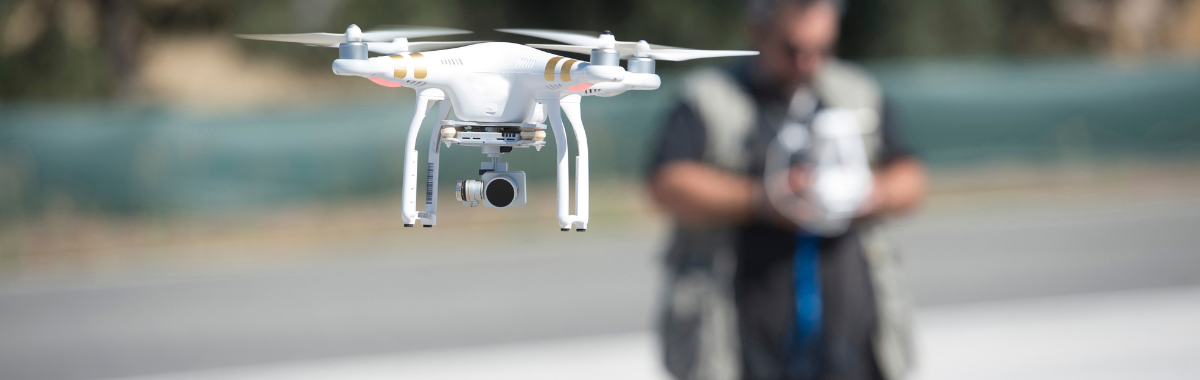
Drone photography has become increasingly popular among travelers. Many cruisers envision launching a drone as the ship departs a scenic harbor or while visiting tropical islands.
However, drone policies differ widely across cruise operators.
Some cruise lines prohibit drones altogether, while others allow passengers to bring them onboard but restrict usage on the ship. Port destinations may have their own regulations as well, creating another layer of complexity.
Travelers should review both cruise line policies and local laws at planned destinations before deciding whether to pack a drone.
Self-Defense Items That Travelers Often Forget About
Many travelers routinely carry personal safety devices at home and accidentally leave them packed in cruise luggage.
Frequently prohibited items include:
- Pepper spray
- Mace
- Stun guns
- Tasers
- Expandable batons
- Personal defense weapons
Passengers sometimes overlook these items because they remain attached to keychains, handbags, backpacks, or travel organizers. Security screening teams regularly identify such items during embarkation searches.
Checking bags carefully before leaving home helps avoid delays and confiscations.

Recreational Equipment May Face Restrictions
Sporting and recreational equipment occupies a gray area on many cruise lines.
Examples that may receive extra scrutiny include:
- Rackets
- Bicycles
- Large fishing gear
- Compressed air cylinders
- Sporting weapons
- Specialized outdoor equipment
Even if an item is technically permitted, storage limitations aboard a ship may affect whether it is accepted.
Travelers planning activity-focused cruises should review equipment guidelines well before departure.
Also Read: What to Do When Flight Delays Make You Miss Your Cruise

Illegal Drugs and Destination-Specific Restrictions
Cruise travelers visit multiple countries during a single voyage. As a result, passengers are subject to laws and regulations that extend beyond their departure port.
Items that may be legal in one destination could create serious issues in another. Cruise lines generally maintain strict policies regarding illegal substances and often reserve the right to deny boarding or disembark passengers who violate those policies.
Travelers carrying prescription medications should keep them in their original labeled containers and bring any supporting documentation that may be needed during international travel.
Also Read: 11 Tips for Traveling With Medication
Why Cruise Lines Restrict These Items
At first glance, some prohibited items may seem harmless. However, cruise operators develop restrictions around several priorities:
- Guest safety
- Fire prevention
- Security screening efficiency
- Compliance with international regulations
- Protection of ship operations
- Customs and agricultural requirements
- Safe storage and handling capabilities
A vessel carrying thousands of guests requires carefully managed procedures. Even small risks can become larger issues in a highly populated environment.
How to Avoid Packing Mistakes
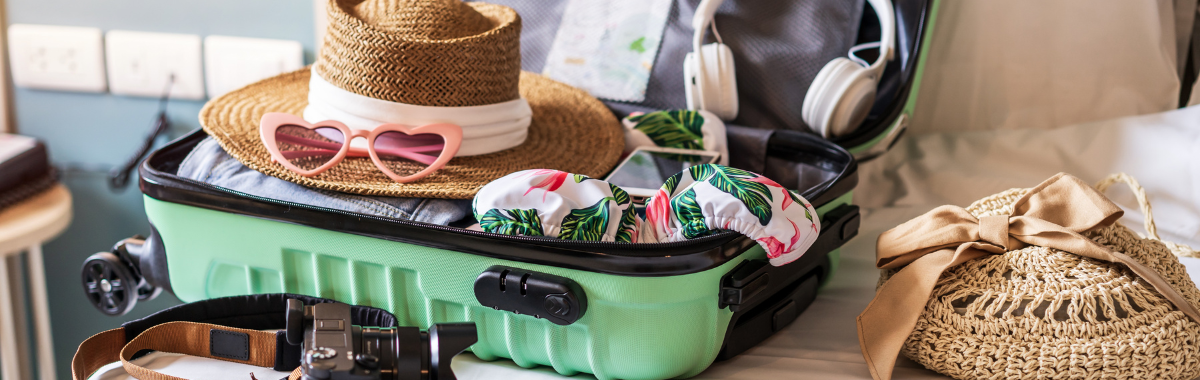
A little preparation before departure helps avoid unnecessary surprises at the terminal.
Consider these steps before packing:
- Review your cruise line's prohibited-items list.
- Check destination-specific customs requirements.
- Inspect backpacks, purses, and carry-on bags for forgotten items.
- Verify alcohol allowances before purchasing wine or spirits.
- Confirm appliance and electronics policies.
- Review food restrictions for both embarkation and port visits.
- Use a detailed cruise packing checklist to stay organized.
We have a helpful cruise packing list that highlights many essentials travelers often forget, while helping identify what belongs in luggage before heading to the port.
Help Protect Your Cruise
Packing the right items is an important part of preparing for a cruise, but even the most carefully planned trip may be affected by unexpected events before or during travel. Delayed flights, missed connections, lost luggage, or covered medical situations away from home may disrupt vacation plans and add unexpected expenses.
We offer travel protection plans that include a range of insurance benefits with assistance services designed for travelers. Benefits include Trip Cancellation, Trip Interruption, Travel Delay, Baggage Delay, and Emergency Assistance and Transportation.
Before setting sail, review your cruise line's prohibited items policy and pack with confidence using a trusted cruise packing checklist. For added preparation, consider exploring travel protection options that are designed to help address covered travel challenges along the way.
Ready to get started? Get a fast, free quote today.
Frequently Asked Questions
What happens if a prohibited item is found during cruise embarkation?
The cruise line may confiscate the item, require it to be stored until the end of the voyage, or in some cases deny the item entry altogether. Policies vary by cruise operator.
Are passengers allowed to bring snacks on a cruise?
Many cruise lines permit sealed, commercially packaged snacks. Homemade foods, perishables, and fresh agricultural products may be restricted.
Can travelers bring wine onboard a cruise ship?
Some cruise lines allow limited quantities of wine, often subject to specific rules or corkage fees. Alcohol policies vary by operator and should be reviewed before travel.
Why are candles prohibited on cruise ships?
Candles and other open-flame items present fire safety concerns. Because cruise ships operate in a contained environment with thousands of passengers, fire prevention remains a top priority for cruise operators.
Travel Resources
See All

10872502609

Average Customer Rating:

Thank you for visiting csatravelprotection.com