Your Arctic Travel Guide: Tips on How to Prepare, Travel Safely, and Make the Most of Your Trip
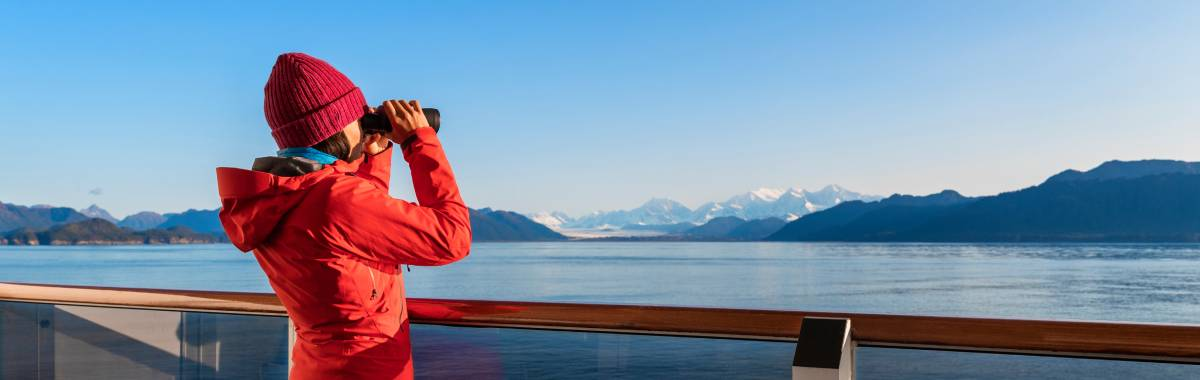
Summary: Planning a trip to the Arctic or Antarctic? Learn when to go, how to get there, what to pack, and why travel protection is essential for these extreme destinations.
Some travelers are drawn to the growing trend of “coolcations,” seeking unique experiences in colder climates. Whether you're planning a full expedition or simply exploring a new destination, the Arctic and Antarctic offer unforgettable opportunities for adventure.
If that aligns with your travel goals and you’re considering a trip to the Arctic or Antarctic, here’s what you need to know.
1. You Need To Go During Their Summer.
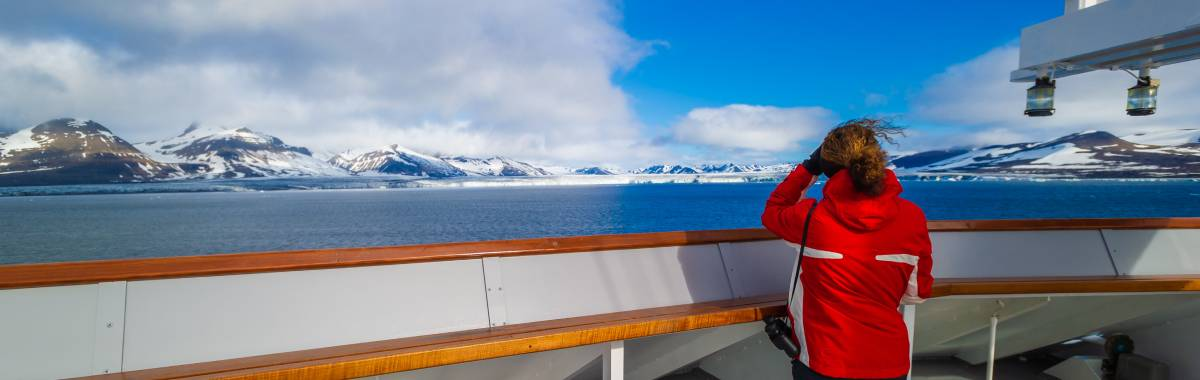
While these regions are known for their cold climates, both the Arctic and Antarctic have distinct summer seasons. The Arctic summer typically spans June through August and features extended daylight and a brief but intense growing season.
The Antarctic summer occurs in December and January, offering milder conditions and more daylight for exploration. Traveling outside of these windows can mean extreme cold and prolonged darkness, which may limit activities and accessibility.
Think of the Antarctic summer as “less winter” rather than truly warm—but it is still the best season to visit. And since it falls in December and January, you won’t be missing the beautiful summer months back in the United States. Cold is the main reason to not visit these regions outside of summer, but don’t discount visiting during a Polar Night.
2. The Arctic Circle Is Way More Accessible.
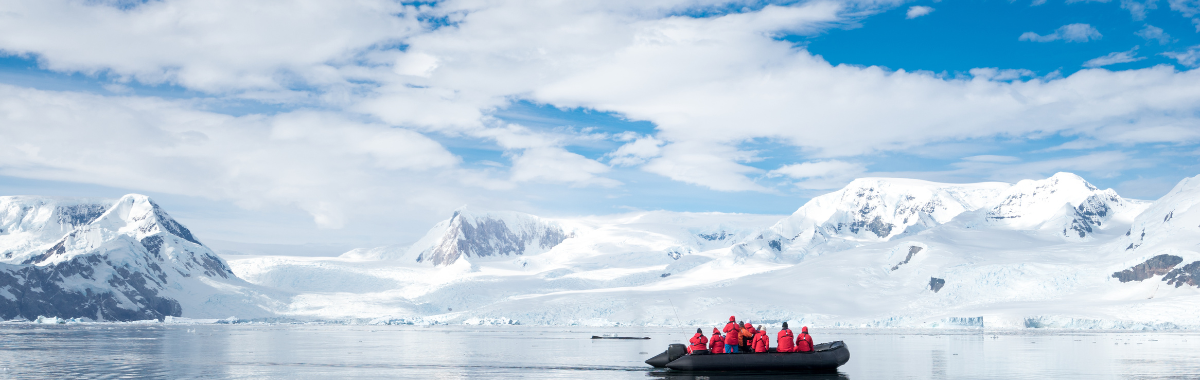
Accessing the Arctic is generally more straightforward than reaching Antarctica. Travelers can drive or take trains to destinations within the Arctic Circle, such as Churchill, Manitoba or northern Scandinavia. In contrast, visiting Antarctica typically requires joining a guided expedition or cruise departing from South America, Australia, or New Zealand.
You can also take a train to Churchill, Manitoba, the polar-bear capital of the world.
If you prefer the Scandinavian Arctic, you can drive to the top of Norway or Sweden, but a better option is the train. The Swedish and Norwegian national railways offer several options:
- The Arctic Circle Express tour, an “express” in name only, this slow-travel journey involves several trains.. It starts in Oslo, jumps up to Bergen, ambles to Ålesund, tacks to Trondheim, and finally bops across the Arctic Circle on its way to Bodø. The entire tour takes 12 days, but if you’ve ever wanted to see Norway beyond Oslo, this is your literal ticket.
- The Arctic Circle Train, which takes a slightly less leisurely (and comfortable) path from Stockholm to Narvik.
You can also fly into many spots along the Arctic Circle, either on a scheduled commercial flight or a charter with a bush pilot. Make sure you have activities planned or a tour booked before you go, and don’t miss your return flight.
Also Read: Tips for Planning a Norwegian Cruise: From Fjords to Northern Lights

3. You’ll Probably Cruise There.
You can do all these different things, but you likely won’t. You’ll probably take a cruise.
And you’re in luck, because there are so many flavors of Arctic or Antarctic cruise!
Arctic cruises leave from a number of attractive ports – Southampton, Copenhagen, Helsinki, Montreal, Amsterdam/Rotterdam, Reykjavik, Hamburg, Spitsbergen – as well as some lesser-visited ports, like Nuuk, Greenland.
Obviously, the cruises that leave from more distant ports are either longer or spend less time in the Arctic regions. This is the case for northern-lights and summer-solstice cruises run by lines like Royal Caribbean, Holland America and Cunard.
Cruises by companies that specialize in more expedition-type trips, such as Hurtigruten, Azamara, Quark, Aurora, and G Adventures, are probably going to leave from a nearby port like Nuuk and spend more time in the Arctic region, looking for wildlife, diving into indigenous cultures and dodging icebergs.
These ships are also likely to be smaller, which means fewer amenities but more time to bond with your shipmates and more personalized adventures.
When you look at Antarctic cruises, you’re most likely going to depart from Buenos Aires or points south, though the occasional high-dollar cruise departs from Australia or New Zealand.
When it comes to Antarctica, even the budget cruises are expensive. And what do the expensive cruises (from lines like Ponant and Silversea and tour operators like Abercrombie and Kent) get you?
- Luxurious accommodations on board, with spas and suites
- Gourmet dining
- Special excursions into Antarctica led by expert guides
- A “free” parka with your trip
How about the more budget cruises? You’ll find:
- Older ships
- Fewer frills
Also Read: From Spas To Safaris, Find Your Luxury Travel Style
4. You Need To Be Intentional About Packing.
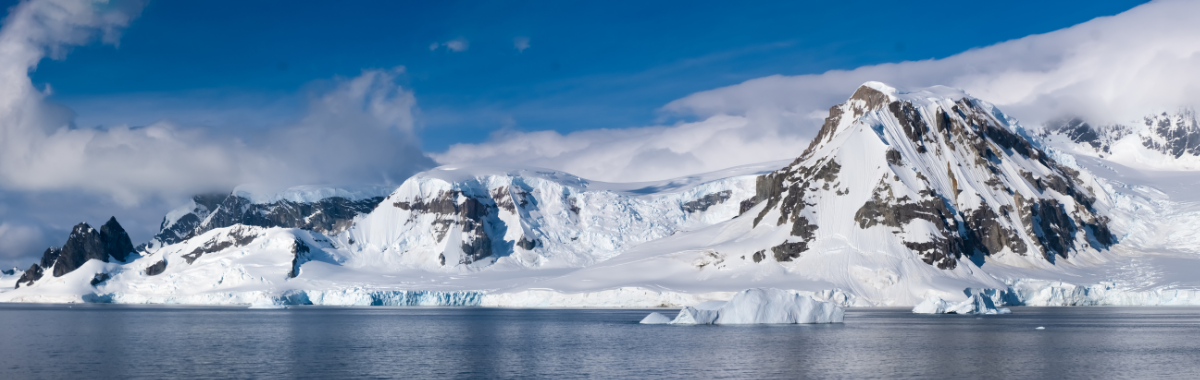
No matter how you get to or get around the Arctic or Antarctic, you’ll need to pack for weather. That means:
- Multiple layers that address keeping warm and staying dry
- The right footwear
- Gear for your extremities
- Sunglasses
Complicating this is the fact that small ships are small, and your room may not be as spacious as you think. Also, if you opt for a drive-‘n’-camp Arctic vacation, your vehicle may struggle under the weight of all the stuff you have to carry to meet a human’s basic requirements for food, clothing and shelter.
These aren’t insurmountable challenges by any means, but they must be thought through.
Along that same line …
Also Read: What to Pack for Cold-Weather Vacations (With a Packing Checklist)
5. You Must Understand What You’re In For.
Precious few naïve travelers attempt an Arctic or Antarctic adventure, but those that do are often overwhelmed by the combination of the elements and the lack of amenities.
Traveling to the Arctic or Antarctic requires preparation and awareness. Conditions can be unpredictable, and amenities may be limited. Research your destination thoroughly, understand the risks, and plan accordingly to ensure a safe and enjoyable experience.
You may be fortunate enough to encounter calm weather throughout your journey — congratulations if you do. But if you don’t, you have to understand what the worst-case scenario looks like before you go.

6. You Need Travel Insurance with Assistance Services.
Four words: Emergency Assistance and Transportation. Having to be medevac’d out of Antarctica is nightly-news stuff. And it’s the antithesis of affordable.
The only thing that can make that experience easier is quality travel protection with coverage designed for Emergency Assistance and Transportation – and that’s just what you get with travel insurance with assistance services from Generali Global Assistance. Our Premium Plan has up to $1 million per person in coverage for Emergency Assistance and Transportation.
You can get a fast and free quote right here.
Travel Resources
See All

8456512512
Average Customer Rating:

Thank you for visiting csatravelprotection.com