Traveling With Aging Parents: 7 Essential Tips for a Comfortable Family Vacation

Key Takeaways
- Plan ahead: Choose destinations, accommodations, and activities that match your parents' interests, comfort levels, and mobility needs.
- Prioritize health and accessibility: Prepare medications, arrange transportation assistance, and build rest breaks into the itinerary.
- Stay flexible: Allow extra travel time, prepare for unexpected disruptions, and focus on creating meaningful family memories.
Traveling with aging parents is a wonderful opportunity to spend quality time together, explore new destinations, and create lasting memories. Whether planning a relaxing beach getaway, a scenic road trip, or an international adventure, family vacations offer a chance to reconnect and share new experiences.
However, traveling with older parents sometimes requires additional preparation. Health concerns, mobility limitations, long travel days, and unfamiliar environments may present challenges that deserve attention before departure.
With thoughtful planning and a flexible itinerary, families are better prepared to enjoy their time together. These seven practical travel tips for aging parents will help make the journey more comfortable and enjoyable for everyone.

1. Choose a Destination That Works for Everyone
Selecting the right destination is one of the most important steps when planning a vacation with aging parents.
Start by discussing where your parents would like to go and what activities interest them. Some older travelers enjoy exploring busy cities and historic attractions, while others prefer relaxing at a beach resort or taking scenic drives.
Consider destinations that offer:
- Accessible attractions: Museums, parks, and sightseeing opportunities with elevators, ramps, or minimal walking requirements.
- Convenient transportation: Locations with reliable public transportation, taxis, or private transportation options.
- Comfortable weather: Destinations without extreme temperatures that might make outdoor activities uncomfortable.
- Nearby amenities: Accommodations close to restaurants, attractions, and medical facilities.
Cruises, beach resorts, and scenic road trips are popular options for multigenerational vacations because they offer opportunities to enjoy activities at different paces.
When choosing a destination, avoid making assumptions about what your parents are physically capable of doing. Instead, involve them in the decision-making process and prioritize experiences they genuinely want to enjoy.
Also Read: Smart Tips for Scheduling Family Trips

2. Prepare for Health and Medication Needs
Health preparation deserves special attention when traveling with elderly parents, particularly when managing chronic conditions or planning international travel.
Before departure, encourage your parents to discuss their travel plans with a healthcare provider. This conversation should address existing medical conditions, prescription medications, recommended vaccinations, and destination-specific health considerations.
The CDC Travelers' Health website offers resources to help travelers prepare for health-related concerns before visiting international destinations.
Organize Medications Before Departure
Changes in routine, flight delays, and time-zone differences might affect medication schedules.
Before traveling:
- Pack prescription medications in carry-on luggage.
- Bring enough medication for the trip, plus additional supplies for unexpected delays.
- Keep a list of medications, dosages, and relevant medical conditions.
- Carry copies of prescriptions when appropriate.
- Ask a healthcare provider about adjusting medication schedules across time zones.
For international trips, research medication restrictions in the destination country.
It's also helpful to keep emergency contact information and important medical details easily accessible.
A little preparation before departure helps families respond more effectively if health concerns arise during the vacation.
Also Read: 11 Tips for Traveling With Medication: Prescriptions, Flying, Insurance and More

3. Make Airports and Transportation Easier
Airports are often one of the most challenging parts of traveling with aging parents.
Long security lines, crowded terminals, distant gates, and tight connections might make flying physically demanding, particularly for travelers with mobility limitations.
Fortunately, several travel arrangements help make the airport experience more comfortable.
Request Airport Assistance
If a parent has difficulty walking long distances, consider requesting wheelchair assistance through the airline. Airlines provide assistance for eligible passengers with disabilities, including help navigating airports and boarding aircraft.
The U.S. Department of Transportation provides additional information about wheelchair and guided assistance for airline passengers. Travelers with disabilities or medical conditions should also review the TSA Cares program, which provides assistance related to airport security screening.
Choose Convenient Travel Arrangements
When booking flights, consider the following:
- Choose nonstop flights when possible.
- Avoid short connections between flights.
- Allow extra time for airport check-in and security.
- Select seats based on individual comfort and accessibility needs.
- Schedule flights around your parents' preferred routines.
4. Book Comfortable and Accessible Accommodations
Choosing the right hotel or vacation rental makes a significant difference when traveling with aging parents.
Before booking, consider your parents' mobility needs, sleeping preferences, and daily routines.
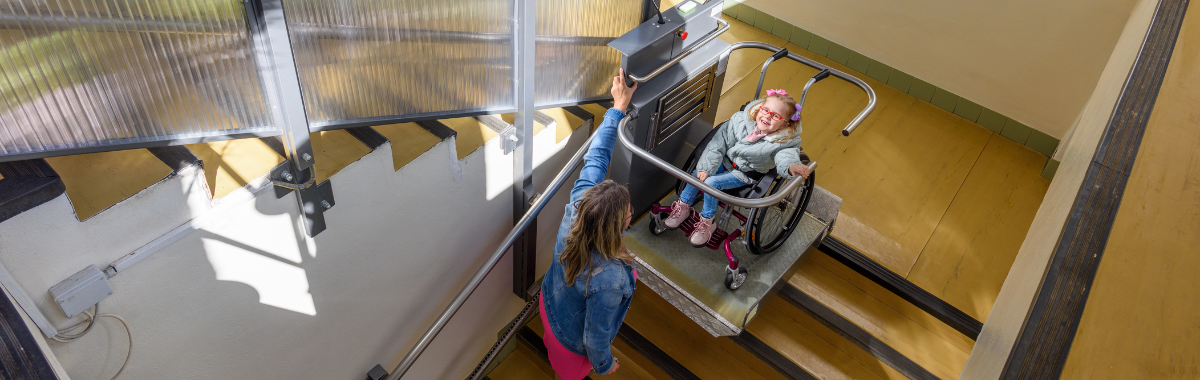
A beautiful hotel might not be the best choice if reaching the room requires climbing stairs or walking long distances.
Look for Senior-Friendly Amenities
Depending on individual needs, useful accommodation features include:
- Elevators and step-free entrances
- Accessible bathrooms with grab bars
- Walk-in or roll-in showers
- Rooms near elevators
- On-site restaurants
- Comfortable seating areas
- Convenient transportation access
If accessibility is a concern, contact the property directly to confirm specific features before making a reservation.
Also Read: Accessible Travel Starts Before Departure

5. Create a Flexible Itinerary With Plenty of Breaks
One of the best travel tips for aging parents is to avoid overscheduling.
While it's tempting to visit every attraction, restaurant, and landmark, an overly ambitious itinerary might leave everyone feeling exhausted. Instead, prioritize a few meaningful experiences each day.
Plan Activities at a Comfortable Pace
Consider scheduling one major sightseeing activity in the morning, followed by lunch and a relaxing afternoon.
For example:
- Morning: Explore a museum, historic attraction, or local landmark.
- Afternoon: Enjoy lunch and return to the hotel for a break.
- Evening: Have dinner together or take a leisurely walk.
This approach allows families to explore without feeling rushed.
Include Activities for Different Interests
Not everyone needs to participate in every activity.
Some family members might enjoy a hiking excursion while others prefer visiting a museum or relaxing at a café. Planning occasional separate activities gives everyone an opportunity to enjoy the destination according to their interests.
Remember that spending meaningful time together matters more than checking every attraction off a list.
6. Prepare for Unexpected Travel Challenges
Even carefully planned vacations sometimes involve unexpected situations. Flight cancellations, delayed luggage, changes in weather, or medical concerns might disrupt travel plans. When traveling with aging parents, preparing for these possibilities is especially important.
Keep Important Information Accessible
Before departure, organize essential travel information, including:
- Flight and hotel confirmations
- Emergency contact information
- Copies of important travel documents
- Relevant medical information
- Transportation reservations
- Travel protection details
For international travel, research nearby medical facilities and familiarize yourself with local emergency contact numbers.
Consider Travel Protection
Unexpected travel disruptions sometimes lead to additional expenses or changes in vacation plans.
Travel protection is worth considering, particularly for vacations involving prepaid, nonrefundable reservations or international travel.
Our travel protection plans come with benefits such as Trip Cancellation, Trip Interruption, Travel Delay, Medical & Dental, and Emergency Assistance & Transportation.
For travelers with existing health conditions, understanding pre-existing medical condition coverage requirements is especially important.
Learn more about travel protection for pre-existing medical conditions.
Coverage availability depends on the selected plan and its terms, conditions, limitations, and exclusions.
Reviewing available benefits before departure helps families make informed decisions about how to help protect their travel investment.

7. Focus on Making Meaningful Family Memories
While practical planning is important, the most rewarding part of traveling with aging parents is the opportunity to spend time together.
Family vacations provide a chance to share stories, revisit meaningful places, and experience new destinations across generations.
Consider including activities that encourage connection, such as:
- Visiting a destination connected to family history
- Enjoying a scenic drive or boat tour
- Exploring local museums and cultural attractions
- Sharing meals at memorable restaurants
- Taking family photographs
- Watching a sunset together
Some of the most memorable vacation moments happen during simple experiences rather than elaborate excursions.
It's also important to respect your parents' independence throughout the trip.
Ask for their input when planning activities, offer assistance when appropriate, and allow them to make decisions about their own comfort and preferences.
Enjoy the Journey Together
Traveling with aging parents is an opportunity to create meaningful memories and strengthen family connections.
By choosing comfortable destinations, preparing for health and mobility needs, and allowing flexibility throughout the itinerary, families are better positioned to enjoy their vacations together.
Most importantly, remember that a successful trip isn't about visiting as many attractions as possible. It's about sharing experiences, enjoying each other's company, and making the most of the time spent together.
Before your next family adventure, consider getting a fast free quote today.
Frequently Asked Questions About Traveling With Aging Parents
What are the best vacation destinations for aging parents?
The best destinations depend on individual interests, mobility needs, and travel preferences. Beach resorts, scenic road trips, cruises, and cities with accessible attractions are worth considering. Look for destinations offering convenient transportation, comfortable accommodations, and activities everyone enjoys.
How do you make flying easier for elderly parents?
Choose nonstop flights when possible, allow extra time at airports, and request wheelchair assistance if needed. Keep medications and important documents in carry-on luggage. Travelers requiring additional security screening assistance should review the TSA Cares program before departure.
What should aging parents pack for a vacation?
Important items include prescription medications, comfortable walking shoes, weather-appropriate clothing, medical supplies, emergency contact information, and travel documents. Essential medications should remain accessible during transportation.
Should aging parents purchase travel protection?
Travel protection is worth considering for trips involving prepaid reservations, international travel, or concerns about unexpected medical situations. Depending on the plan, benefits may include Trip Cancellation, Trip Interruption, Medical & Dental, and Emergency Assistance & Transportation. Travelers should review eligibility requirements, exclusions, and benefit limits before purchasing.
Travel Resources
See All

10918202611

Average Customer Rating:

Thank you for visiting csatravelprotection.com