Winter Sun Destinations: Warm Weather Escapes for Late Winter
Key Takeaways
- The blog highlights seven U.S. and international destinations that receive strong late‑winter sunlight, based on the ParkSleepFly Winter Sun Index.
- It explains how sunlight exposure and seasonal travel can support wellness while offering enjoyable outdoor activities.
- It outlines how travel protection assists travelers through benefits like Trip Cancellation, Trip Interruption, Medical & Dental, and Emergency Assistance and Transportation.
The Scientific Benefits of Sunlight in Late Winter
Late winter often brings shorter days, lower temperatures, and reduced exposure to natural light. According to the Winter Sun Index produced by ParkSleepFly, several destinations worldwide receive significantly higher sunshine levels during the coldest months, offering an opportunity to travel and experience brighter days when sunlight feels harder to find.
Sunlight exposure supports the body’s natural production of vitamin D, which the National Institutes of Health recognizes for its role in supporting bone health and immune function.
Each destination offers warm weather, significant sunshine during winter months, and vibrant activities for enjoying the outdoors.
Honolulu, Hawaii
(Winter Sunshine Hours 7.79)
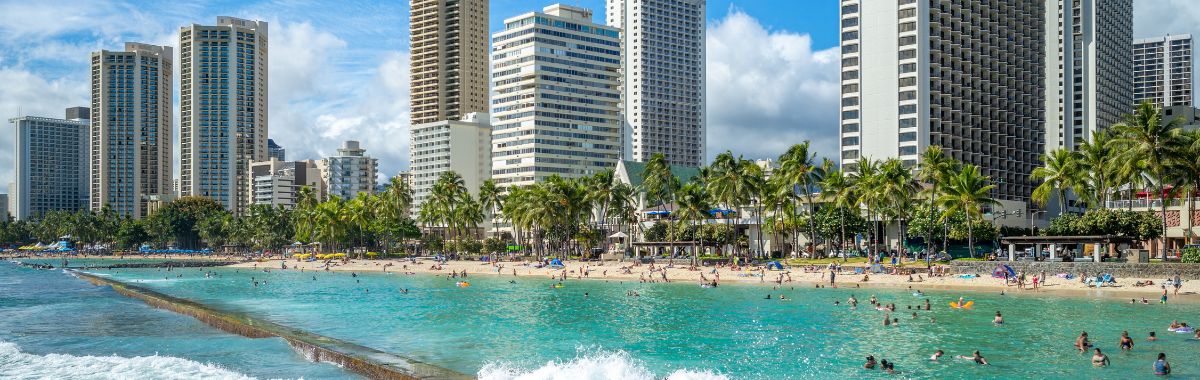
Honolulu places near the top of U.S. destinations on the Winter Sun Index, at 7.79 average winter sunshine hours, identifying it as one of the sunniest winter locations in the United States. Honolulu’s location within the Pacific tropics supports warm temperatures across late winter, giving travelers access to sunlight during months when much of the country experiences cooler and darker conditions.
Honolulu’s beaches provide fantastic options for sun exposure in open-air settings. Waikiki Beach offers calm swimming water, consistent breezes, and walking areas along its shoreline. Travelers also explore the volcanic landscapes at Diamond Head State Monument, where a morning hike brings views of the Pacific Ocean under steady sunlight typical of late winter months. These natural features support outdoor activity during hours when winter sunlight at home may be more limited. Cultural experiences add depth to a Honolulu itinerary.
Buenos Aires
Highest Global Winter Sunshine Hours(Winter Sun Index 10.76)
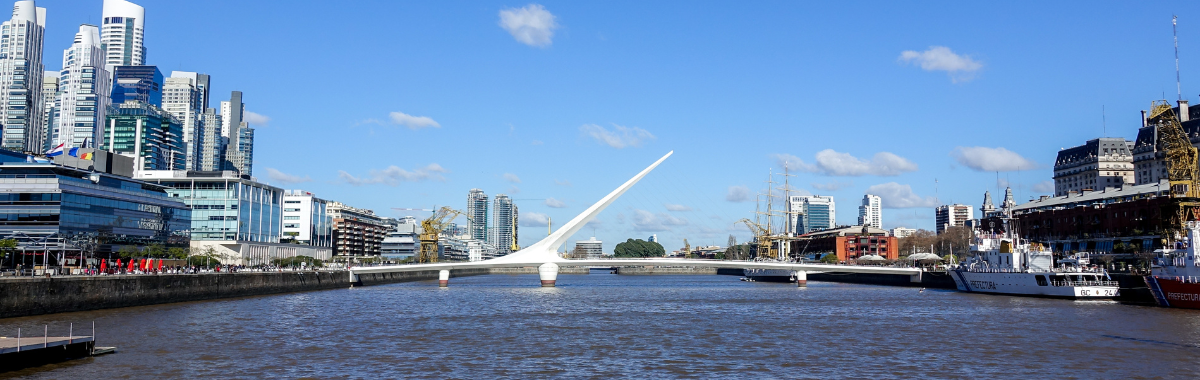
Buenos Aires ranks as the top global winter sun destination in the Winter Sun Index. The study identifies it as the leading location for winter sunlight, with 10.76 average hours of daylight during the winter period. Its position in the Southern Hemisphere aligns its warm season with the Northern Hemisphere’s late winter, supporting consistently bright days during months when travelers often seek extended sunlight.
Travelers spending time outdoors in Buenos Aires find numerous districts designed for open‑air exploration under long daylight hours. Palermo’s expansive parks, including Parque Tres de Febrero, offer lakeside paths, rose gardens, and wide lawns exposed to steady sunlight. The Rosedal, located within the park system, provides reflective water features and walking bridges that remain illuminated throughout the day. These outdoor spaces create opportunities to enjoy warm air, sunlight, and views that remain present across the season.
Historic districts also offer outdoor cultural experiences supported by the city’s extended daylight. Recoleta’s tree‑lined avenues lead to outdoor plazas and landmark buildings surrounded by open courtyards. The Recoleta Cultural Center and the surrounding market area include open‑air browsing and outdoor seating that remain bright into the afternoon.
In San Telmo, cobblestone streets and plazas such as Plaza Dorrego support outdoor markets and local shops.
Phoenix, Arizona
Tied for first U.S. Sunniest Destination (Winter Sunshine Hours 8.66)
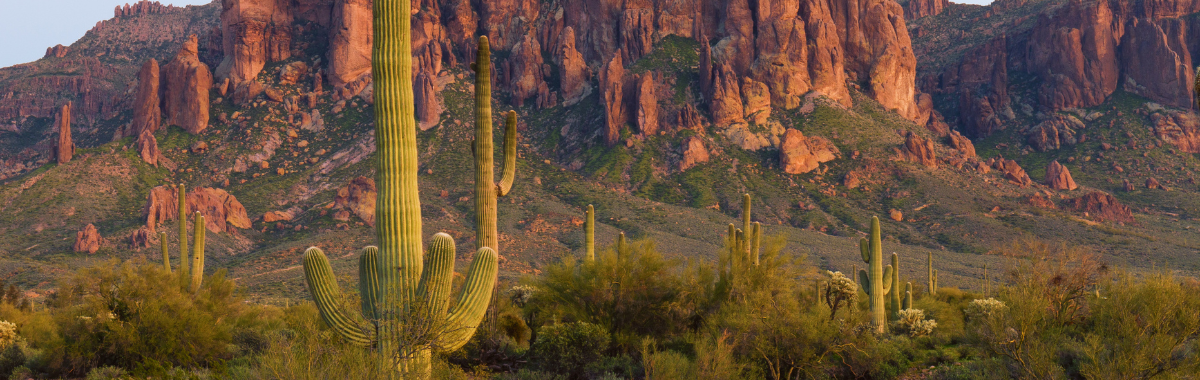
Phoenix ties for first place ranking among U.S. destinations in the Winter Sun Index against Tempe Arizona. Arizona’s desert climate delivers steady sunlight throughout late winter, making the region one of the most reliable places in the country for clear skies during this season.
Phoenix’s outdoor recreation areas provide visitors with opportunities to enjoy extended daylight hours. Camelback Mountain and South Mountain Park and Preserve offer hiking trails with panoramic desert views. Papago Park provides scenic red rock formations for photography and walking paths ideal for daytime exploration.
Desert Botanical Garden highlights the region’s native plant life in an open-air environment where late-winter sun illuminates paths and desert vistas. Dining and entertainment districts such as Roosevelt Row offer shaded outdoor seating and open-air art installations. Baseball enthusiasts visit Phoenix during late winter for Major League Baseball’s
Santa Barbara, California
High Winter Sunlight Ranking (Winter Sunshine Hours 7.76)
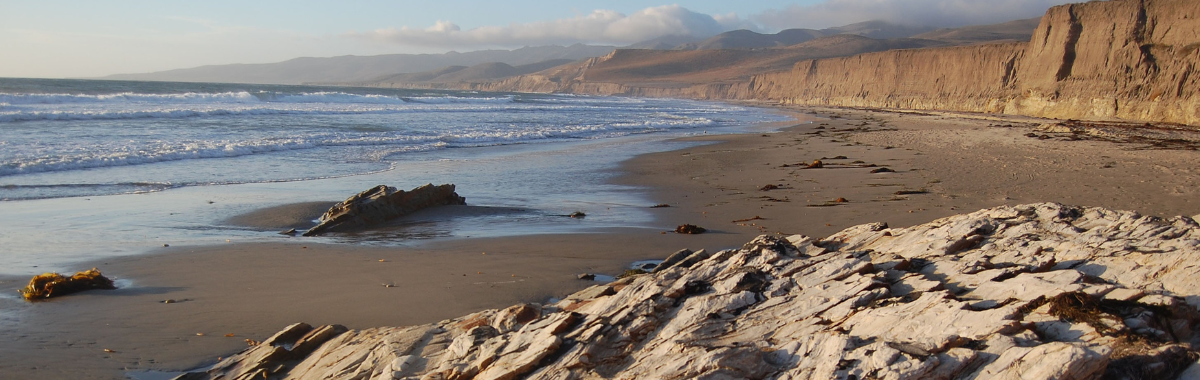
Santa Barbara appears in the Winter Sun Index with 7.76 average hours of sunlight, placing the city among the brighter U.S. destinations evaluated in the report. Its coastal Mediterranean climate supports mild temperatures and extended daylight during late winter, creating favorable conditions for outdoor activity and scenic exploration.
Beyond its well‑known oceanfront views, Santa Barbara offers numerous open‑air locations that take advantage of its seasonal sunlight. The Santa Barbara Waterfront and Cabrillo Boulevard provide long, sunlit paths for walking or biking beside the shoreline. Stearns Wharf offers ocean views, fresh air, and clear daylight that reflects across the water during the season’s bright afternoons. The nearby Funk Zone district features outdoor tasting patios, galleries, and local shops illuminated throughout the day.
Parks and natural areas remain active under Santa Barbara’s winter sunlight. Shoreline Park sits along a coastal bluff with open lawns and panoramic ocean views that remain bright during late‑morning and afternoon hours. The Santa Barbara Botanic Garden includes walking paths and native plant displays in an outdoor setting. Travelers visiting the area also explore the Douglas Family Preserve, an open-space coastal park offering trails and lookouts exposed to steady natural light.
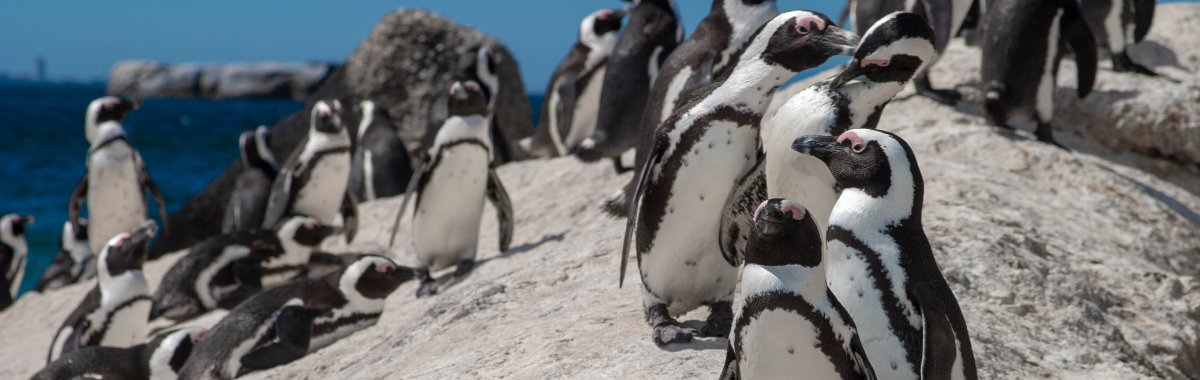
Cape Town, South Africa
High Global Ranking in the Winter Sun Index (Winter Sunshine Hours 10.22)
Cape Town receives strong winter sunlight in the Winter Sun Index, with 10.22 average hours of daylight during the evaluated period. Its Southern Hemisphere location aligns late-winter travel with warm seasonal weather, supporting clear skies and extended bright conditions ideal for exploring outdoor attractions.
Travelers visiting Cape Town engage with natural landmarks illuminated throughout the day. Table Mountain National Park provides open-air hiking routes and panoramic viewpoints where sunlight highlights the city, coastline, and surrounding cliffs. Nearby Signal Hill offers elevated views of the Atlantic under warm daylight conditions documented in the Winter Sun Index. Along the coast, Clifton Beach and Camps Bay remain active throughout the afternoon, offering sandy shorelines and oceanfront walkways exposed to steady sunlight.
Historic and cultural districts benefit from the city’s bright seasonal weather. The Victoria & Alfred Waterfront features open-air promenades, harbor views, and outdoor dining surrounded by maritime architecture. Greenmarket Square, one of Cape Town’s oldest public plazas, hosts local vendors and outdoor craft displays that remain illuminated throughout much of the day. The Company’s Garden offers tree-lined paths, lawns, and historic buildings in a city-center park setting supported by abundant seasonal sunlight.
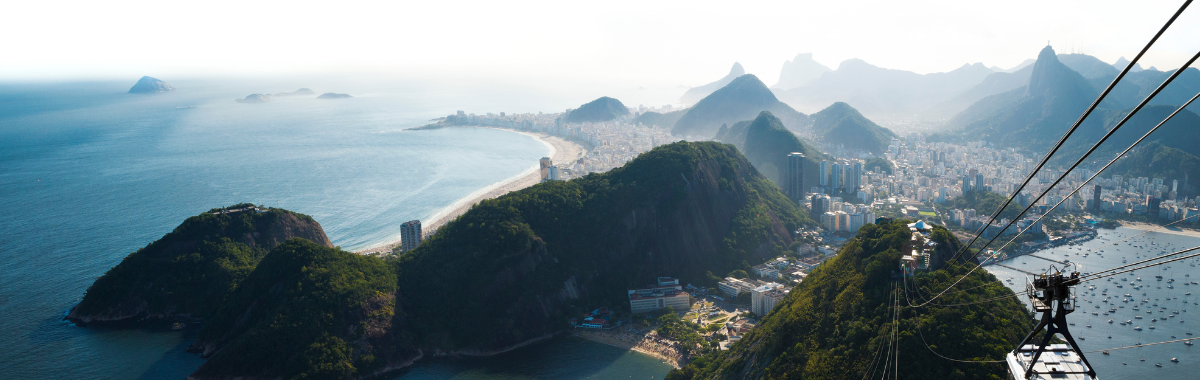
Rio de Janeiro, Brazil
Strong Winter Sunlight Performance (Winter Sunshine Hours 9.31)
Rio de Janeiro ranks high in the Winter Sun Index with 9.31 average hours of sunlight, placing it among the brighter global destinations included in the report. Its tropical latitude supports extended daylight and warm temperatures during the Northern Hemisphere’s late winter, offering an environment suited for outdoor activity and coastal exploration.
The city’s iconic landmarks remain illuminated throughout most of the day. Cristo Redentor (Christ the Redeemer) sits atop Corcovado Mountain with wide-open viewing platforms exposed to long hours of natural light. The summit of Sugarloaf Mountain presents views across Guanabara Bay and Copacabana Beach under bright conditions typical of the season. These elevated locations offer extended daytime visibility across Rio’s coastal landscape.
Coastal areas provide additional sunlit experiences. Copacabana and Ipanema beaches remain active with visitors walking along beachfront promenades or enjoying open stretches of sand throughout late-morning and afternoon. The Rodrigo de Freitas Lagoon offers outdoor trails and waterfront views surrounded by open-air recreational areas exposed to the sunlight levels recognized in the Winter Sun Index.
How Travel Protection Supports Winter Sun Travelers
Late-winter travel involves a unique set of challenges. Weather issues in a traveler’s home region or connecting airport may impact flights even when the final destination experiences bright sunshine. International trips introduce additional considerations such as healthcare access and multi-leg itineraries. Travel protection from Generali Global Assistance offers several benefits that support travelers during these situations.
Trip Cancellation benefits support travelers facing covered unforeseen events before departure, such as sickness or injury. Trip Interruption benefits may help support travelers already on their trip and is designed to help reimburse unused prepaid expenses if they experience a covered event.
Medical emergencies that occur during a trip are supported through Medical and Dental coverage, which ranges from $50,000-$250,000 per person depending on the plan purchased.
These benefits offer support and resources for travelers visiting sunny destinations and engaging in outdoor activities under abundant seasonal sunlight.
A Bright Late-Winter Escape Awaits
Sun‑filled destinations across the United States and around the world offer opportunities to enjoy bright skies, warm temperatures, and outdoor adventures during late winter. These destinations provide inviting weather and extended daylight that may help travelers make the most of the season.
If you're considering a late‑winter getaway, getting a Travel Protection Plan from Generali Global Assistance may help support your travels from assistance with Trip Cancellation to emergency Medical and Dental needs if all plan conditions are met.
Get a fast and free quote today.
Travel Resources
See All

10872502604

Average Customer Rating:

Thank you for visiting csatravelprotection.com