Traveling Through Viking History: A Journey Across Scandinavia
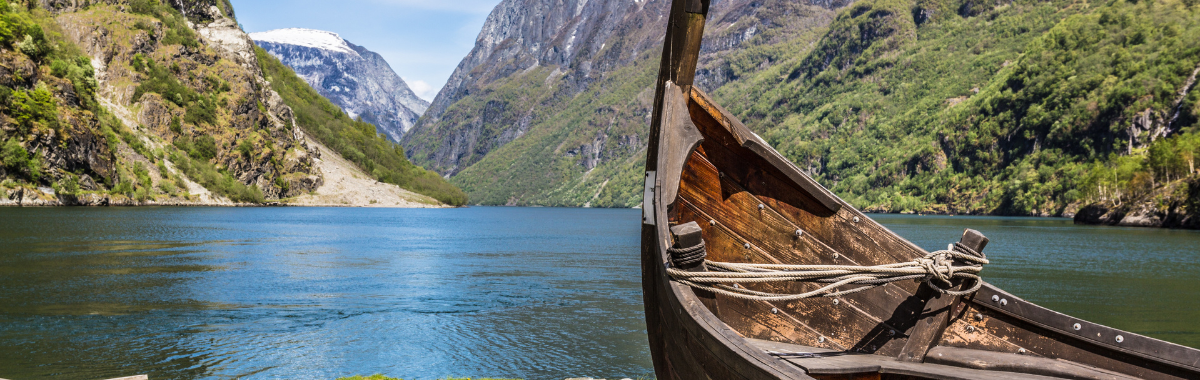
Key Takeaways
- Long‑haul flights place unique physical demands on the body, but thoughtful movement, hydration, and sleep strategies support comfort and recovery.
- Smart booking decisions, seat choices, and pacing help travelers reduce soreness, stiffness, motion sensitivity, and jet lag.
- Travel protection provides support when health‑related travel disruptions, medical needs, or unexpected delays occur far from home.
Long‑haul trips open the door to meaningful experiences, global connections, and extended travel opportunities. At the same time, spending many consecutive hours in a pressurized cabin or a cramped packed car introduces challenges that the body does not typically encounter in everyday life. Limited mobility, disrupted sleep cycles, dry air, and time zone changes combine to create physical strain that often surfaces during or after arrival.
Staying well during extended flights involves more than a single strategy. Health‑minded travelers benefit from planning across the entire journey, beginning with how a flight is booked, continuing through in‑flight habits, and extending into arrival and recovery. Thoughtful preparation supports circulation, digestion, sleep quality, and overall comfort while reducing the likelihood of soreness, motion sensitivity, or lingering fatigue.
The following guidance explores practical ways to support well‑being before, during, and after long‑haul flights, with an emphasis on movement, accommodation choices, scheduling, and health‑aware planning.
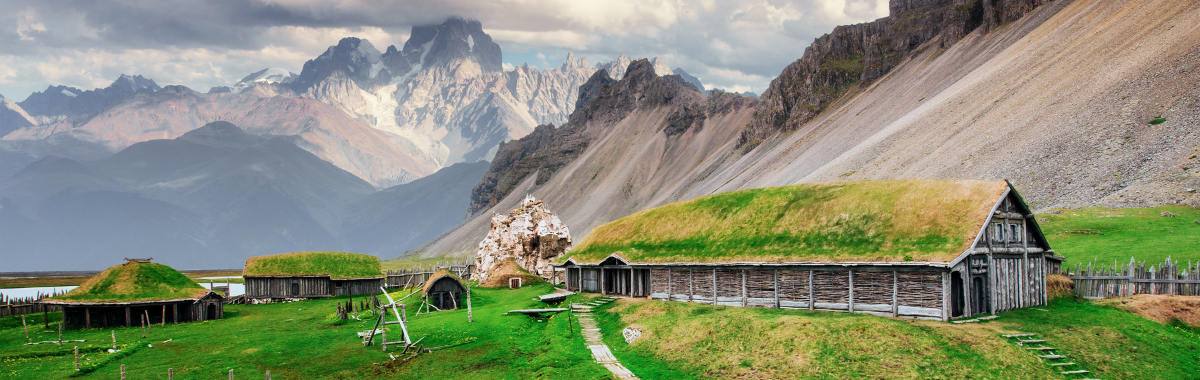
Denmark: The Heart of Viking Power and Kingship
Denmark is often described as a political and cultural center of the Viking world, particularly during the height of Viking expansion. The country’s relatively flat terrain, extensive coastline, and strategic position between the North Sea and the Baltic Sea supported trade, shipbuilding, and military organization. Danish kings played a central role in Viking raids and settlements across England and continental Europe, and many of the most significant archaeological discoveries related to Viking governance and daily life are located here.
One of Denmark’s most important Viking‑era landmarks is Jelling, a UNESCO World Heritage Site. The Jelling stones, erected in the 10th century, are frequently referred to as Denmark’s “birth certificate.” These massive rune stones were commissioned by King Gorm the Old and his son Harald Bluetooth and mark the transition from pagan Norse beliefs to Christianity. The site includes burial mounds, a modern interpretation center, and the original stones protected indoors for preservation.
Roskilde, located west of Copenhagen, serves as another cornerstone of Viking history in Denmark. The Viking Ship Museum in Roskilde displays five original Viking ships recovered from the Roskilde Fjord, intentionally sunk in the 11th century to block naval access. These vessels offer insight into shipbuilding techniques, trade routes, and warfare strategies. The museum also maintains reconstructed ships that demonstrate traditional sailing methods, reinforcing the importance of maritime skill in Viking society.
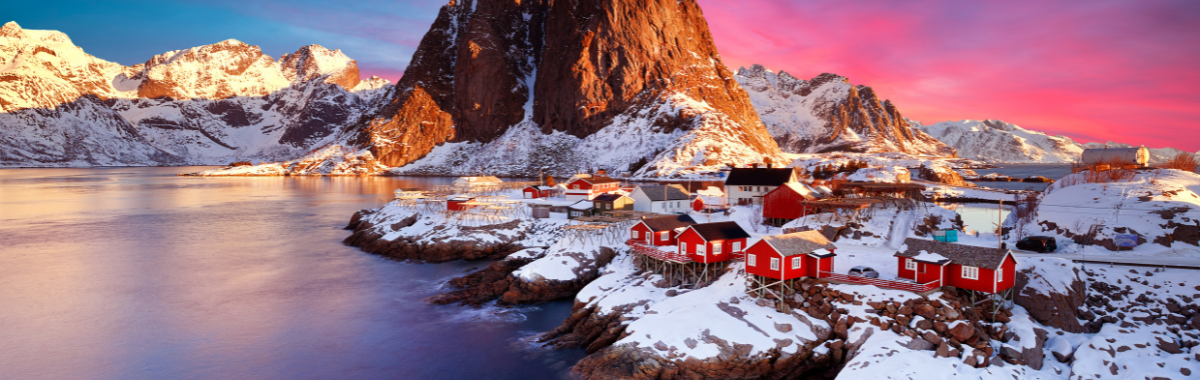
Norway: Fjords, Seafaring, and the Spirit of Exploration
Norway’s dramatic geography—marked by deep fjords, rugged coastlines, and mountainous terrain—shaped a Viking culture closely tied to the sea. Norwegian Vikings are often associated with long‑distance exploration, including settlement in Iceland, Greenland, and brief contact with North America. The physical demands of Norway’s environment fostered advanced shipbuilding and navigation skills that supported these voyages.
Oslo serves as a primary gateway to Norway’s Viking history. The Viking Ship Museum, now part of the Museum of the Viking Age, houses some of the best‑preserved Viking ships ever discovered, including the Oseberg and Gokstad ships. These burial ships reveal details about social hierarchy, craftsmanship, and burial practices, as they were interred with tools, textiles, and ornamental carvings.
In western Norway, the city of Bergen reflects Viking‑era trade networks and seafaring culture. While much of Bergen’s current architecture dates to the medieval and Hanseatic periods, the surrounding region was integral to Viking maritime routes along the North Atlantic. Nearby coastal settlements and archaeological sites illustrate how Vikings balanced farming, fishing, and trade within challenging terrain.
The Lofoten Islands provide another powerful connection to Norway’s Viking past. At the Lofotr Viking Museum in Borg, travelers encounter a reconstructed chieftain’s longhouse built on the site of the largest Viking‑era building ever found. Excavations revealed evidence of feasting, governance, and craftsmanship, highlighting the role of regional leaders in maintaining social order.
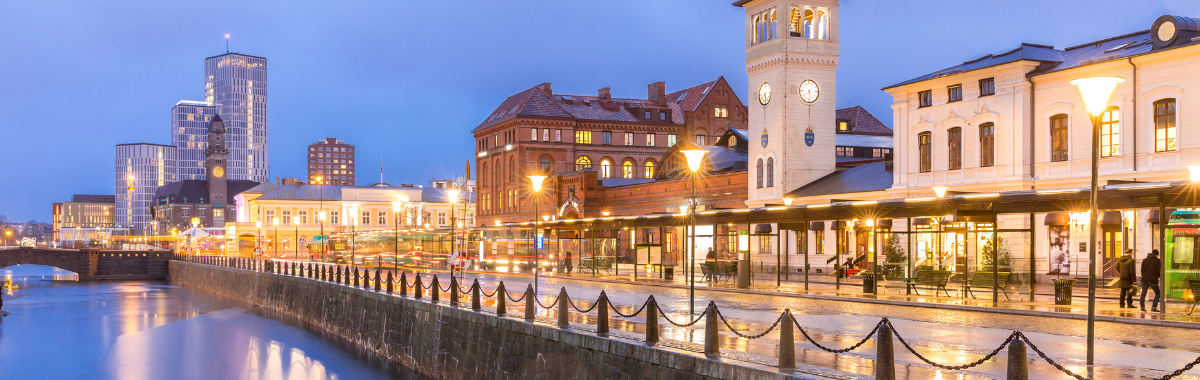
Sweden: Trade, Craftsmanship, and Everyday Viking Life
Sweden’s Viking heritage emphasizes trade, craftsmanship, and settlement rather than large‑scale raiding. Swedish Vikings, often referred to as Varangians, traveled eastward along river systems through modern‑day Russia and Ukraine, establishing trade routes that connected Scandinavia to the Byzantine Empire and the Islamic world. This east‑west exchange influenced material culture, coinage, and artistic styles found in Swedish archaeological sites.
Stockholm is a central hub for exploring Sweden’s Viking past. The Swedish History Museum houses one of the world’s largest Viking exhibitions, featuring artifacts such as weapons, jewelry, tools, and thousands of silver coins from international trade. The museum places particular emphasis on daily life, belief systems, and social structures.
Gamla Uppsala, located north of Stockholm, stands as one of Sweden’s most significant Viking‑era sites. Ancient burial mounds, believed to be the resting places of kings and legendary figures, dominate the landscape. Historical sources and archaeological findings suggest Gamla Uppsala functioned as a religious and political center, where rituals and assemblies reinforced communal identity.
Runestones scattered across the Swedish countryside provide insight into Viking language, family ties, and travel. These carved stones often commemorate individuals who journeyed abroad, reflecting the mobility and interconnectedness of Viking society.

Ancestry Travel: Exploring Personal Connections to the Viking World
For travelers with ties to Viking or Norse ancestry, visiting Scandinavia offers more than historical interest; it becomes an exploration of personal heritage. Genealogical research, combined with travel to ancestral regions, transforms museums and archaeological sites into meaningful points of connection rather than abstract history.
Modern DNA testing and archival research have made it easier for individuals to trace Scandinavian roots. National archives, church records, and local history centers across Denmark, Norway, and Sweden support ancestry research, providing context for family names, migration patterns, and regional identities.
Ancestry‑focused travel often includes visits to rural areas, historic churches, and regional museums that document local life across centuries. These destinations may fall outside major tourist routes, requiring careful planning and flexible itineraries. Travel protection becomes a practical consideration for travelers coordinating multiple locations, seasonal schedules, and international research appointments.
Also Read: Ancestry Travel Exploring the Places That Shaped Your Family Story
Practical Considerations for Viking‑Focused Travel
Scandinavia’s reputation for efficiency and accessibility supports travelers interested in Viking history, yet distances, seasonal weather, and regional transportation still influence trip planning. Summer months provide longer daylight hours and easier access to outdoor sites, while shoulder seasons offer fewer crowds at major museums.
Accommodation options range from city hotels near national museums to countryside guesthouses close to archaeological sites. Booking flexibility is often valued by travelers balancing historical exploration with modern sightseeing. Travel protection from Generali Global Assistance provides Concierge Services that help support travel plans from dinner reservation, activities in the area, and even lodging.
Bringing Viking History Into a Modern Travel Experience
A Viking journey through Scandinavia blends education, landscape, and cultural immersion. Denmark highlights political power and kingship, Norway showcases maritime skill and exploration, and Sweden emphasizes trade and everyday life. Together, these perspectives create a fuller understanding of Viking society beyond popular myths.
For travelers with Norse ancestry, the journey becomes deeply personal, connecting family history to physical places and historical narratives. For others, it offers a chance to engage with one of Europe’s most influential cultures through well‑preserved sites and thoughtful interpretation.
While Viking travel centers on history and discovery, modern travel planning still involves logistics and preparation. Travel protection is designed to provide support alongside these experiences, addressing practical considerations that may arise such as:
- Travel Delay
- Baggage Coverage
- Medical and Dental Coverage
- Optional Rental Car coverage*
- Trip Interruption and Trip Cancellation
Ready to start planning a journey into Viking history?
Get a fast and free quote for travel protection before exploring Denmark, Norway, Sweden, and more.
Travel Resources
See All

10872502605
*Disclaimers
Rental Car Coverage not available for residents of Texas and only included in the Premium Plan

Average Customer Rating:

Thank you for visiting csatravelprotection.com