The Ultimate Texas Food Guide: 9 Cities, 24 Must-Try Restaurants, and What to Eat in Each
Key Takeaways
- Texas food culture reflects distinct regional identities, with each city offering signature dishes rooted in history, geography, and cultural influence.
- Iconic restaurants across the state—from historic barbecue smokehouses to Gulf Coast seafood institutions—define what to eat and where to go.
- Pairing food experiences with nearby landmarks creates a richer travel itinerary, especially across a state as vast as Texas.
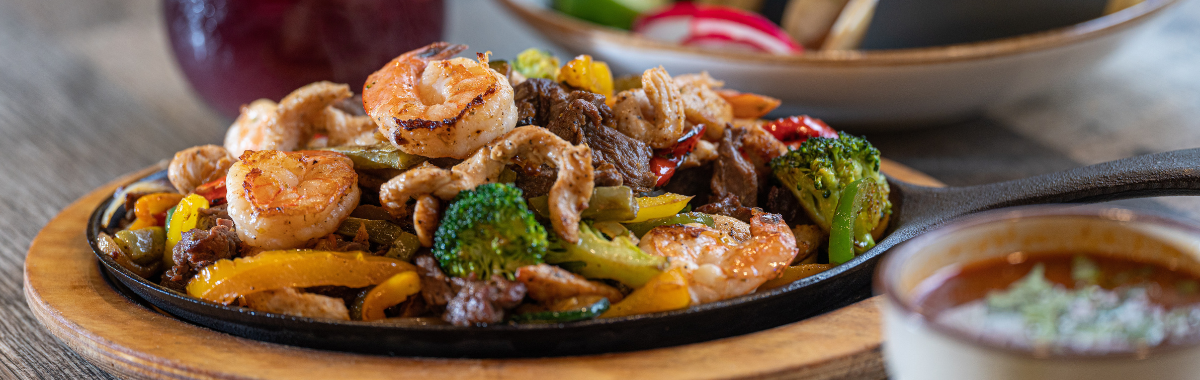
Texas delivers one of the most diverse culinary landscapes in the United States. From the smoke-filled barbecue pits of Central Texas to the spice-forward Tex-Mex plates in San Antonio and the Gulf-fresh seafood along the coast, each region offers a completely different perspective on what Texas cuisine represents.
Food culture across the state ties directly to local identity. Cities are not just known for attractions or history—they are known for specific dishes, cooking techniques, and restaurants that have shaped their reputations. Building a food-focused itinerary through Texas means following those culinary traditions while experiencing the places that influence them.
Austin: Barbecue Culture and Creative Energy
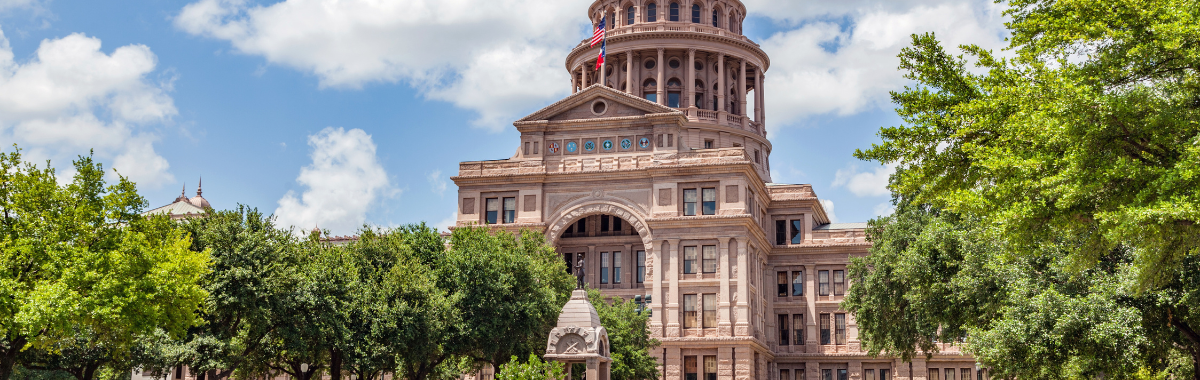
Austin’s food identity reflects both tradition and experimentation. The city’s laid-back atmosphere, live music scene, and outdoor lifestyle create an environment where barbecue remains rooted in history while newer concepts push the cuisine forward.
Walking through neighborhoods like East Austin or South Congress places travelers near food trucks, craft breweries, and some of the most recognized barbecue restaurants in the country. The smells of post oak smoke drift through the air, especially in the morning hours when smokers are already working.
What to Eat in Austin
- Central Texas brisket with salt-and-pepper seasoning
- House-made sausage
- Breakfast tacos
Where to Eat
Franklin Barbecue represents the standard for Texas brisket. Known for long lines that begin early in the morning, the experience of waiting becomes part of the visit. Once inside, the focus shifts entirely to the meat—served on butcher paper, sliced to order, and measured by weight.
- Signature dish: Brisket with a thick bark and tender interior
- Experience: Communal seating and a stripped-down menu that prioritizes quality
Micklethwait Craft Meats
A short distance away, Micklethwait provides a slightly more relaxed environment while still delivering high-level barbecue. The outdoor seating and trailer-style setup fit naturally into Austin’s food truck culture.
- Signature dish: Jalapeño cheddar sausage
- Experience: Combines barbecue traditions with chef-driven sides like lemon poppy slaw
What to Do While You Eat
Dining in Austin often connects directly to outdoor activity and music culture. After barbecue, visitors head toward Lady Bird Lake for walking trails that cut through the city or spend time browsing vintage shops along South Congress. The rhythm of live music venues nearby adds another layer to the food experience, especially in the evenings.
Also Read: A Deep Dive Into Austin, Texas
Houston: Global Culinary Influence in a Modern Metropolis
Houston’s food scene reflects one of the most culturally diverse populations in the United States. Entire neighborhoods are built around specific cuisines, creating a city where travelers move from Tex-Mex to Vietnamese to Nigerian food within a single day.
What to Eat in Houston
- Viet-Cajun crawfish
- Tex-Mex enchiladas
- International street food
Where to Eat
This restaurant helped define the Viet-Cajun movement—a fusion that blends Vietnamese spices with Louisiana seafood traditions. Crawfish arrive drenched in garlic butter, with flavors layered through citrus, chili, and herbs.
- Signature dish: Viet-Cajun crawfish
- Experience: High-energy, casual dining with bold flavors
South x Saigon reflects a newer generation of Houston restaurants that build on fusion cuisine. Dishes combine traditional Vietnamese foundations with Cajun-style seafood preparation.
- Signature dish: Seafood pan roast
- Experience: Contemporary take on Houston’s evolving food culture
What to Do While You Eat
Houston’s dining experiences are often connected with major attractions. Visits to the Space Center provide context for the city’s innovation, while the Museum District offers a quieter contrast to the city’s high-energy food scene. Exploring these areas between meals allows travelers to experience Houston beyond the table.
Also Read: BBQ Travel Guide
San Antonio: Tex-Mex Heritage and Historic Atmosphere
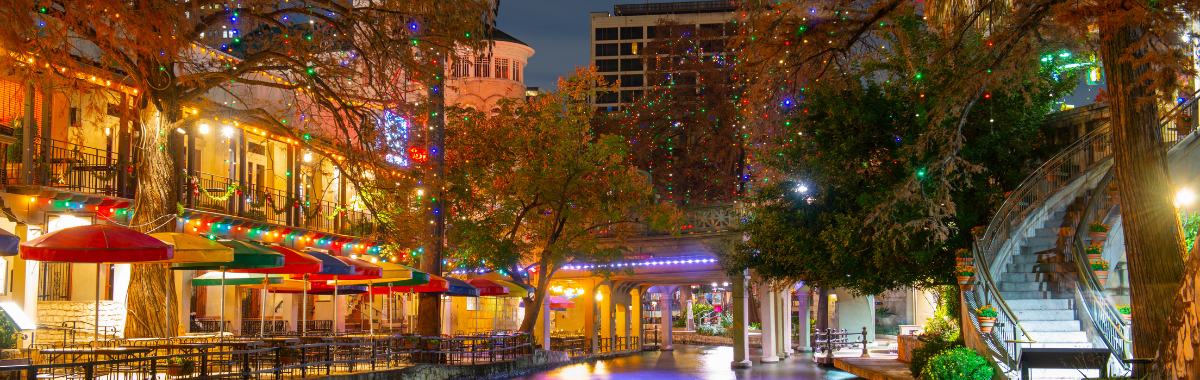
San Antonio blends deep cultural history with one of the most recognizable food identities in Texas. The River Walk, lined with restaurants and shaded walkways, creates an immersive environment where dining, architecture, and history converge.
What to Eat in San Antonio
- Puffy tacos
- Enchiladas with chili gravy
- Carne guisada
Where to Eat
This restaurant helped bring national attention to the puffy taco—a dish defined by its airy, fried shell that breaks apart easily while holding seasoned fillings.
- Signature dish: Chicken puffy taco
- Experience: Casual setting with strong ties to local tradition
Ray’s Drive Inn
Ray’s represents the historical roots of the puffy taco, offering a more straightforward, old-school dining experience.
- Signature dish: Classic picadillo puffy taco
- Experience: Minimalist setting focused entirely on the food
What to Do While You Eat
Dining in San Antonio naturally connects with visits to The Alamo and the historic missions. The River Walk creates a central food corridor, allowing travelers to transition between meals and sightseeing without leaving the heart of the city.
Dallas: Modern Dining and Refined Texas Flavors
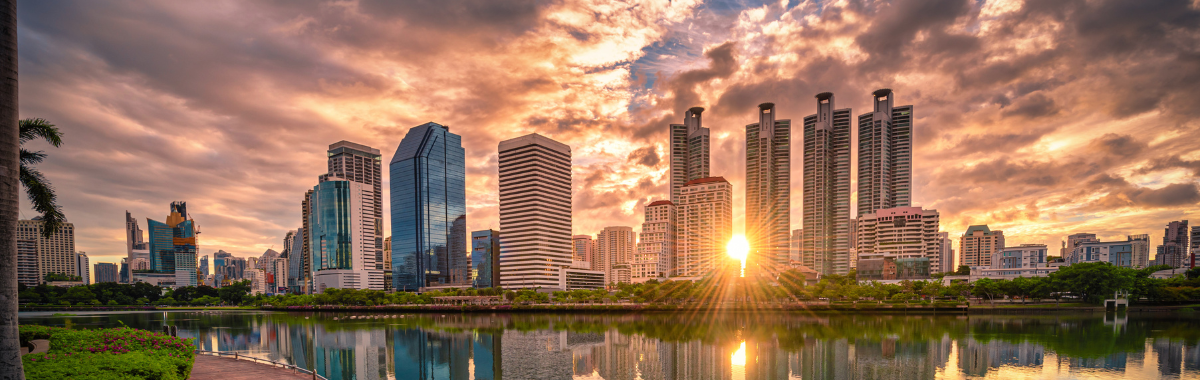
Dallas approaches food with a polished, metropolitan style. Restaurants focus on presentation and technique while maintaining strong ties to Texas traditions.
The city’s neighborhoods each offer a different dining environment, from upscale steakhouses downtown to creative brunch spots in Bishop Arts.
What to Eat in Dallas
- Dry-aged steak
- Elevated Southern comfort food
- Modern barbecue
Where to Eat
Pecan Lodge
Known for its smoked meats and long lines, Pecan Lodge balances traditional barbecue methods with premium ingredients.
- Signature dish: Beef ribs
- Experience: Industrial, high-volume dining with consistent quality
Knife
A modern steakhouse that focuses on dry-aging techniques and bold cuts of meat.
- Signature dish: Dry-aged ribeye
- Experience: Fine dining atmosphere rooted in Texas beef culture
What to Do While You Eat
The Dallas Arts District adds a cultural dimension to food experiences, while the Bishop Arts District provides walkable streets filled with restaurants and boutiques. The contrast between art and dining defines the city’s identity.
Fort Worth: Cowboy Culture and Traditional Plates
Fort Worth retains a strong connection to Texas ranching culture, and that influence carries into its food. Dining feels grounded in tradition, with menus that prioritize comfort and familiarity.
What to Eat
- Chicken-fried steak
- Barbecue
- Tex-Mex classics
Where to Eat
Heim Barbecue
Blends innovation with barbecue fundamentals.
- Signature dish: Bacon burnt ends
- Experience: Casual environment with bold flavors
Joe T. Garcia’s
A long-standing Tex-Mex institution with a patio setting that draws large crowds.
- Signature dish: Enchiladas
- Experience: Social, group-oriented dining
What to Do While You Eat
The Fort Worth Stockyards provide a historic backdrop where cattle drives and Western storefronts reinforce the city’s identity. Dining becomes part of that immersive experience.
Lockhart: Central Texas Barbecue Legacy
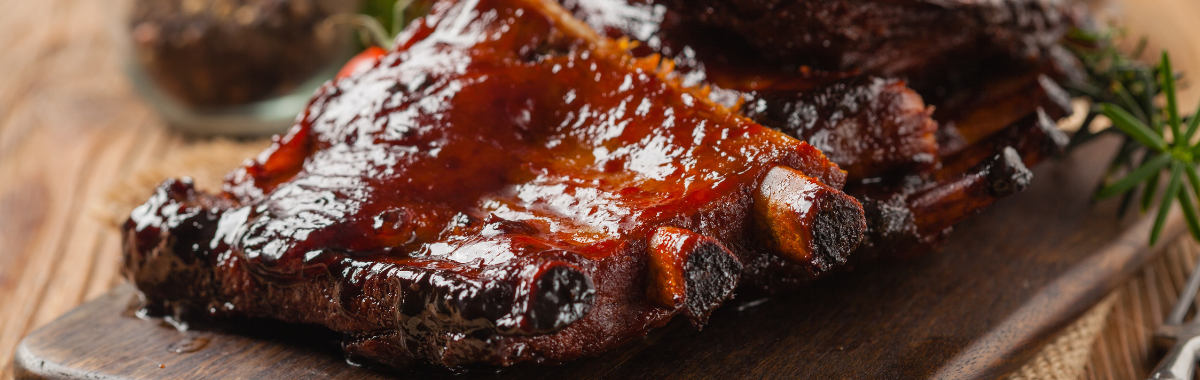
Lockhart focuses almost entirely on barbecue. The town’s smaller size allows its restaurants to define the destination itself.
What to Eat
- Brisket
- Sausage
- Pork ribs
Where to Eat
Operating for over a century, Kreuz Market represents one of the foundational experiences in Texas barbecue. The dining room features long tables and a direct ordering system designed around meat-first service.
- Signature dish: Sausage
- Experience: Historic, no-frills environment
Black’s Barbecue
Another legacy restaurant that remains family-operated.
- Signature dish: Beef ribs
- Experience: Generational expertise in barbecue preparation
What to Do While You Eat
The historic town square provides a quick visual connection to Texas history, with the courthouse serving as a focal point for visitors moving between restaurants.
Galveston: Gulf Coast Seafood and Beach Dining
Galveston’s location along the Gulf defines its entire food identity. Seafood arrives fresh, often within hours of being caught, and restaurants emphasize that proximity to the water.
What to Eat
- Fried shrimp
- Gulf oysters
- Red snapper
Where to Eat
Gaido’s
A long-standing seafood restaurant known for preparing classic Gulf dishes.
- Signature dish: Pecan-crusted fish
- Experience: Historic dining room with coastal focus
Miller’s Seawall Grill
A more casual option located directly along the water.
- Signature dish: Shrimp plates
- Experience: Relaxed environment with ocean views
What to Do While You Eat
The Seawall offers a continuous stretch of beach views, while The Strand district introduces historic architecture and shopping. Dining becomes part of a broader coastal experience.
Fredericksburg: German Heritage and Wine Culture
Fredericksburg’s culinary identity reflects its German roots and surrounding wine country.
Where to Eat
- Otto’s German Bistro
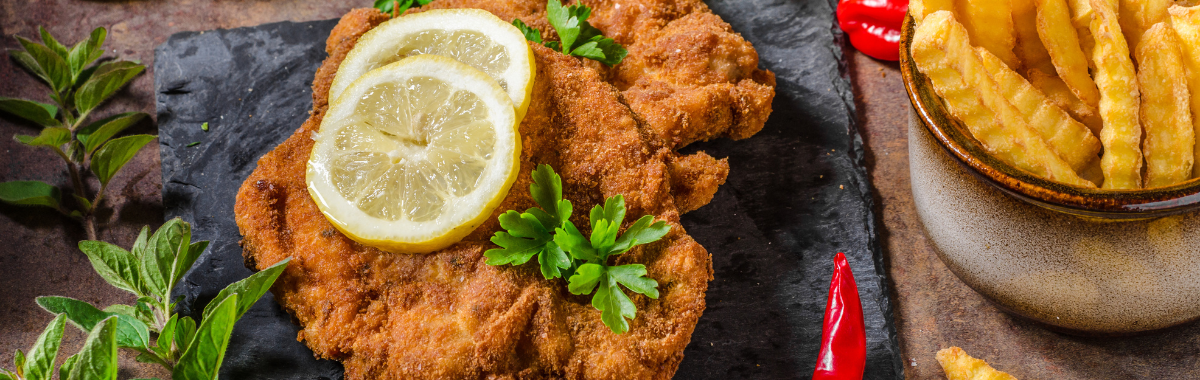
- Signature dish: Duck Schnitzel
- Alstadt Brewery
- Signature dish: Chicken Schnitzel
What to Do While You Eat
Wine tastings along Highway 290 and hikes at Enchanted Rock create a slower-paced experience centered around landscape and tradition.
Also Read: Traveling with Dietary Restrictions
El Paso: Border Cuisine and Authentic Flavor
El Paso’s location directly along the U.S.-Mexico border shapes its food scene.
Where to Eat
- L&J Café
- Signature dish: Green Chile Chicken Enchiladas
- Kiki’s Restaurant
- Signature dish: Beef Machaca Plate
What to Do While You Eat
The Franklin Mountains provide outdoor contrast to the city’s dense food culture, while the Mission Trail offers historical context.
Travel Planning Considerations for a Texas Food Trip
A Texas food journey extends beyond individual restaurants. Each city contributes a layered experience where cuisine connects directly to local culture, landmarks, and history.
Understanding where to eat—and what surrounds each stop—adds depth to the journey and highlights why Texas remains one of the most influential food destinations in the United States.
Travel protection options may include Trip Cancellation, Trip Interruption, and Travel Delay coverage, which helps provide financial protection for covered situations that impact pre-paid non-refundable reservations and travel plans.
Start planning a food-focused Texas trip today. Get a fast and free quote to explore travel protection options for your journey.
Frequently Asked Questions
What is the best route for a Texas food trip?
A route that connects Austin, Lockhart, San Antonio, Dallas, and Houston allows travelers to experience the most recognized regional cuisines.
What food is Texas best known for?
Texas is best known for barbecue, Tex-Mex, and Gulf seafood.
When is the best time to visit Texas for food?
Spring and fall provide milder weather and align with seasonal food events like crawfish season.
What makes Texas barbecue different from other regions?
Texas barbecue emphasizes beef, particularly brisket, and uses simple seasoning with slow smoking techniques.
Travel Resources
See All

10872502606

Average Customer Rating:

Thank you for visiting csatravelprotection.com