Things to Do in Svalbard, Norway: Why Travel Protection Matters in the High Arctic
Key Takeaways
- Svalbard offers rare Arctic experiences such as glacier exploration, wildlife encounters, and extreme seasonal light, shaped by one of the world’s most remote environments.
- Activities often take place far from population centers, with weather, terrain, and wildlife influencing daily logistics and safety considerations.
- Travel protection that includes both insurance and assistance services plays an important role when visiting remote regions where transportation disruptions, medical access, and emergency logistics differ from more accessible destinations.
Svalbard sits far beyond the well‑traveled corners of Norway, offering experiences shaped by isolation, scale, and environmental extremes. Located deep in the Arctic Ocean between mainland Norway and the North Pole, the archipelago is defined less by traditional sightseeing and more by immersive, nature‑driven activities that depend heavily on weather, season, and geography.
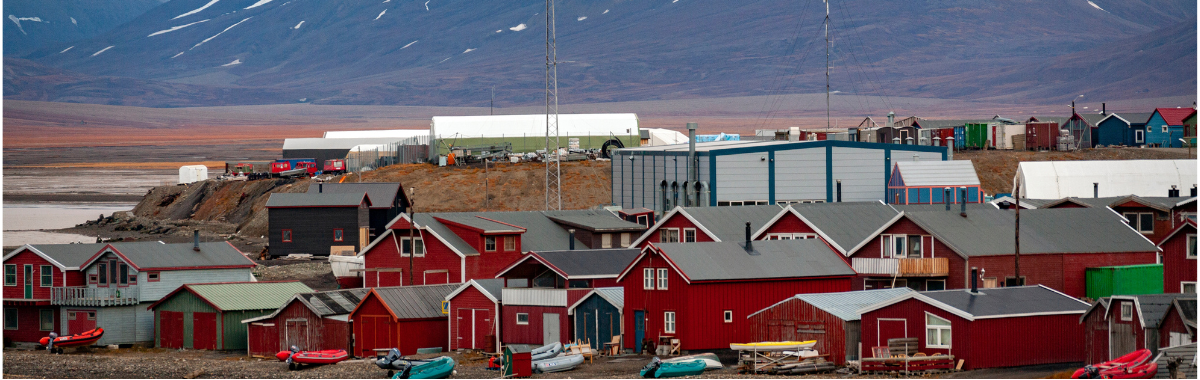
While Svalbard has a permanent population and modern infrastructure in its main settlement, Longyearbyen, most activities quickly move travelers beyond the town limits and into vast Arctic wilderness. Glaciers, fjords, tundra, and polar seas dominate the landscape, and encounters with wildlife are part of the reality rather than a curated experience. According to Encyclopaedia Britannica, nearly 60 percent of Svalbard is covered by glaciers, underscoring how much of the destination revolves around ice, terrain, and seasonal access.
Because of this remoteness, planning activities in Svalbard involves more variables than many destinations. Transportation schedules, weather shifts, safety regulations, and environmental protections influence how trips unfold. For travelers drawn to rare Arctic experiences, understanding what to do—and how travel protection may help support those plans—is a meaningful part of preparing for Svalbard.
Exploring Glaciers and Ice‑Dominated Landscapes
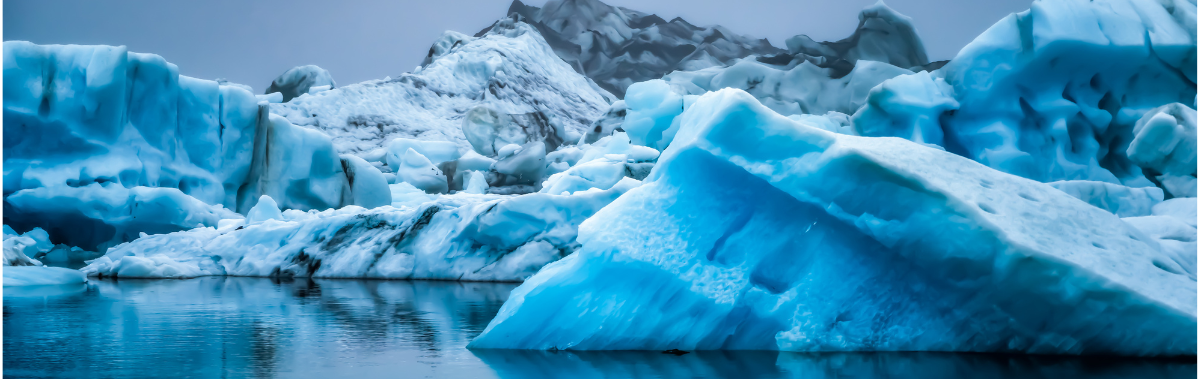
Glaciers are among the most defining features of Svalbard, shaping both its appearance and its activity options. Vast ice caps, valley glaciers, and frozen fjords form much of the terrain, particularly on the island of Spitsbergen, where most visitors begin their journey.
Guided glacier excursions allow travelers to move across ice formations that change seasonally. During Polar Summer, retreating snow reveals crevasses, meltwater channels, and exposed ice layers that provide insight into Arctic geology and climate history. In colder months, frozen surfaces alter travel routes and visibility, affecting how and where excursions take place.
Because glacier travel depends on conditions such as temperature, visibility, and ice stability, schedules are subject to change. Weather shifts may delay or shorten excursions, and access points may vary depending on seasonal melt or snowfall. In a destination where activities depend so heavily on environmental factors, travel protection that includes Trip Interruption or Travel Delay benefits may be relevant when plans change due to weather or transportation disruptions.
Wildlife Viewing in Polar Bear Territory
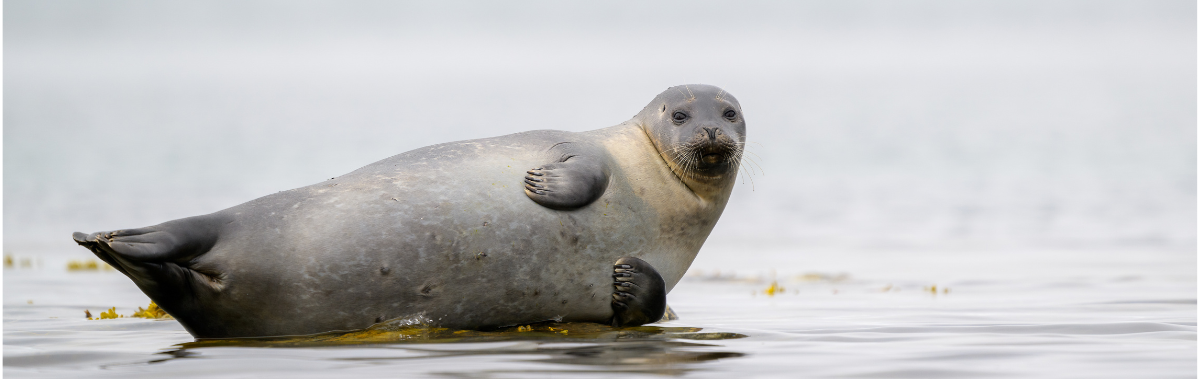
Wildlife observation is one of Svalbard’s most sought‑after experiences, but it differs significantly from wildlife tourism in more temperate regions. The archipelago is home to polar bears, Arctic foxes, Svalbard reindeer, walruses, seals, and large seabird colonies. These animals inhabit open landscapes rather than fenced reserves.
Visit Svalbard emphasizes that humans are visitors in the polar bear’s realm. Outside settlements, carrying protection against wildlife is mandatory, reflecting how closely human activity intersects with natural habitats. Guided excursions are designed around safety protocols and local regulations intended to reduce risk to both people and animals.
Wildlife encounters may take place by boat along fjords, across tundra landscapes, or from observation points near nesting areas during summer. Each setting introduces different logistical considerations, from sea conditions to visibility and distance from emergency services.
In destinations where wildlife presence affects movement and access, travel protection with Assistance Services and Emergency Evacuation benefits may support travelers if unexpected situations arise far from population centers.
Experiencing the Midnight Sun and Polar Night
Seasonal light defines daily life and activities in Svalbard. From mid‑May through late August, the Midnight Sun remains above the horizon around the clock. During this period, activities stretch beyond traditional schedules, with excursions often taking advantage of continuous daylight.
Hiking, photography, and boat trips take on a different rhythm when time is no longer dictated by sunrise and sunset. Extended daylight supports longer activity windows, but it also requires adaptation, as rest patterns and transportation schedules adjust to Arctic conditions.
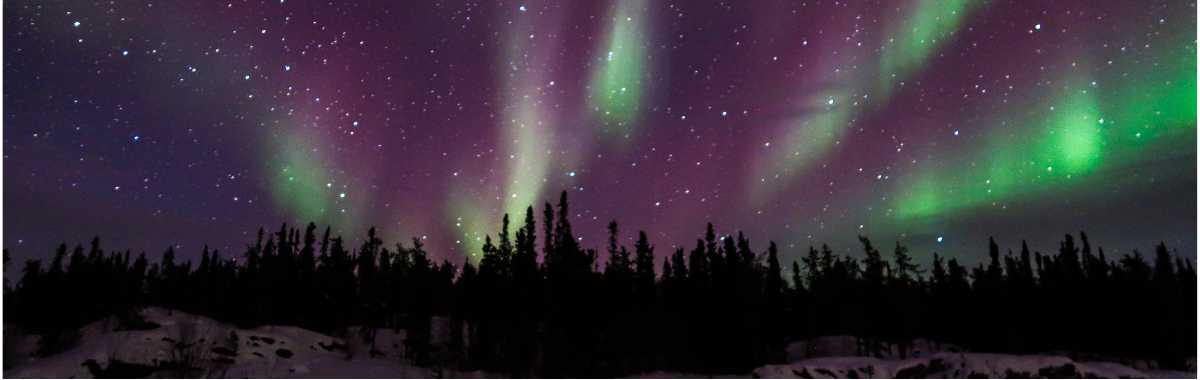
In contrast, winter introduces the Polar Night, when the sun remains below the horizon for extended periods. This season reshapes activities entirely. Darkness dominates the landscape, and experiences such as nighttime snowmobile travel or Northern Lights observation replace summer’s open‑terrain exploration.
Also Read: Ultimate Guide to the Best Northern Lights Travel Destinations
Boat Travel Through Arctic Fjords
Fjords carve deep into Svalbard’s coastline, offering access to glaciers, bird cliffs, and historic sites along the water’s edge. Boat travel plays a central role in exploring areas unreachable by land, particularly during ice‑free months.
Sea conditions vary widely based on weather, ice movement, and seasonal melt. Some fjords remain navigable for only part of the year, while others change day to day. Boat excursions often operate with flexible routes to accommodate ice conditions and wildlife activity.
Because Svalbard’s coastline lacks extensive ports or alternate landing sites, changes in sea conditions may affect departure times or destination access. Mechanical issues, weather shifts, or ice movement may result in delays or altered itineraries.
Hiking and Tundra Exploration in the Arctic Summer
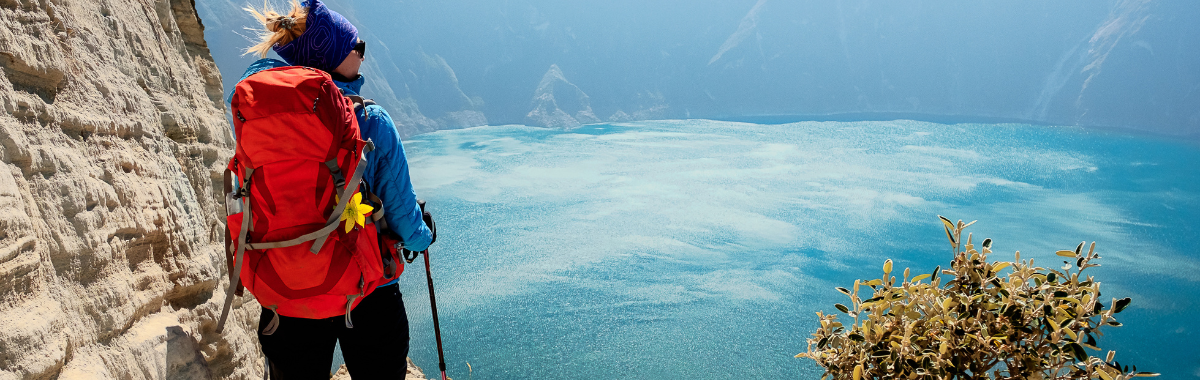
During Polar Summer, Svalbard’s tundra briefly transforms. Snow retreats, revealing mosses, grasses, and flowering plants adapted to short growing seasons. Hiking routes follow valleys, coastal plains, and elevated ridges, offering views of glaciers and fjords.
Hiking in Svalbard differs from hiking in more familiar environments. Trails are often informal, weather shifts occur quickly, and wildlife presence requires constant awareness. Guided hikes are common, reflecting safety requirements and environmental protections.
Terrain conditions change rapidly depending on temperature and precipitation. Meltwater may flood low‑lying areas, while fog or sudden storms affect visibility. These factors influence route planning and timing.
In remote hiking environments, travel protection that includes Medical and Dental coverage and Emergency Assistance and Transportation coverage is designed to help support travelers if illness or injury occurs far from medical facilities.
Snowmobile Travel Across Frozen Landscapes
Snowmobiling is a primary mode of winter transportation in Svalbard, connecting settlements and opening access to frozen valleys, fjords, and mountain passes. During Sunny Winter, snowmobile routes extend across ice‑covered terrain, allowing exploration of areas inaccessible by foot or boat.
These journeys involve long distances, exposure to cold temperatures, and navigation across changing snow and ice conditions. Mechanical issues, weather changes, or route closures may affect planned travel.
Snowmobile excursions illustrate how activities in Svalbard often double as transportation rather than purely recreational outings. The distance from infrastructure underscores why emergency planning plays a central role in Arctic travel.
Also Read: Beating the Heat with a ‘Coolcation’
Visiting Historic and Abandoned Settlements
Svalbard’s human history is closely tied to exploration, whaling, and mining. Several former settlements remain accessible, offering insight into how people once lived and worked in the High Arctic.
Pyramiden, an abandoned Soviet‑era mining town, stands preserved by Arctic conditions. Buildings, cultural centers, and industrial structures remain largely intact, creating a unique historical landscape surrounded by wilderness.
Barentsburg, a still‑active Russian mining community, presents a contrast to Longyearbyen, with distinct cultural and architectural influences. Visiting these settlements often requires boat travel or guided excursions.
Access depends on weather, sea conditions, and local regulations. Because transportation to these sites involves limited routes, schedule changes may occur.
Learning Through Arctic Science and Research Centers
Svalbard plays a major role in global Arctic research. Ny‑Ålesund, one of the northernmost research settlements in the world, hosts scientists studying climate, atmospheric conditions, and environmental change.
While access to research stations is regulated, guided visits or educational programs provide insight into how science operates in extreme environments. These experiences highlight why Svalbard is often described as a living laboratory for climate research.
Scientific activity reinforces the region’s vulnerability to environmental change and the importance of strict conservation policies. Visitors are expected to follow guidelines that protect sensitive ecosystems.
Dining and Culture in Longyearbyen
Despite its remote location, Longyearbyen supports a range of cultural and dining experiences shaped by its international population. Restaurants, museums, and community events reflect the town’s role as a logistical hub for tourism, research, and Arctic operations.
Cultural attractions, such as the Svalbard Museum, provide context for the archipelago’s natural and human history. Exhibits focus on exploration, wildlife, and industrial development, connecting daily life to broader Arctic narratives.
Why Travel Protection Is Especially Relevant in Svalbard
Svalbard’s remoteness shapes every aspect of travel, from activity planning to emergency response. Medical facilities are limited, and serious medical situations may require evacuation to mainland Norway. Transportation options are fewer than in more accessible destinations, and weather plays a central role in daily operations.
Travel protection plans that include coverage and services such as:
- Medical and Dental
- Emergency Assistance & Transportation
- Trip Cancellation
- Trip Interruption
- 24/7 Assistance Services
align with the realities of visiting a remote Arctic destination. These benefits address scenarios related to health, transportation disruption, and logistical challenges that differ from travel in urban or temperate regions.
Understanding how travel protection interacts with remote travel helps travelers make informed decisions before departure.
Planning Activities With Seasonality in Mind
Svalbard’s activities change dramatically with the seasons. Summer emphasizes boat travel, hiking, and wildlife viewing, while winter focuses on snowmobiles, Northern Lights experiences, and frozen terrain exploration.
Because seasons dictate access, travelers often plan months in advance while remaining flexible. Weather shifts, ice conditions, and daylight influence what activities operate on any given day.
Travel protection supports this flexibility by addressing unexpected changes tied to environmental conditions. In destinations where variability is the norm, this support becomes part of responsible trip planning.
Svalbard offers activities defined by scale, silence, and Arctic extremes rather than traditional sightseeing. From glaciers and wildlife to seasonal light and historic settlements, experiences unfold in a destination where nature sets the terms. Planning for those realities, including evaluating travel protection options, is part of preparing for one of the world’s most remote inhabited regions.
For travelers exploring destinations where distance and environment influence every detail, getting a fast and free travel protection quote is a practical next step before departure.
Frequently Asked Questions About Things to Do in Svalbard
What are the most popular activities in Svalbard?
Popular activities include glacier exploration, wildlife viewing, boat travel through fjords, hiking during Arctic summer, snowmobile travel in winter, and visiting historic settlements.
Do activities in Svalbard depend on the season?
Yes. Seasonal light, weather, and ice conditions strongly influence which activities are available and how they are scheduled throughout the year.
Why is travel protection important for Svalbard?
Svalbard’s remoteness, limited medical infrastructure, and weather‑dependent transportation make travel protection that includes both insurance and assistance services relevant when planning activities far from population centers.
Is Svalbard suitable for independent travel?
Many activities require guided participation due to safety regulations, wildlife presence, and environmental protections, particularly outside settlement areas.
Travel Resources
See All

10872502606

Average Customer Rating:

Thank you for visiting csatravelprotection.com