Solo Travel or Group Travel? Which Is Right for You?

Key Takeaways
- Solo travel continues to gain momentum, with search interest in "solo travel" reaching an all-time high in 2026.
- Group travel remains popular as travelers seek connection, shared experiences, and organized itineraries that simplify trip planning.
- The right choice depends on travel goals, budget, comfort level, and preferred travel style, while travel protection adds valuable support no matter which option is selected.
Travel planning often begins with a simple question: travel alone or join a group? While both styles offer memorable experiences, each delivers a very different type of journey. Recent travel trends suggest that travelers are increasingly embracing both independence and connection, sometimes even combining the two through guided tours designed for solo travelers.
According to Google's 2026 travel trends data, search interest in "solo travel" reached an all-time high, while searches for "travel groups" and "tour groups" also hit record highs. That combination reveals an interesting shift in traveler behavior. People want the freedom to travel on their own terms, yet many still value opportunities to meet others along the way.
For travelers weighing their options, understanding the advantages and challenges of both approaches helps determine which style aligns best with personal goals, interests, and comfort levels.

Why Solo Travel Is Having a Moment
The growth of solo travel is difficult to ignore. Google's travel trend data found that interest in solo travel reached record levels in 2026, with searches related to women traveling alone also reaching a 15-year high.
This rise reflects a broader shift toward personalized travel experiences. Instead of coordinating schedules, interests, and budgets with others, solo travelers have the freedom to build trips entirely around their own priorities.
Whether that means spending a week exploring museums, hiking through national parks, relaxing on a beach, or immersing themselves in local culture, the itinerary belongs to one person.
Also Read: Solo Female Travel Guide
Benefits of Solo Travel
Solo travel offers several unique advantages:
- Total control over the itinerary
- Greater flexibility and spontaneity
- Opportunities for personal growth
- Freedom to pursue specific interests
- Easier decision-making throughout the trip
- Increased opportunities to meet locals and fellow travelers
Without the need to compromise, travelers often experience destinations more deeply and move at a pace that feels natural.

The Freedom Factor
One of the biggest attractions of solo travel is freedom.
A spontaneous day trip? No discussion required. A last-minute restaurant choice? No group consensus needed. An extra hour at a historic site? Entirely up to the traveler.
This level of independence appeals to travelers who prefer flexibility and enjoy following their instincts while exploring a destination.
Google's travel trend report also noted growing interest in "slow travel," a style focused on spending longer periods in one location rather than rushing through multiple destinations. Solo travel and slow travel frequently complement one another because travelers have complete authority over their schedules.
Instead of feeling pressured to keep up with a group, solo travelers often spend additional time discovering neighborhoods, local markets, cafes, and hidden attractions that might otherwise be overlooked.
Personal Growth Through Independent Travel
Many travelers describe solo journeys as transformative experiences.
Traveling independently often requires:
- Problem-solving
- Decision-making
- Adaptability
- Confidence-building
- Cultural awareness
Navigating unfamiliar transportation systems, communicating across language barriers, and managing travel logistics independently often strengthens self-reliance.
Industry reports have linked solo travel's popularity to travelers seeking experiences centered around personal development and self-discovery. For many people, the ability to challenge themselves while exploring new places becomes one of the most rewarding aspects of a trip.

Meeting People While Traveling Alone
A common misconception is that solo travel means spending a trip alone.
In reality, many solo travelers report meeting more people than they would while traveling with companions.
When travelers are not already immersed in a group, they are often more likely to:
- Strike up conversations with locals
- Join walking tours
- Participate in cooking classes
- Attend cultural events
- Connect with fellow travelers
Google's travel trends report suggests that travelers are increasingly looking for ways to combine independence with social opportunities, contributing to growth in both solo travel searches and group travel-related searches.

Challenges of Solo Travel
While solo travel offers numerous benefits, it also comes with considerations.
Costs May Be Higher
Traveling alone often means shouldering expenses independently.
Examples include:
- Hotel rooms
- Transportation
- Rental cars
- Private tours
Many travel expenses remain largely unchanged regardless of occupancy, which means solo travelers may not benefit from cost-sharing opportunities.
Planning Falls on One Person
From researching accommodations to booking transportation and building itineraries, all responsibilities fall on the traveler.
Some people enjoy this process, while others prefer having support from companions or tour operators.
Safety Considerations
Solo travelers often spend additional time evaluating destinations, accommodations, and transportation options from a safety perspective.
While many destinations are well suited to independent travel, preparation remains important. Researching local customs, transportation systems, and emergency resources helps travelers make informed decisions.

Why Group Travel Continues to Thrive
Even with the rise of solo travel, group travel continues to attract millions of travelers each year.
American Expresses’ Global Travel Trends Report found that group travel with family continues to rise with parents taking their kids out of school for out-of-season travel.
Rather than competing with solo travel, group travel often fulfills different traveler needs. Some travelers want connection, structure, shared experiences, and logistical support.
Group travel provides exactly that.
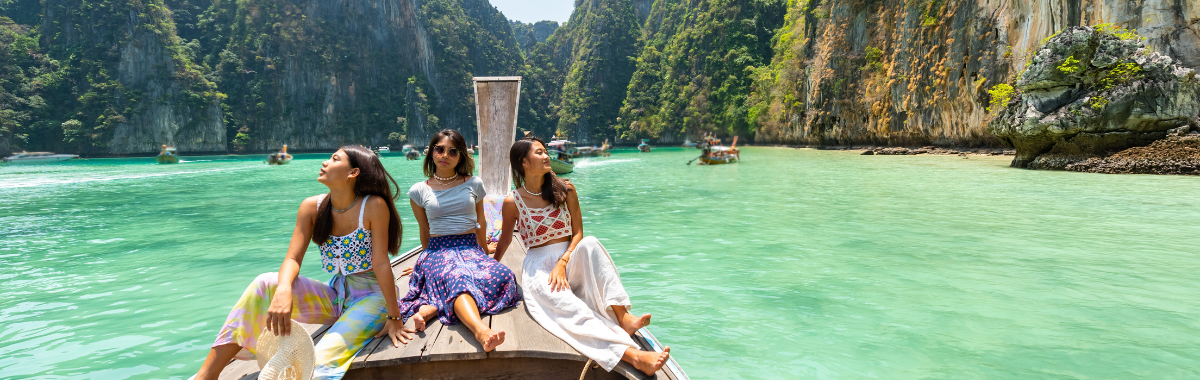
Shared Experiences Create Lasting Memories
One of the greatest advantages of group travel is the ability to share moments with others.
Whether visiting iconic landmarks, enjoying local cuisine, or experiencing unique cultural traditions, shared experiences often become lasting memories.
Traveling with friends, family members, or organized groups creates opportunities for:
- Storytelling
- Bonding
- Celebration
- Collaboration
- Group discovery
For many people, travel becomes more meaningful when it is experienced alongside others.
Simplified Planning
Group travel often reduces the planning burden.
Many organized tours handle:
- Hotel reservations
- Transportation
- Sightseeing activities
- Local guides
- Admission tickets
This arrangement appeals to travelers who prefer spending less time coordinating logistics and more time enjoying the destination.
The growing popularity of guided group experiences reflects a broader desire for convenience and curated experiences.
According to industry reporting on group travel trends, operators are increasingly offering specialized tours that focus on specific interests, hobbies, and communities.

Group Travel and Community
The social aspect of group travel remains a major draw.
Travelers who enjoy companionship often appreciate:
- Shared meals
- Group activities
- Organized excursions
- Collaborative experiences
Recent travel trends indicate growing interest in community-focused travel experiences. Some travelers who book organized tours independently are looking specifically for social interaction rather than traveling entirely alone.
In many ways, modern group travel has evolved to meet travelers' desire for both connection and independence.

Challenges of Group Travel
Group travel offers many benefits, but it also comes with trade-offs.
Less Flexibility
Group itineraries typically follow a schedule.
That means travelers may have limited time at certain attractions or may need to participate in activities that are not their top priorities.
For highly independent travelers, this structure may feel restrictive.
Group Dynamics Matter
The overall experience often depends on the personalities and expectations of fellow travelers.
A positive group atmosphere may enhance the trip significantly. Conversely, personality differences sometimes create challenges.
Compromise Is Required
Group travel naturally involves compromise.
Travelers may need to adjust their pace, dining preferences, or sightseeing priorities to remain aligned with the group's schedule.
Also Read: Smart Tips for Scheduling Family Trips
Who Should Choose Solo Travel?
Solo travel may be an excellent fit for travelers who:
- Enjoy independence
- Prefer flexible itineraries
- Appreciate spontaneous decision-making
- Seek personal growth opportunities
- Have specific travel interests
- Enjoy spending time alone
It may also appeal to travelers who struggle to coordinate schedules with friends or family but do not want to postpone their travel plans. Rather than waiting for a suitable travel companion, solo travelers often choose to pursue experiences on their own timeline.
Also Read: 25 Safety Tips for Solo Travelers
Who Should Choose Group Travel?
Group travel may be ideal for travelers who:
- Enjoy social interaction
- Prefer structured itineraries
- Value logistical support
- Want expert-guided experiences
- Feel more comfortable traveling with others
- Appreciate organized activities
Group travel is also particularly appealing for travelers visiting destinations where language barriers, transportation complexities, or cultural differences may feel intimidating. Having local expertise and organized support often enhances confidence.
Also Read: How to Buy Travel Protection for Group Trips
The Rise of Hybrid Travel
Interestingly, one of today's fastest-growing travel approaches combines elements of both styles.
Travelers increasingly book solo trips that include group experiences such as:
- Guided day tours
- Multi-day excursions
- Adventure trips
- Culinary experiences
- Photography workshops
- Cruise excursions
This hybrid approach delivers independence while creating opportunities for social interaction.
Industry trend reports have highlighted growing demand for solo-only group tours, allowing travelers to meet like-minded people while still maintaining independence throughout much of the journey.
These experiences appeal to travelers who want the best of both worlds.

Budget Considerations: Solo vs. Group
Budget plays an important role when choosing between solo and group travel.
Solo Travel Budget Factors
Solo travelers may face higher costs due to:
- Single hotel occupancy
- Independent transportation arrangements
- Private activities
- Individual dining expenses
However, solo travelers also have complete control over spending decisions.
Group Travel Budget Factors
Group travelers often benefit from:
- Shared accommodations
- Group transportation rates
- Negotiated tour pricing
- Included activities
At the same time, some organized tours include premium experiences that increase overall trip costs.
Evaluating value rather than simply comparing prices often provides a clearer picture of which option fits a traveler's goals.
How Travel Trends Reflect Changing Preferences
Travel behavior continues to evolve.
Google's travel trends data reveals that today’s travelers are simultaneously embracing independence and seeking meaningful social connections.
At the same time, the 2025 American Express Global Travel Trends Report found that younger travelers increasingly prioritize thoughtful and meaningful experiences while planning trips. Travel is becoming more intentional, with travelers seeking experiences that align closely with personal interests and values.
These insights suggest that there is no universal "best" way to travel.
Instead, travelers are selecting experiences based on individual priorities:
- Freedom
- Connection
- Discovery
- Convenience
- Personal growth
- Shared experiences
The choice between solo and group travel often comes down to which of these factors matters most during a particular trip.

How Travel Protection Helps Solo and Group Travelers
Regardless of which travel style is selected, unexpected disruptions may affect even carefully planned trips.
Travel protection helps provide valuable assistance when unforeseen events impact travel plans.
For solo travelers, travel protection may be especially important because there is often no companion available to share responsibilities during a disruption. Assistance services may help travelers access support when facing unexpected challenges away from home.
For group travelers, trip interruptions, travel delays, or other covered disruptions may affect multiple aspects of a carefully coordinated itinerary. Travel protection helps travelers navigate unexpected situations that could impact transportation, accommodations, or planned activities.
Depending on the plan selected, travel protection may include benefits such as:
- Trip Cancellation
- Trip Interruption
- Travel Delay
- Baggage Delay
- Emergency Assistance & Transportation
Reviewing plan details carefully before departure helps travelers understand available benefits, conditions, and exclusions.
Whether traveling independently, joining a guided tour, or combining both approaches, travel protection adds another layer of preparation before departure.
There Is No Wrong Choice
The debate between solo travel and group travel does not have a universal answer.
Solo travel offers freedom, flexibility, and personal discovery.
Group travel offers connection, support, and shared experiences.
Many travelers enjoy both styles at different stages of life or even within the same trip. The growing popularity of hybrid travel experiences highlights the fact that travelers no longer need to choose one approach exclusively.
The best travel experiences often come from selecting the style that aligns with personal goals, comfort level, and interests for a particular journey.
Before the next adventure begins, consider how travel protection fits into the overall travel plan. A little preparation before departure may help travelers focus more fully on the experiences waiting ahead.
Get a fast and free travel protection quote today and explore plan options before the next trip.
FAQ
Is solo travel safer than group travel?
Safety depends on the destination, traveler preparation, and individual circumstances. Many destinations welcome both solo and group travelers. Research, situational awareness, and preparation remain important regardless of travel style.
Is group travel less expensive than solo travel?
Group travel may offer opportunities to share costs or access negotiated rates, but pricing varies widely based on destination, accommodations, and included activities.
Can solo travelers join organized tours?
Yes. Many travelers book independent trips and participate in guided tours, day excursions, or specialized group experiences during their journey.
Why is travel protection important for both solo and group travelers?
Unexpected disruptions such as covered trip cancellations, delays, or baggage-related issues may affect any trip. Travel protection offers benefits and assistance services designed to help travelers manage qualifying situations while away from home.
Travel Resources
See All

10872502608

Average Customer Rating:

Thank you for visiting csatravelprotection.com