The National Treasure Tour: A Grand Tour to Of America's Historical Landmarks

Key Takeaways
- A national treasure tour highlights destinations central to American history, culture, and preservation.
- These locations offer meaningful opportunities to understand the nation’s past across regions and eras.
- Travel protection helps travelers plan with greater confidence when visiting historic and high‑demand destinations.
America offers opportunities to reflect on the places that shaped the nation’s history, values, and cultural identity. A national treasure tour brings travelers face‑to‑face with landmarks that document the country’s founding ideals, its periods of conflict and growth, and its enduring creativity.
Rather than focusing on a single theme or era, this journey highlights destinations that together tell a broader American story—one defined by migration, innovation, resilience, preservation, and national parks set aside for public benefit. Visiting these sites provides context for the freedoms and institutions that continue to shape daily life in the United States.

Ellis Island, New York
Ellis Island National Museum of Immigration
Ellis Island stands as one of the most significant landmarks in American immigration history. Between 1892 and 1954, more than 12 million immigrants were processed through this federal inspection station before entering the United States. For many families, this site represents the beginning of their American experience.
The Main Hall, restored to reflect its early 20th‑century appearance, anchors the visitor experience. Exhibits document immigration policy, personal stories, and the challenges faced by those seeking entry. Genealogical resources allow visitors to research passenger records and better understand their own family connections to the site.
Bunker Hill National Historical Park, Massachusetts
Bunker Hill National Historical Park
Bunker Hill marks one of the earliest major conflicts of the American Revolutionary War. Although British forces ultimately claimed the ground, the battle demonstrated that colonial militias were capable of standing against a professional army.
The site includes the Bunker Hill Monument, a granite obelisk overlooking Boston, along with interpretive exhibits that explain the strategic importance of the battle. Visiting Bunker Hill provides insight into the origins of American independence and the sacrifices made during the nation’s founding period.

National Museum of African American History and Culture, Washington, D.C.
National Museum of African American History and Culture
Located on the National Mall, the National Museum of African American History and Culture explores the central role African Americans have played in shaping the United States. The museum’s exhibitions trace history from the colonial era through the present, addressing culture, politics, military service, arts, sports, and social movements.
Artifacts range from items connected to early American history to objects representing modern cultural achievements. Interactive galleries and curated storytelling provide historical context while highlighting individual contributions and community experiences.
The museum complements other Smithsonian institutions by expanding the national narrative and offering visitors a deeper understanding of how American history has been influenced across generations.
Also Read: Top Museums Around the World to Visit
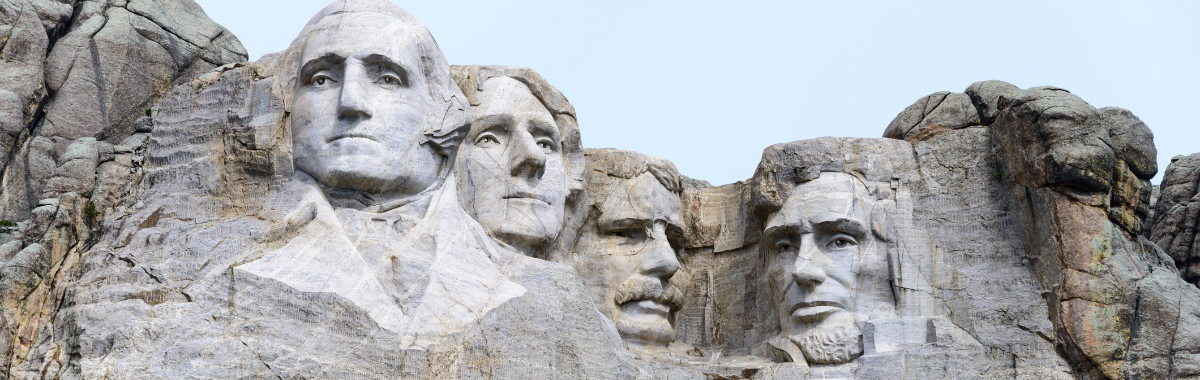
Mount Rushmore National Memorial, South Dakota
Mount Rushmore National Memorial
Mount Rushmore is one of the most recognizable landmarks in the United States. Carved into the granite face of the Black Hills, the memorial features the likenesses of George Washington, Thomas Jefferson, Theodore Roosevelt, and Abraham Lincoln.
The site was designed to reflect different stages of American development, from independence to preservation and expansion. Visitor facilities include a museum, educational programs, and walking trails that provide views of the memorial and surrounding landscape.
The Black Hills region also offers additional opportunities to explore natural scenery, Native American history, and national parks.

Smithsonian Institution, Washington, D.C.
Often described as a record of American innovation and culture, the Smithsonian Institution comprises multiple museums and research centers along the National Mall and beyond. Its collections include artifacts that document scientific discovery, political leadership, popular culture, and technological progress.
Notable items across Smithsonian museums include early aviation milestones, historic documents, space exploration equipment, and objects tied to literature, film, and music. Together, these collections offer tangible connections to moments that shaped the nation.
The Smithsonian’s accessibility and breadth make it a central destination for travelers interested in understanding American history through preserved artifacts.
Yellowstone National Park, Wyoming, Montana, and Idaho
Established in 1872, Yellowstone was the world’s first national park and set a global precedent for land preservation. The park is known for its geothermal features, including geysers, hot springs, and volcanic landscapes, as well as its diverse wildlife and expansive wilderness.
Yellowstone reflects a national commitment to protecting natural resources for public enjoyment. Historic lodges, scenic roadways, and designated viewpoints allow visitors to experience the park while supporting conservation efforts.
Also Read: The Best National Parks For Family Vacations
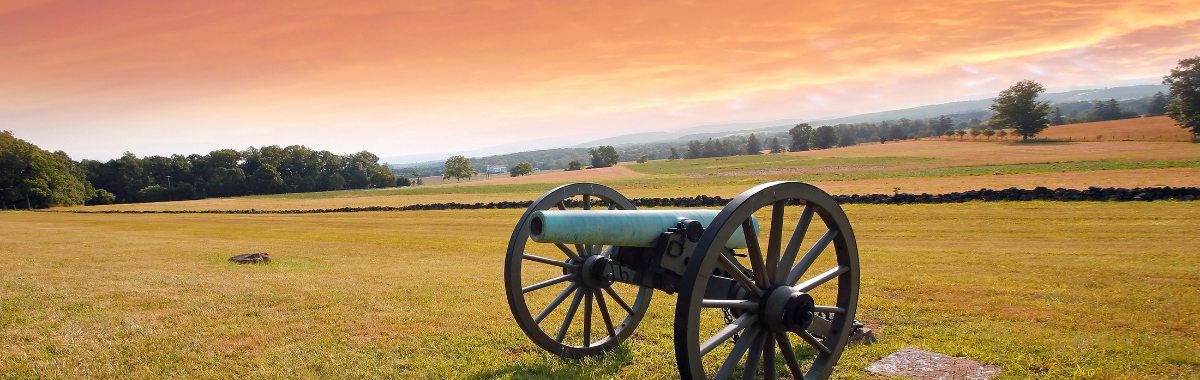
Gettysburg National Military Park, Pennsylvania
Gettysburg National Military Park
Gettysburg marks one of the most pivotal battles of the American Civil War. The three‑day conflict in July 1863 resulted in significant casualties and influenced the direction of the war.
Today, the park preserves the battlefield and provides interpretive programs that explain military strategies, political consequences, and the human impact of the war. The visitor center and museum offer historical context, while walking and driving tours allow visitors to explore key locations across the battlefield.
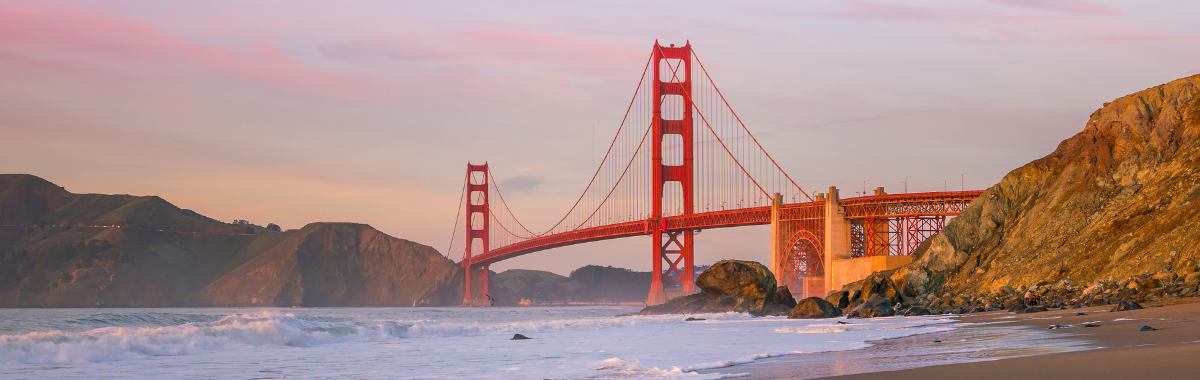
Golden Gate Bridge, California
Golden Gate National Recreation Area
The Golden Gate Bridge stands as both an engineering achievement and a defining symbol of San Francisco. Completed during the Great Depression, the bridge demonstrated large‑scale innovation during a period of economic uncertainty.
Spanning the entrance to San Francisco Bay, the bridge connects urban infrastructure with coastal landscapes. Viewing areas and nearby parks offer perspectives on the bridge’s design, setting, and historical significance.
Ending a national treasure tour at the Golden Gate Bridge highlights themes of progress, creativity, and resilience.
Planning Considerations for a National Treasure Tour
Traveling to historic and high‑profile destinations often involves advance planning, seasonal considerations, and logistical coordination. Many national landmarks require timed entry passes, have limited accommodations nearby, or experience peak visitation during anniversaries and holidays.
Travel protection helps travelers prepare for unexpected events that may affect trip plans, including covered trip interruptions, medical needs while traveling, and access to assistance services during multi‑destination itineraries.
Help Protect a Meaningful Journey
A national treasure tour represents a significant investment of time and resources. Travel protection from Generali Global Assistance supports travelers before and during their trip with travel insurance and assistance services designed for domestic and multi‑stop travel.
To explore coverage options and plan with greater confidence, get a fast and free quote before departure.
Frequently Asked Questions
What is a national treasure tour?
A national treasure tour focuses on visiting historically and culturally significant sites that reflect major moments, movements, and achievements in American history.
How long does a national treasure tour typically take?
The length varies based on the number of destinations and travel pace. Some travelers plan regional trips, while others design extended itineraries across multiple states.
Are national historic sites open year‑round?
Many sites operate year‑round, though hours, access, and ticketing requirements may vary by season and location.
Why consider travel protection for domestic travel?
Travel protection offers coverage options and assistance services that support travelers when unexpected events affect trip plans, even within the United States.
Travel Resources
See All

10872502606

Average Customer Rating:

Thank you for visiting csatravelprotection.com